On a construction site, noise often reaches high levels think circular saws, jackhammers, or concrete mixers. In many jurisdictions and safety programs, employers must assess noise exposure and provide appropriate hearing protection when levels exceed action thresholds. In this blog, you’ll learn why custom hearing protection for construction can be a practical, long-lasting option for safety, comfort, and day-to-day wearability.
The Real Cost of Construction Noise
Decibel Levels on the Job Site: From Sawing to Demolition
Construction noise is consistently high. Here are a few typical examples (actual levels vary by equipment, distance, and conditions):
- Circular saw: ± 105 dB
- Jackhammer: ± 110 dB
- Concrete mixer: ± 85 dB
- Angle grinder: ± 100 dB
Exposure time matters. As a general rule of thumb, higher noise levels can become hazardous much faster for example, some guidelines equate 8 hours at 85 dB to about 15 minutes at 100 dB (depending on the standard used). Even “moderate” noise can be harmful when workers are exposed all day.
How Hearing Damage Creeps In
Hearing damage doesn’t always happen overnight. It often starts with:
- Ringing in the ears after a workday
- Trouble following conversations in a busy break room
- Asking coworkers to repeat themselves more often
Noise-induced hearing loss is often permanent. That’s why prevention on construction sites is so important.
Your Responsibilities as an Employer: What You Need to Know
The Rules Around Hearing Protection, Simply Explained
The core points:
- From 80 dB, as an employer, you must make hearing protection available.
- From 85 dB, wearing it is mandatory.
- You must identify risks and take appropriate measures.
What this means in practice: measure, assess, and make sure your employees have protection that actually works and that they will actually wear.
The Risk of Doing Nothing
Ignoring noise hazards can increase the risk of:
- Regulatory penalties and potential claims
- Absenteeism and compensation costs
- Reputation damage
- Loss of experienced skilled workers
Hearing loss can also affect communication and on-site safety. Investing in effective protection supports both compliance efforts and business continuity.
Why Standard Earplugs Often Fall Short on Construction Sites
Comfort: Why Protection Stays in the Pocket
Foam plugs can be affordable and widely available, but on busy job sites we often see challenges such as:
- Pressure or irritation after a few hours
- Inconsistent insertion (hard to get a proper fit every time)
- Fit conflicts with hard hats or safety glasses
- Hygiene issues with prolonged use
If protection isn’t comfortable, it’s less likely to be worn consistently reducing real-world protection.
Leakage and False Security
A small gap between an earplug and the ear canal can significantly reduce attenuation. Foam plugs can:
- Shift when bending or sweating
- Be inserted too shallowly
- Expand unevenly
When fit isn’t consistent, workers may feel protected while harmful noise still gets through.
Custom Hearing Protection: Made for Your Ears and Your Work
How Custom Earplugs Work
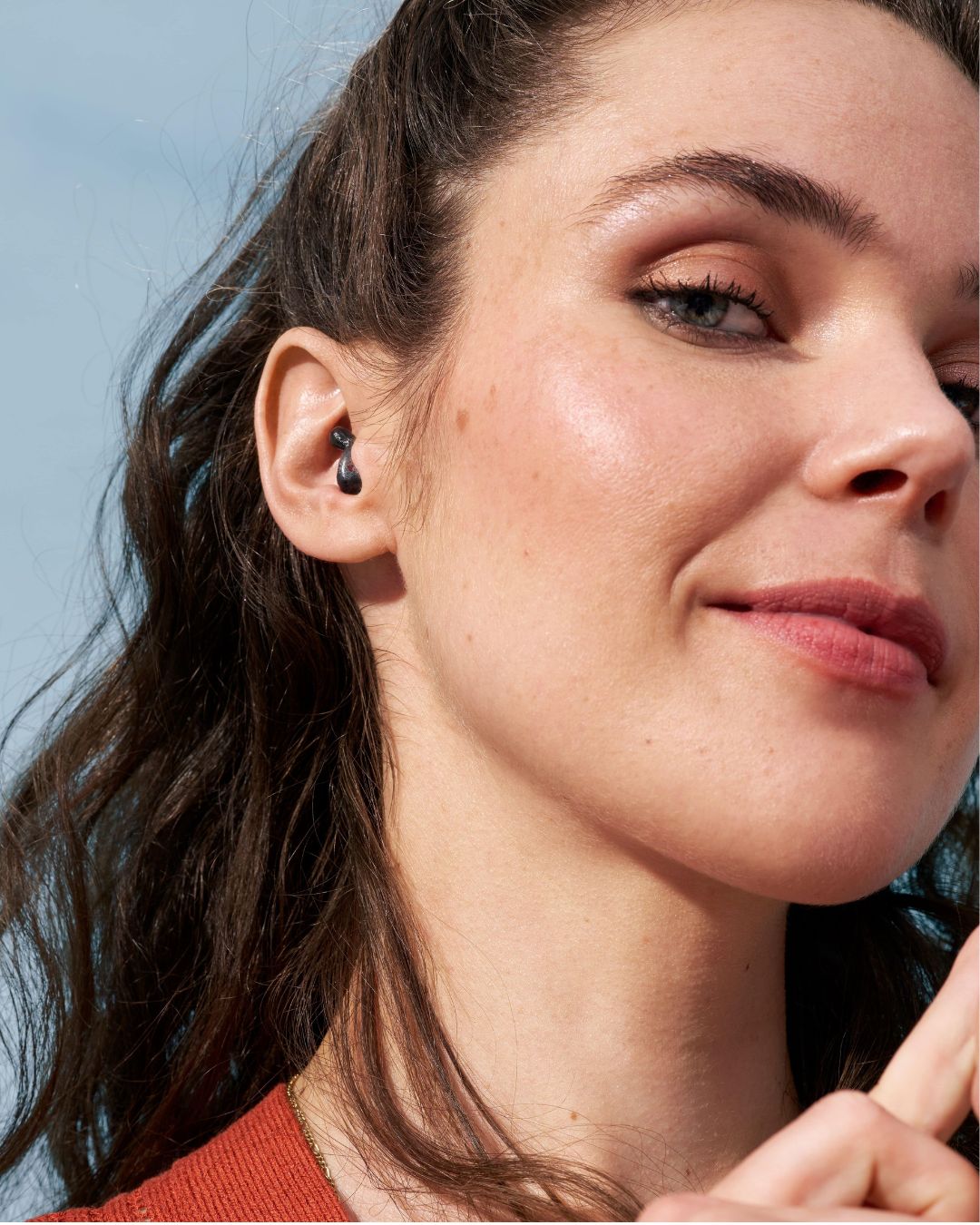
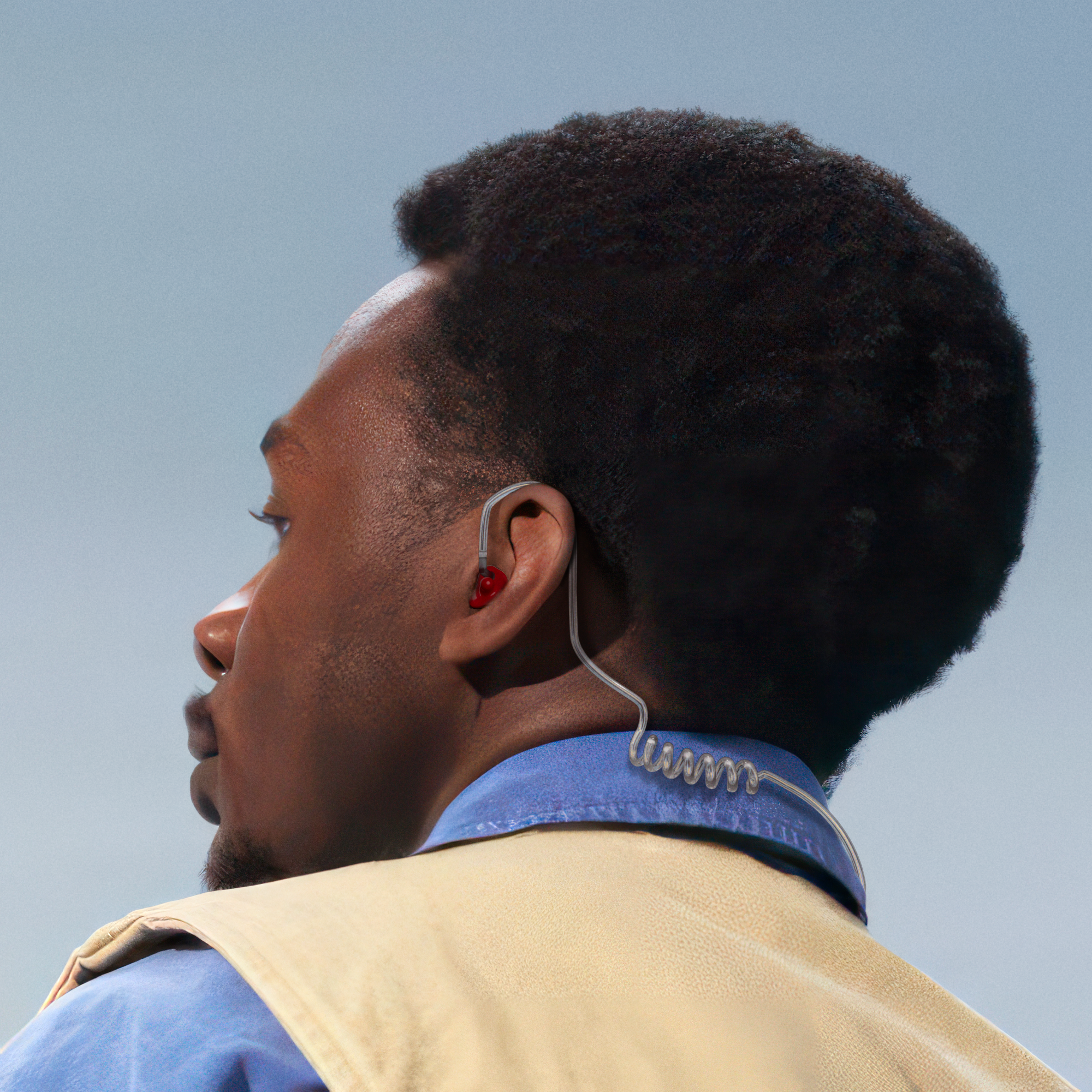
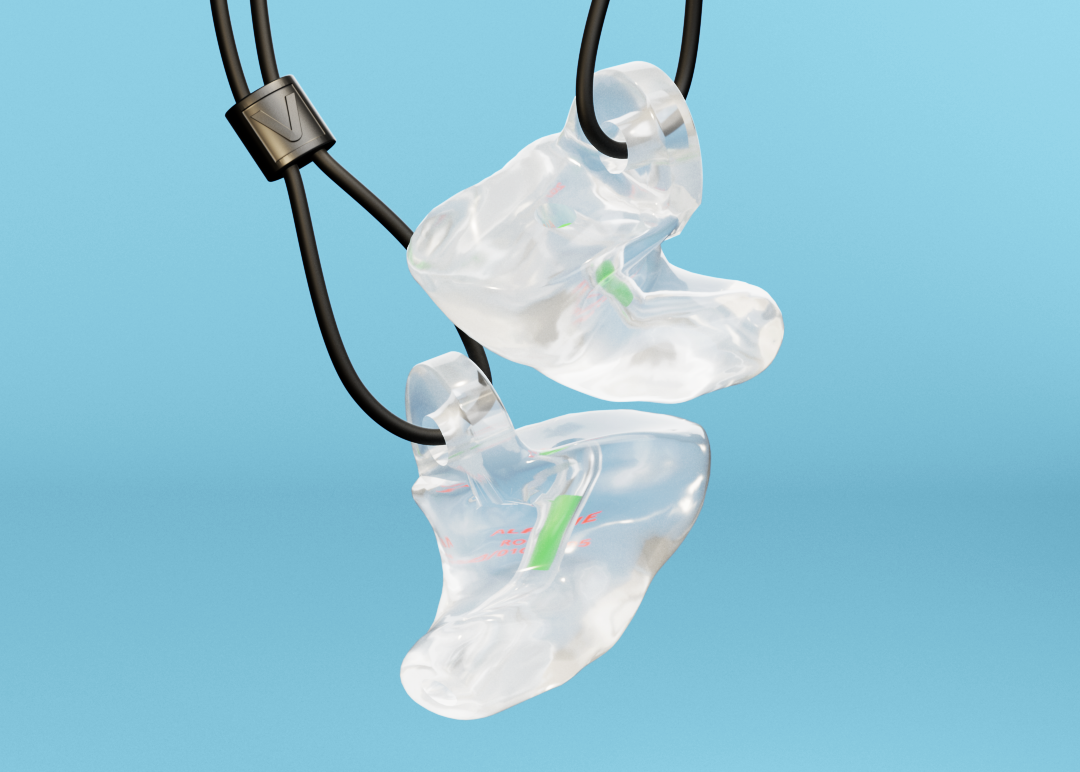
Custom hearing protection is made from an impression (or scan) of the ear canal to create a more individualized fit. A secure fit can help reduce pressure points and lower the chance of leakage. Depending on the filter type, custom solutions can reduce harmful noise while still allowing for situational awareness, such as speech and warning signals.
The Alpine Approach: Comfort and Protection in Balance
Alpine develops custom hearing protection using durable materials and filter technology designed for professional use. For teams, this can mean:
- Noise reduction designed to support workplace requirements when fitted and used as directed
- Comfort during extended wear
- Reusable materials intended for long-term use
Alpine also offers ready-to-use professional options, such as WorkSafe, for workers who prefer non-custom solutions.
How Custom Protection Pays for Itself
Cost of Damage Versus Prevention
With disposable foam earplugs, costs can add up over time and inconsistent fit or wear can increase risk. Miscommunication and fatigue may also affect productivity.
Custom hearing protection typically lasts for years with proper care. While the upfront cost can be higher, it can be more cost-effective over time than continually replacing disposable options.
More Than Just Compliance
Effective hearing protection can support:
- Clearer communication on the job
- Less fatigue from noise exposure
- Better focus
- Higher employee satisfaction
Custom hearing protection doesn’t just help reduce risk it can also support day-to-day performance by making protection easier to wear consistently.
Common Questions from Construction Pros
Don’t Custom Earplugs Block All Communication?
Not necessarily. With the right filter, custom earplugs can reduce hazardous noise while helping keep speech and alarm signals more usable than with basic foam plugs. The right choice depends on tasks, exposure, and safety requirements.
Are They Comfortable and Hygienic on a Tough Construction Site?
Custom hearing protection is designed for extended wear and is typically washable and reusable. Many options are compatible with hard hats and safety glasses and are intended for demanding work environments. As with any PPE, performance depends on proper fit, use, and maintenance.
Protect Your Team Today
Start with These 3 Steps
Every step toward better protection helps:
- Map your current noise levels and risks: inventory machines and tasks, and consider exposure duration.
- Ask your workers about their experience with current protection.
- Explore whether custom solutions fit your operation and get expert advice.
For larger teams, a specialized partner can help with measurements, fitting sessions, and periodic on-site checks.
Ready to Upgrade?
Alpine offers hearing protection solutions for demanding work environments from ready-to-use professional earplugs to custom solutions for entire teams. Because protecting hearing supports safety, communication, and the long-term wellbeing of your skilled workers.