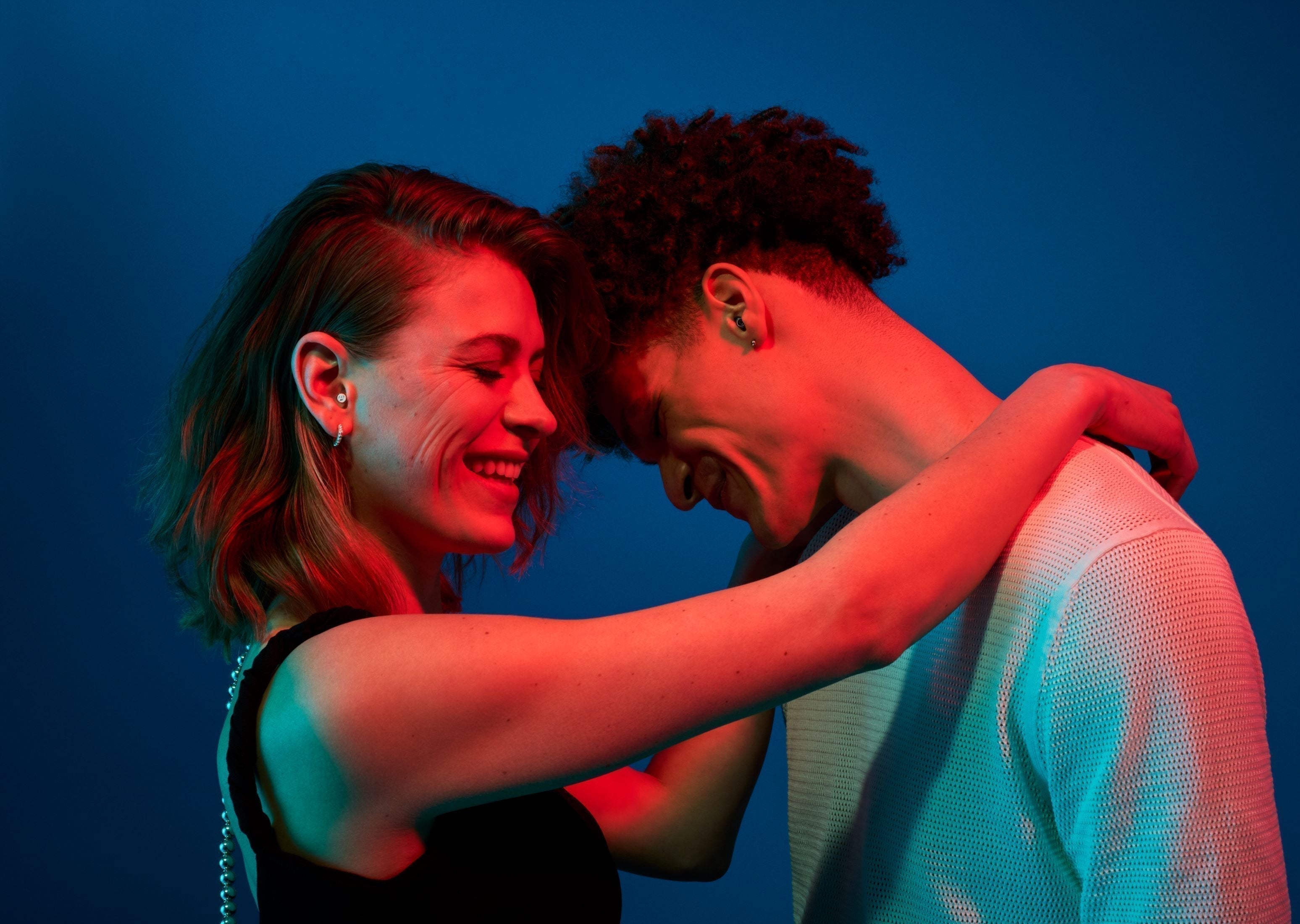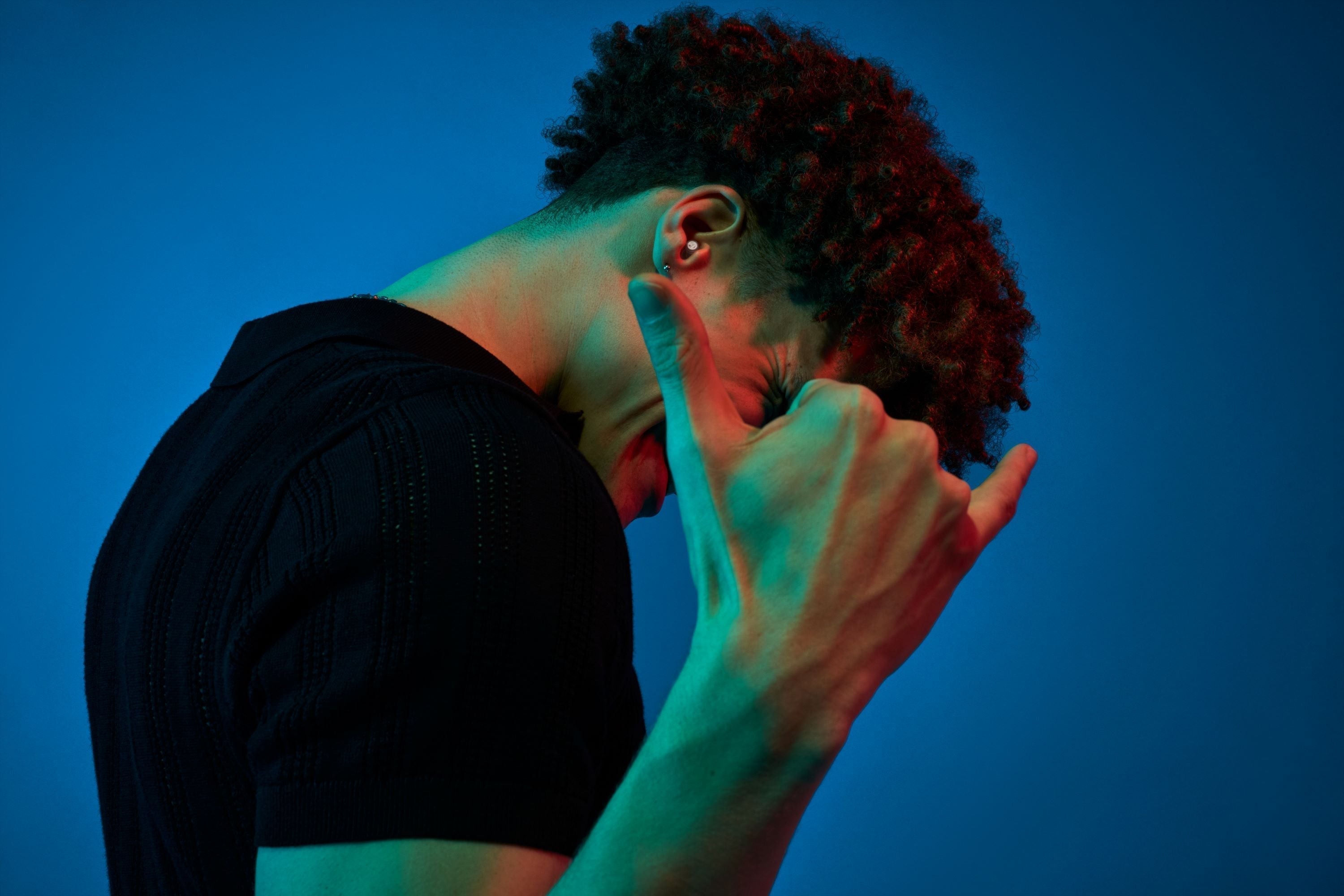
Have you ever heard ringing or buzzing in your ears after a festival or concert? That noise is tinnitus, and according to the World Health Organization, it is a recognised sign that your hearing has been under stress. By the time you notice it, the noise exposure has already occurred, and according to the WHO, the effects on the cilia in your inner ear cannot be reversed. Wearing the right earplugs at live events is one of the most straightforward hearing fitness habits you can build. Read on to find out how loud festivals actually get, when high noise levels become a concern, and how to keep your hearing fit without missing a beat.
How Loud Are Festivals and Concerts?
Most countries do not set a single legal limit on audience noise exposure at live events. Industry guidelines typically recommend that general levels do not exceed around 100 to 107 dB. Event organisers work with local authorities, usually following an industry code of practice in which recommended noise levels are based on factors like how often an event takes place and whether it is in an urban or rural area.
So what are the actual sound levels at live music events?
- The volume at a typical indoor concert is usually somewhere between 90 and 120 dB.
- At outdoor events like festivals, it averages 90 to 100 dB.
- Rock bands are sometimes as loud as 125 dB.
What Is a Decibel?
The decibel (dB) is a unit used to measure sound intensity. The lowest perceptible volume that humans can hear is 0 dB. At 100 dB, sound feels uncomfortably loud, and at around 120 dB, it reaches the pain threshold.
One of the most important things to understand about decibels is that the scale is logarithmic, not linear. On a linear scale, values increase by equal steps. On a logarithmic scale, they increase exponentially. As a rough guide, an increase of around 10 dB is generally perceived as approximately twice as loud though the relationship between sound intensity and perceived loudness varies by frequency and individual.
At What Level Is Sustained Noise Exposure a Concern?
Most hearing experts identify 85 dB as the threshold above which sound can create risk with repeated or extended exposure. The original UK guidance referenced 80 dB, but the internationally recognised standard, including guidance from the World Health Organization, places the risk threshold at 85 dB.
From there, the rule of thumb is straightforward: for every additional 3 dB, the safe exposure time is halved.
- At 85 dB: up to 8 hours
- At 88 dB: up to 4 hours
- At 91 dB: up to 2 hours
- At 94 dB: up to 1 hour
- At 100 dB (the average festival level): around 5 minutes
- At 110 dB (near speakers): risk rises sharply within seconds
Standing next to the speakers, even for a short time, means exposure to extremely high noise levels. The noise level at an average festival is around 100 dB. Five minutes of exposure at that level exceeds a safer listening window. The level of attenuation you need depends not only on how loud the music is, but also on how long you are exposed to it.
How Loud Sound Affects Hearing Over Time
Deep inside the ear is an organ called the cochlea, which houses sensory cells covered in thousands of tiny hairs called cilia. As we age, the cilia gradually degenerate, this is why our hearing naturally deteriorates in later life. But the cilia can also be affected earlier by sustained exposure to loud noise. According to the World Health Organization, the cilia cannot regenerate once affected, and medical science has not yet found a way to restore them.
What Attenuation Should Your Earplugs Have for a Safe Sound Experience at a Music Event?
To keep hearing fit at a concert or festival, look for earplugs with an SNR rating of 18 to 25 dB. That range is designed to bring the average festival volume down to safer levels so you can be there all day (up to 8 hours) within a safer listening range, provided the earplugs are correctly fitted and worn consistently throughout.
Not all earplugs are equal. Foam earplugs are designed to block sound broadly rather than filter it, which can make music sound muffled and unnatural. Alpine's filter based music earplugs are designed to reduce volume more evenly across the frequency spectrum, based on precision acoustic engineering, so the music still sounds like music, just at a safer level.
Alpine Tune is Alpine's most advanced music earplug, with high-fidelity filters that provide an even reduction across all frequencies at 19 dB SNR. Alpine PartyPlug Pro attenuates by 21 dB SNR and uses a premium Hi-Fi filter engineered to maintain clarity across both low and high frequencies. Alpine PartyPlug attenuates by 19 dB SNR, offering reliable protection at a more straightforward price point. For a tailored fit, custom festival earplugs offer a choice of 22, 23, or 24 dB attenuation. Protection depends on proper fit and seal for all options.
Can You Still Get the Full Sound Experience With Earplugs In?
Yes. Alpine PartyPlug filter earplugs use acoustic filters that reduce volume while preserving the character of the music. You will still be able to have a normal conversation with friends, the acoustic filter design reduces overall volume levels without distorting the sound around you.
Is Hearing Fitness at Music Festivals Worth Thinking About?
Yes, and it is a simpler habit to build than most people expect. At the average festival, sustained noise exposure at average festival levels can exceed safer listening thresholds in just minutes. That is not a distant concern. That is the first few songs of an opening set. Wearing earplugs is not about turning the experience down. It is about keeping it available for years to come.
How Do I Keep My Hearing Fit Around Loud Music at Festivals?
1. Stay Away From the Speakers
Avoid standing directly next to the speakers. Sound levels near the front of house stacks can easily exceed 110 dB, which means extremely high noise exposure levels within seconds. Moving a short distance back makes a meaningful difference.
2. Wear Suitable Hearing Fitness Products
Filter based earplugs reduce the volume to safer levels while keeping music quality intact. Look for earplugs with 18 to 25 dB attenuation and a secure fit, protection depends on proper fit and seal, so choosing the right tip size matters as much as the filter itself.
3. Give Your Ears a Break
Step away from the music for 15 to 30 minutes every hour. Even brief time in a quieter zone, the bar, the food area, the campsite, gives the cilia in your cochlea a chance to recover. Think of it as looking after the most important piece of equipment you brought to the festival.
4. Pre and Post Festival Care
In the days before a big festival, try to reduce your overall exposure to loud sound. Keeping your listening volumes lower in the run up gives your ears more resilience going in. After the event, give your hearing time to recover, avoid loud music or loud environments for a day or two. If you experience ringing, muffled hearing, or other symptoms that do not resolve within 24 to 48 hours, it is worth getting checked by a hearing professional.
Need Help Choosing the Right Hearing Fitness Products for Festivals, Raves, and Concerts?
You only get one pair of ears. Whether you are heading to a multi day festival, a club night, or a rave, the right earplugs make it possible to stay longer, hear better, and wake up the next day without the ringing. Alpine festival earplugs are made from soft, silicone-free material, a meaningful difference from the one size fits all foam plugs handed out at the gate.
Explore Alpine's festival and concert earplugs, including Tune, PartyPlug, PartyPlug Pro, and custom options, all backed by a 100 day satisfaction guarantee. Not sure which is right for you? Read our guide on how to choose the right party earplug, or take our online quiz to quickly find your perfect pair.