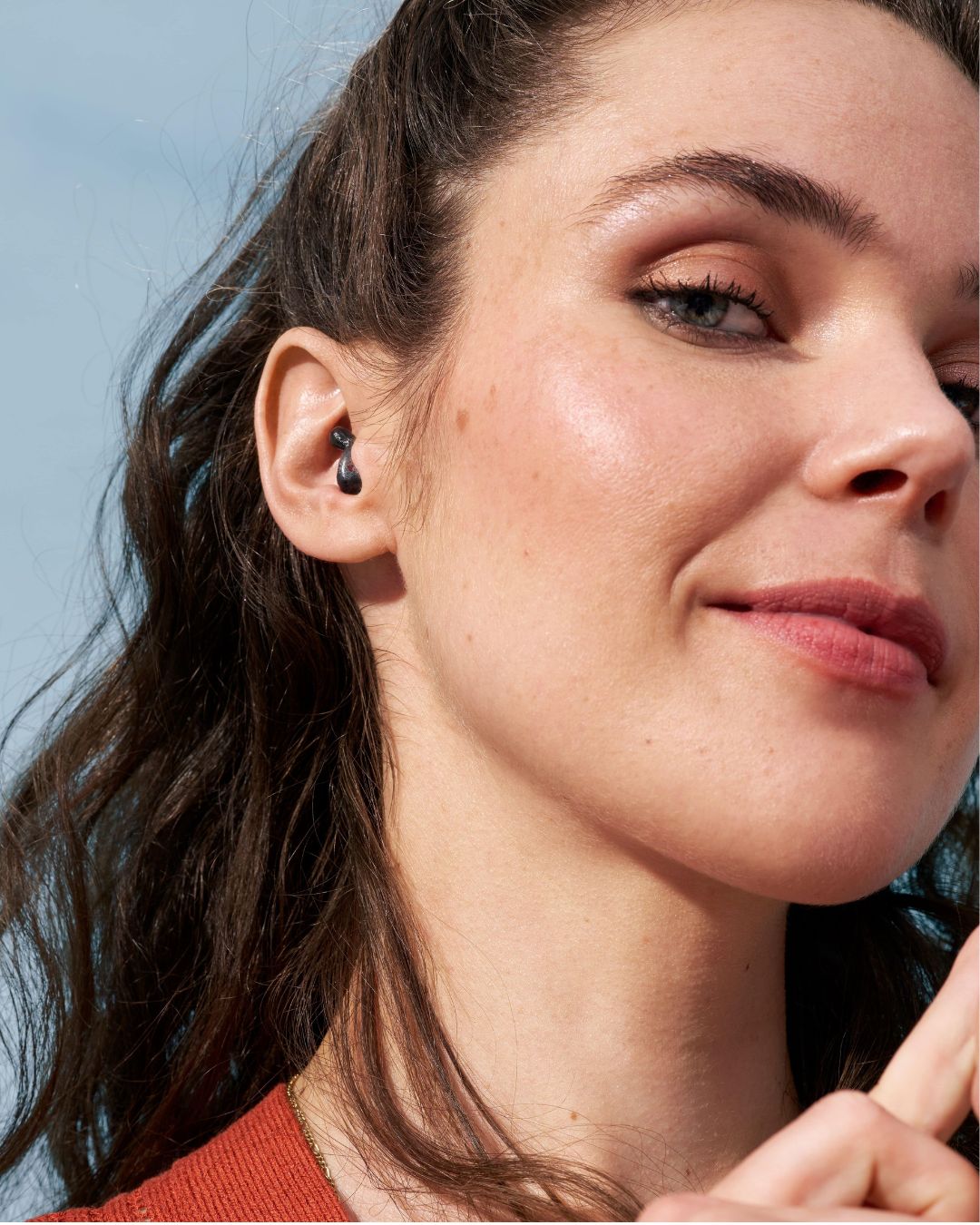
If you’re exposed to harmful noise at work, employers are often required (under applicable workplace safety rules) to provide suitable hearing protection at no cost to employees. Exactly what applies can depend on your location, industry, and the measured noise levels.
In this blog, we’ll cover common employer responsibilities in plain language and explain why it’s smart to think about noise protection in your personal life too. (This is general information, not legal advice when in doubt, check your local regulations or your company’s EHS/HR team.)
Noise Limits and Your Employer's Obligations
When must an employer provide hearing protection?
Workplace rules vary, but in the US a common reference point is OSHA’s hearing conservation requirements, which can apply when employees are exposed to an 8-hour time-weighted average of 85 dBA or higher. In that case, employers typically need to assess noise exposure, provide training, and make hearing protection available.
At higher exposure levels, additional controls and stricter requirements may apply including ensuring protection is worn when required and that it provides adequate reduction for the job.
What does coverage include for custom hearing protection?
The principle is simple: if noise exposure is hazardous, hearing protection should be suitable for the work being done and fit well enough to be worn consistently.
In practice:
- Your employer often covers hearing protection when required by applicable rules.
- The protection should be effective for your work situation. If standard options don’t fit properly, aren’t tolerated for long shifts, or don’t provide adequate protection when used correctly, custom-molded options may be worth discussing.
- What’s provided (and how it’s sourced) can depend on workplace policy and local requirements.
Sometimes universal earplugs don’t seal well, shift during movement, or become uncomfortable during extended wear. In those cases, custom hearing protection can be a practical next step especially for people who need protection daily.
Why Hearing Protection Matters at Work and Beyond
Noise-induced hearing loss can be permanent
Hearing problems from repeated loud-noise exposure can develop gradually, and you may not notice early changes right away. Signs can include:
- Ringing in the ears (tinnitus)
- Difficulty following conversations
- Sounds that seem distorted
- Feeling more tired in social situations
Your hearing helps you enjoy music, connect with people, and stay aware of your surroundings. With hearing protection, you’re also supporting your long-term quality of life.
High-risk jobs and unexpected situations
Many professions involve higher hearing-risk environments, including:
- Construction and demolition
- Manufacturing and industrial work
- Event production and entertainment
- Logistics and transportation
But outside of work, you can also encounter loud sound levels commuting on trains or subways, DIY projects with power tools, mowing the lawn or using a leaf blower, and sporting events. Protecting your hearing isn’t just for loud workplaces; it’s a habit you can build into daily life.
When Do You Need Hearing Protection Outside Work?
Concerts and festivals: enjoy without the damage
Music should move you. Some people worry earplugs will ruin the experience. While any earplug reduces volume, some hearing protection uses filters designed to lower sound more evenly across frequencies, which can help preserve clarity compared with basic foam plugs.
With music-focused filters, many people find they can:
- Reduce overall volume
- Better understand speech
- Enjoy music more comfortably
So you can enjoy the show while reducing the risk from prolonged loud sound.
Motorcycling, travel, and adventure
Wind noise on a motorcycle can exceed 90 dB depending on speed, helmet, and conditions plus there’s engine and traffic noise. Planes and long road trips can also mean hours of steady background sound.Hearing protection doesn’t have to make an adventure less exciting. It can make it more comfortable helping reduce fatigue so you can stay focused on the experience.
Custom or Universal: What's Right for You?
When custom makes sense
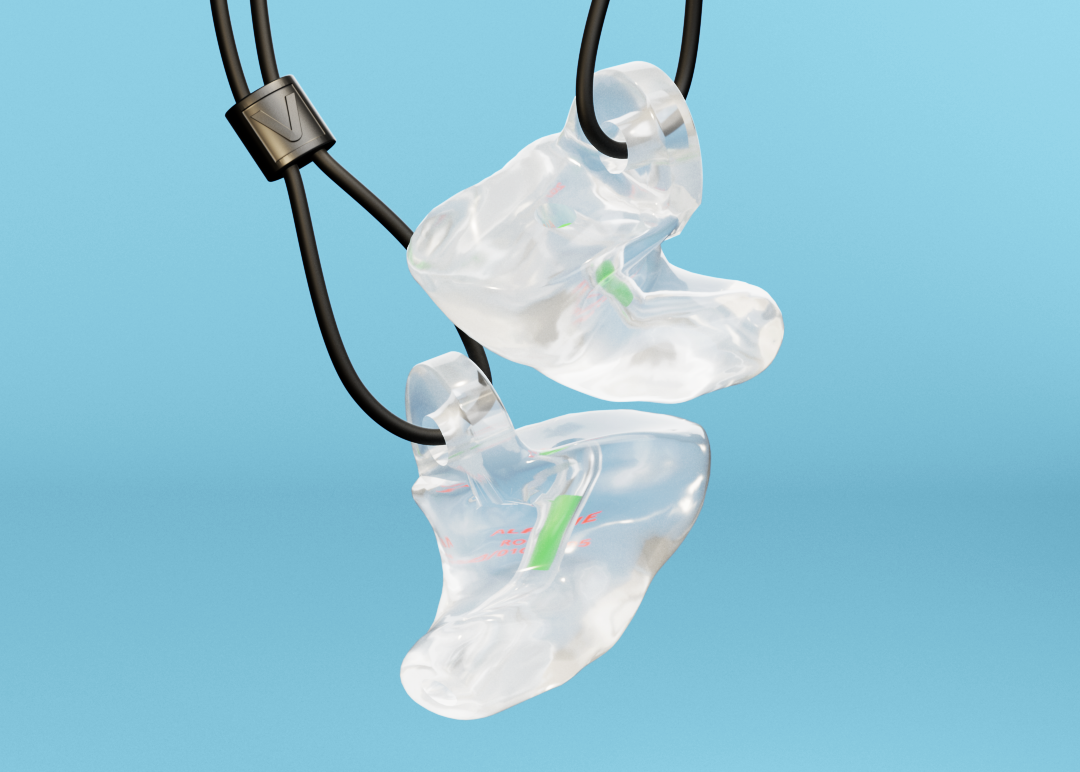
Custom protection is made to match your ear shape and can help with consistent fit and comfort. Custom hearing protection can be a good choice if you:
- Wear protection 8 hours or more daily
- Move around a lot during work
- Experience pressure points with standard solutions
Universal solutions: immediately available and effective
Premium universal earplugs are designed to fit a wide range of ears and can be highly effective when chosen correctly and inserted properly. For many situations, they’re a strong option with no waiting period. Depending on the model, they can offer:
- Reliable noise reduction (when worn correctly)
- Comfort during extended wear
- Immediate usability
- A budget-friendly alternative to custom options
How to Make Sure Hearing Protection Actually Works
The right fit: no discomfort, no excuses
Hearing protection only works if you wear it correctly and it stays comfortable over time. Comfort isn’t a luxury, it strongly affects whether you’ll keep using it.
A few practical tips:
- Insert earplugs slowly and carefully
- Make sure they seal properly without pinching
- Try different sizes if available
- Feel pressure or irritation? It may be the wrong size, the wrong style, or not inserted correctly
Maintenance: small effort, big difference
Proper care helps extend lifespan and maintain performance:
- Clean with mild soap and water (as directed)
- Let them dry completely
- Store in the included case
- Replace when worn or if the seal weakens
Hearing Protection for the Whole Family
Protecting children's hearing
Children’s hearing can be more vulnerable to loud noise, and kids may not always recognize when sound is too loud. At concerts, fireworks, sporting events, or while traveling, protection can be especially important. Habits formed young can last a lifetime so modeling good hearing-safety practices early can make a real difference.
Better sleep through less noise
Sound affects sleep quality too. For shift workers, city dwellers, or light sleepers, reducing ambient noise may help improve sleep for some people. Better rest supports recovery and day-to-day wellbeing.
Take Action: Get Your Hearing Protection Sorted
Questions to ask your employer
Working in a noisy environment? Consider asking:
- What’s the measured noise level at my workstation?
- What hearing protection is available?
- If standard options don’t fit or aren’t effective, what alternatives are available (including custom)?
- Are periodic hearing tests offered as part of a hearing conservation program?
Choose your protection
Whether it’s noise at work, during events, travel, or sleep, there are practical ways to help protect your hearing. Your hearing connects you to the moments that matter. Live loud, and live safe.