Getting a good night's sleep can be tough when your husband snores. If you're also up half the night with a little one, a snoring husband on top of that can feel like the final straw. "My husband snores so loud that I can't sleep" is a familiar feeling for a lot of parents: you need every minute of sleep you can get, and lying awake next to him while you're already running on empty is exhausting. For some, it goes further than annoying: his snoring is killing your sleep, your patience, or both.
'Just sleep on the couch' sounds simple, but it isn't always realistic, or fair. Maybe there's no spare room. Maybe you actually want to sleep next to your partner. Whatever the reason, banishing him to the sofa every night isn't a real long-term fix.
So how loud can snoring get? Does sleeping position make a difference? And which earplugs actually help when his snoring keeps you wide awake? Here's how to sleep with a snoring husband, without losing your mind.
What is snoring?
Snoring is the sound created by air flowing past the tissues in the throat and/or nose during sleep, causing them to vibrate. Almost everyone snores occasionally, but for some people – and their partners – it can become an annoying, nightly problem.
How loud is snoring?
When your partner snores, the average snoring sound is somewhere between 30 and 40 dB, but loud snoring can reach up to 100 dB, as loud as a power drill. And snoring sounds don't stay level all night: they rise and fall.
Here's the catch: decibels aren't linear. The scale is logarithmic, so every 10 dB increase sounds roughly twice as loud. A jump from 40 to 70 dB isn't just 'a bit louder': it can sound around 8 times as loud. That's why a sudden snoring peak can wake you up even when the average noise level seems low.

At what level does snoring noise become desruptive?
So how much snoring is too much? There's no single magic number. It depends on how loud the snoring is, how often the peaks come and how easily you wake from noise. A steady hum at 30 to 40 dB is easier to sleep through than sudden peaks. If the peaks keep waking you up night after night, it's time to do something about the noise.
What type of earplugs do you need for a snoring partner?
Looking for the best earplugs for a snoring partner? Not all snoring is equal, so not all earplugs should be either. Mild snoring needs a different level of noise reduction than a partner who's really sawing logs. The right choice depends on how loud the snoring is and how much you still want (or need) to hear.
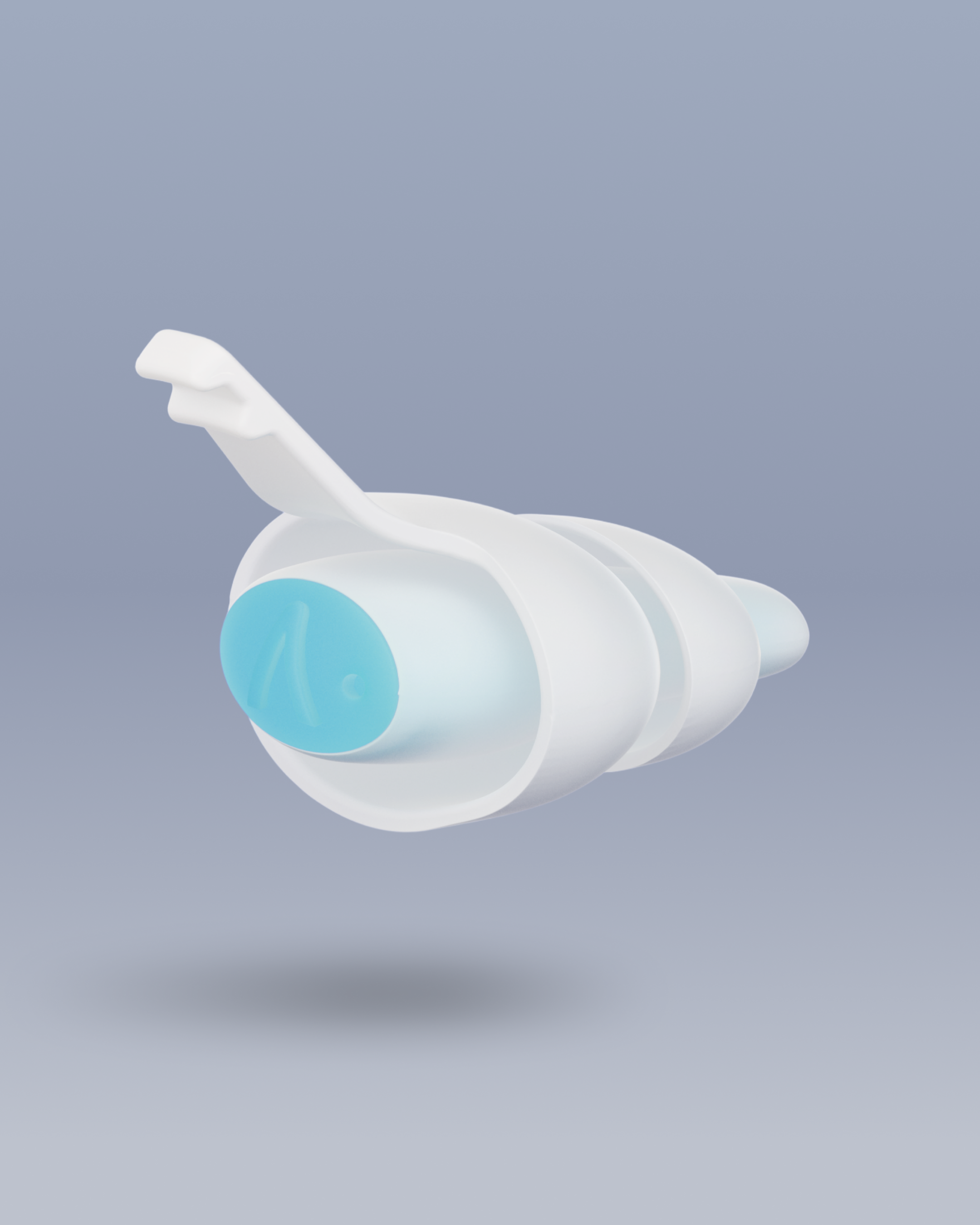
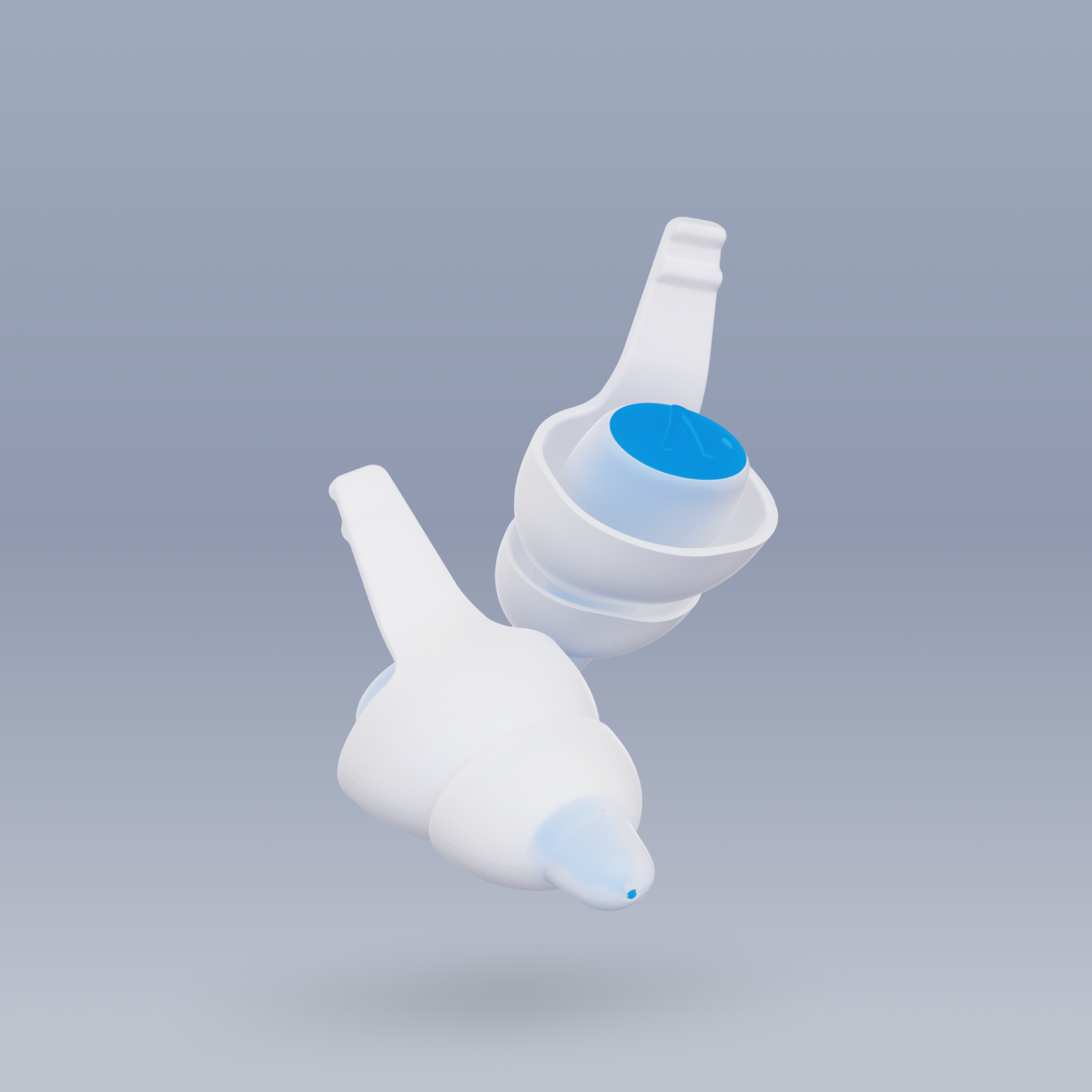
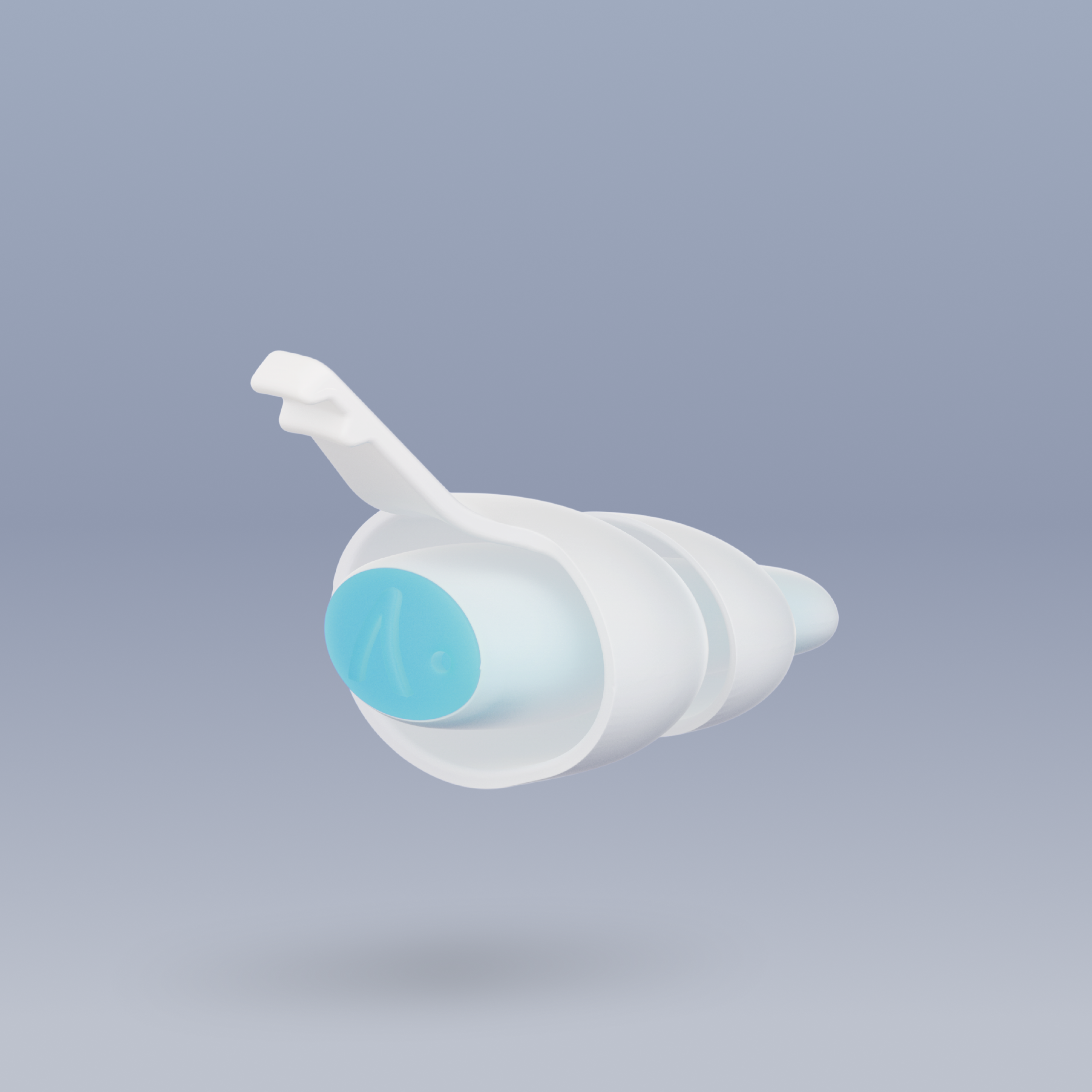
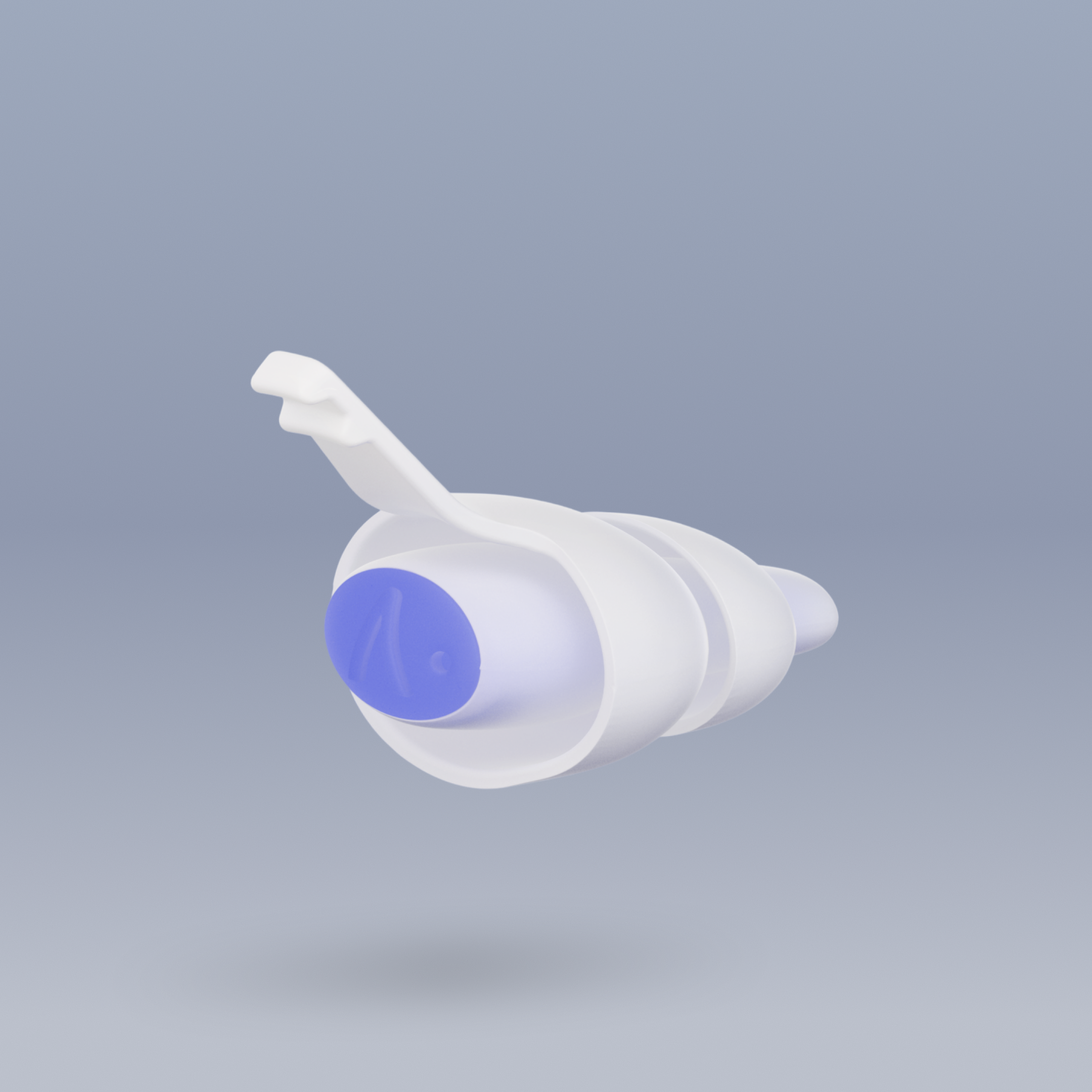
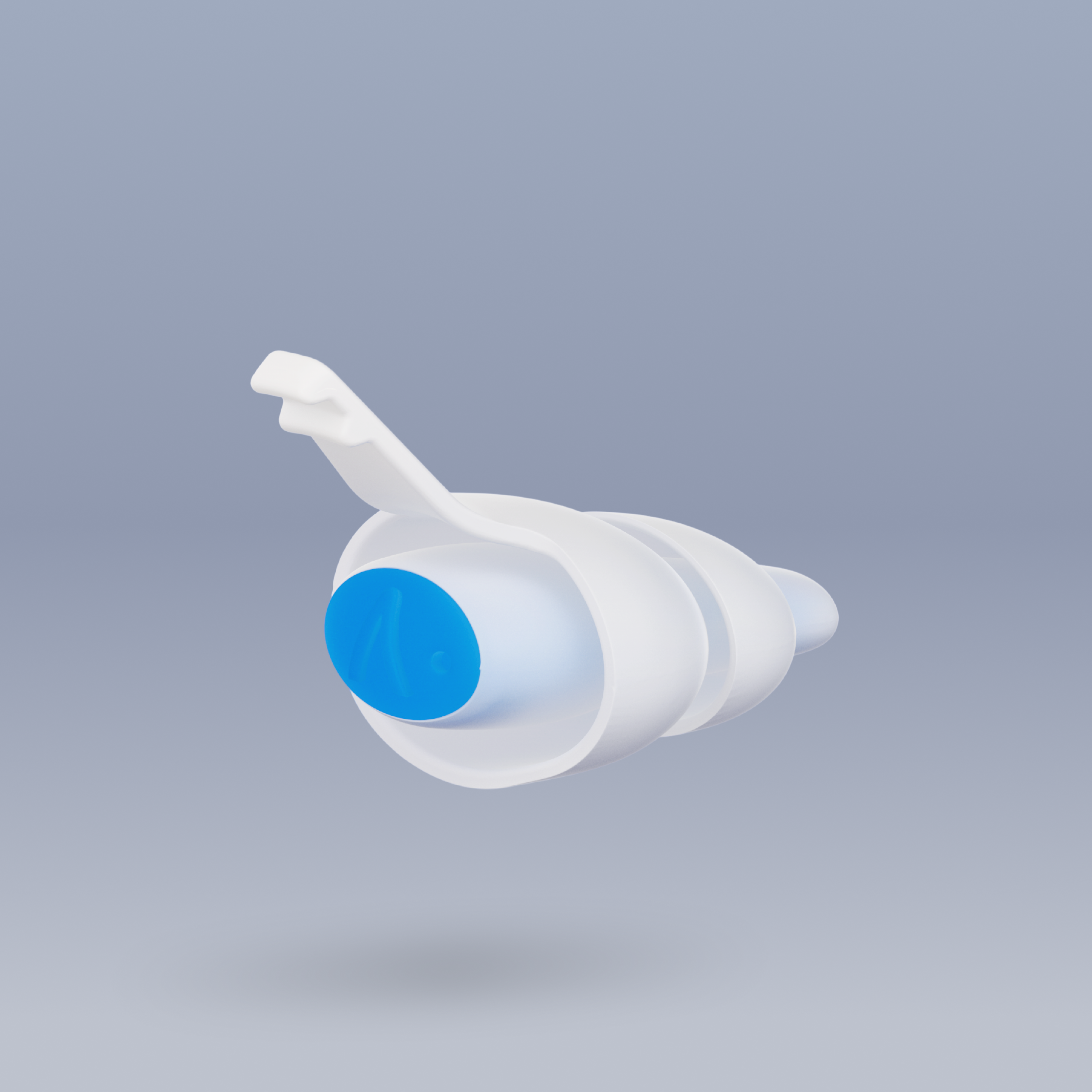
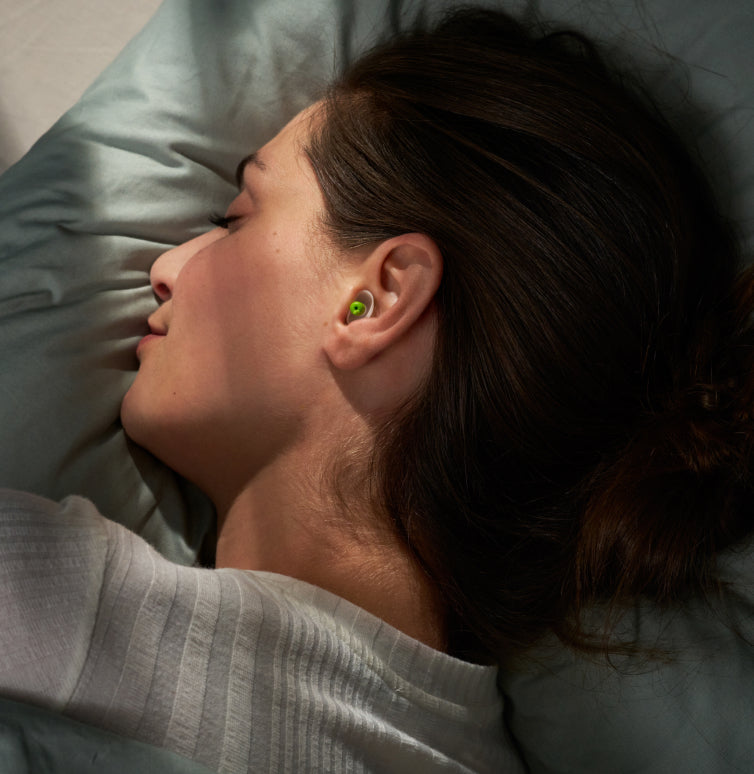
That's where earplugs for sleeping with a snorer come in. Alpine's earplugs for sleep collection offers different levels of noise reduction for different situations: reusable, comfortable earplugs that reduce night-time noise, without the mess of foam or the bulk of ear covers for sleeping.
Which one fits your situation?
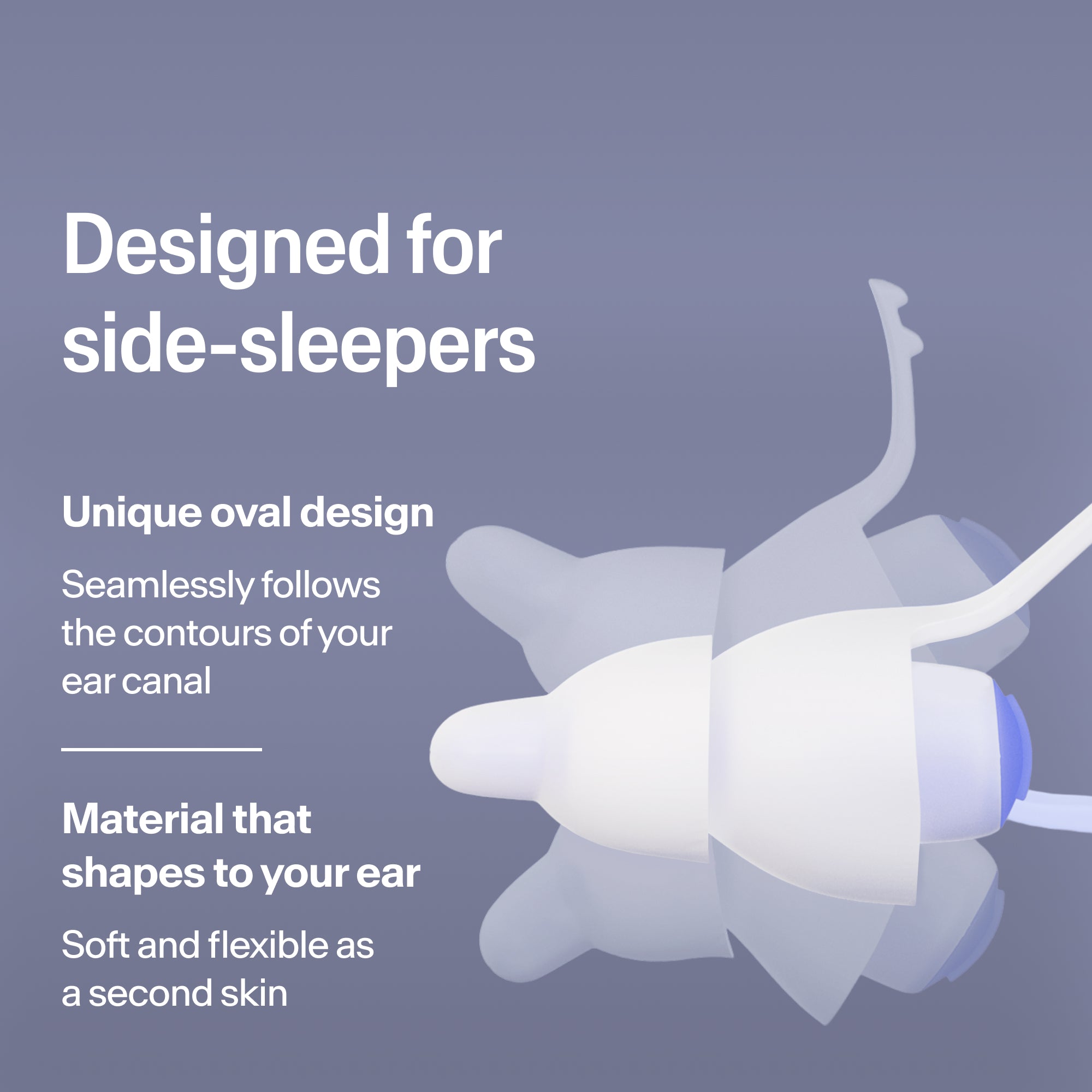
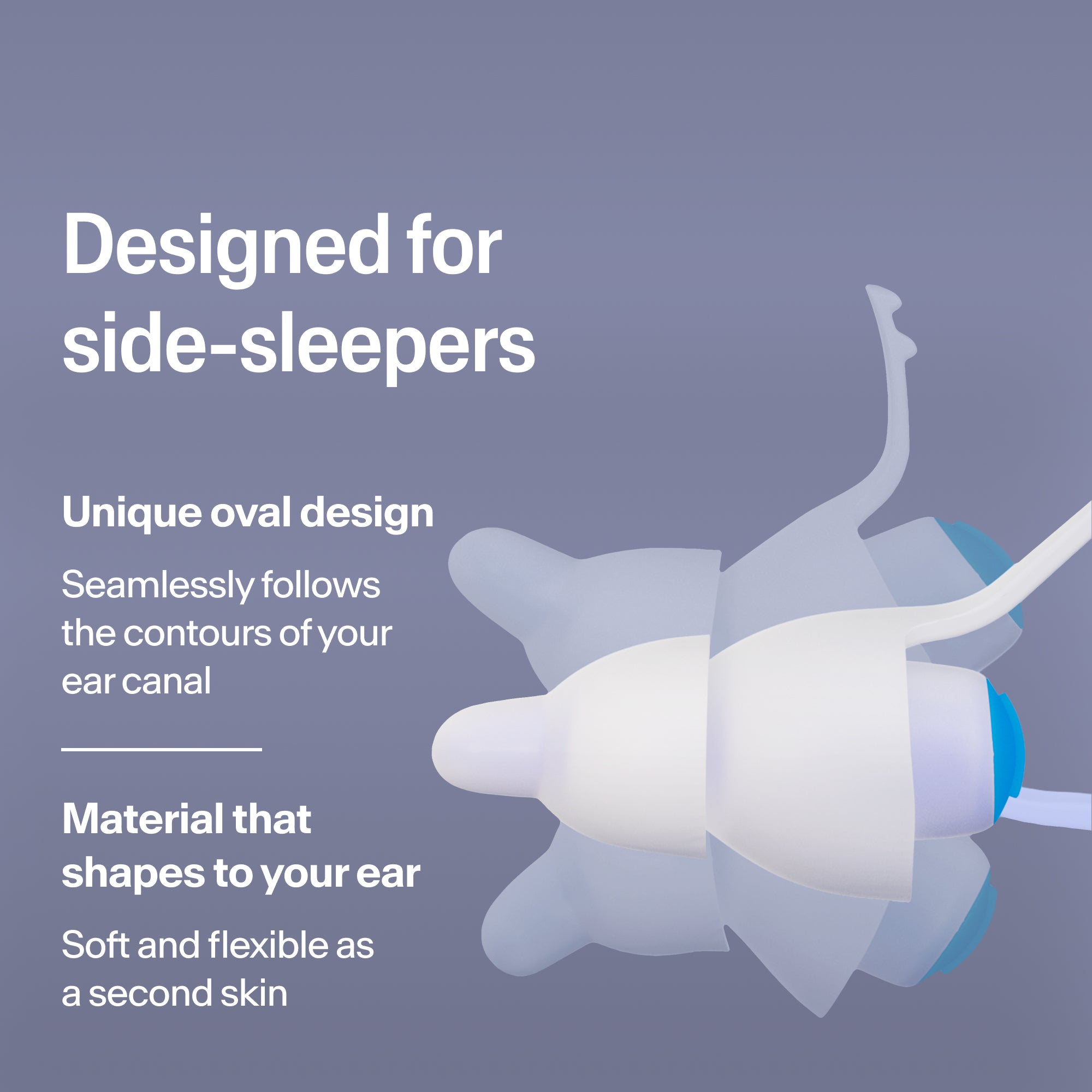
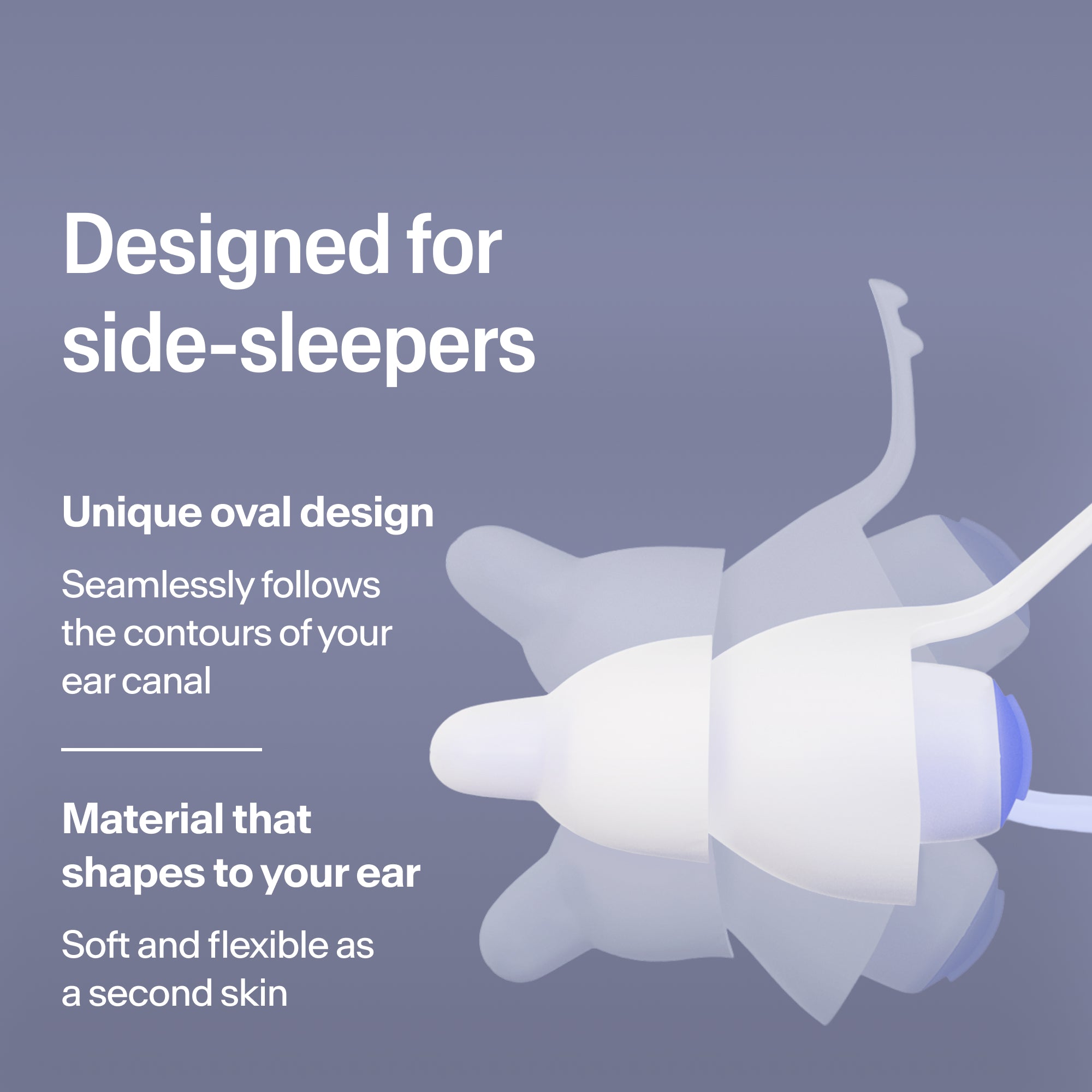
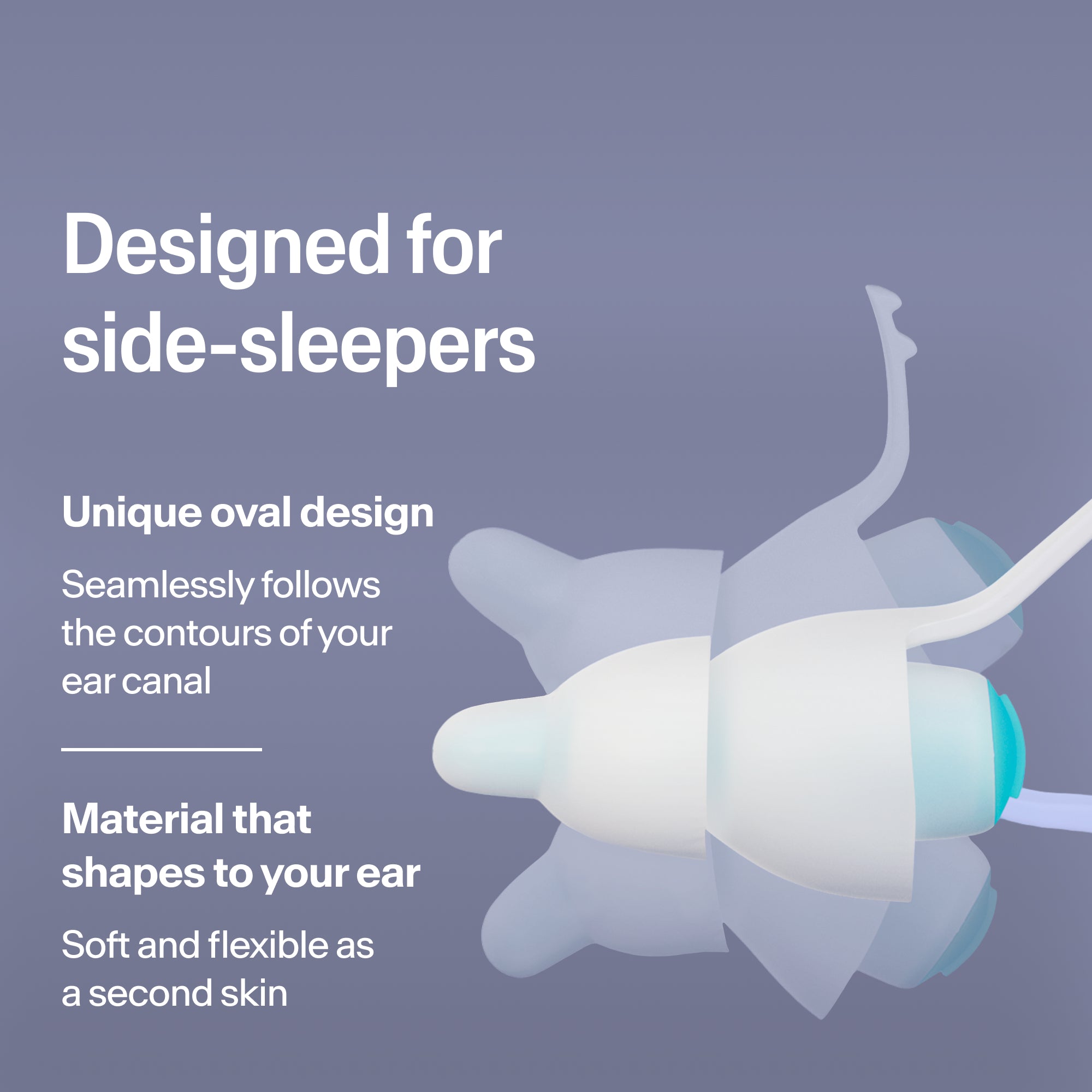
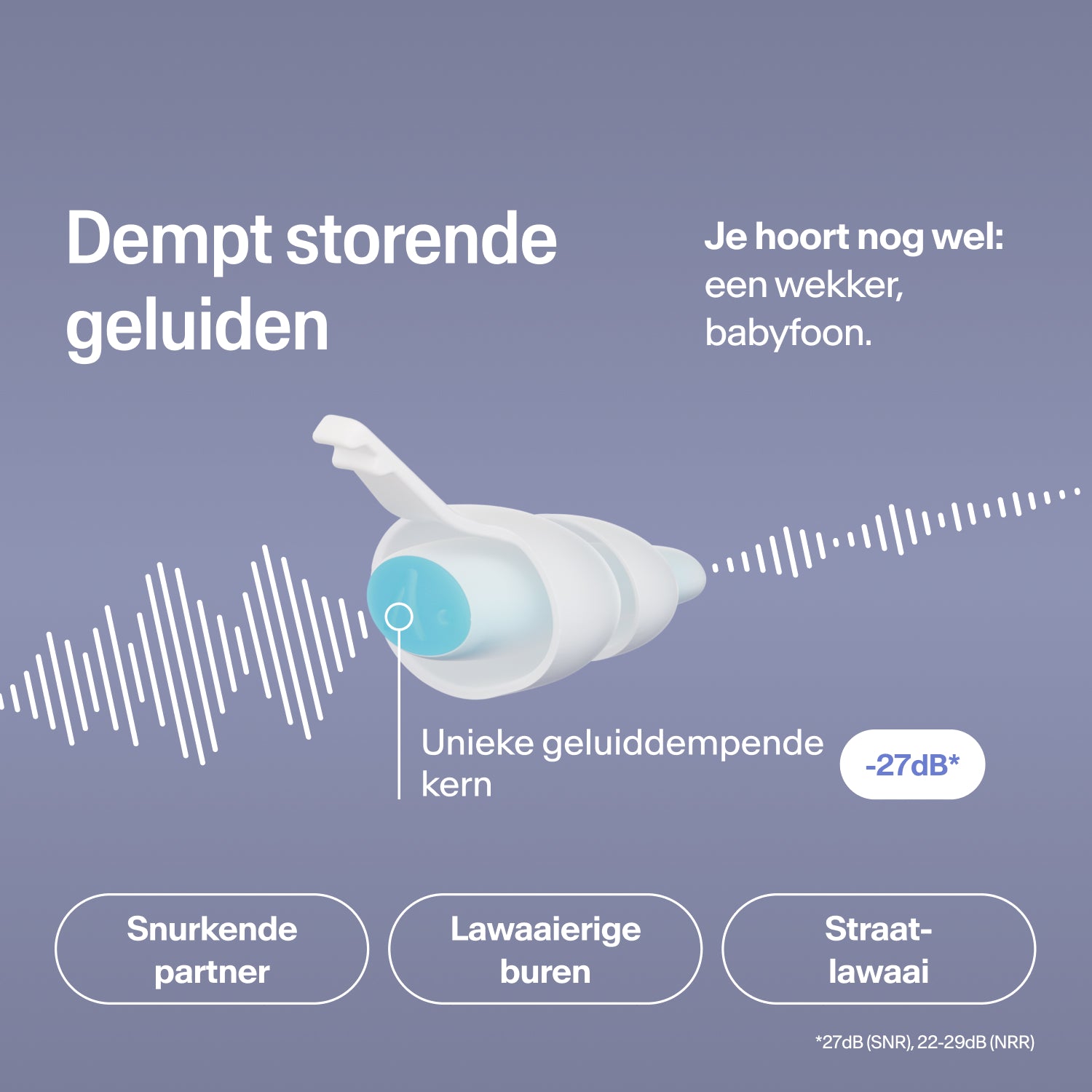
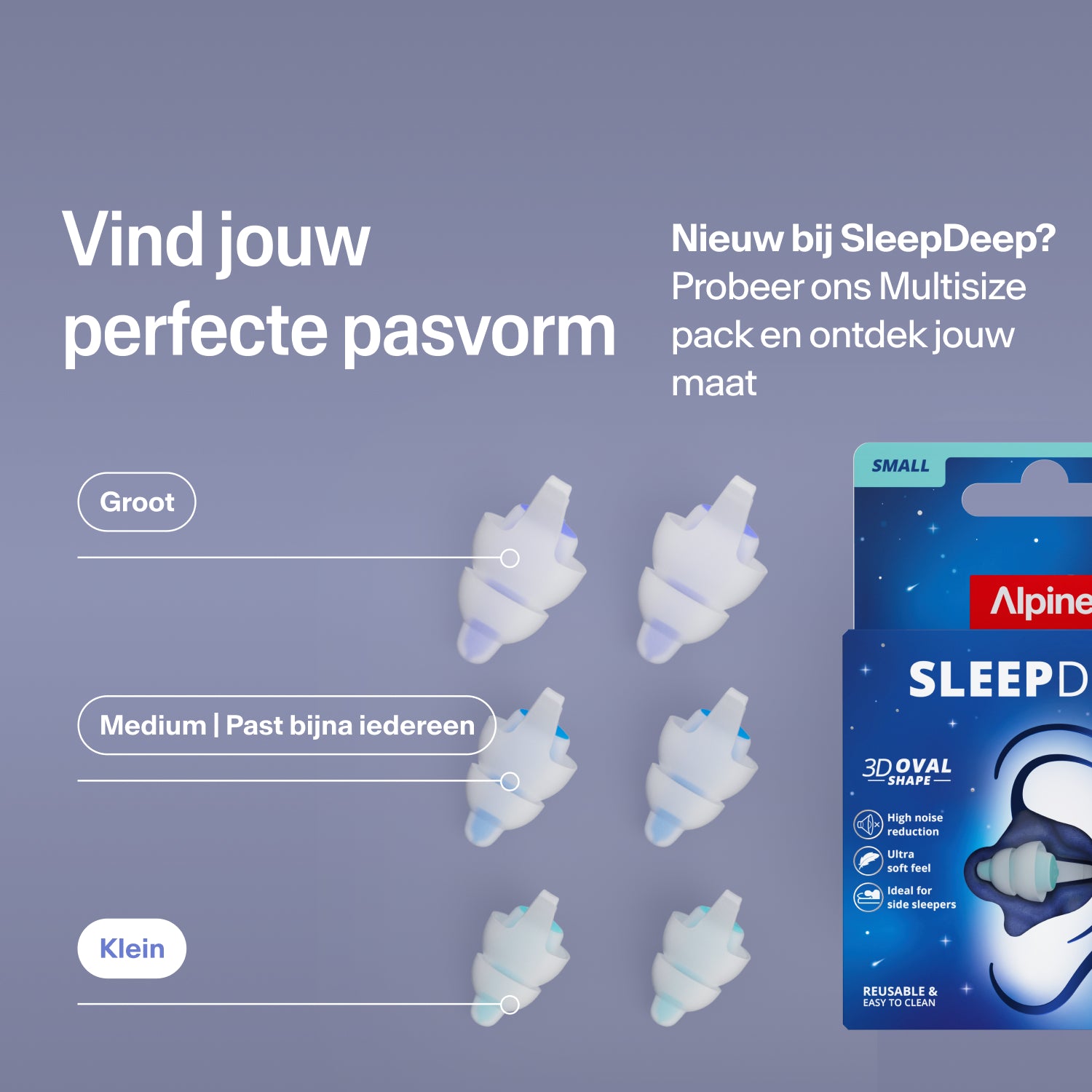
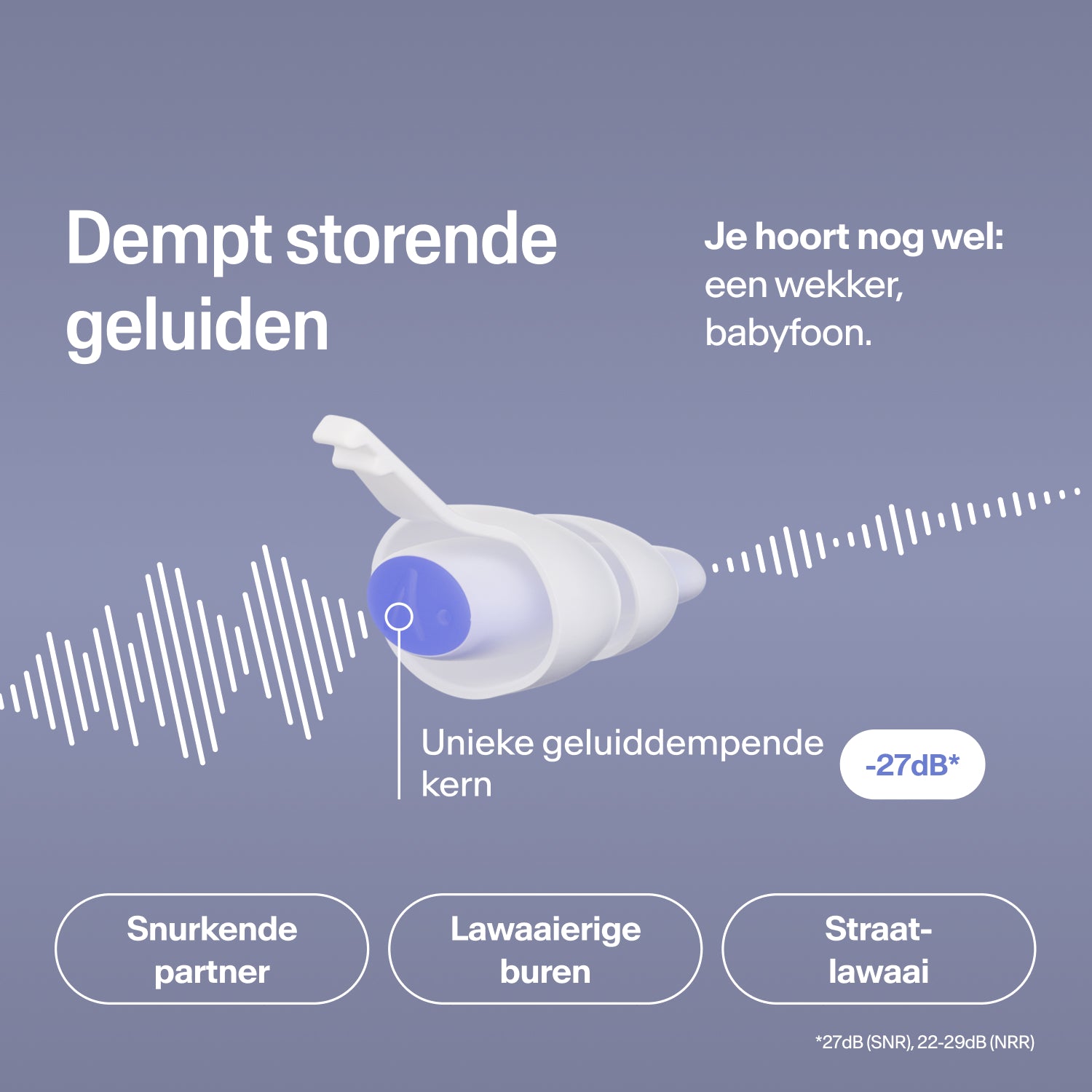
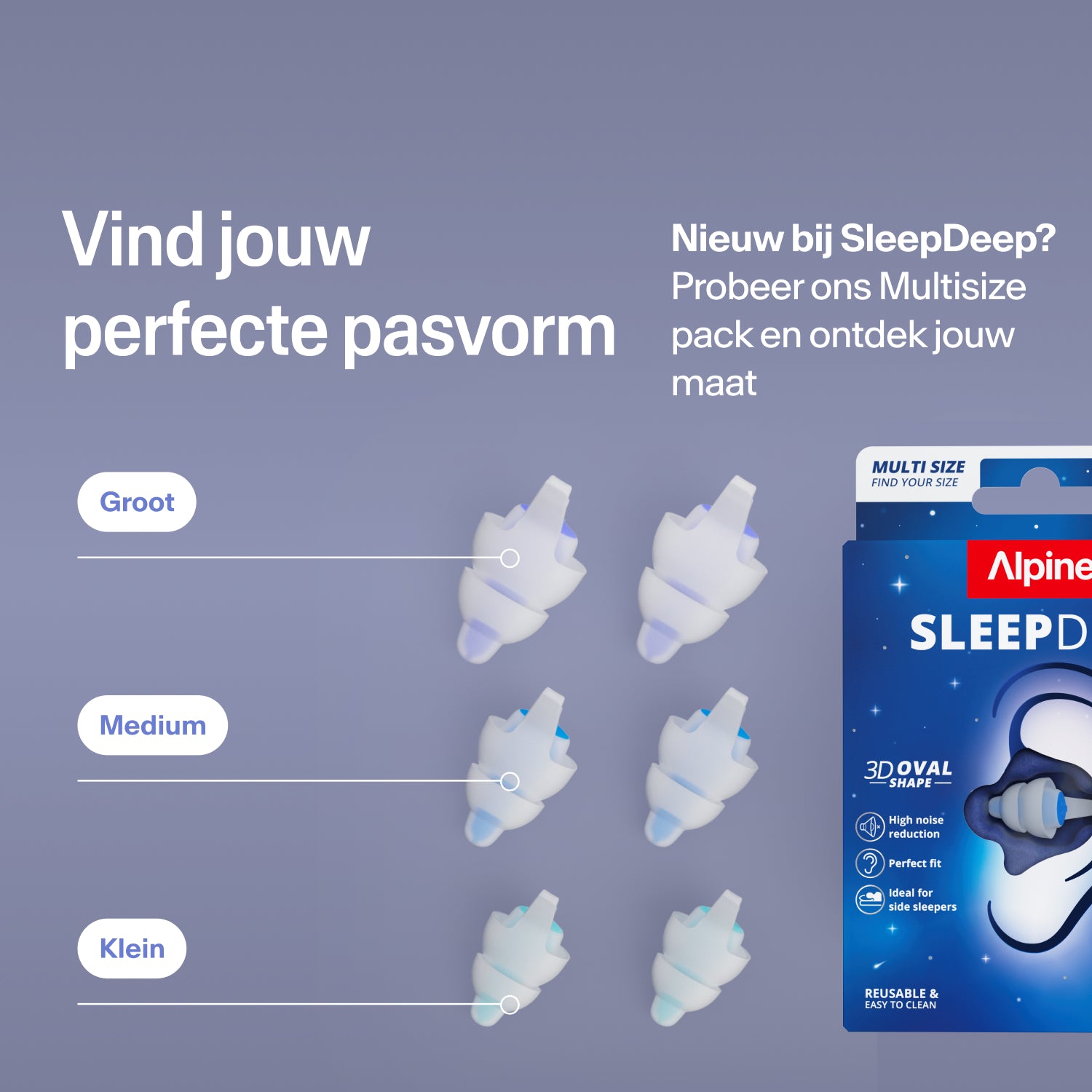
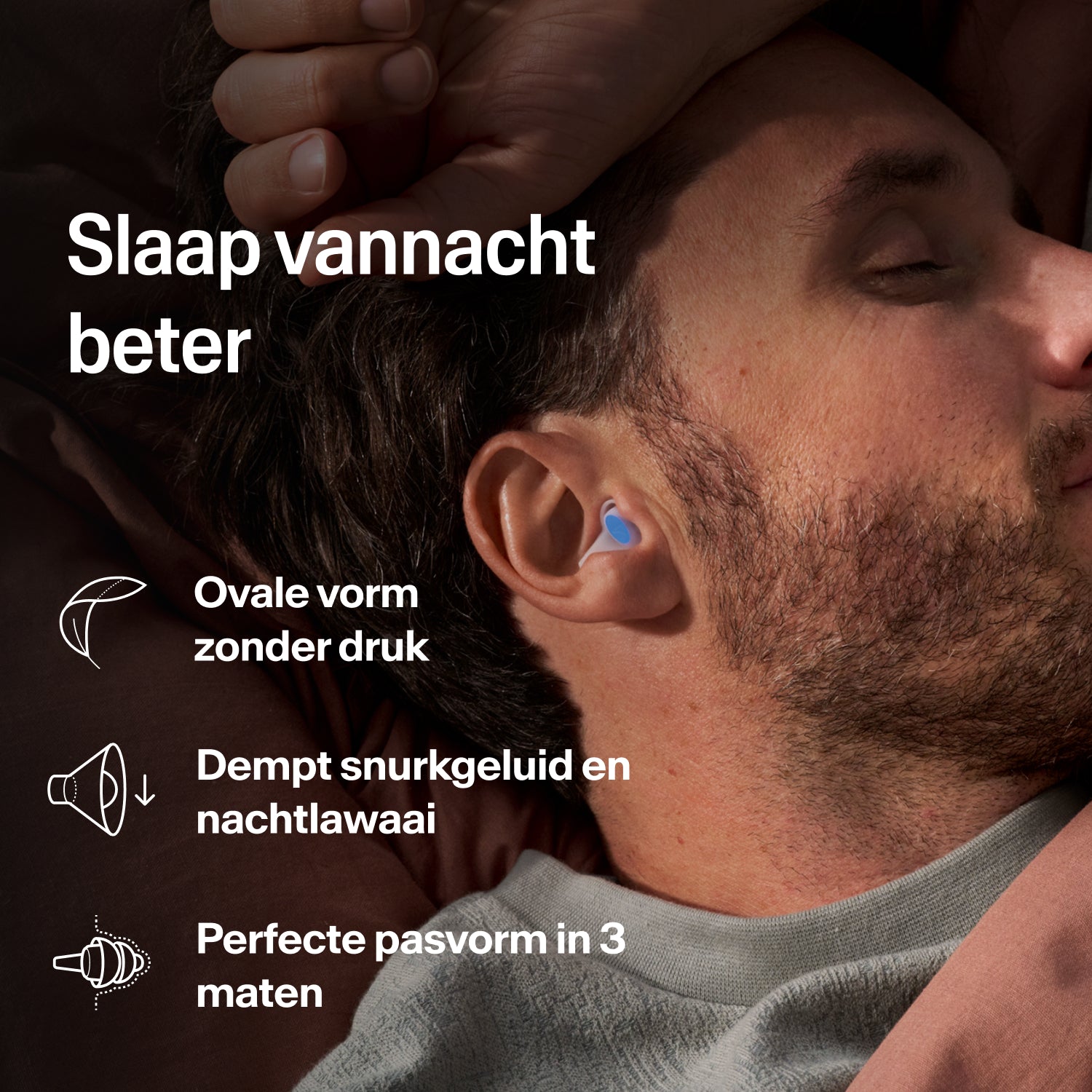
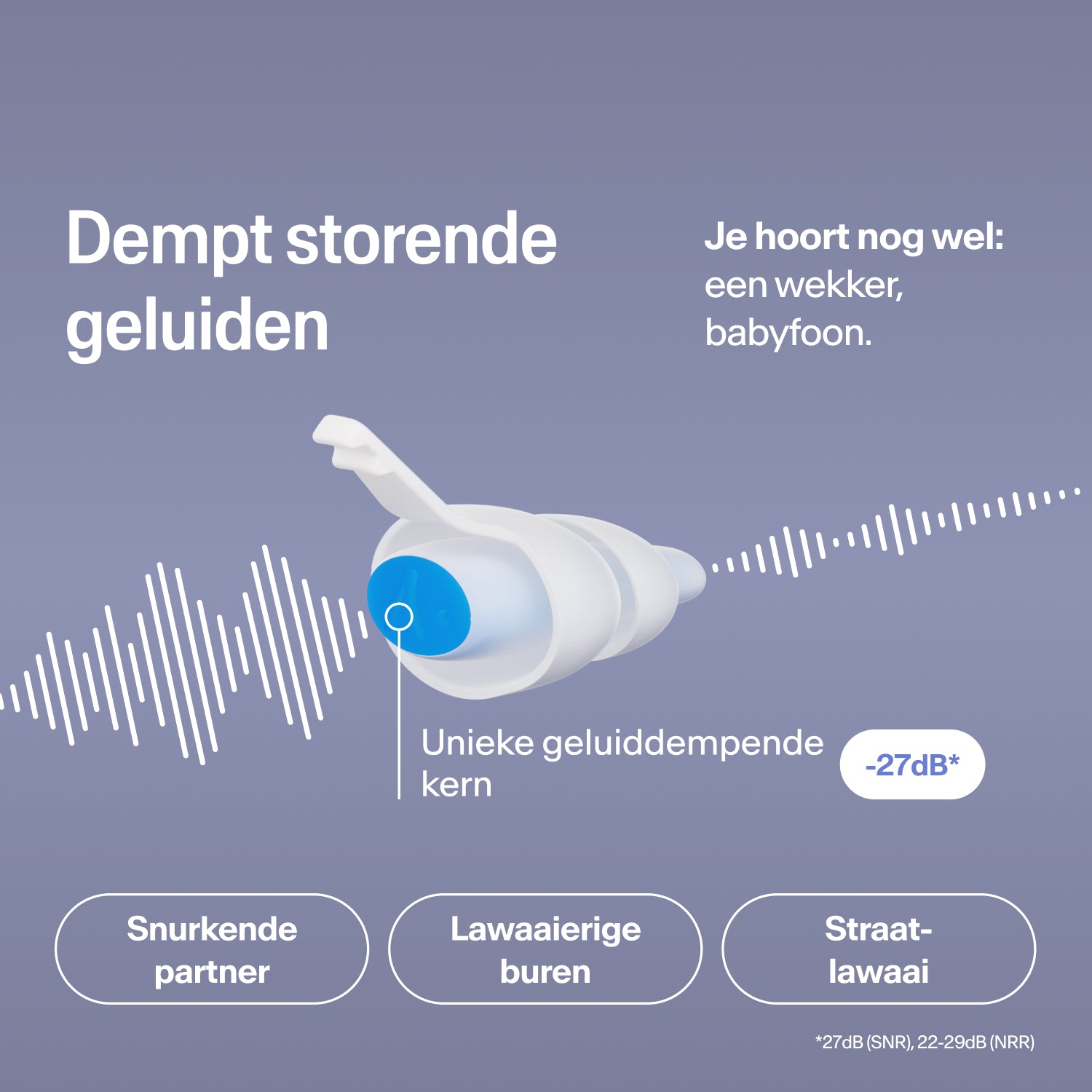
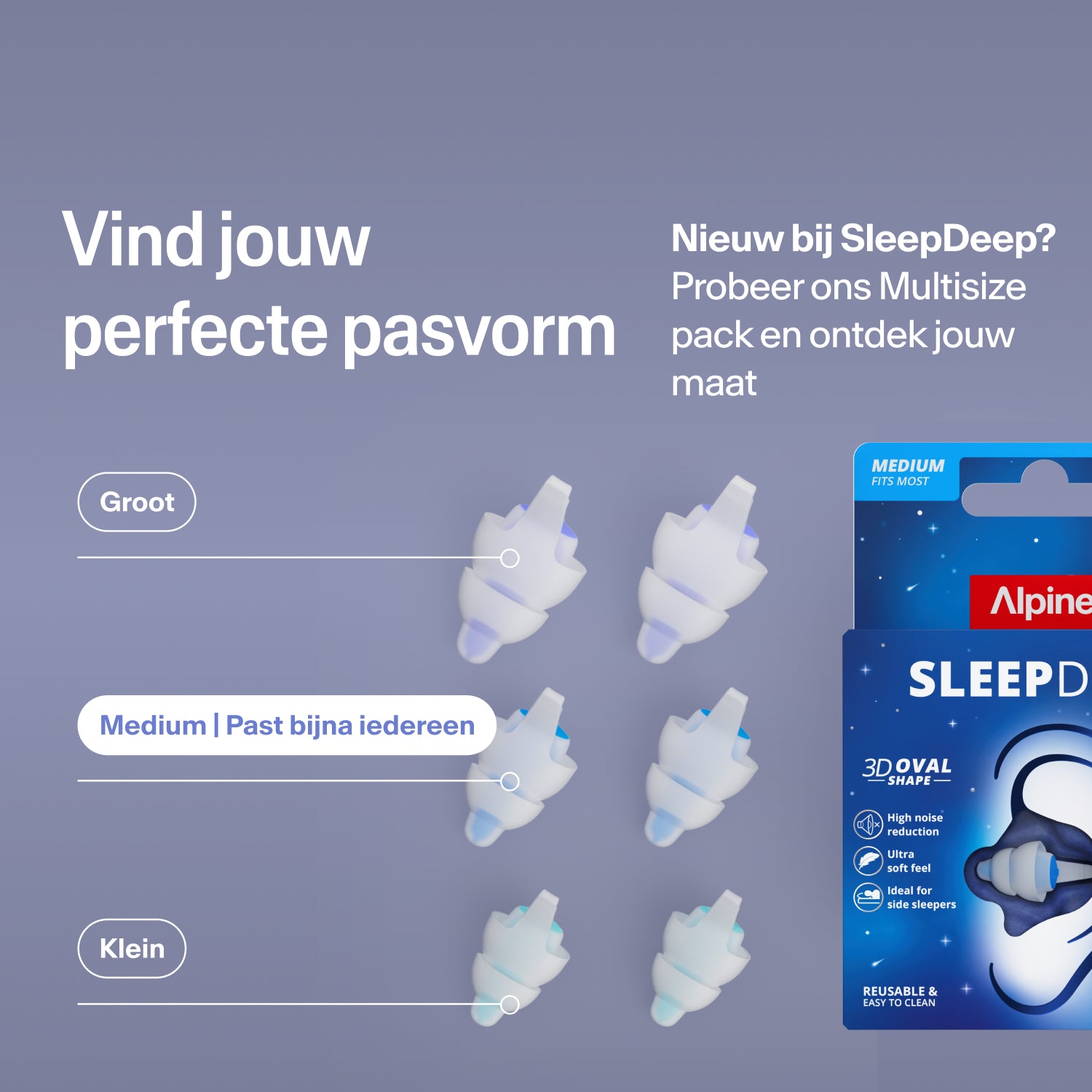
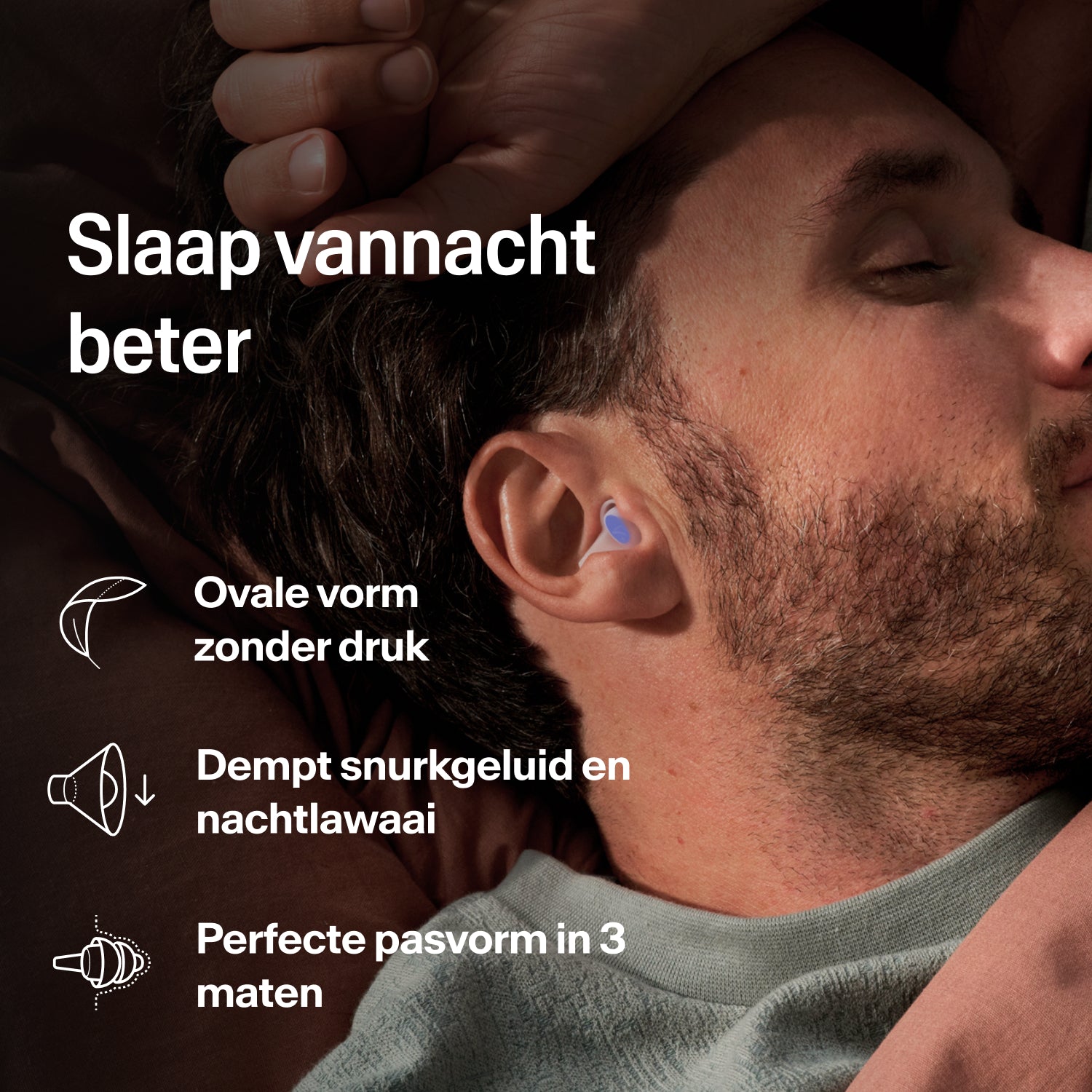
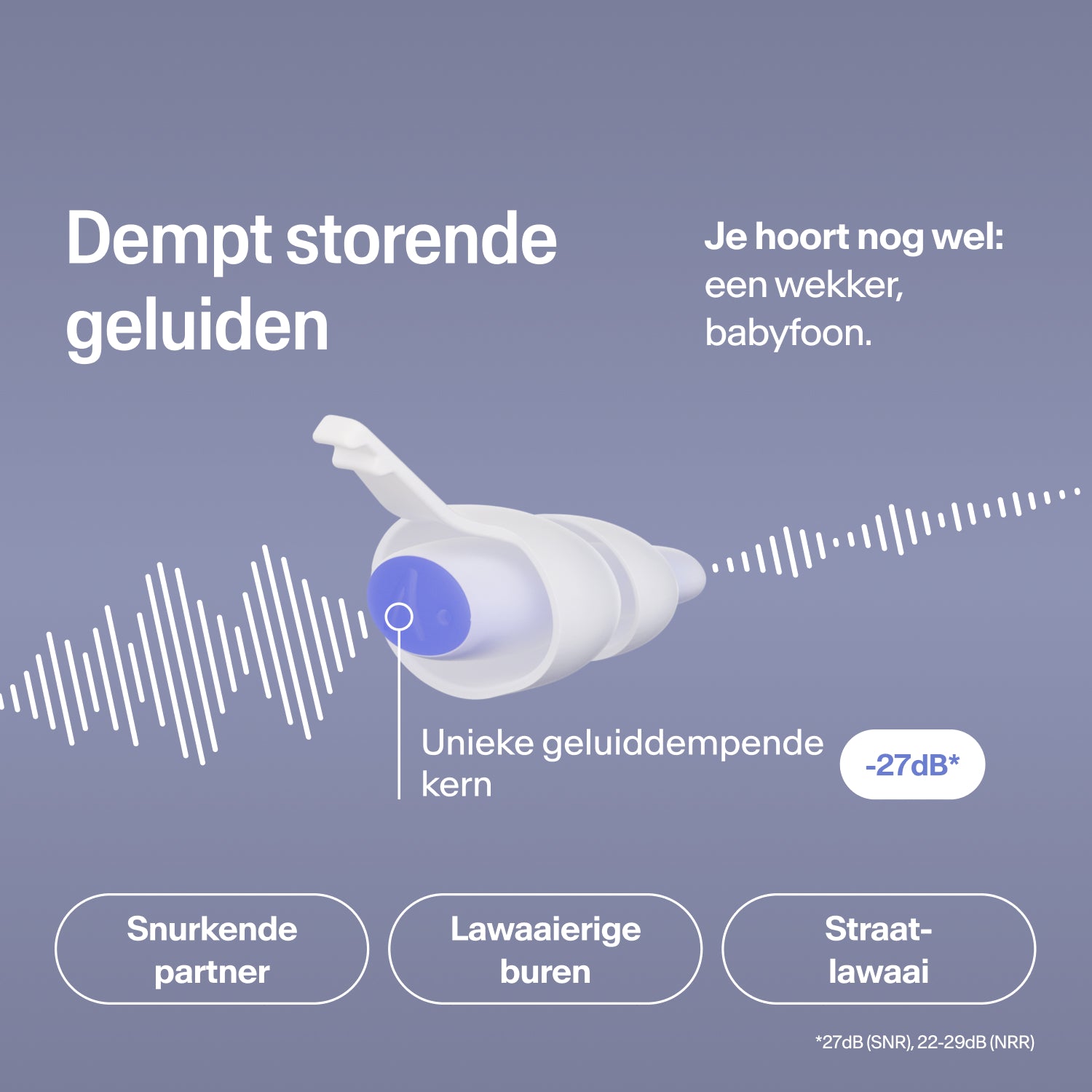
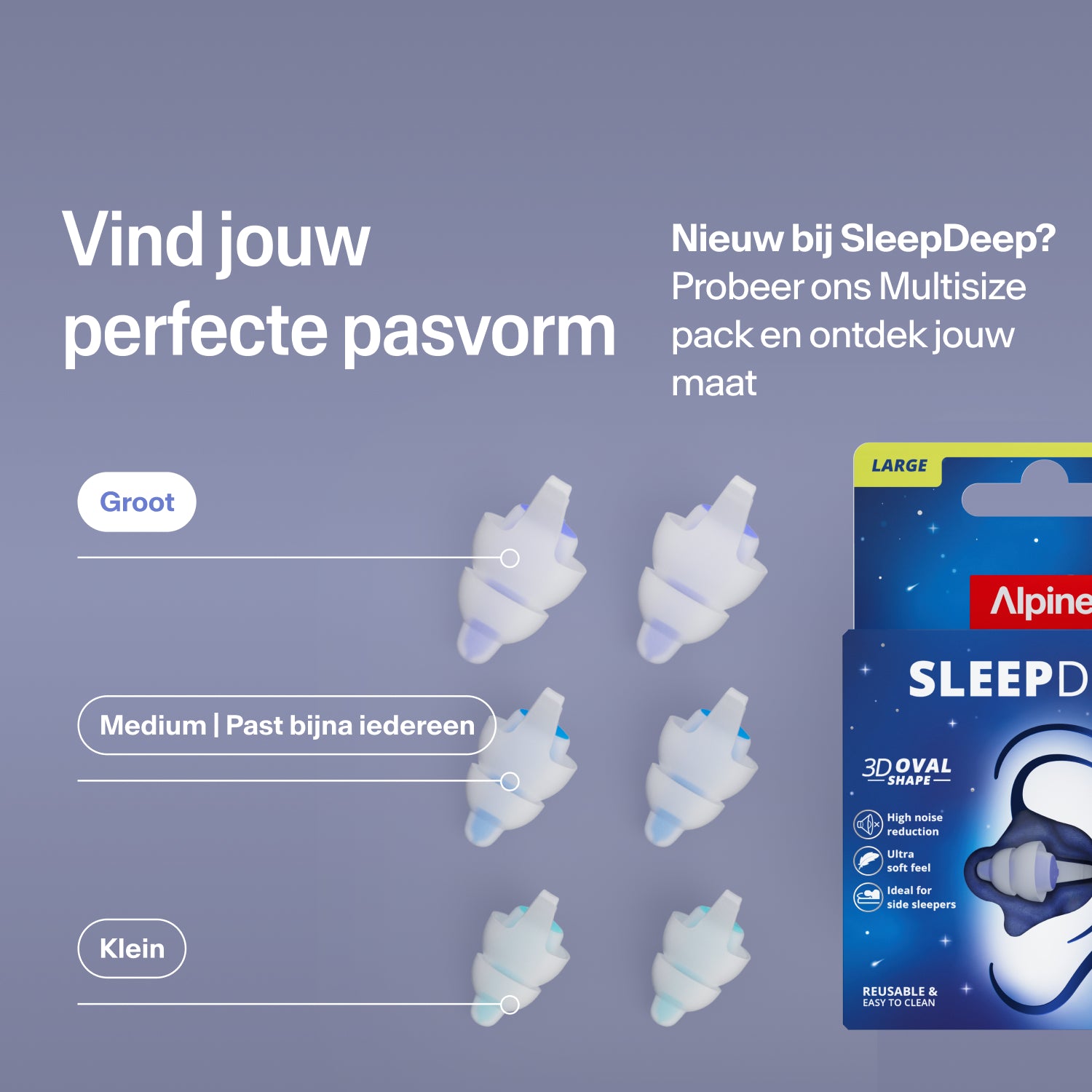
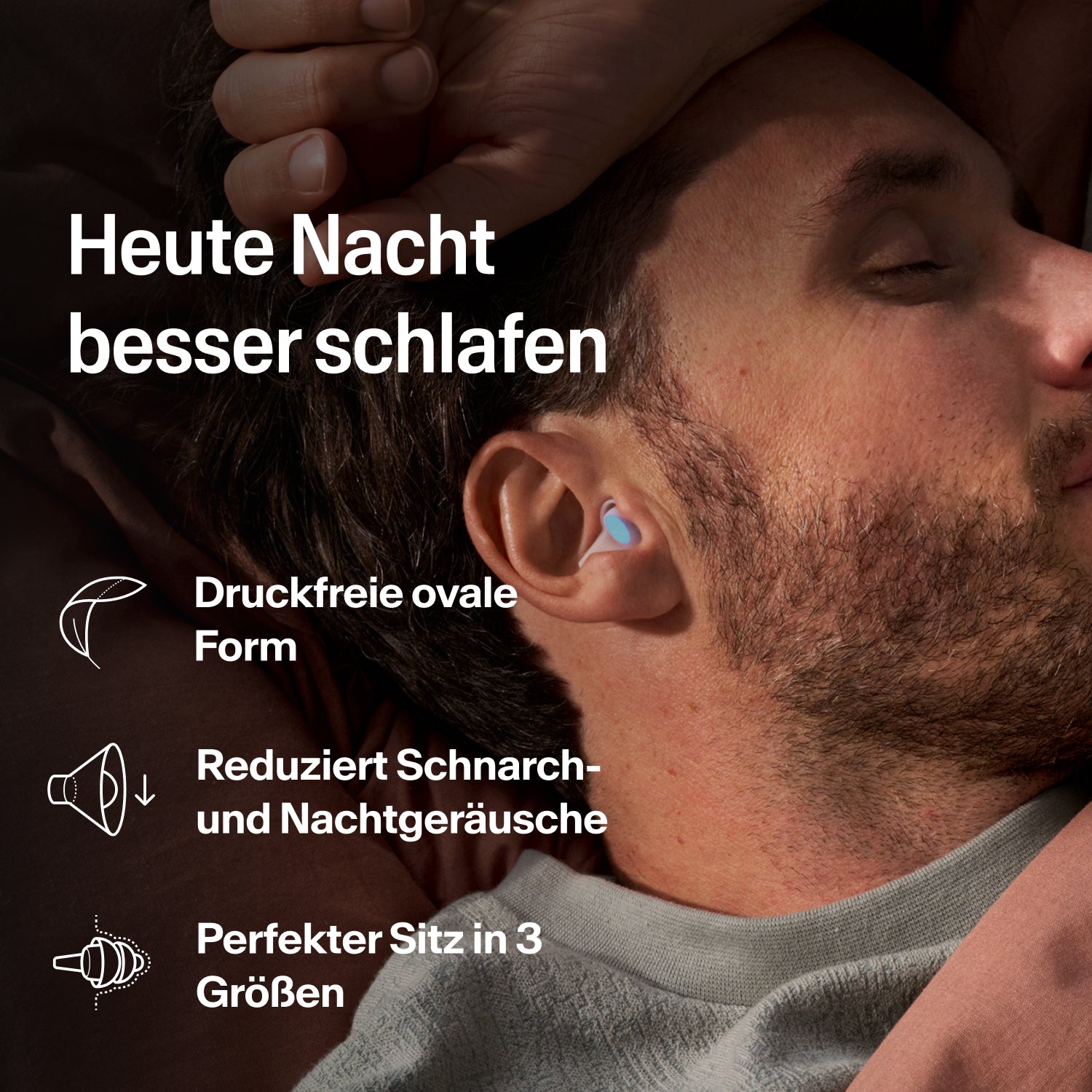
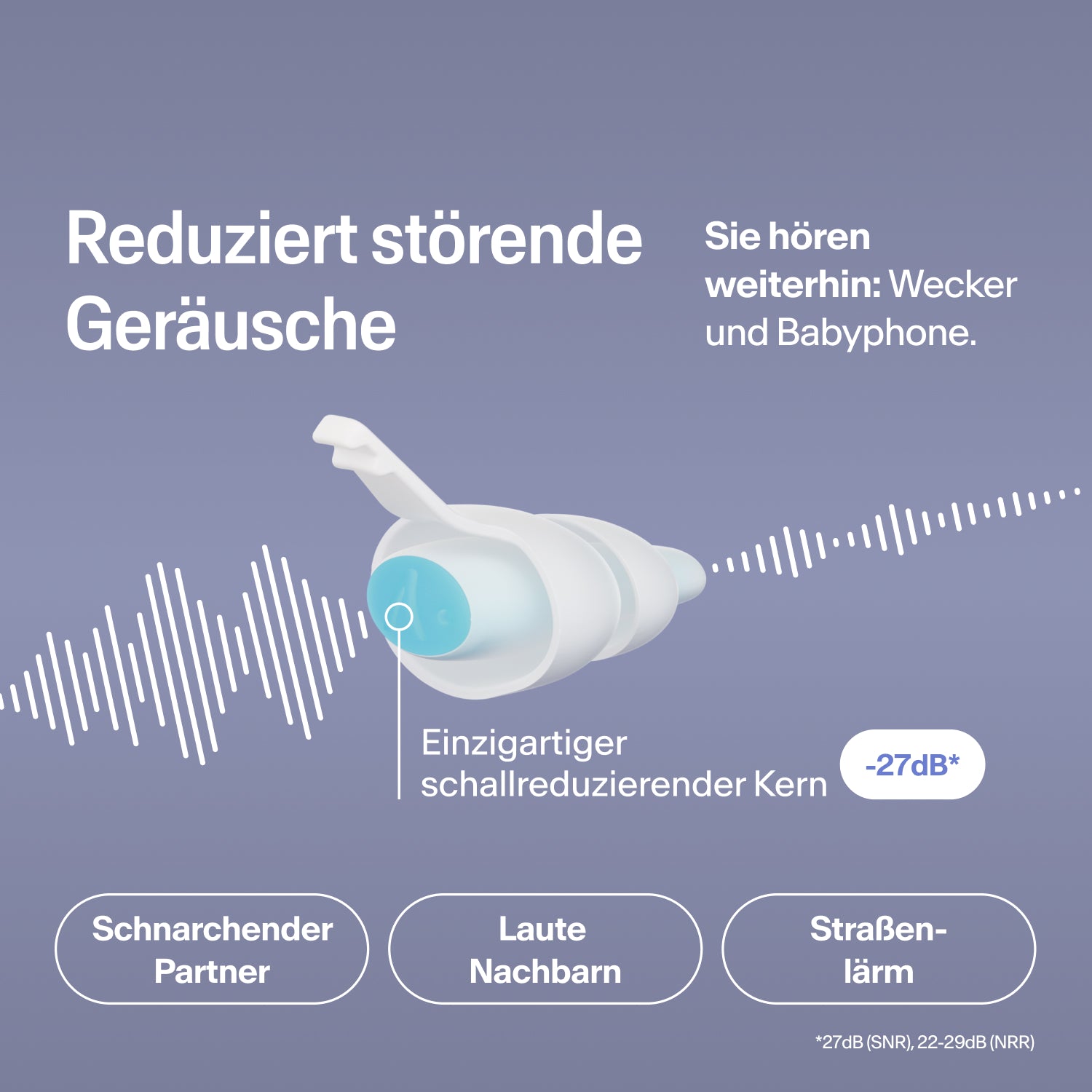
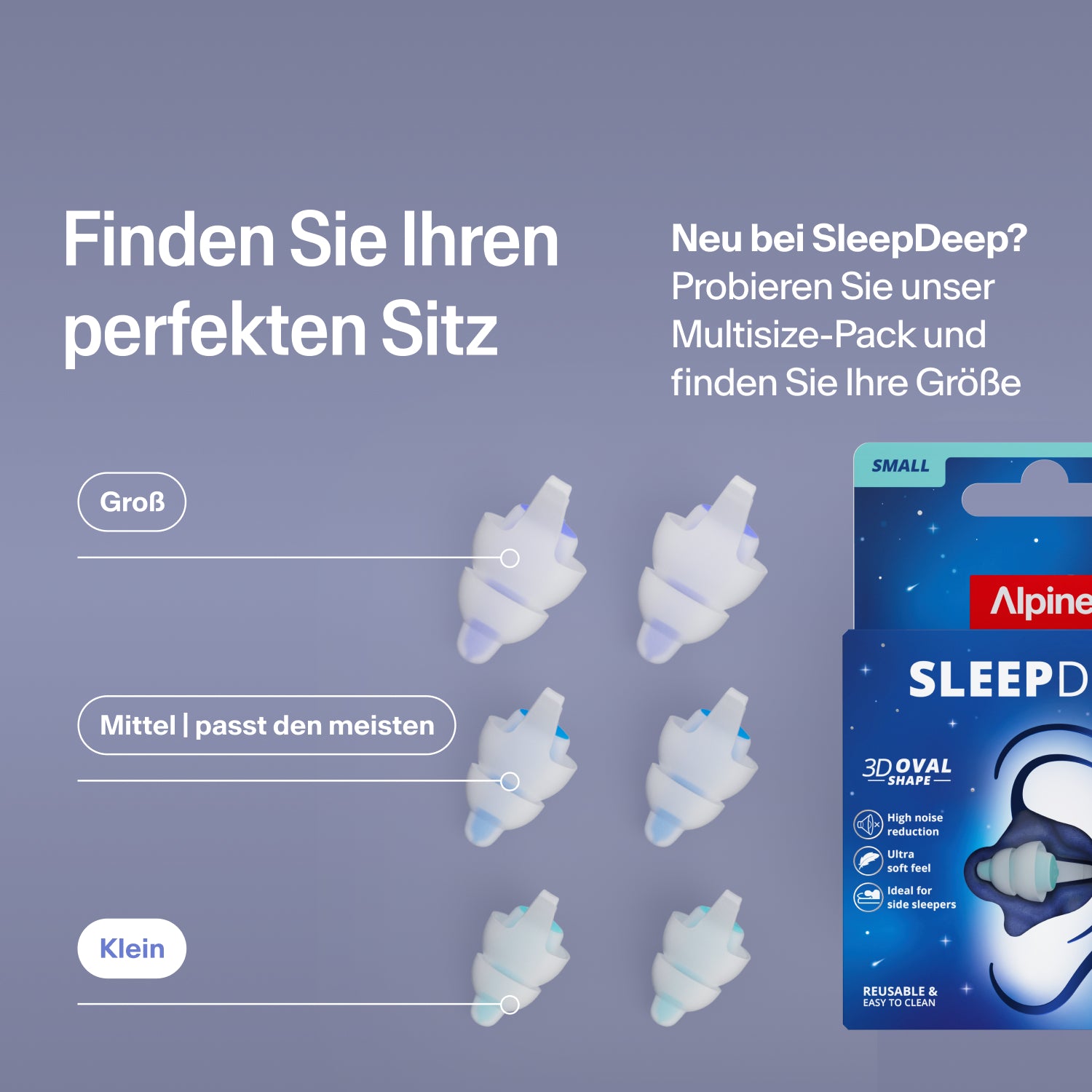
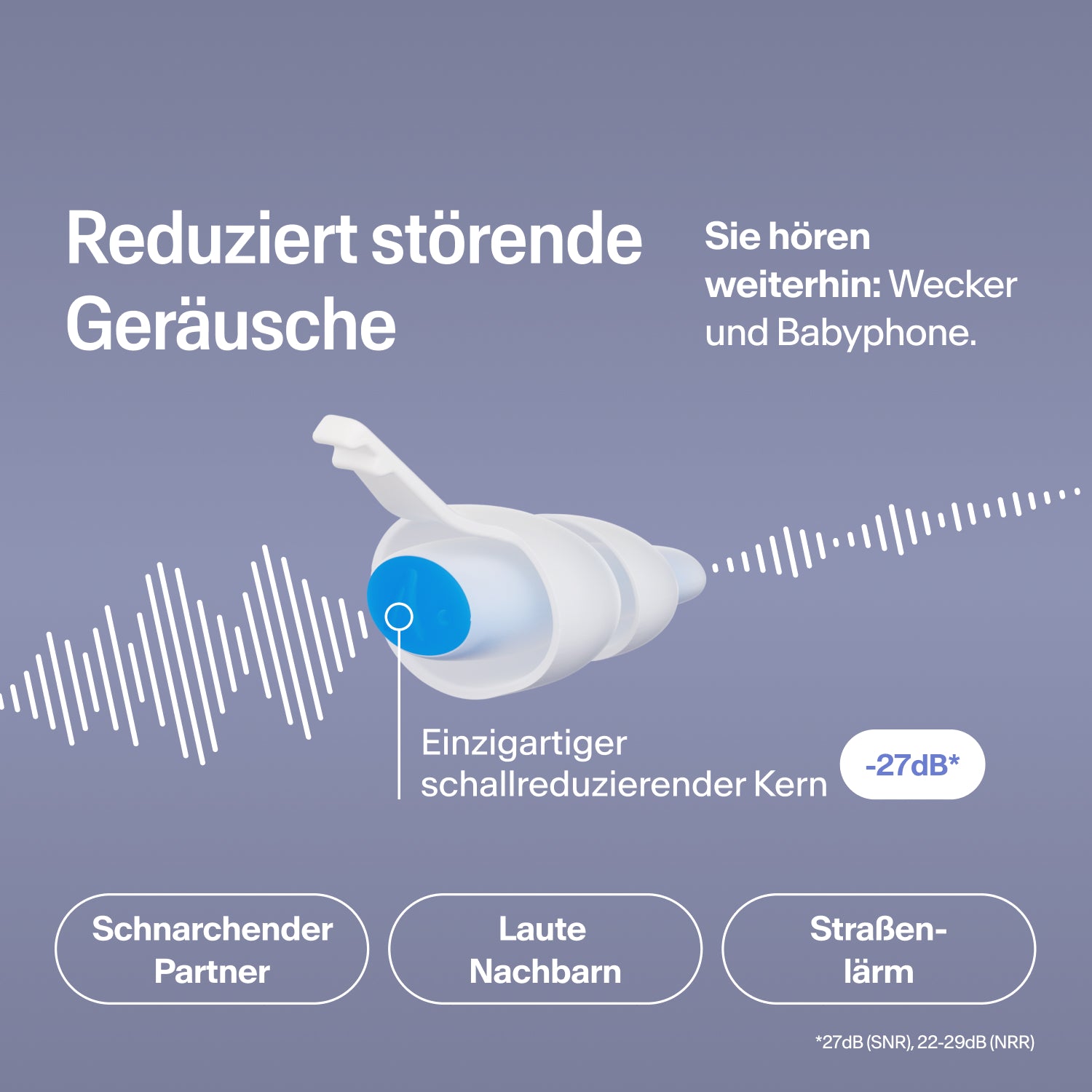
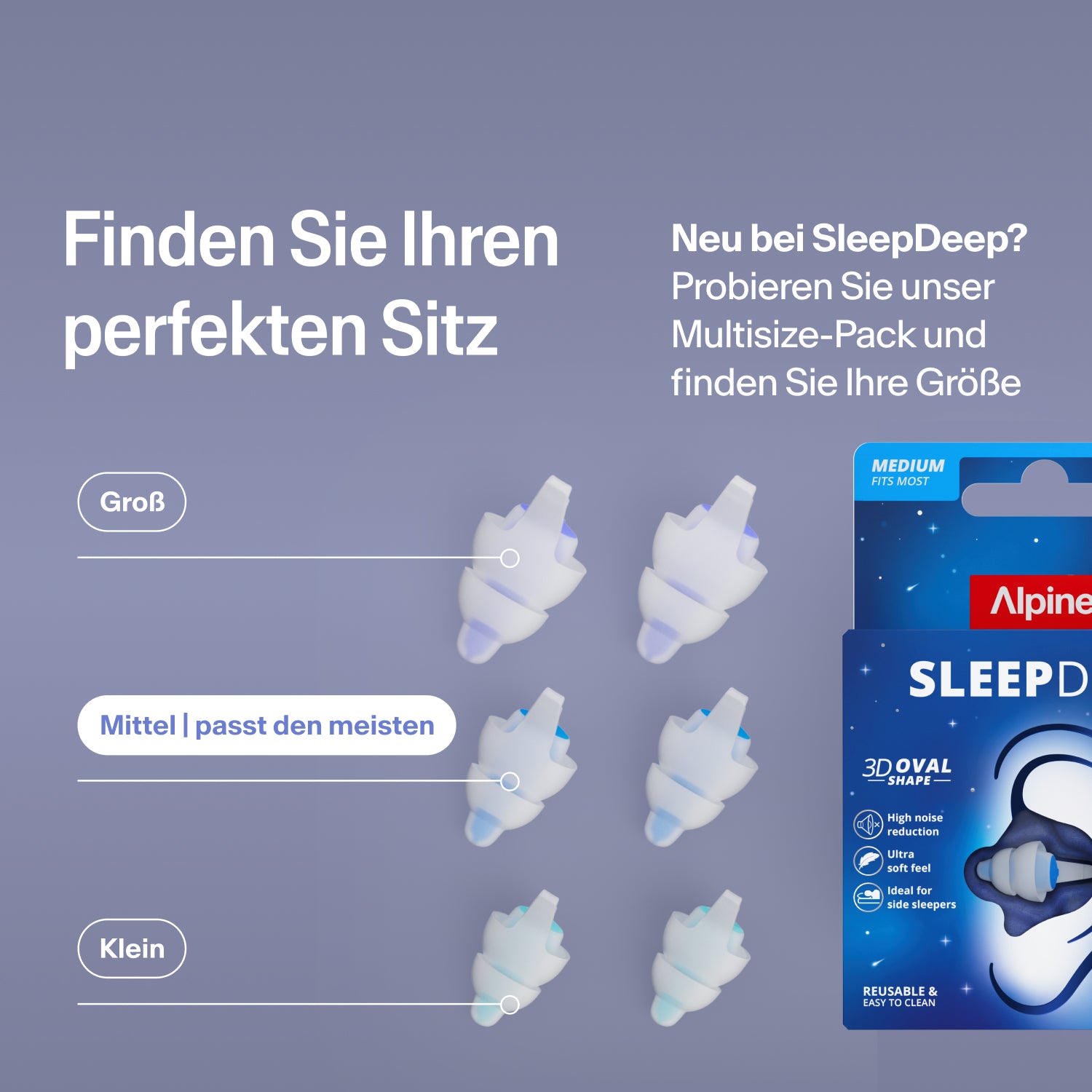
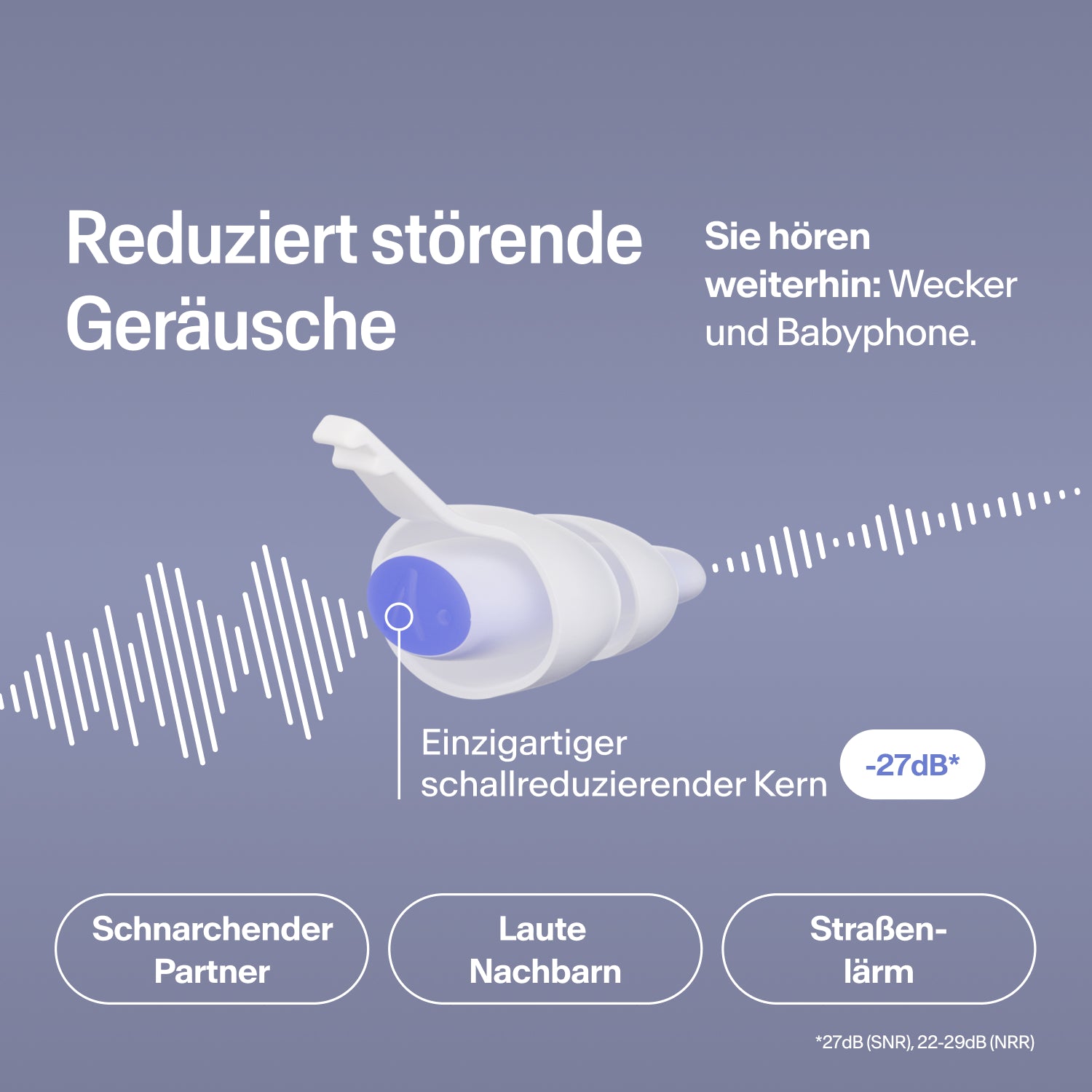
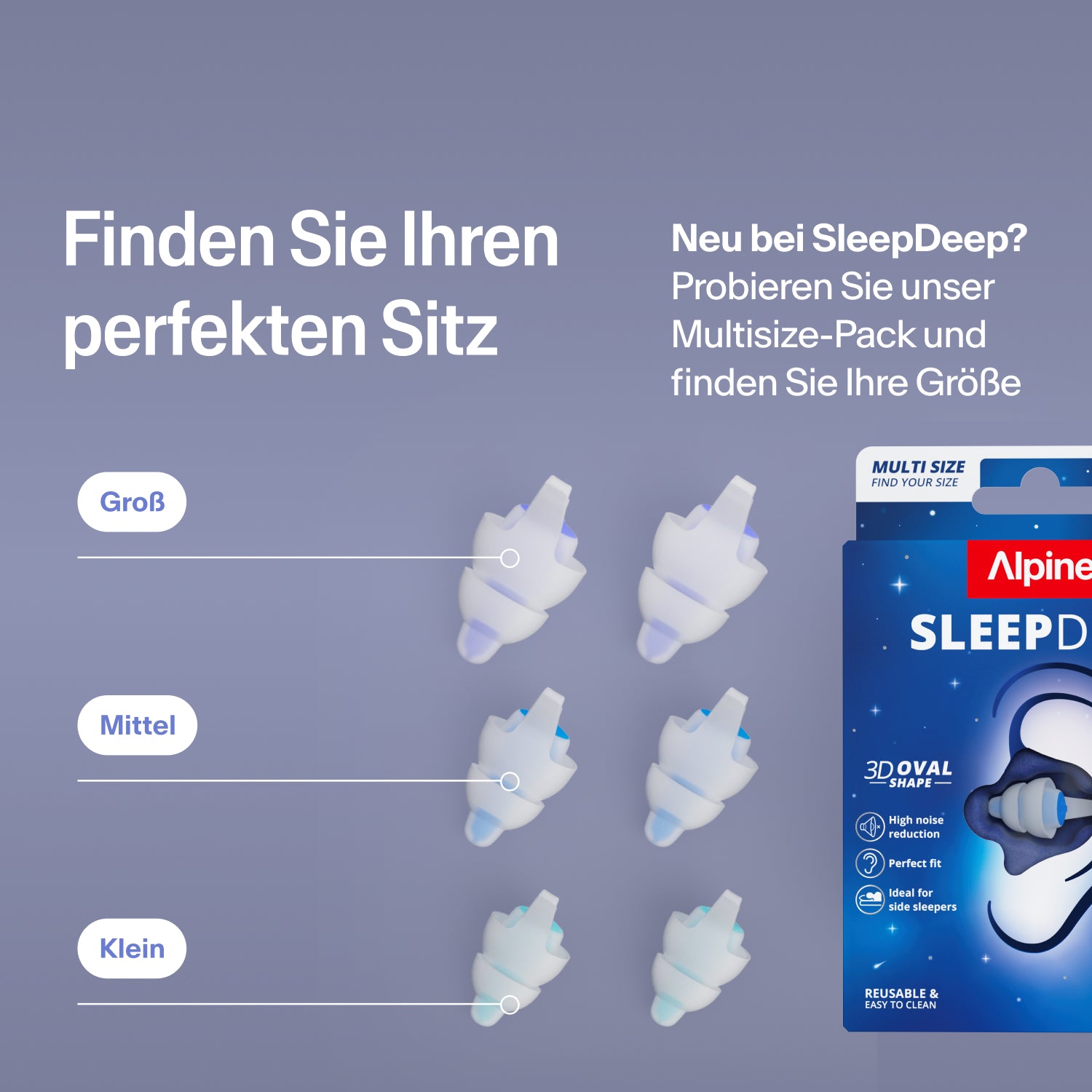
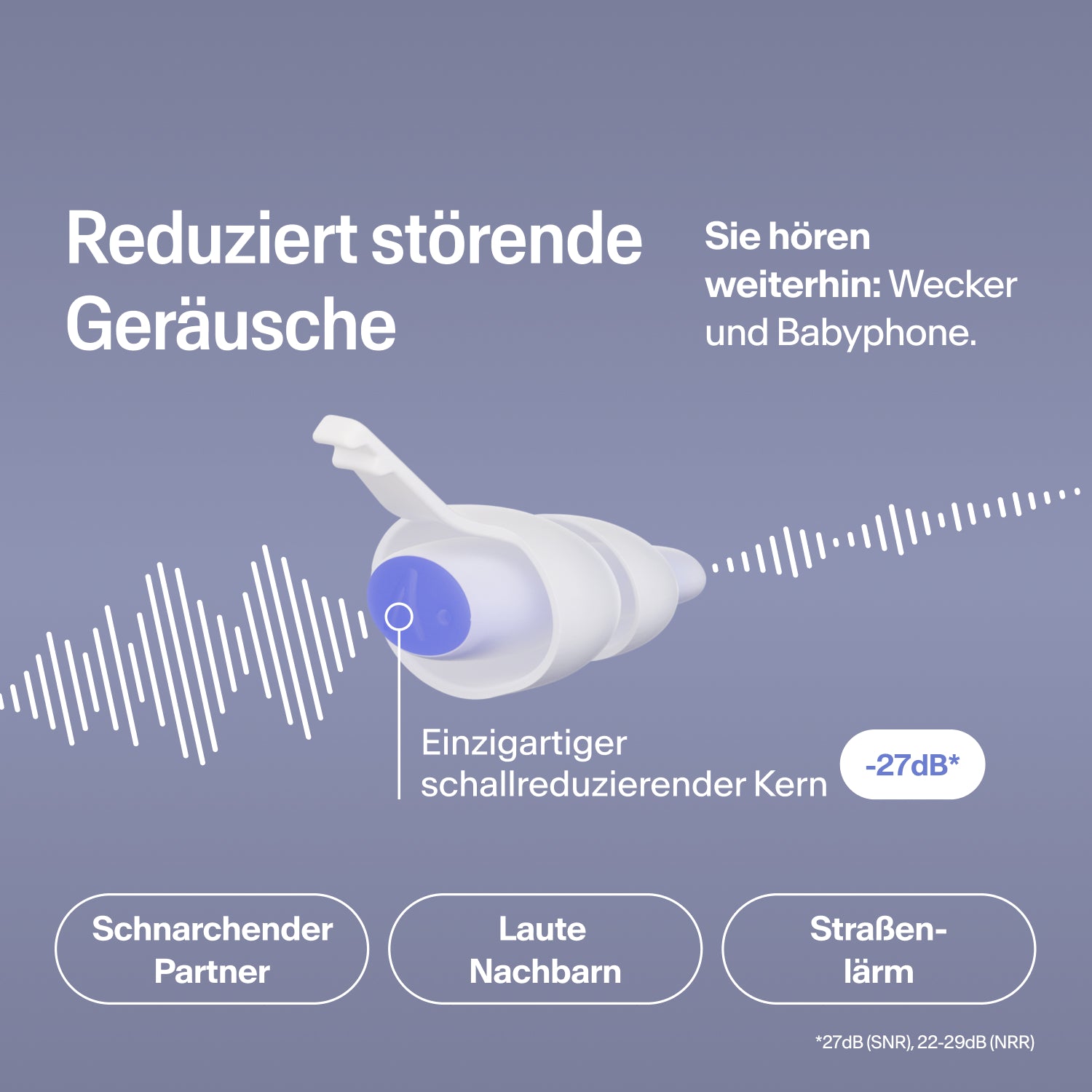
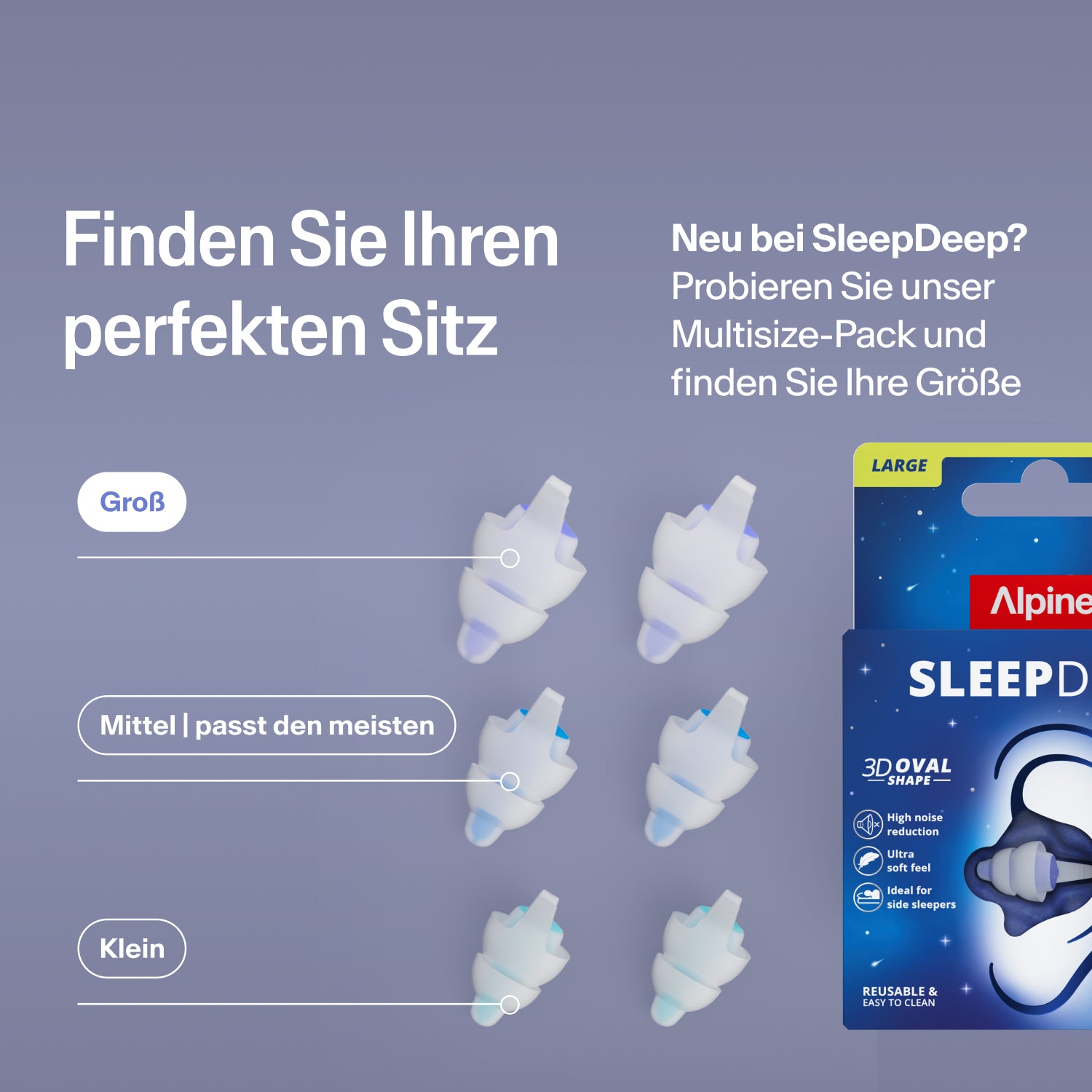
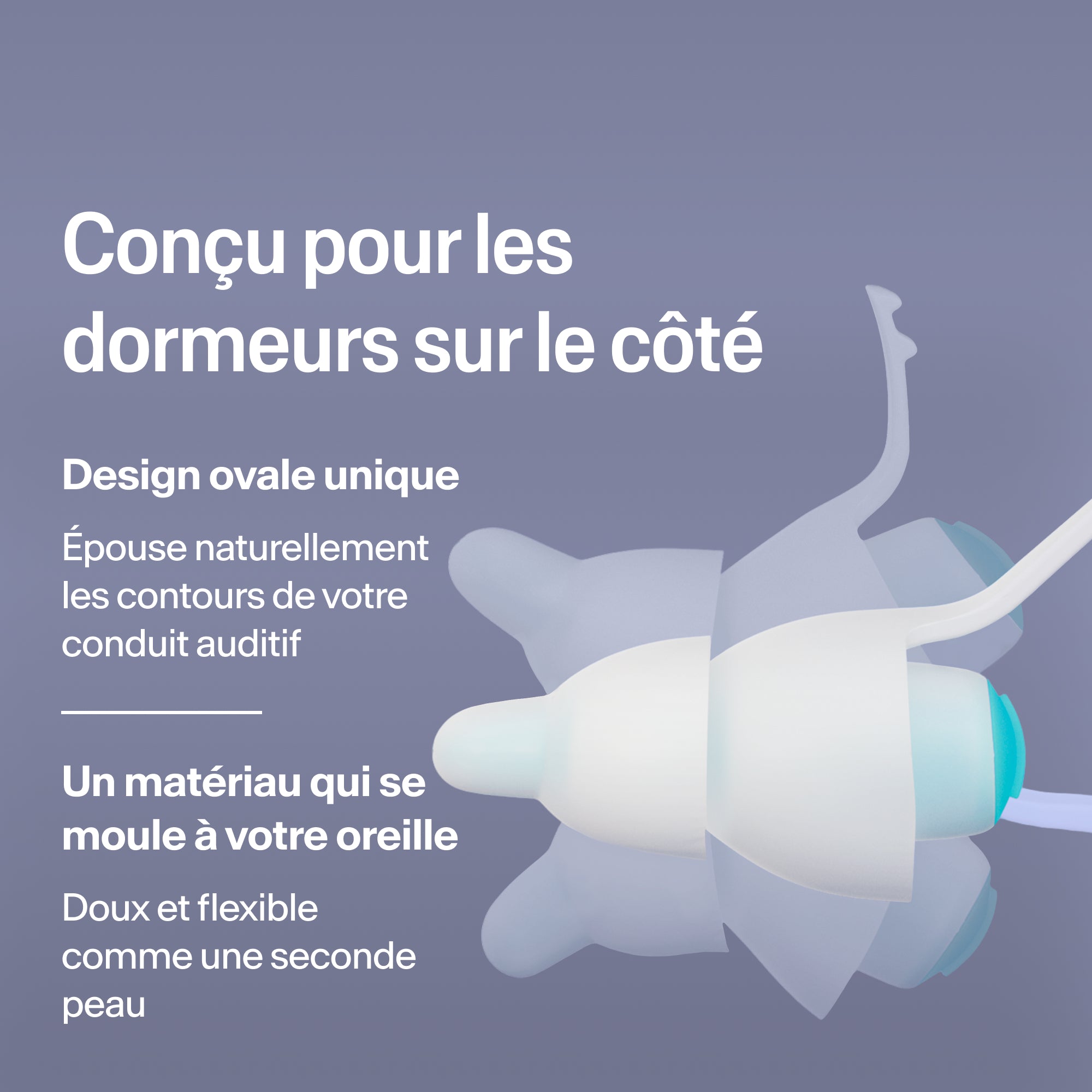
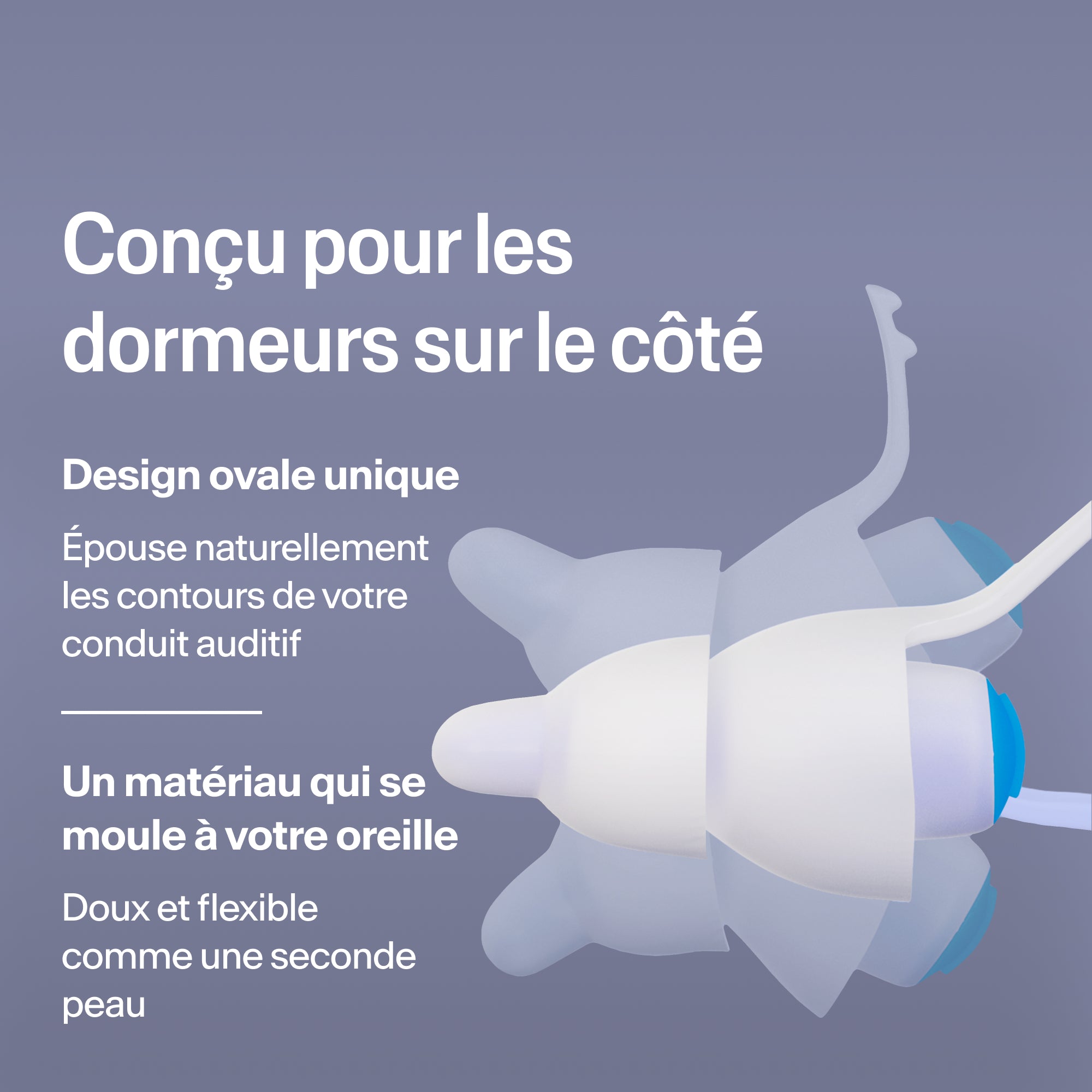
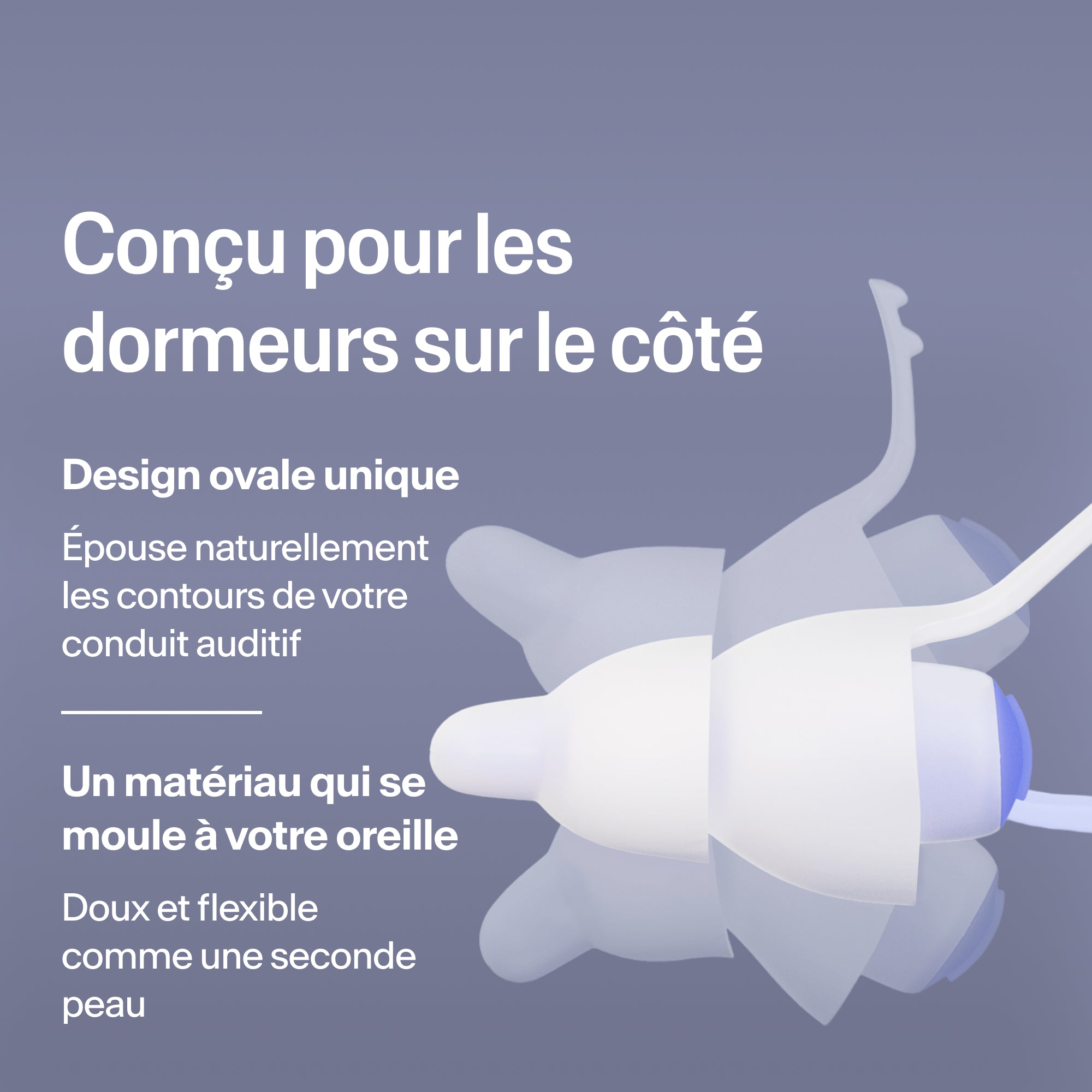
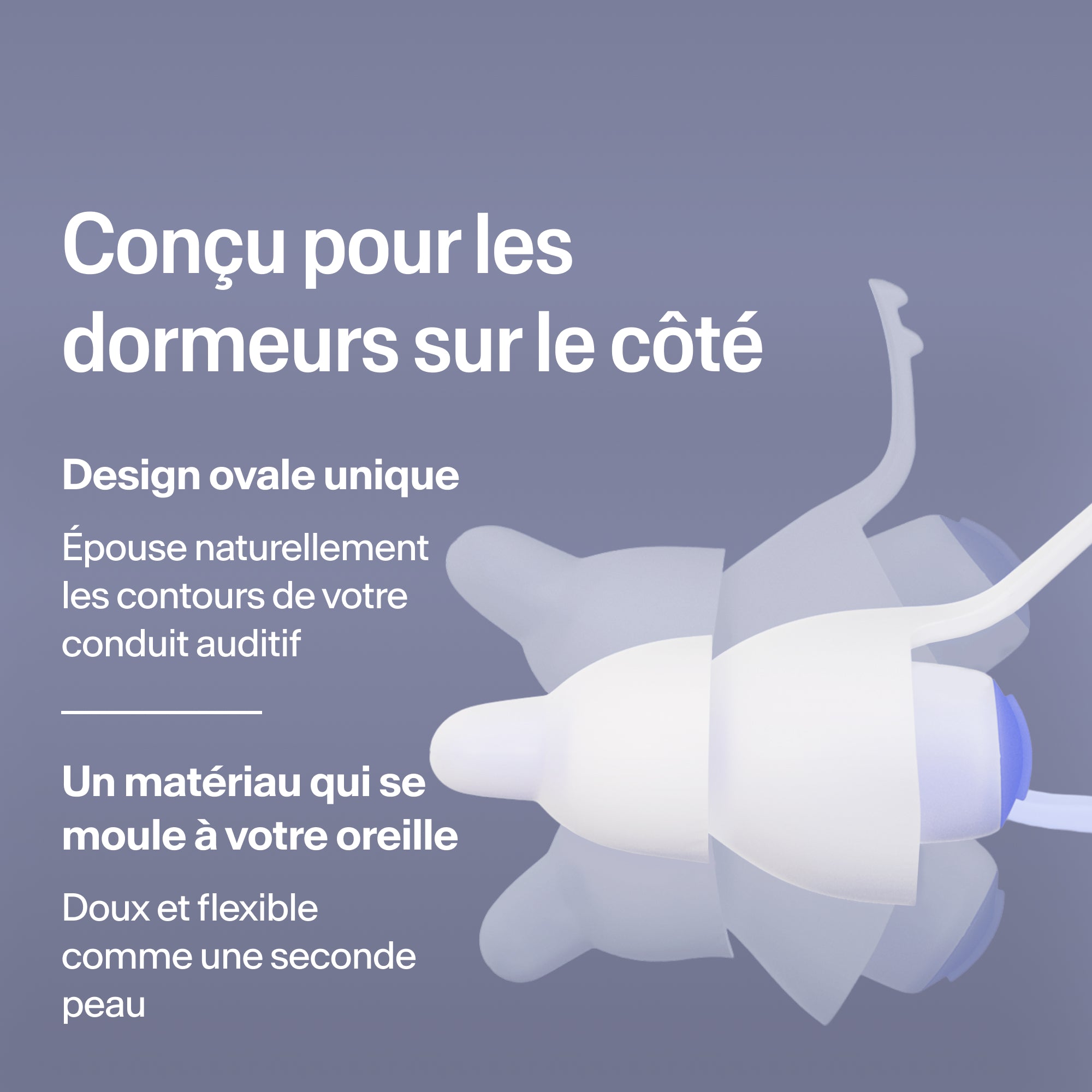
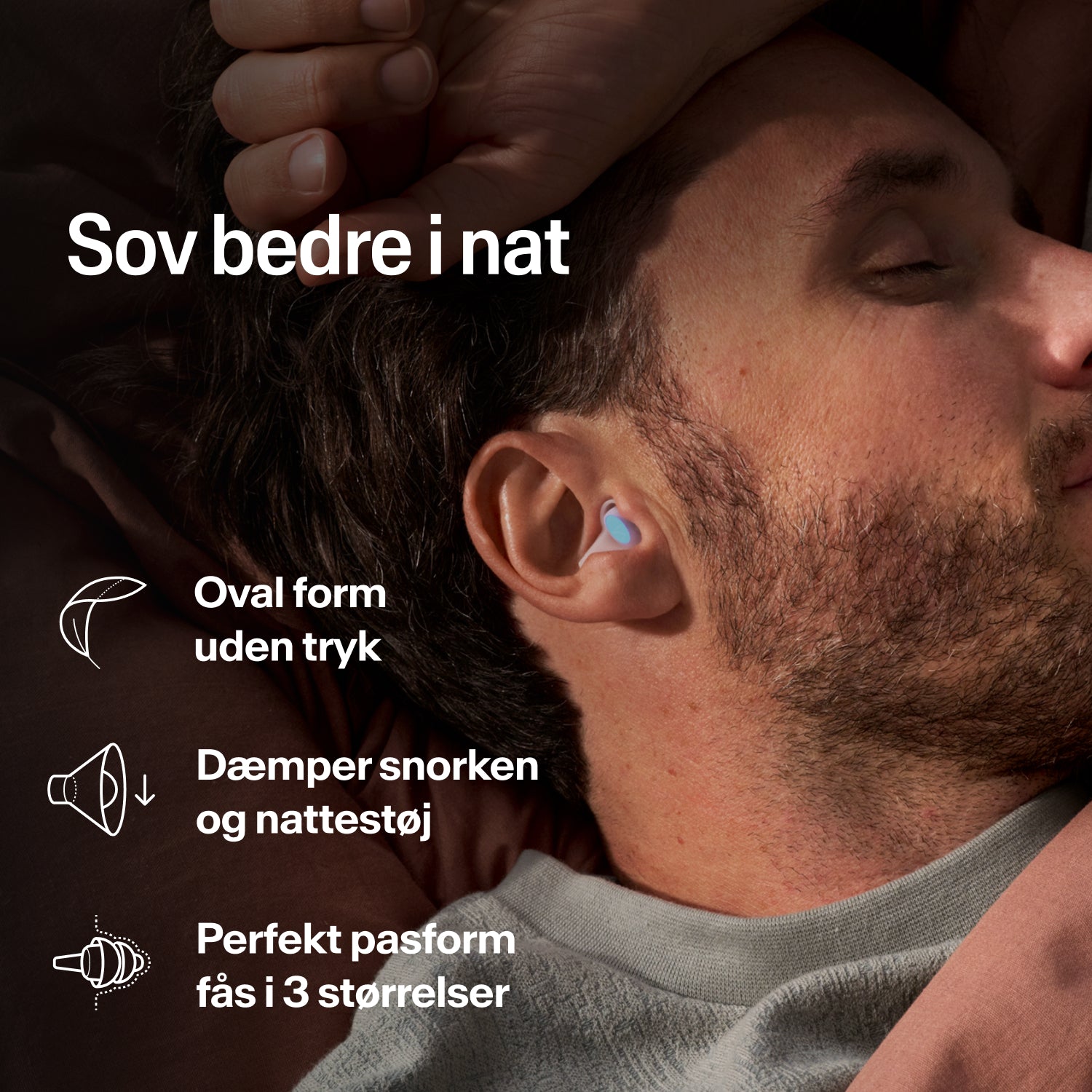
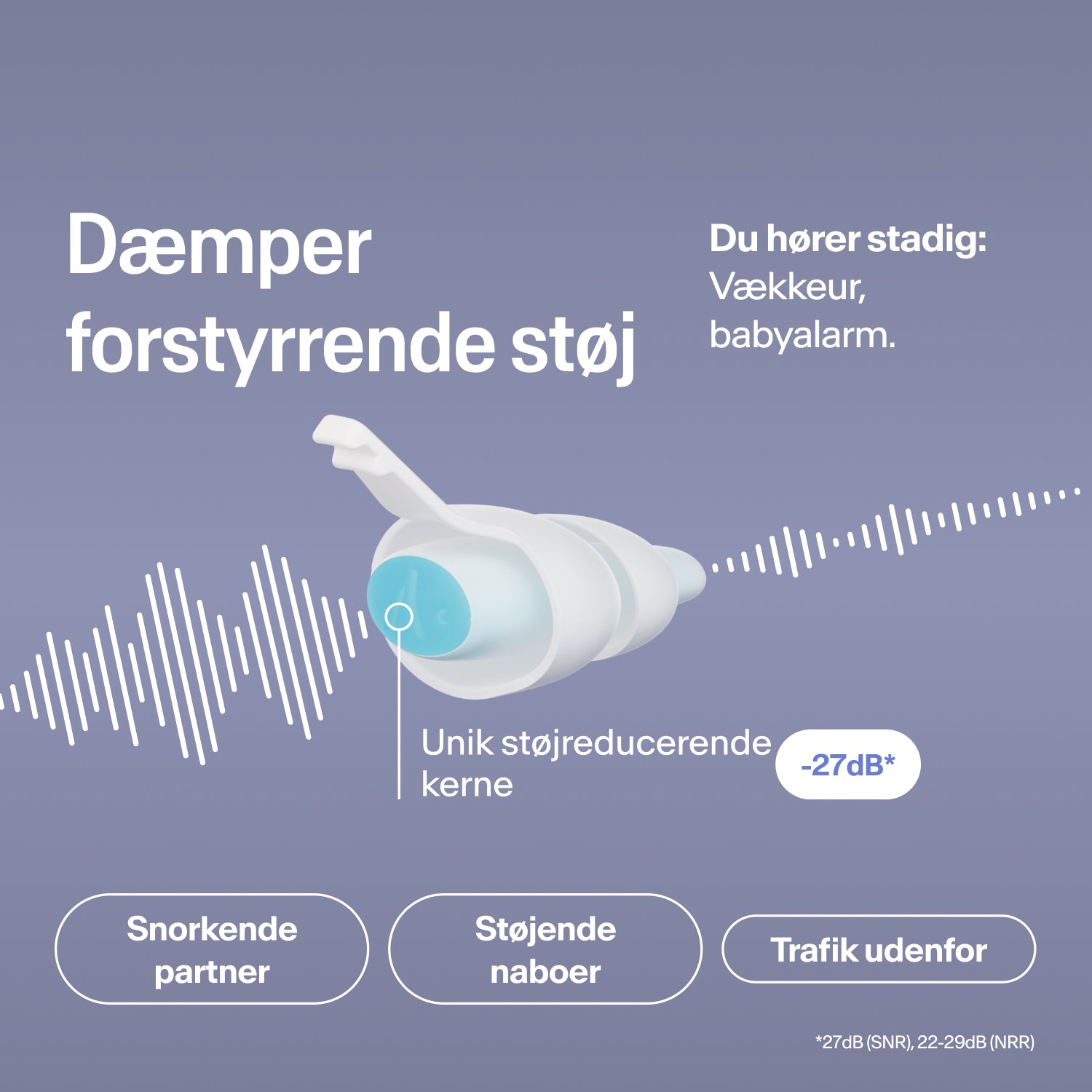
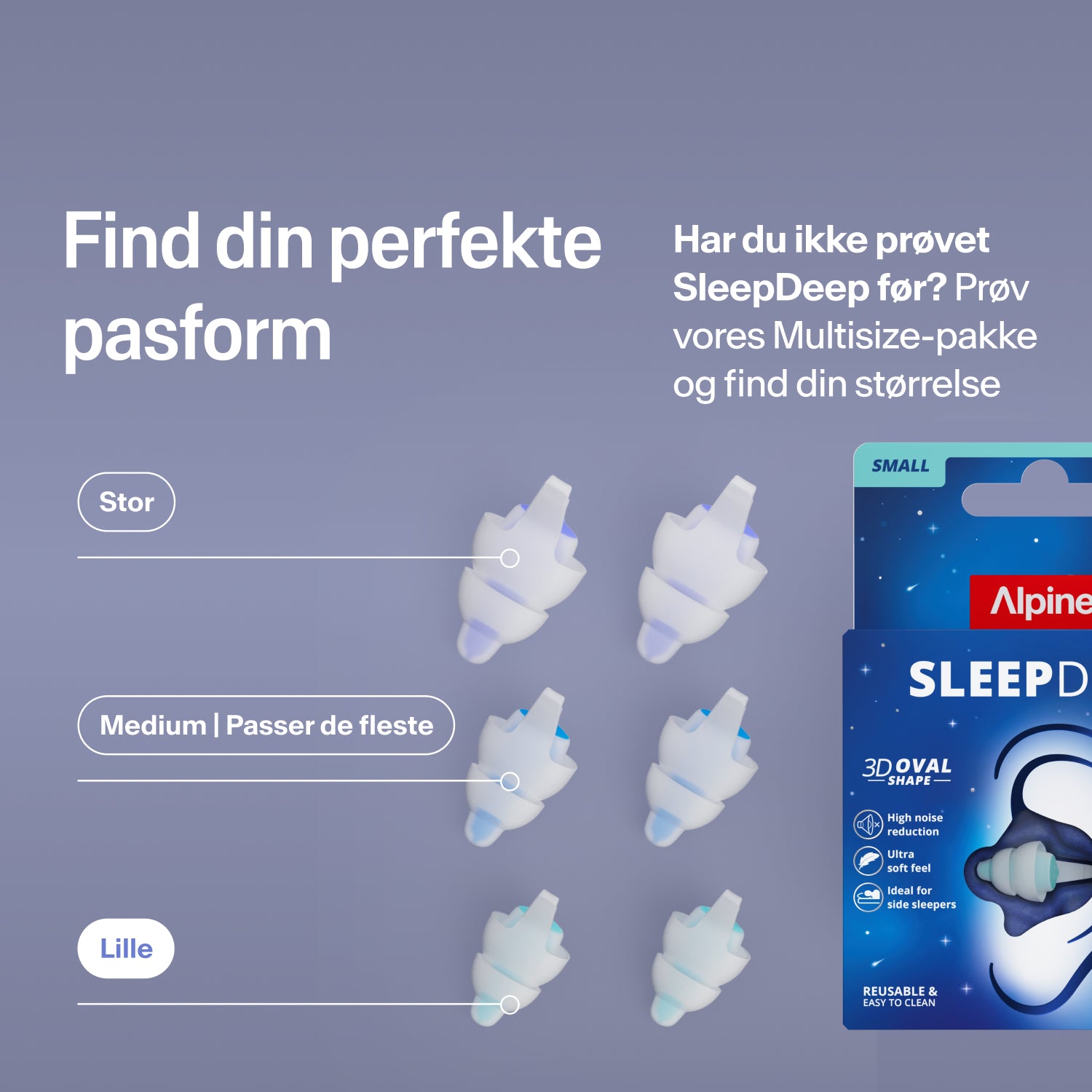
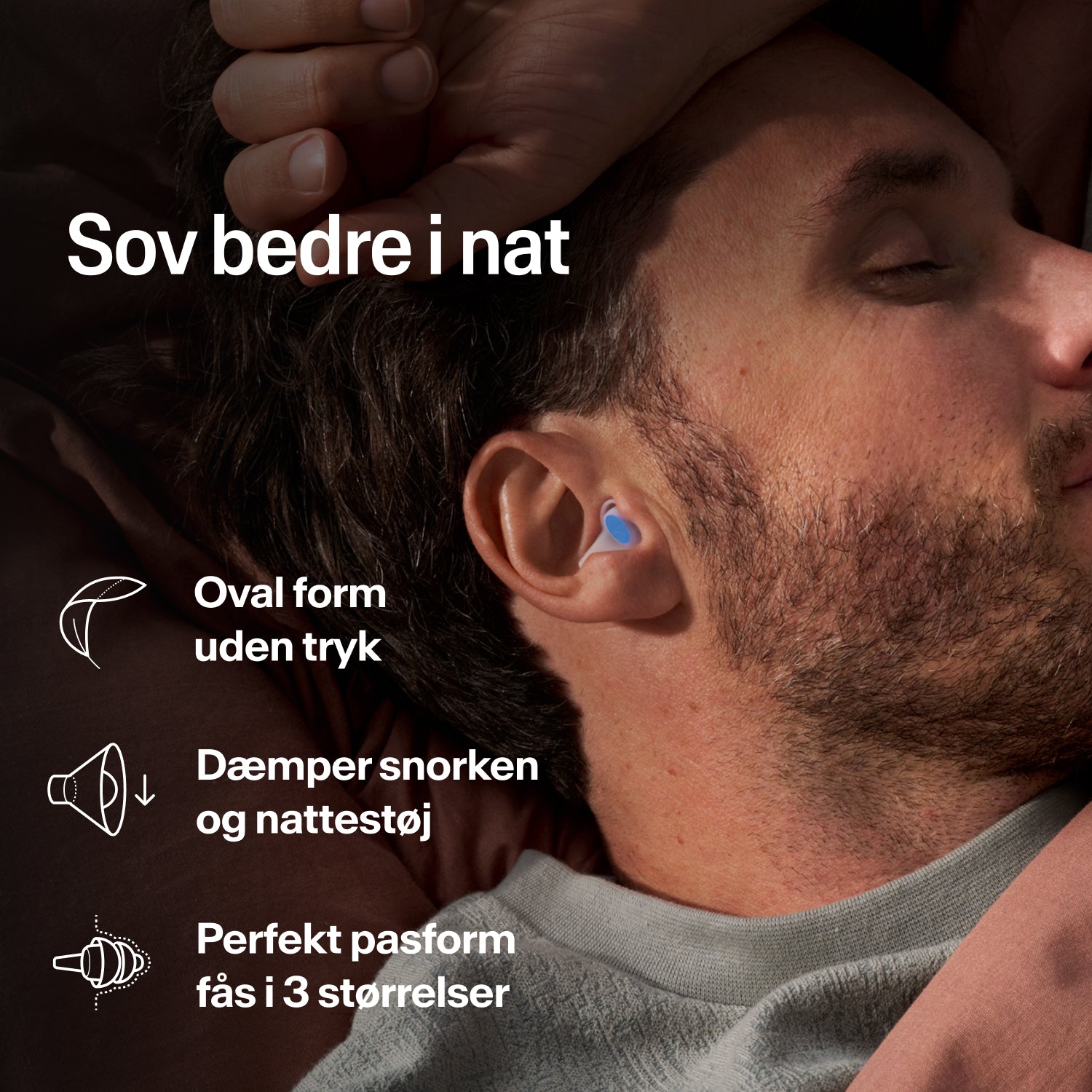
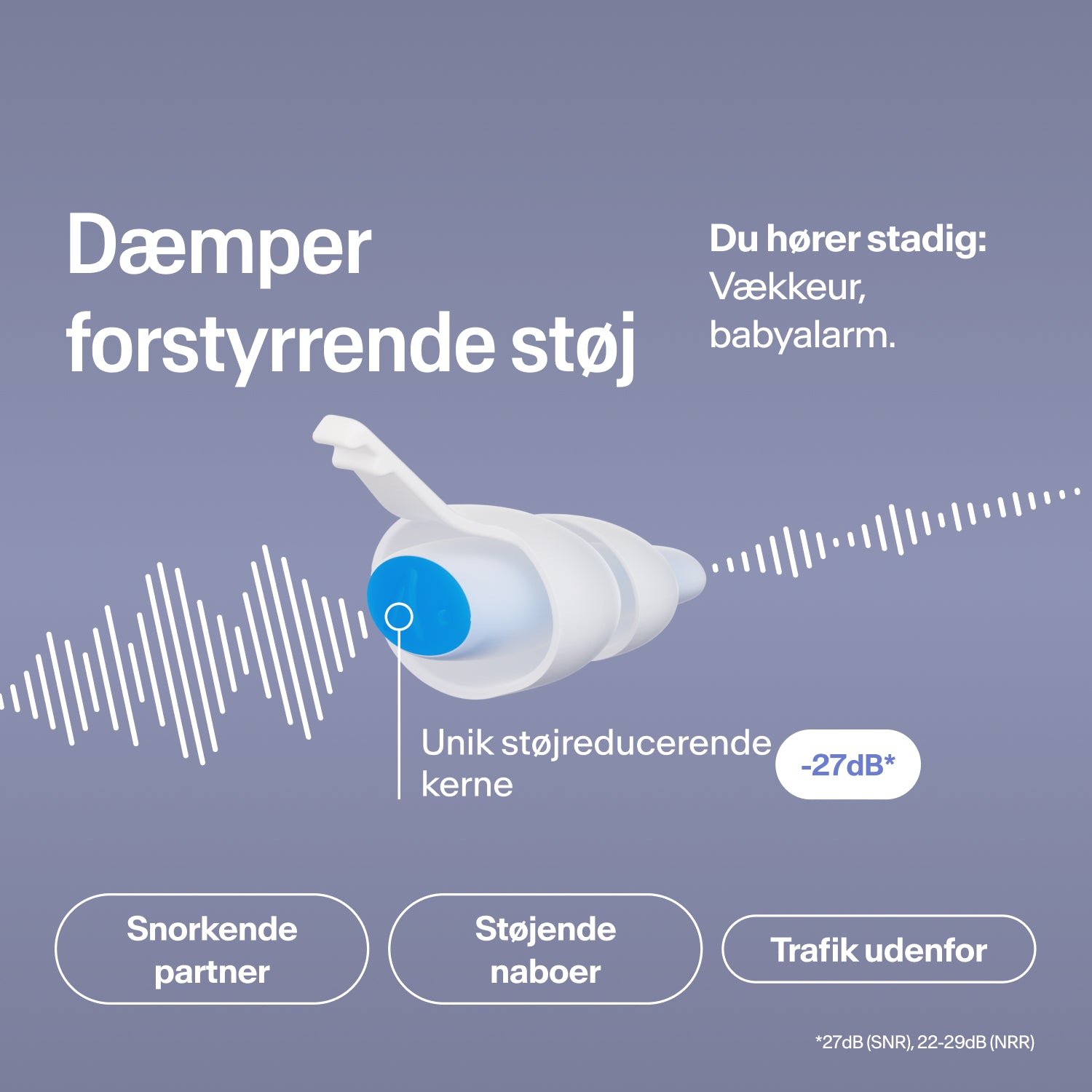
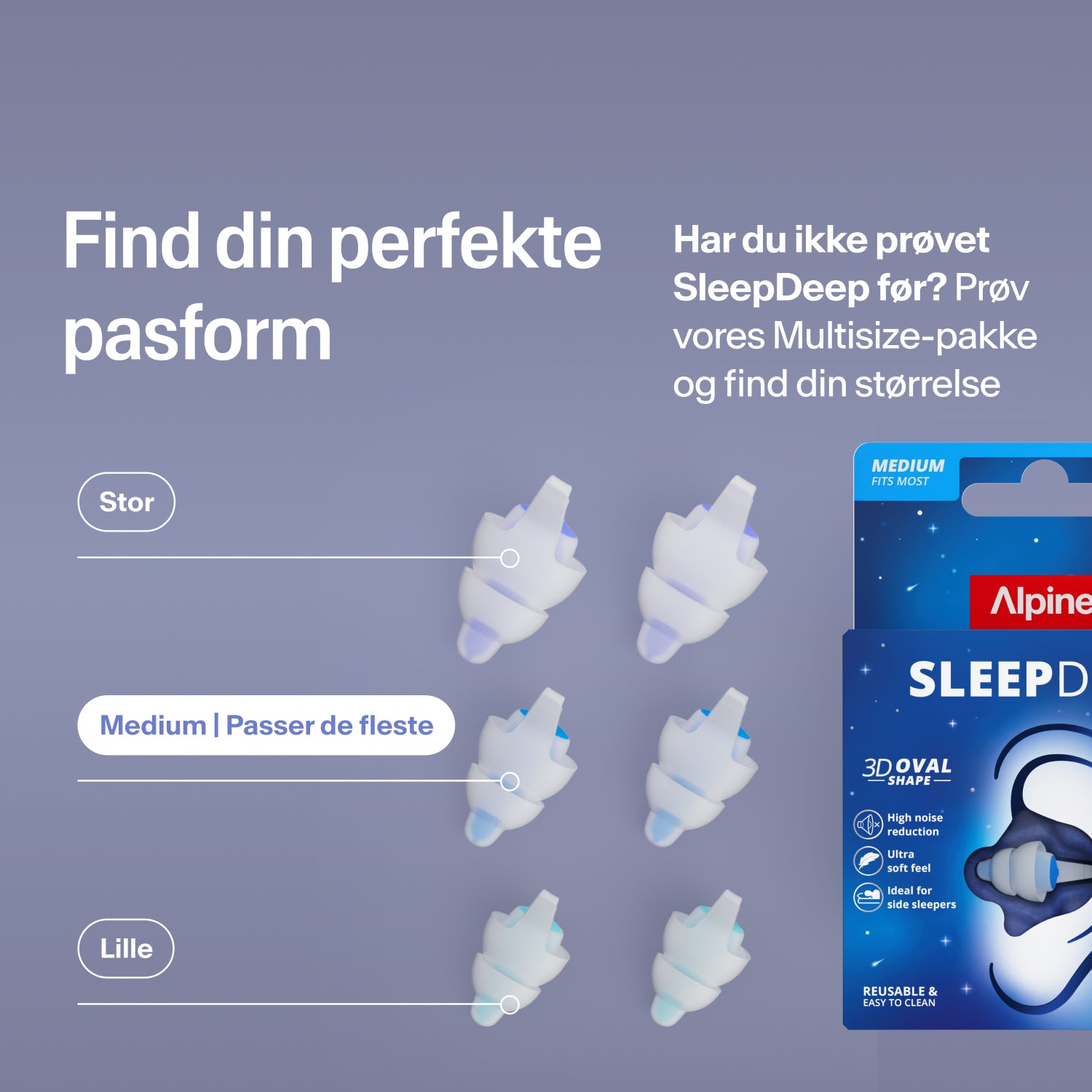
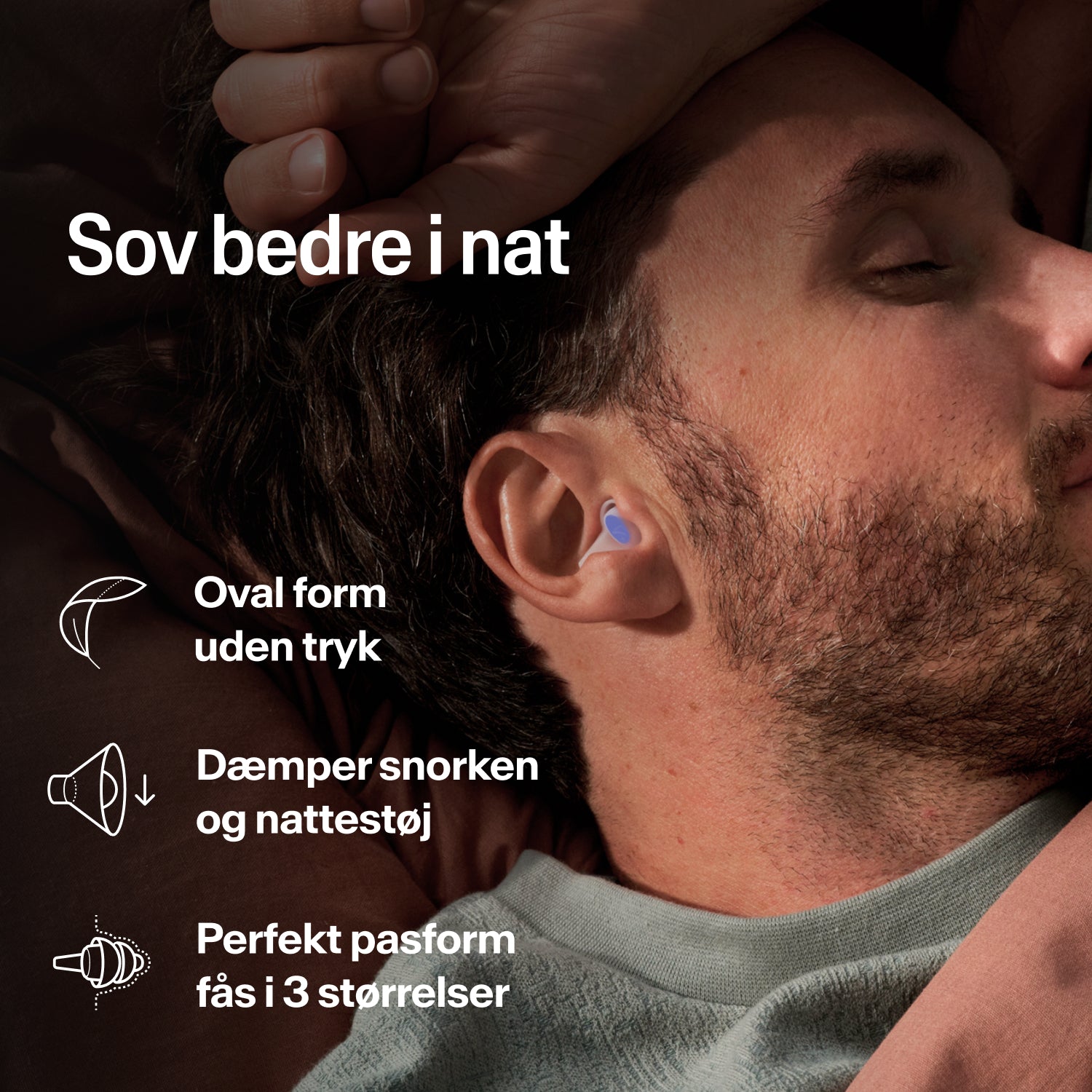
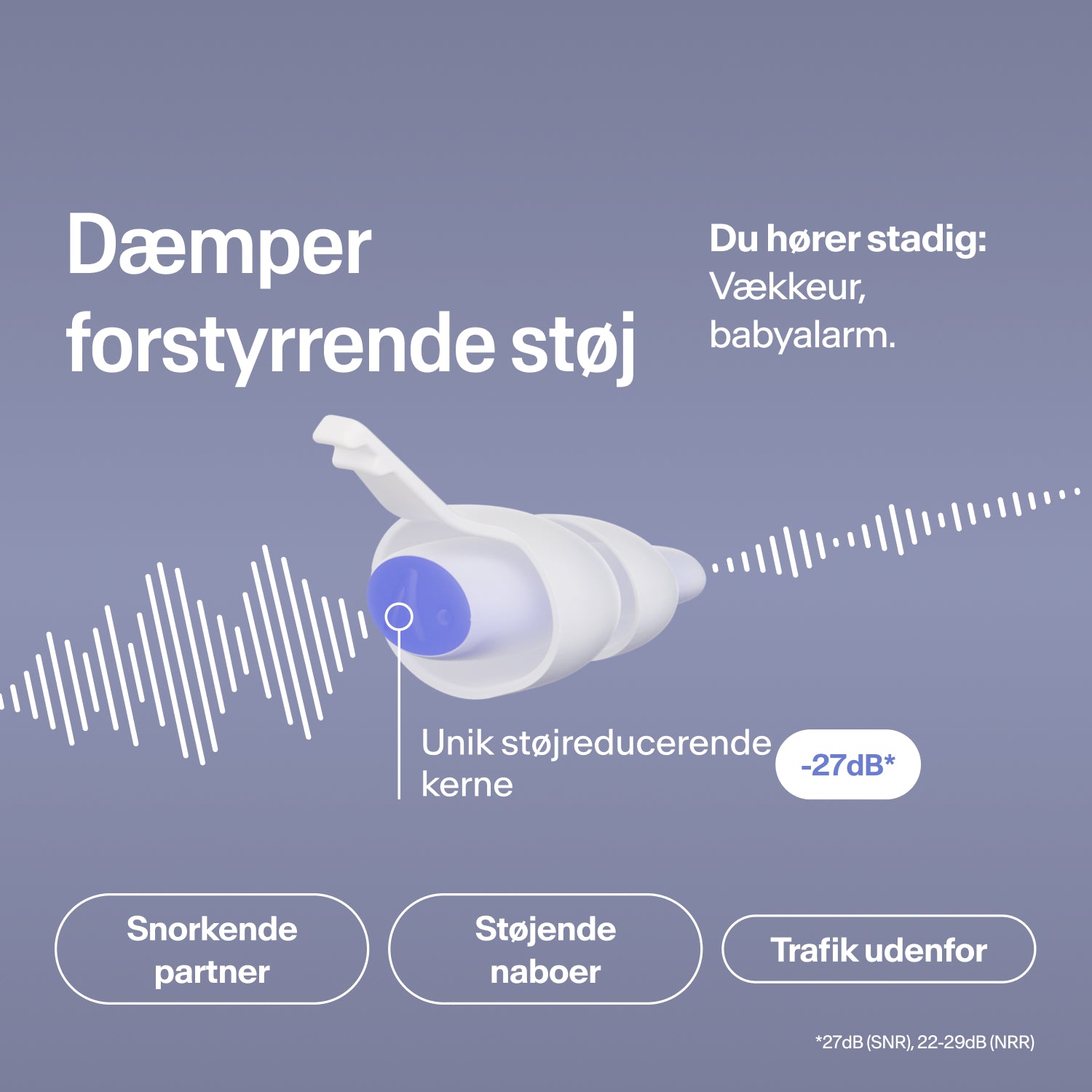
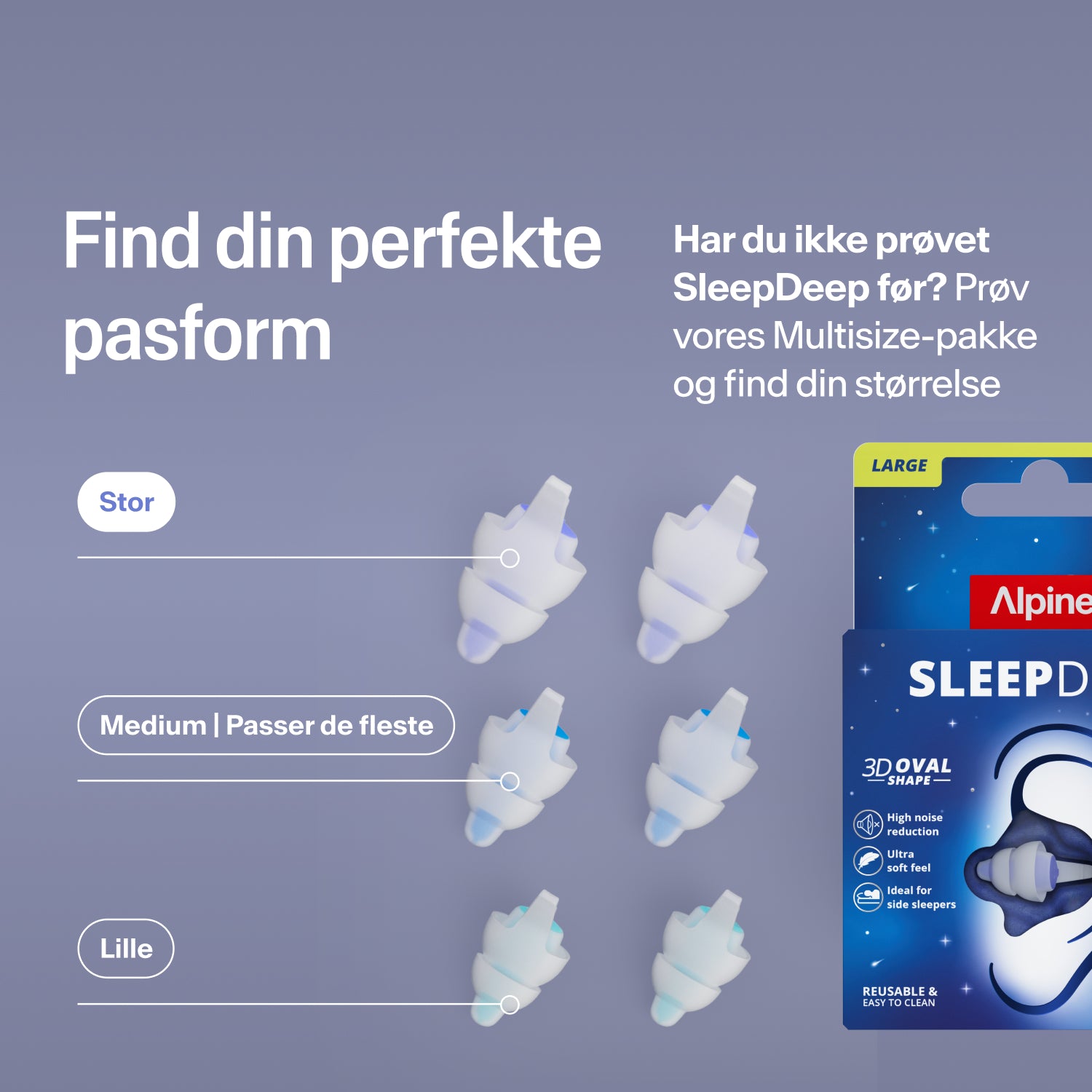
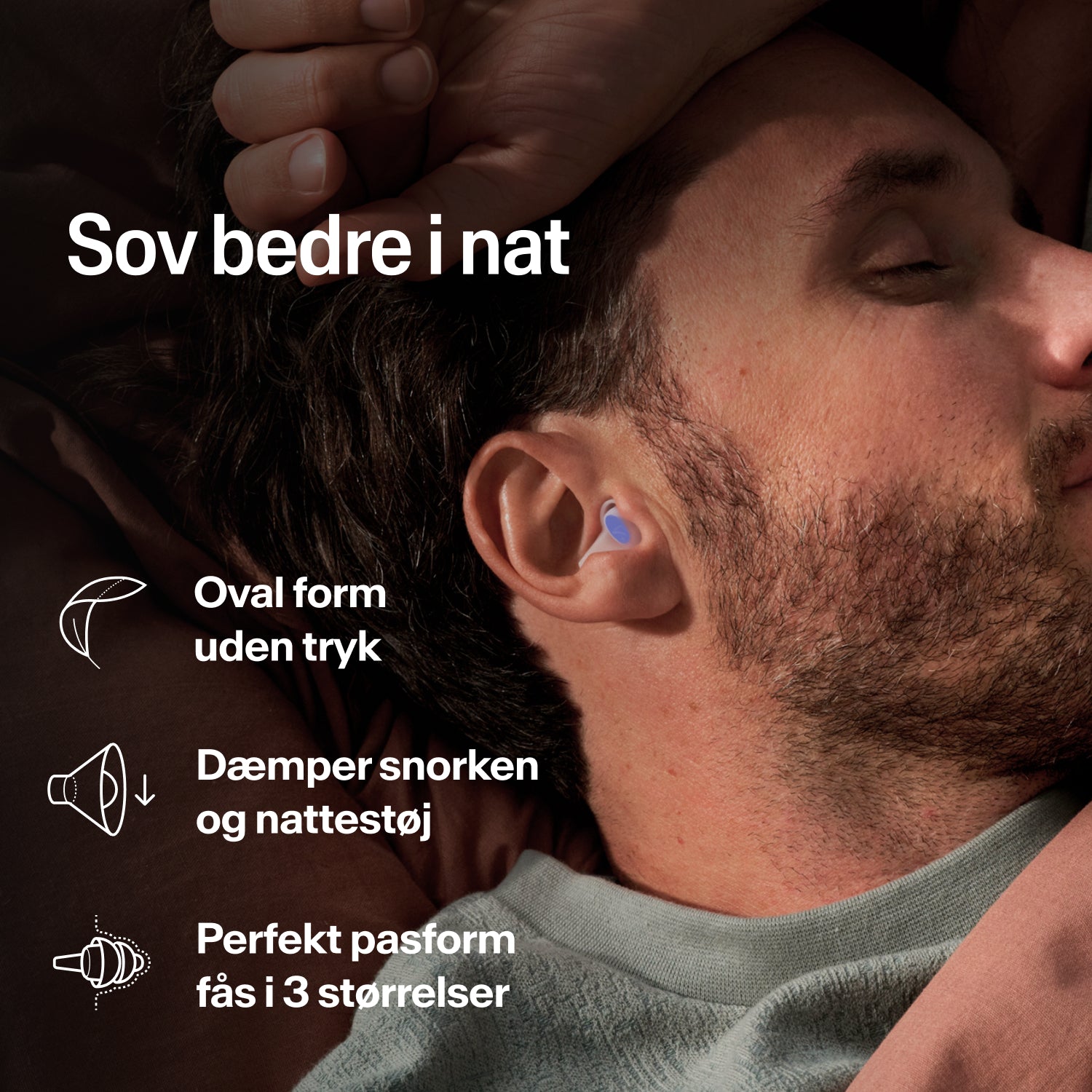
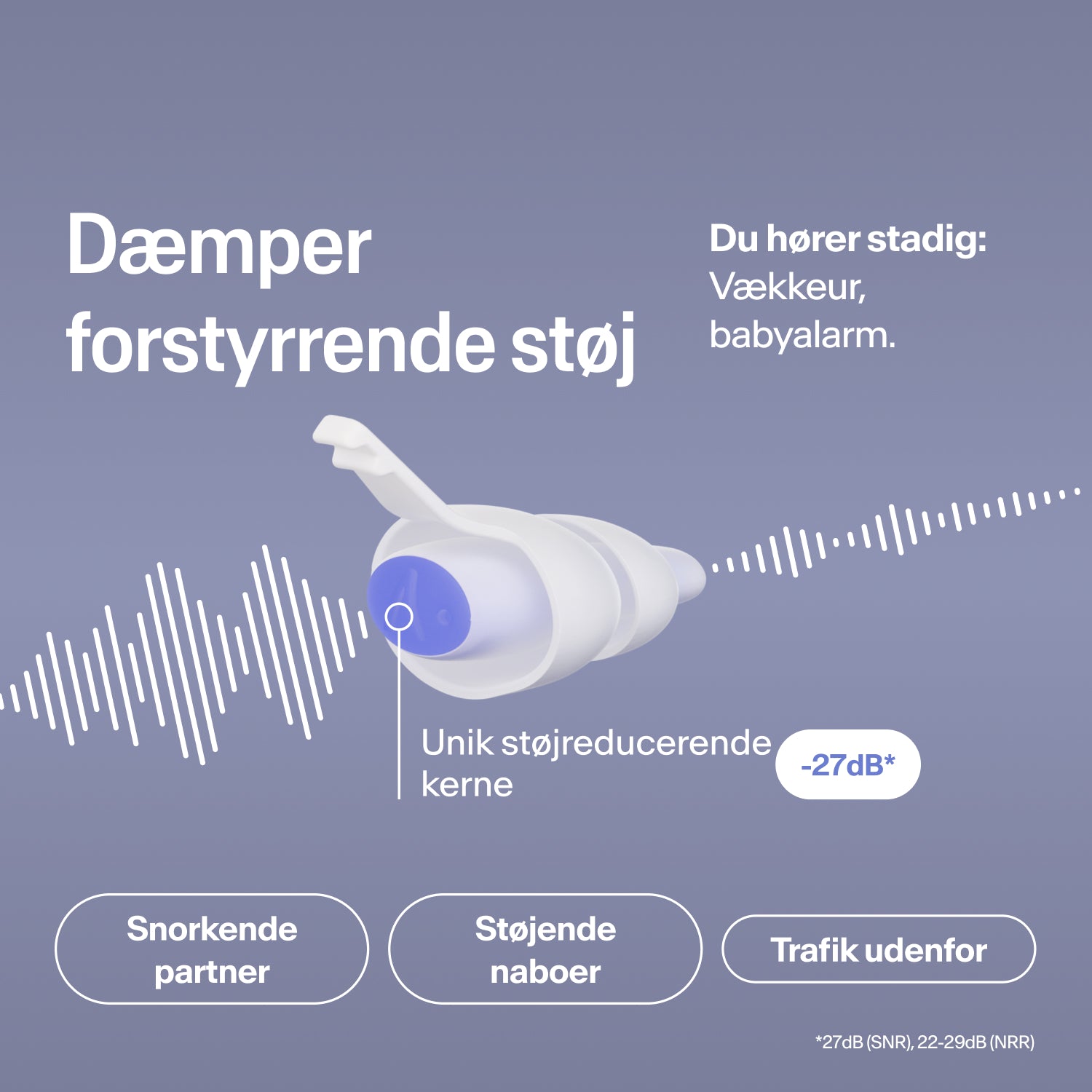
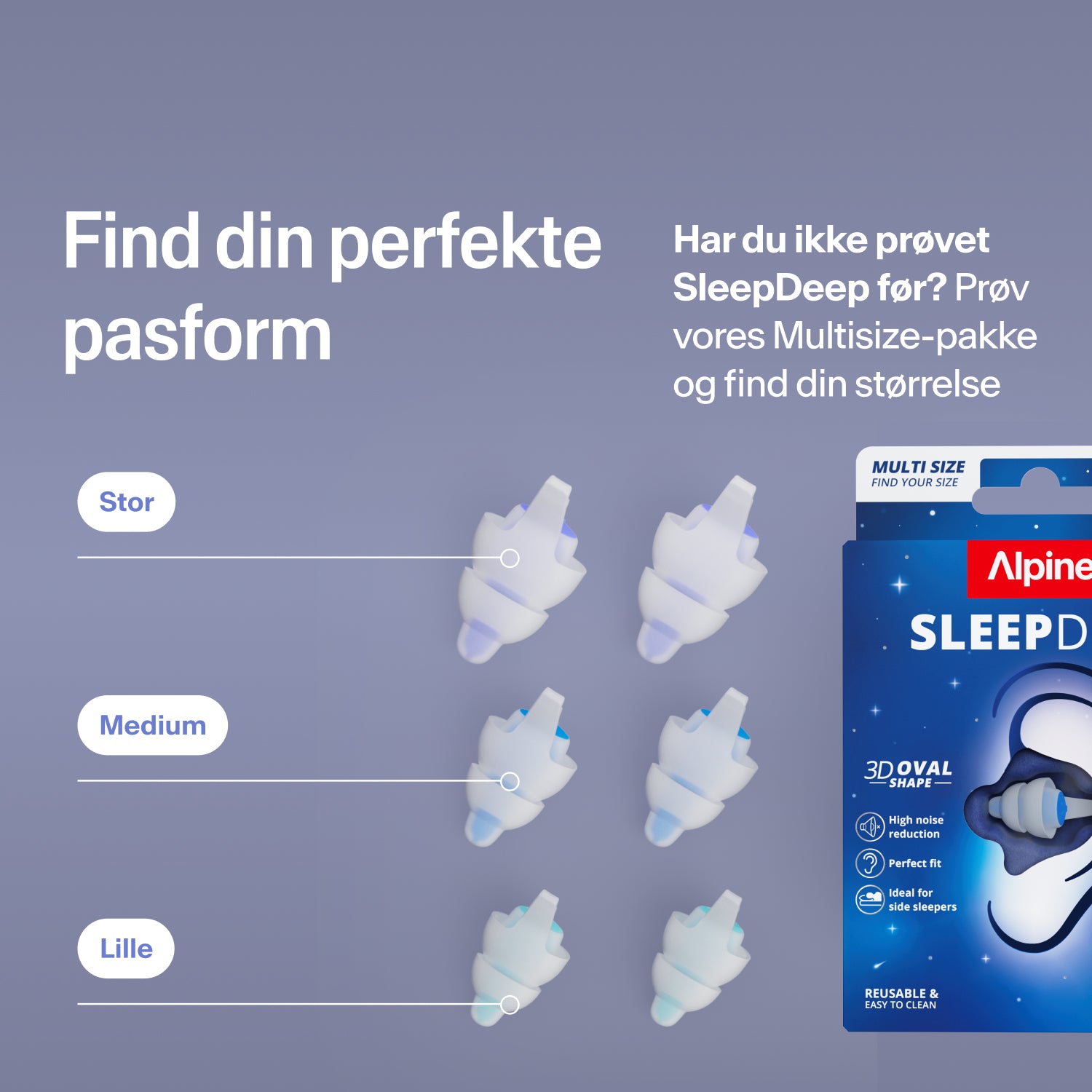
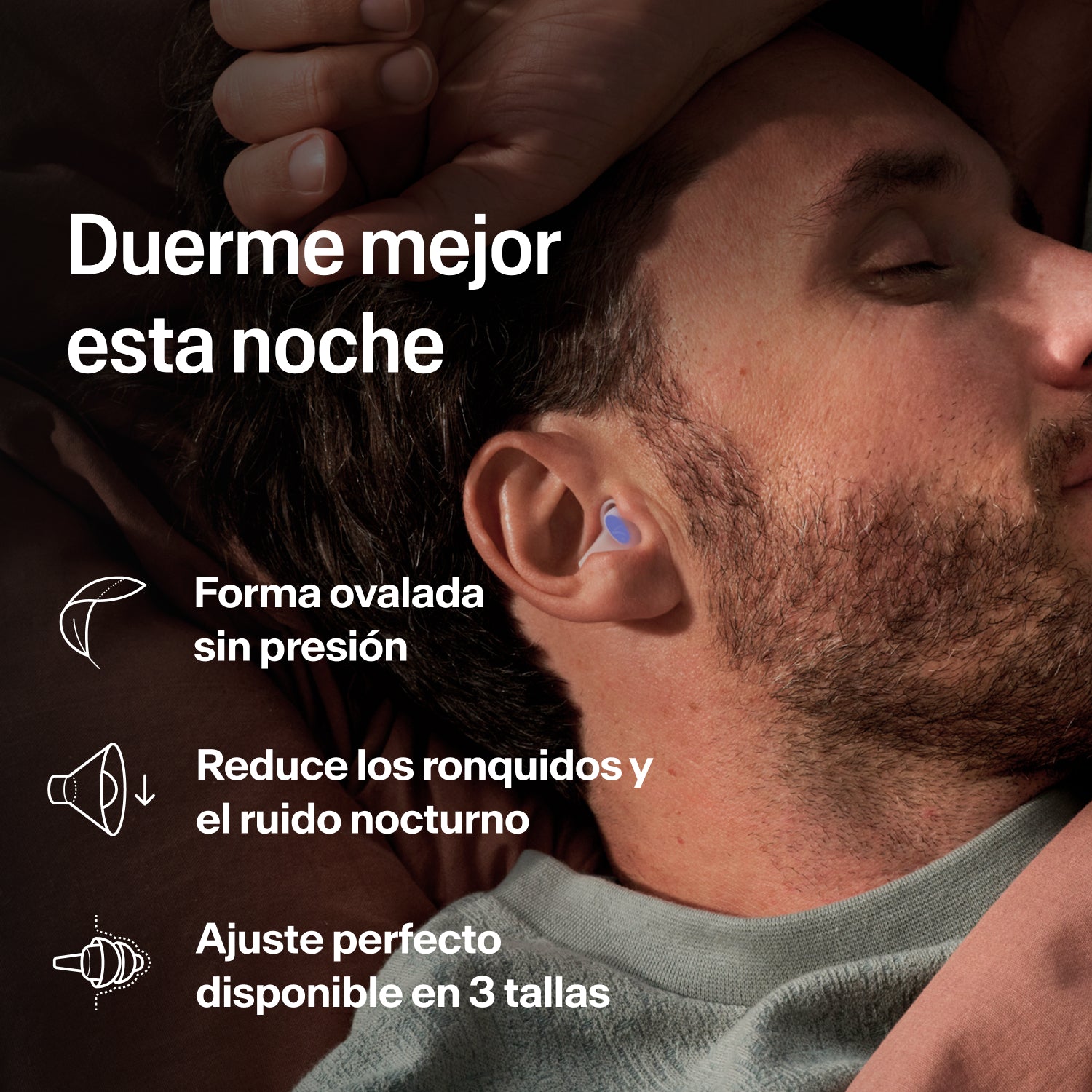
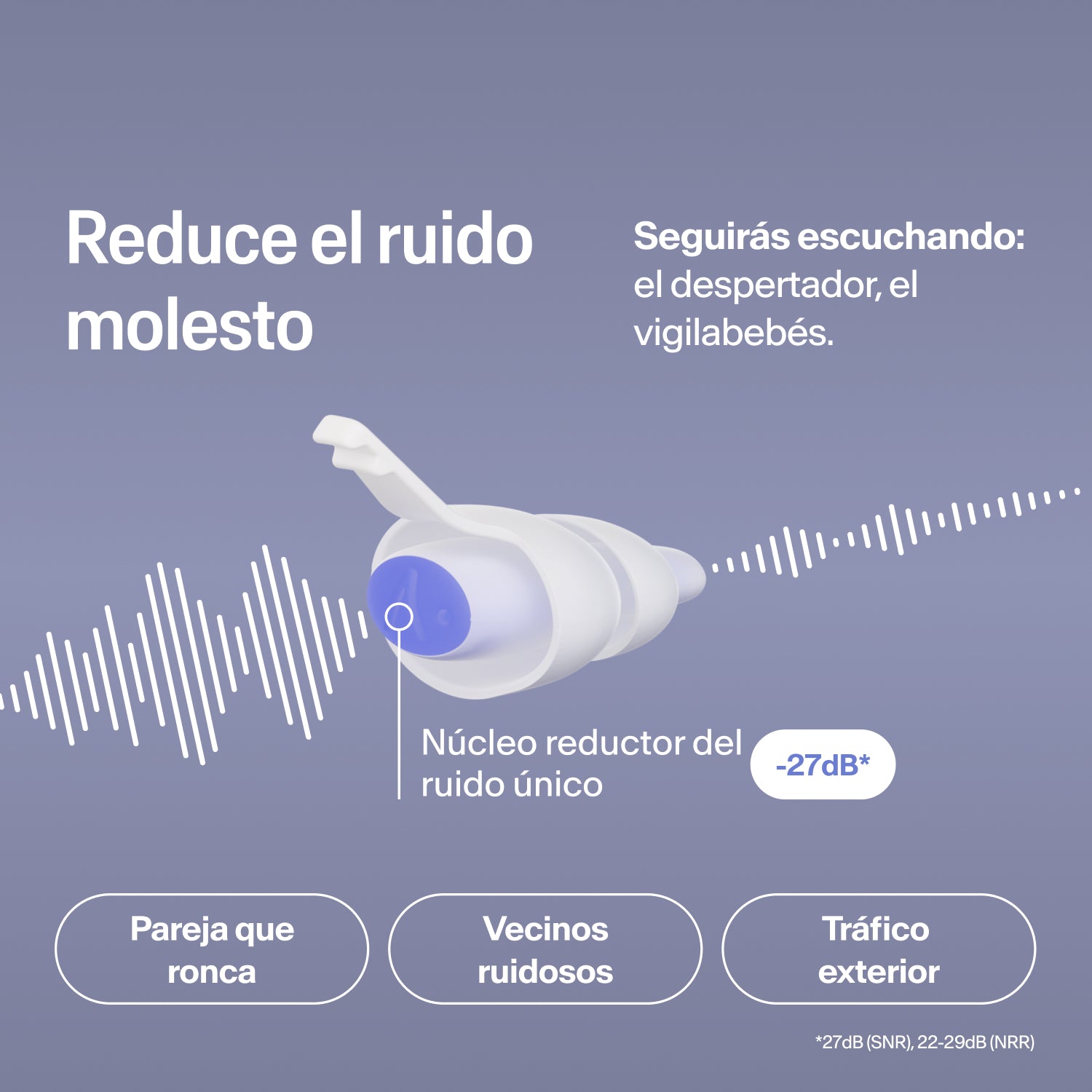
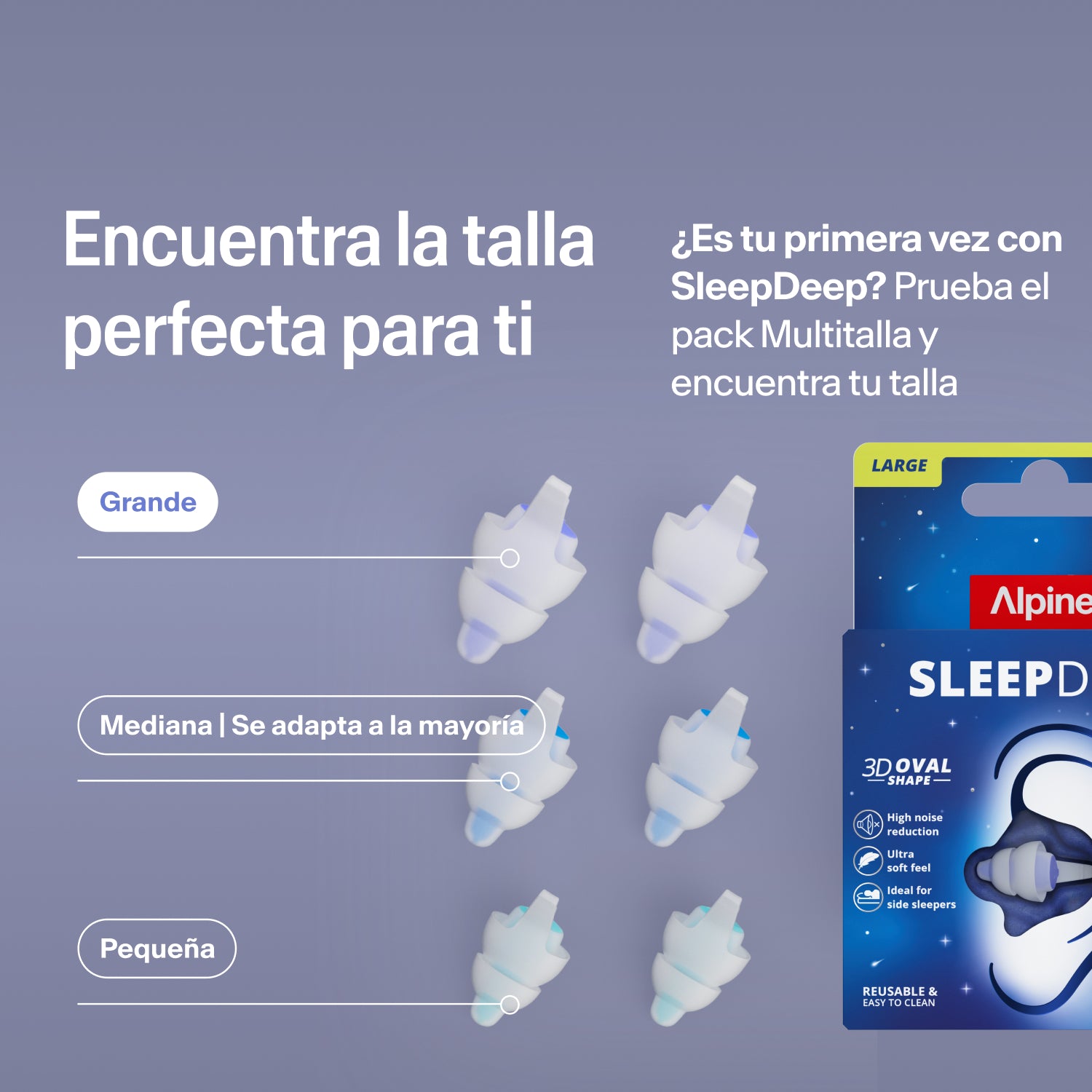
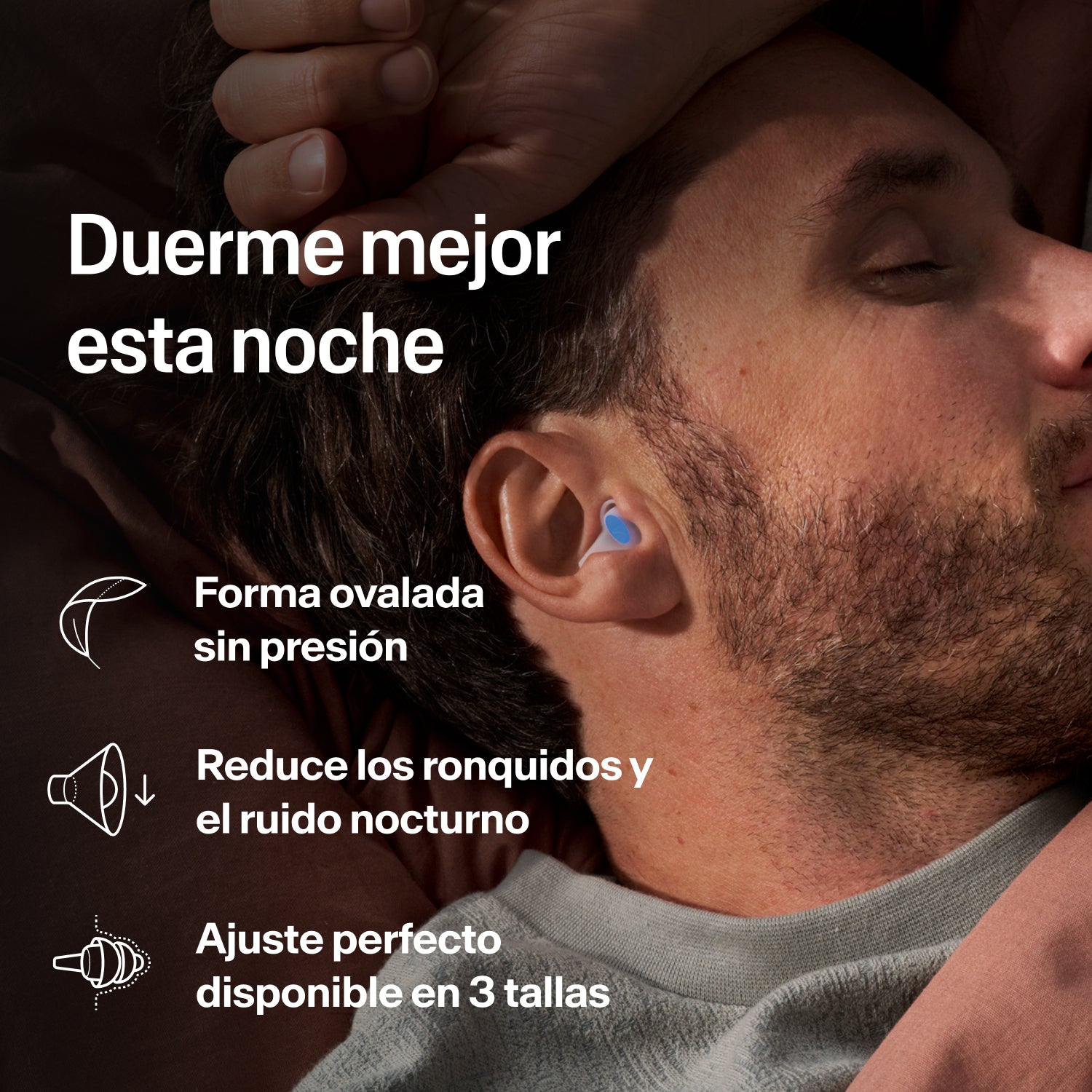
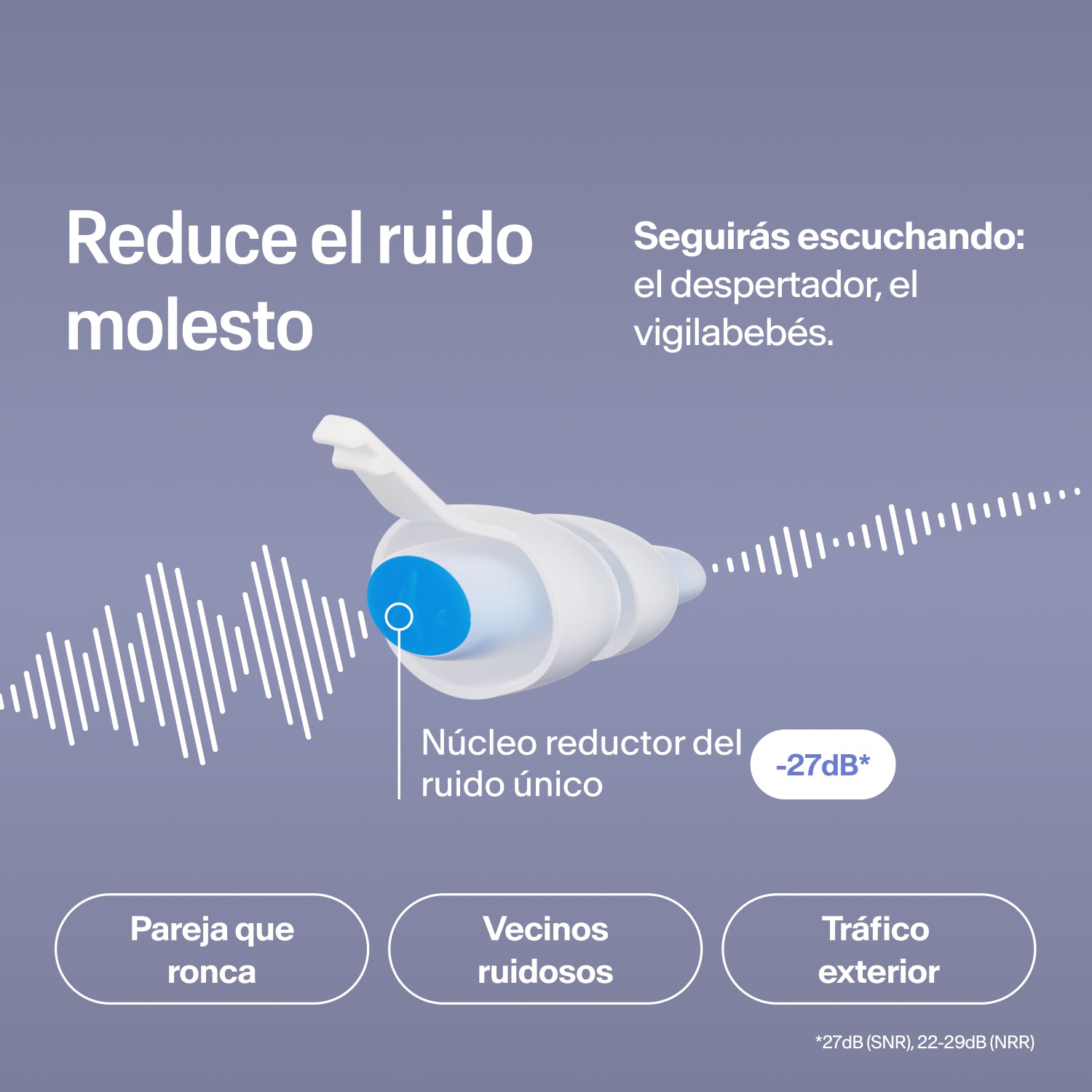
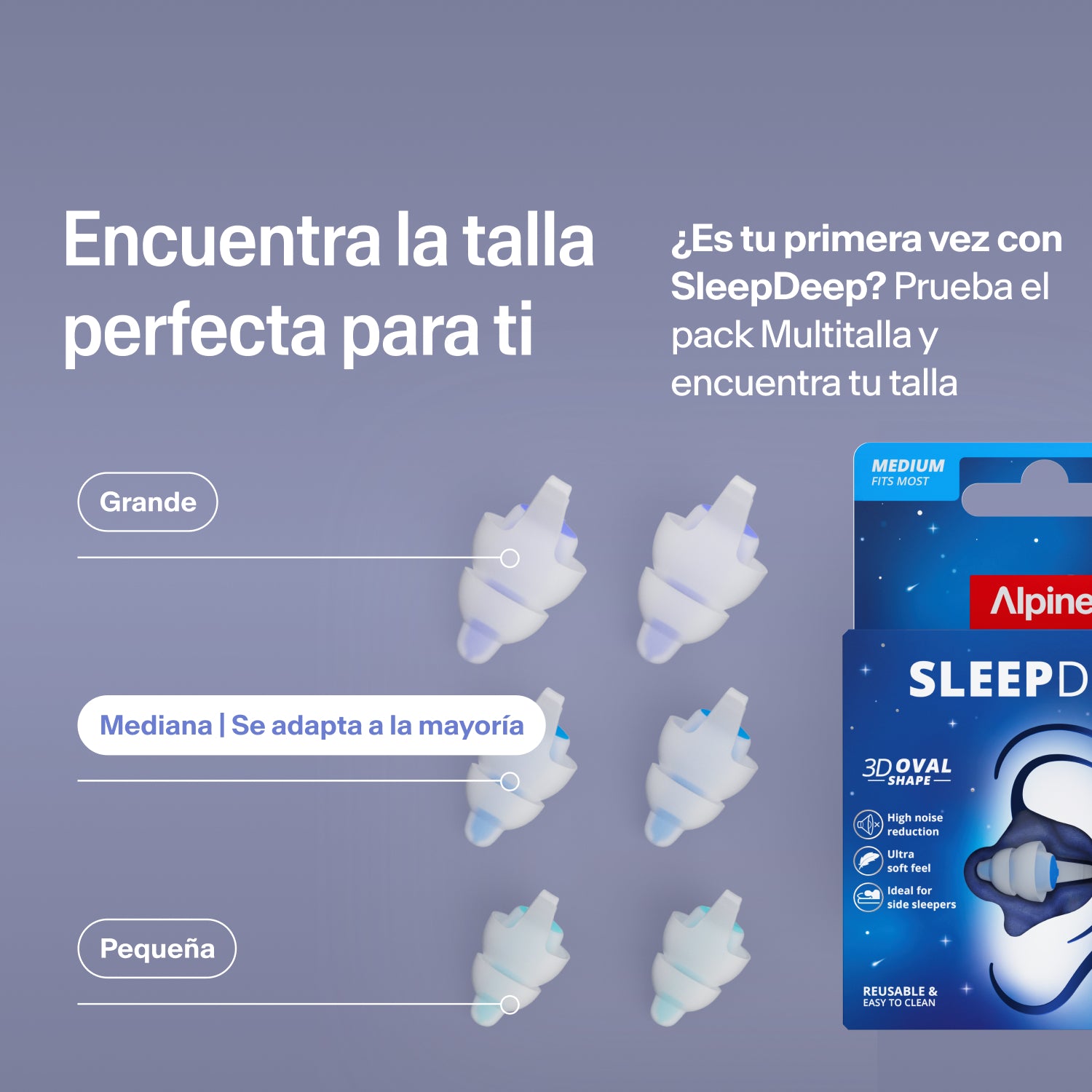
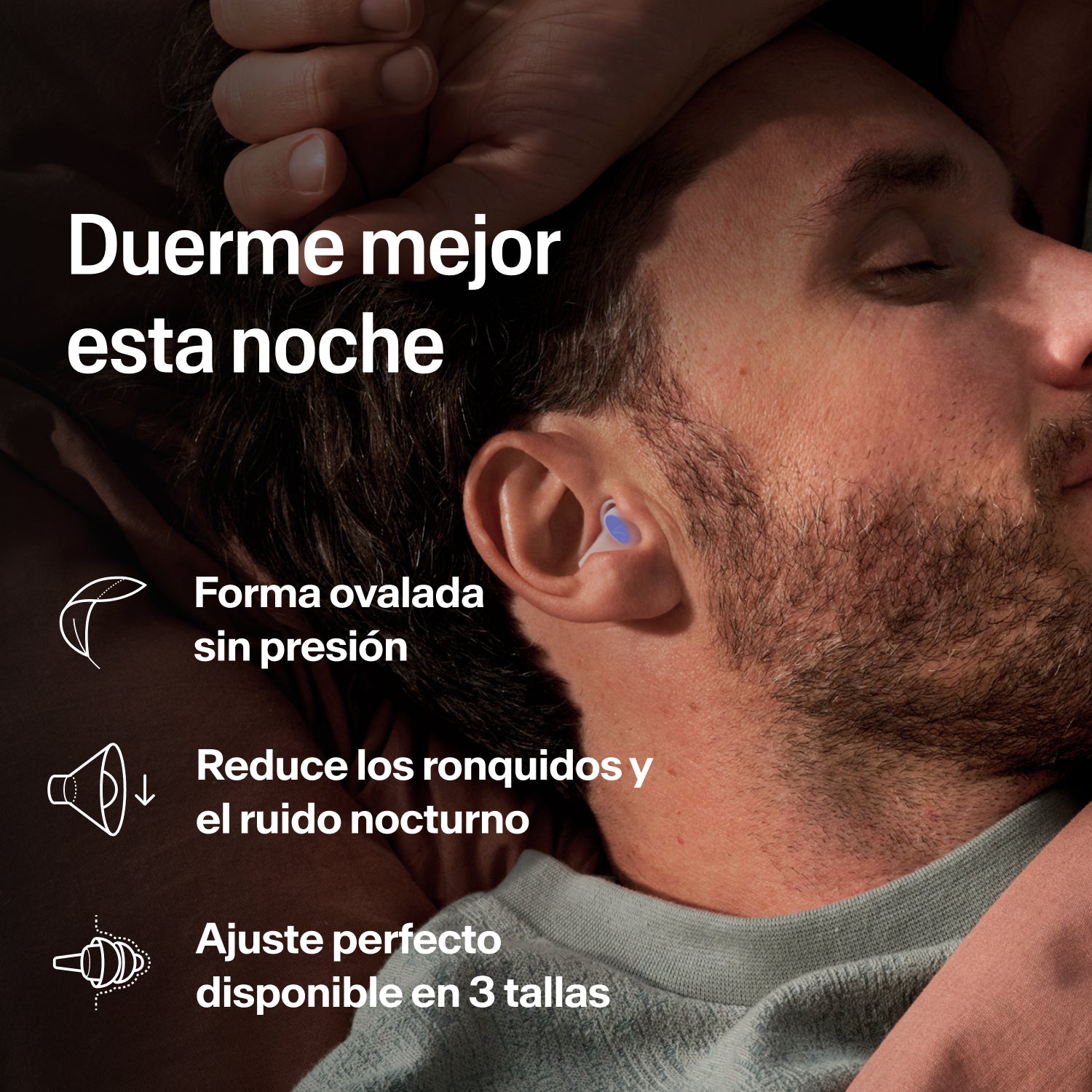
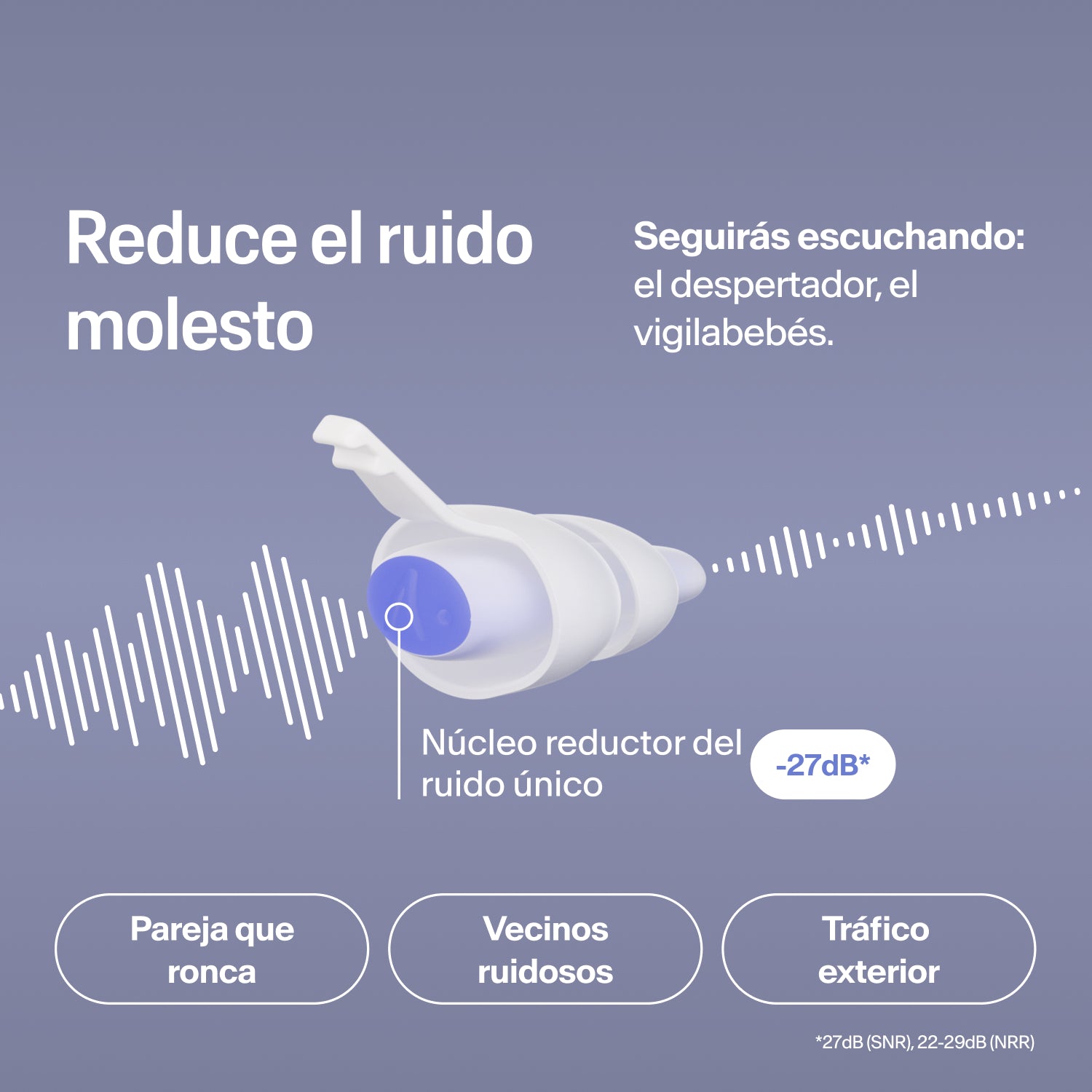
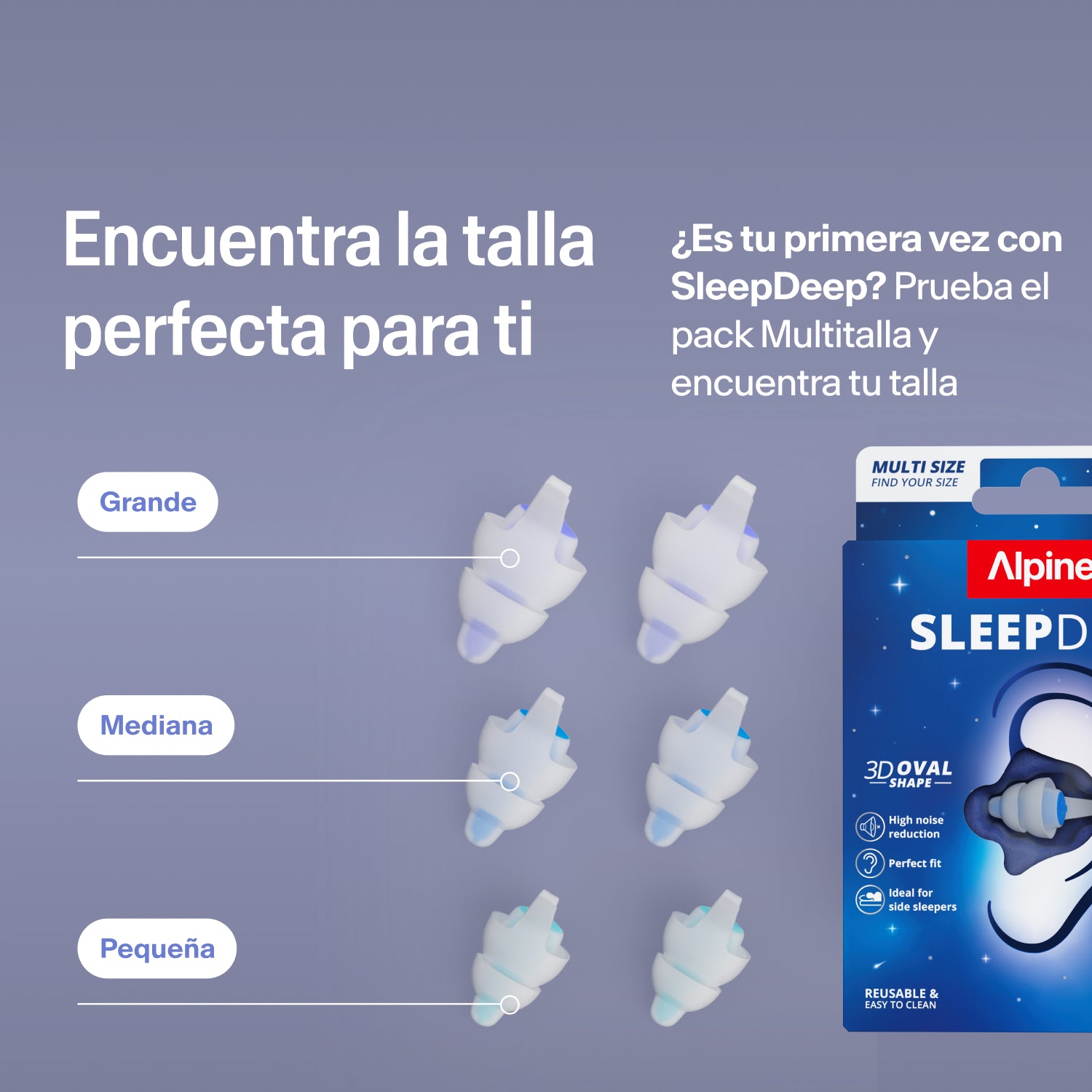
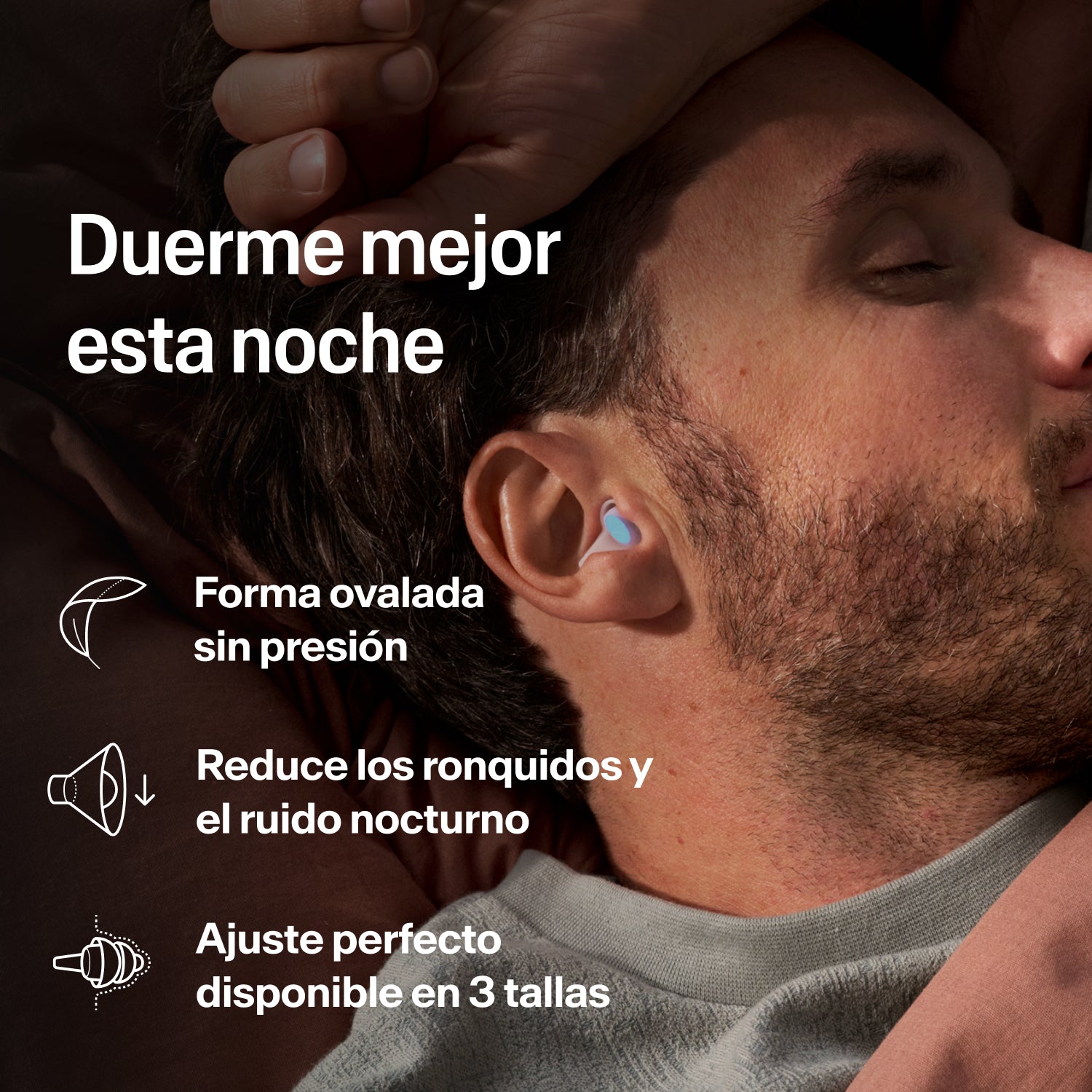
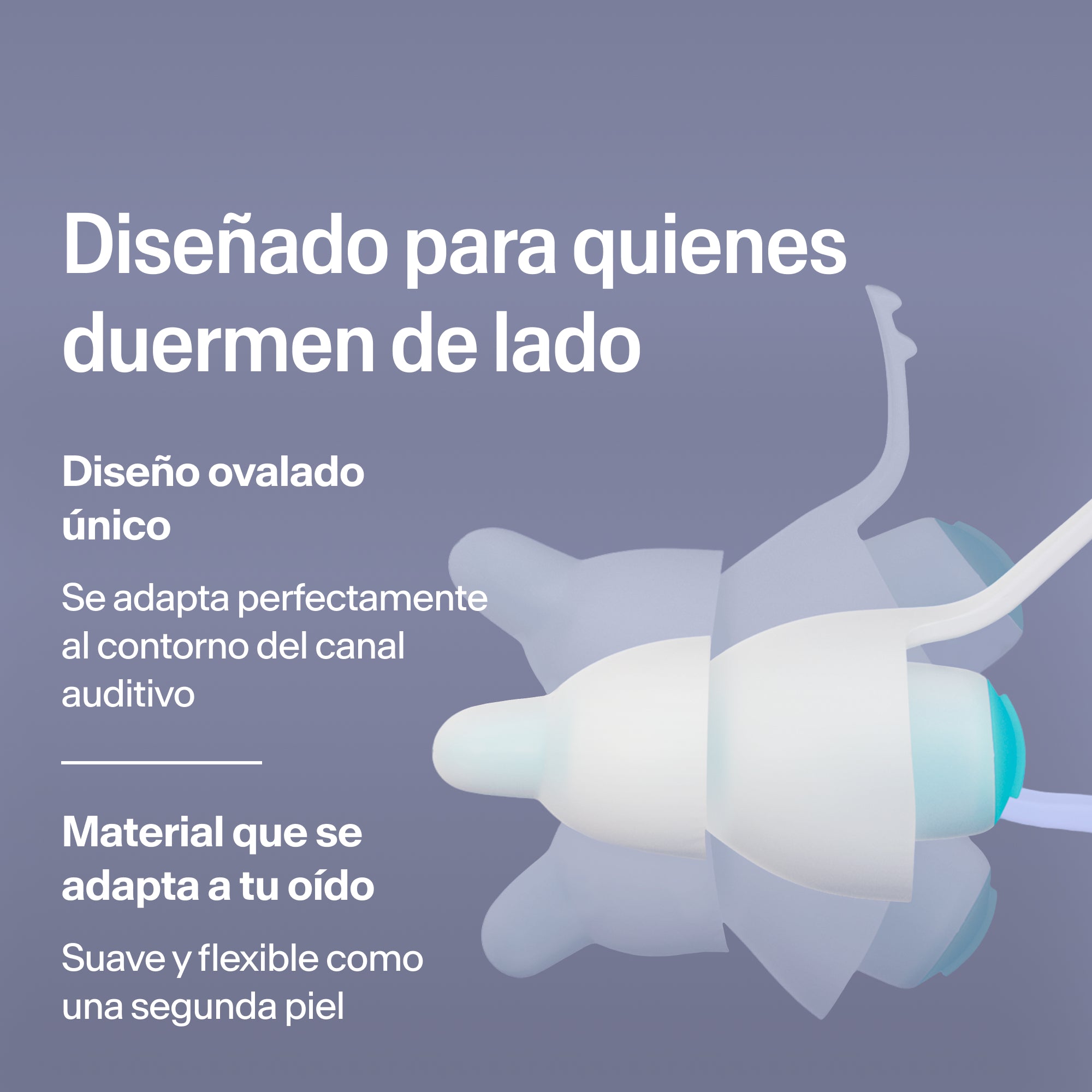
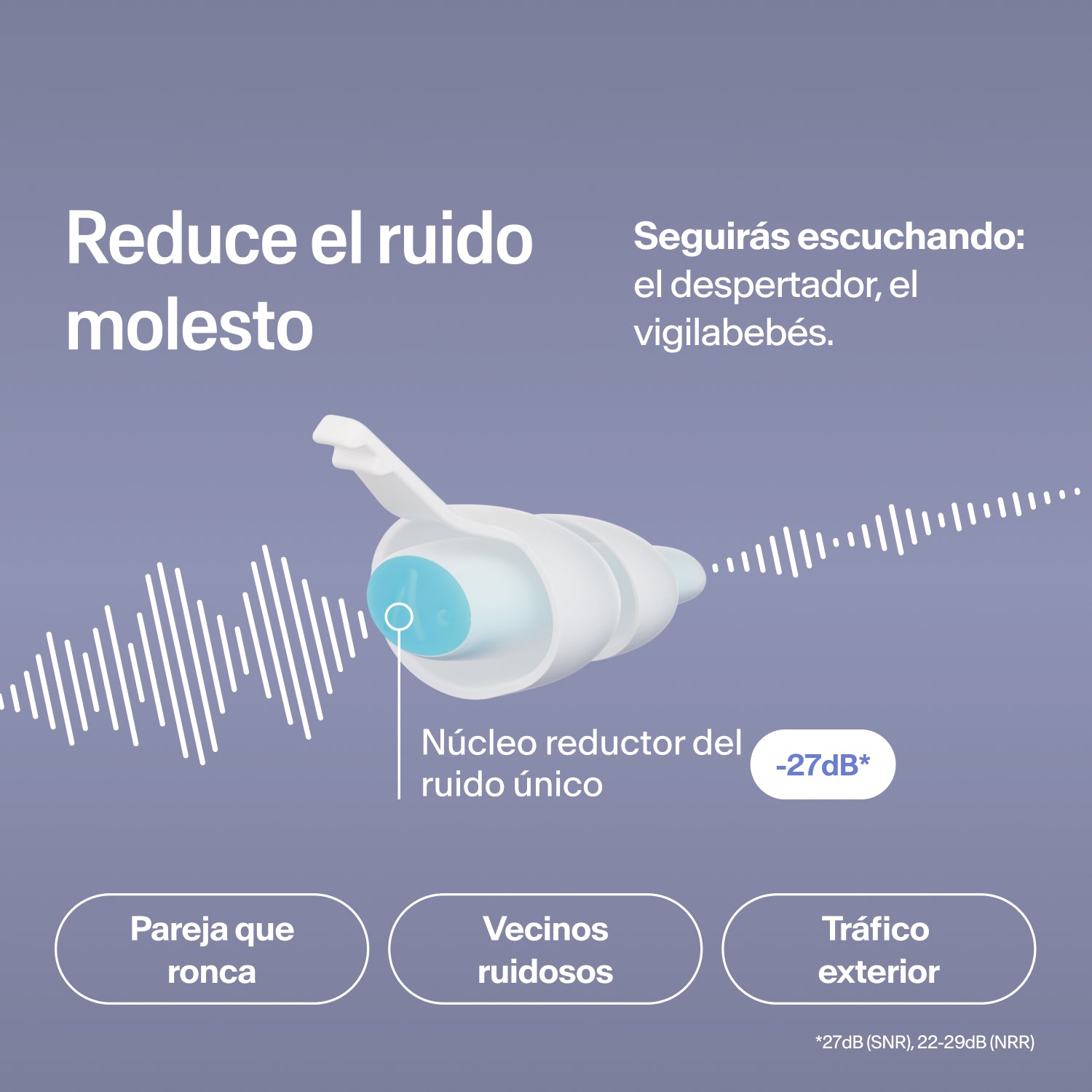
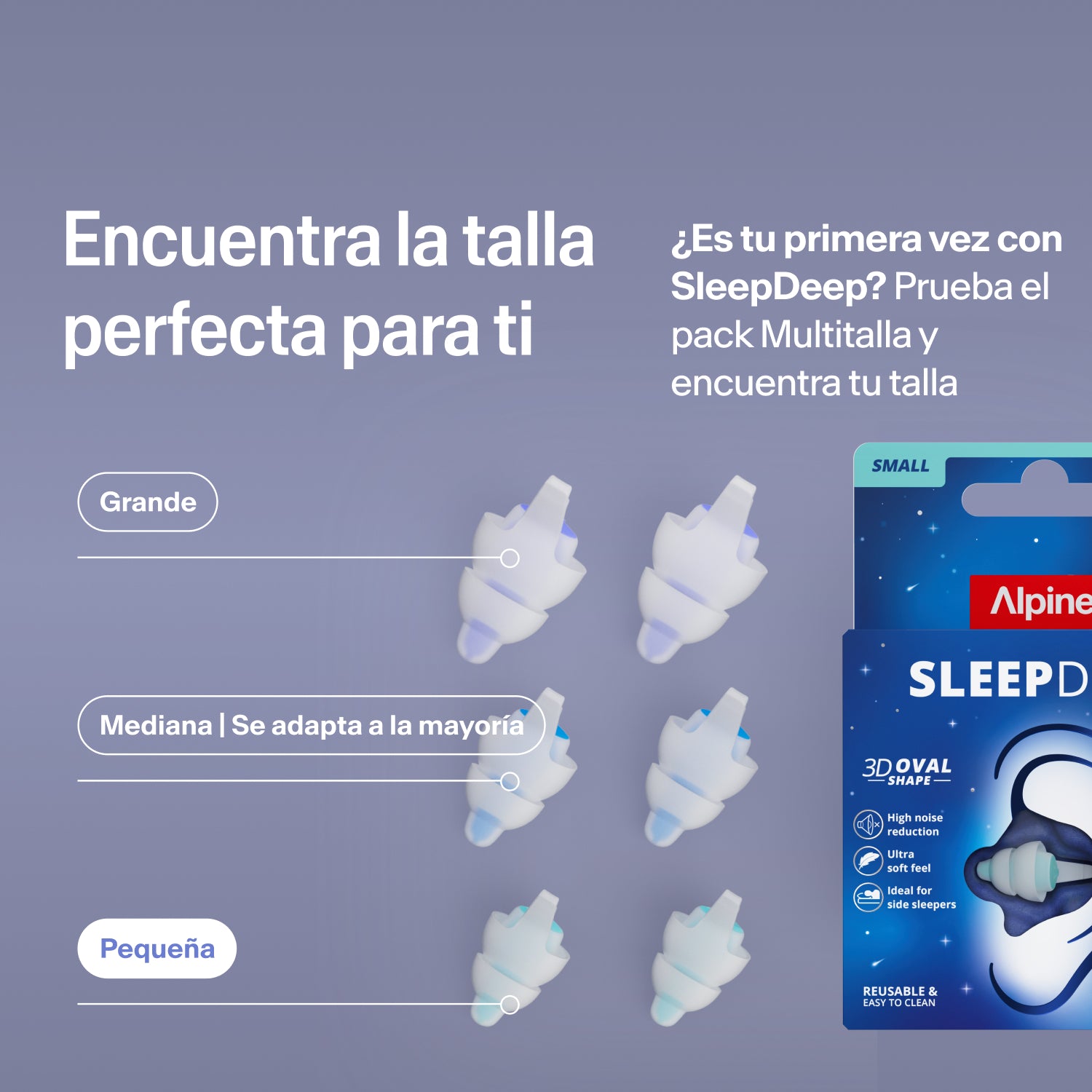
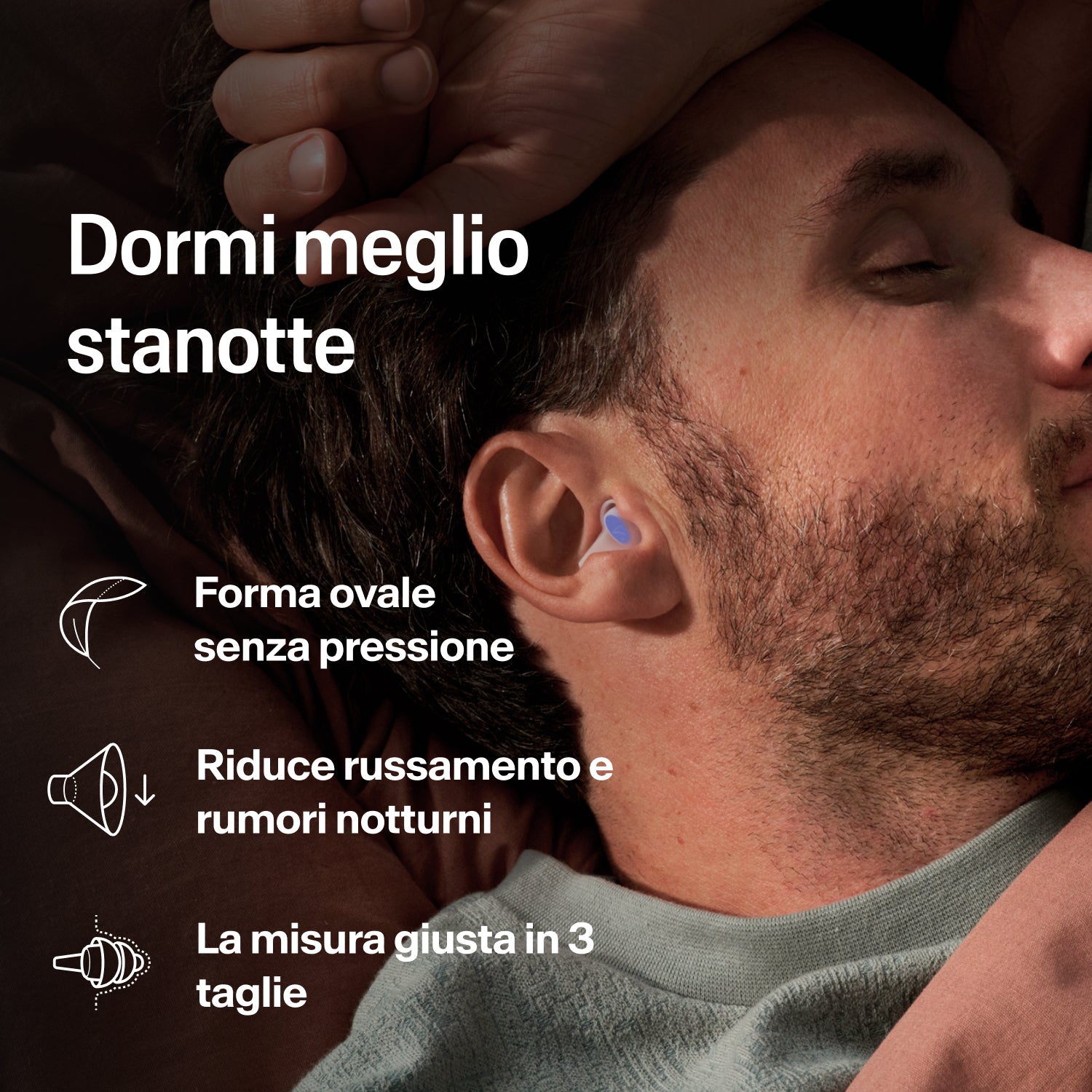
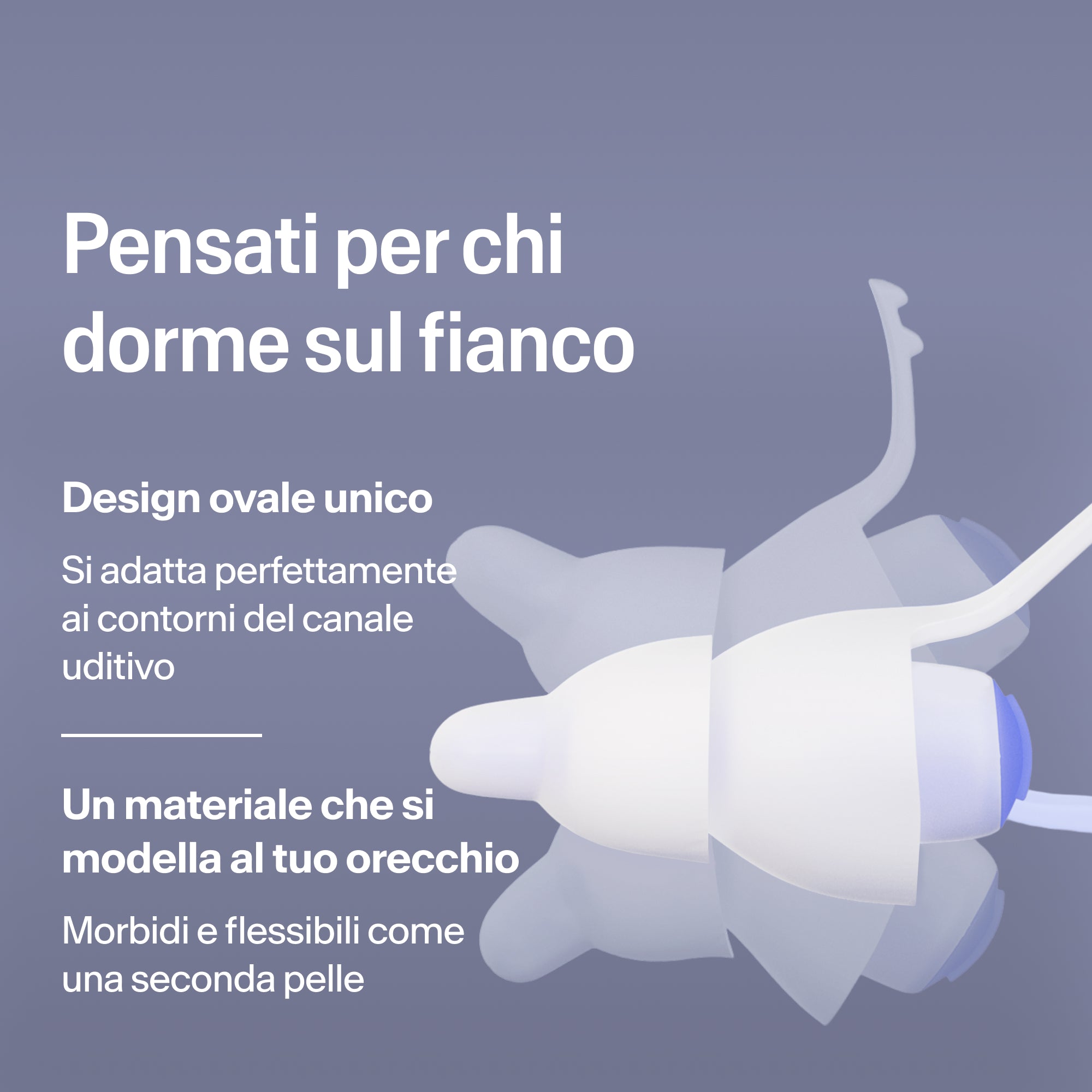
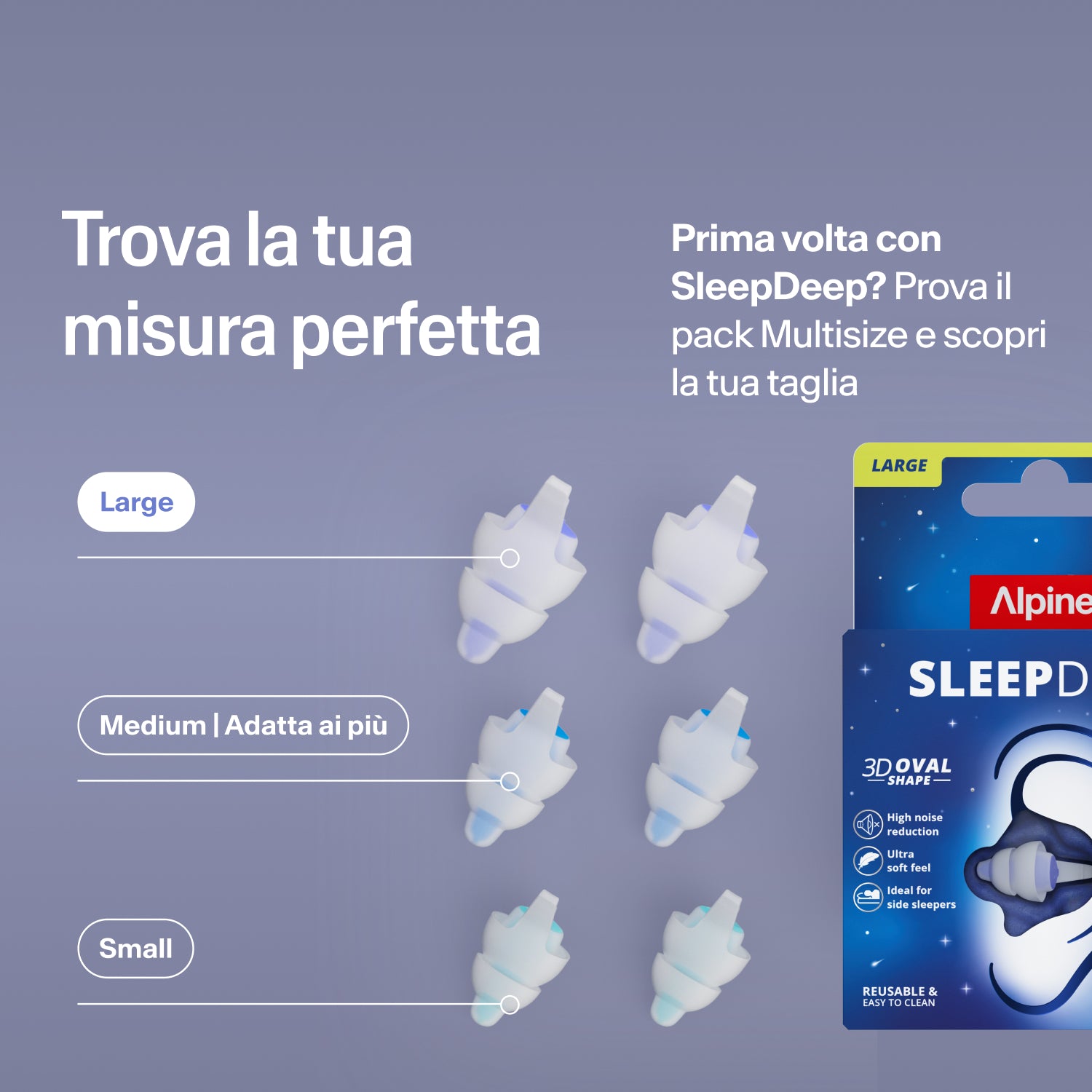
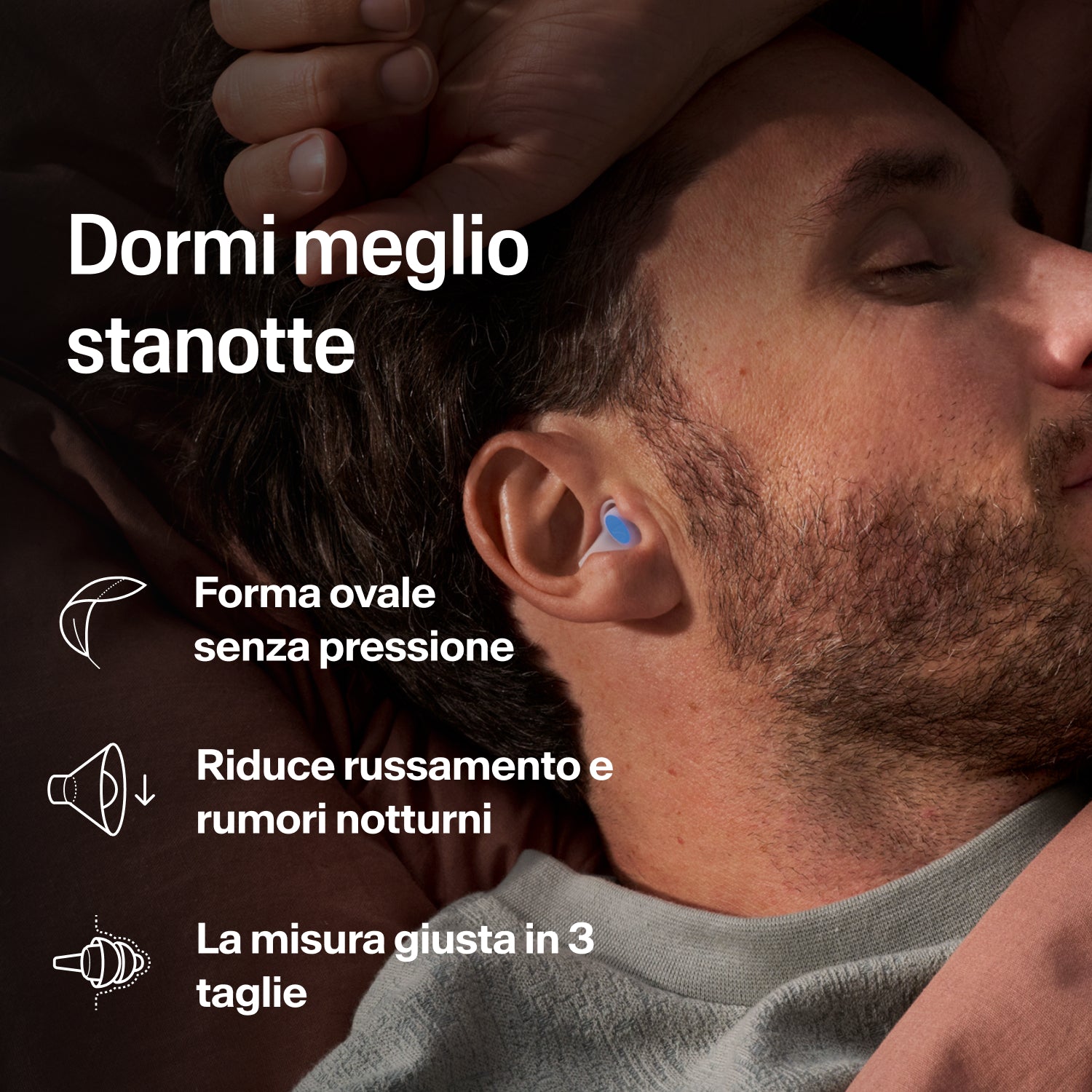
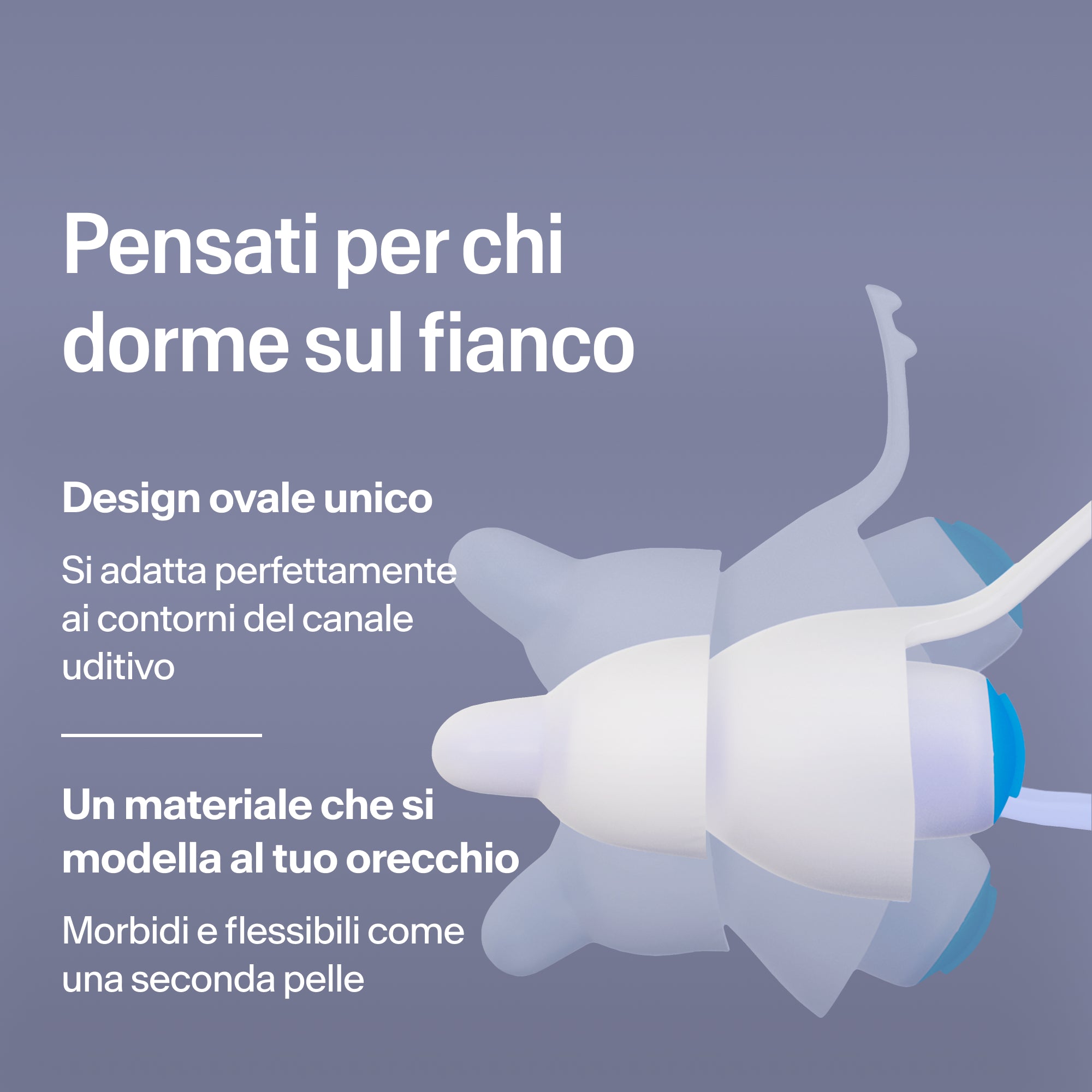
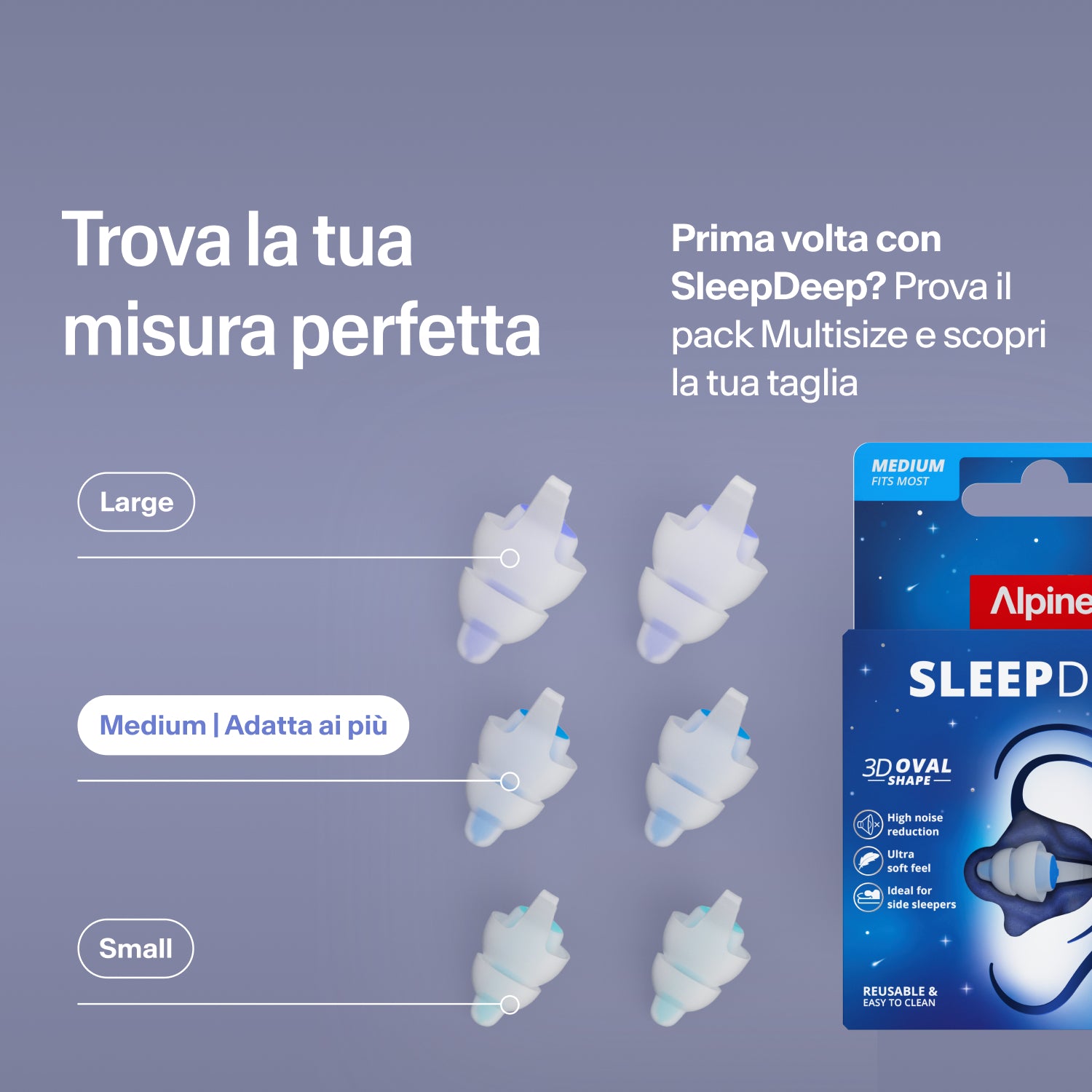
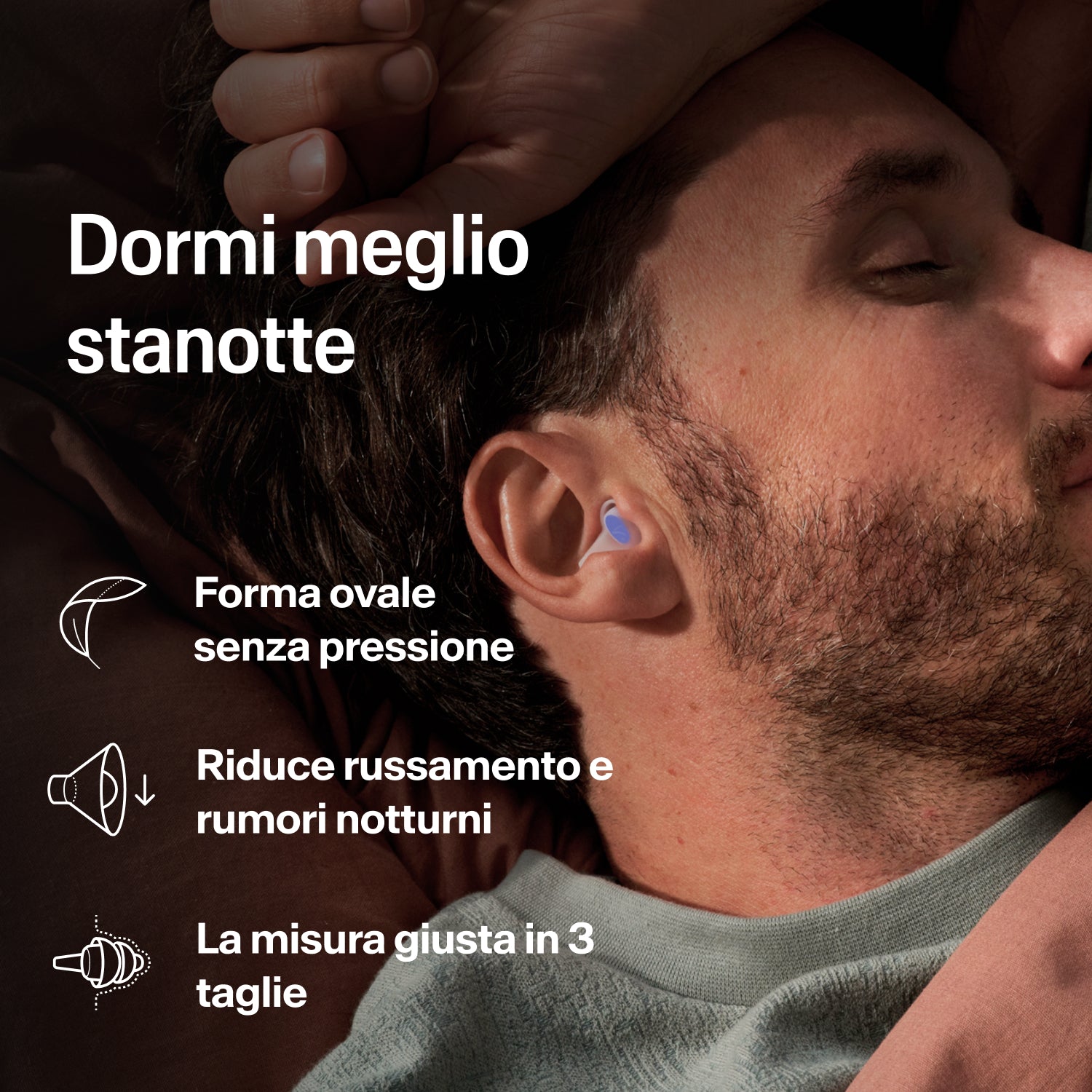
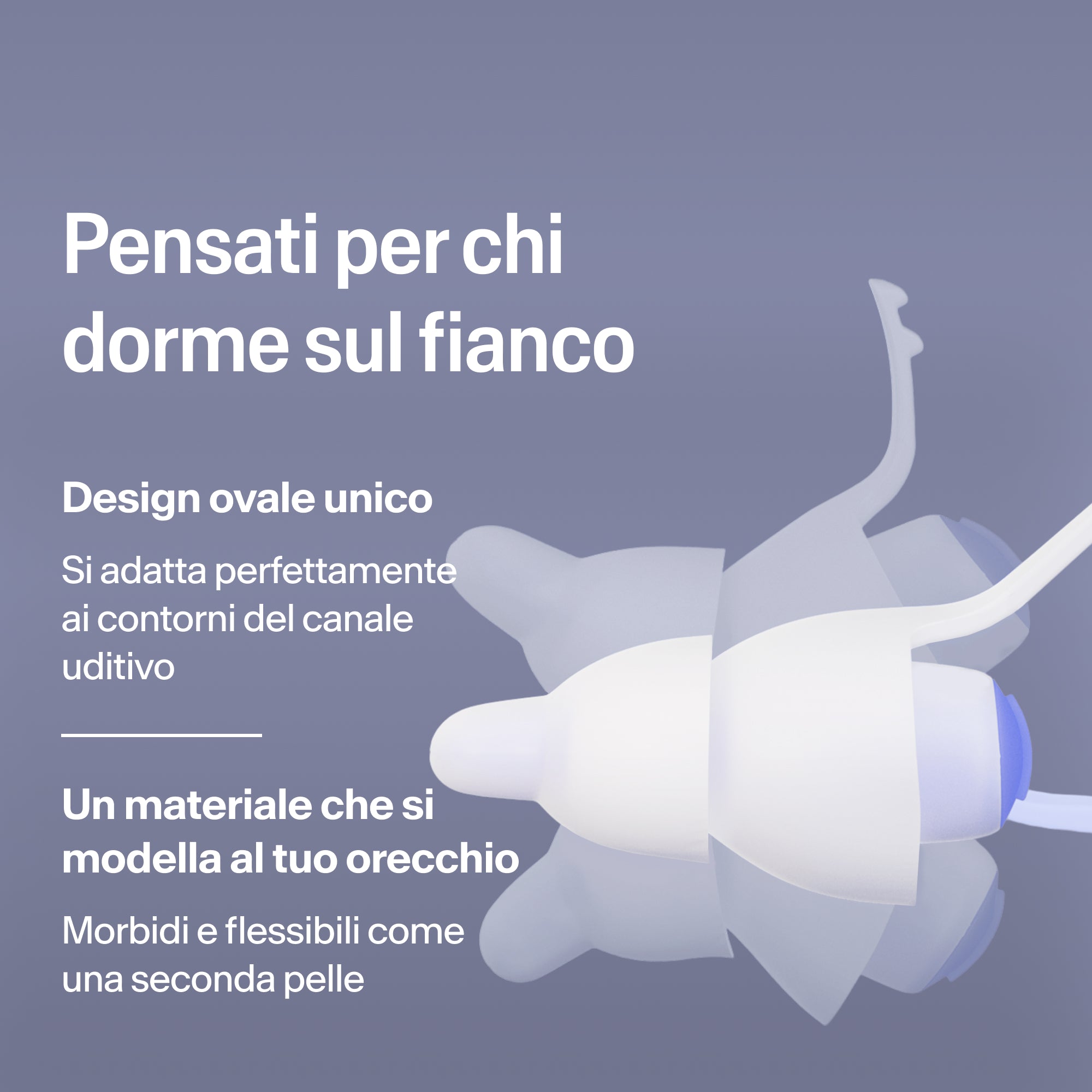
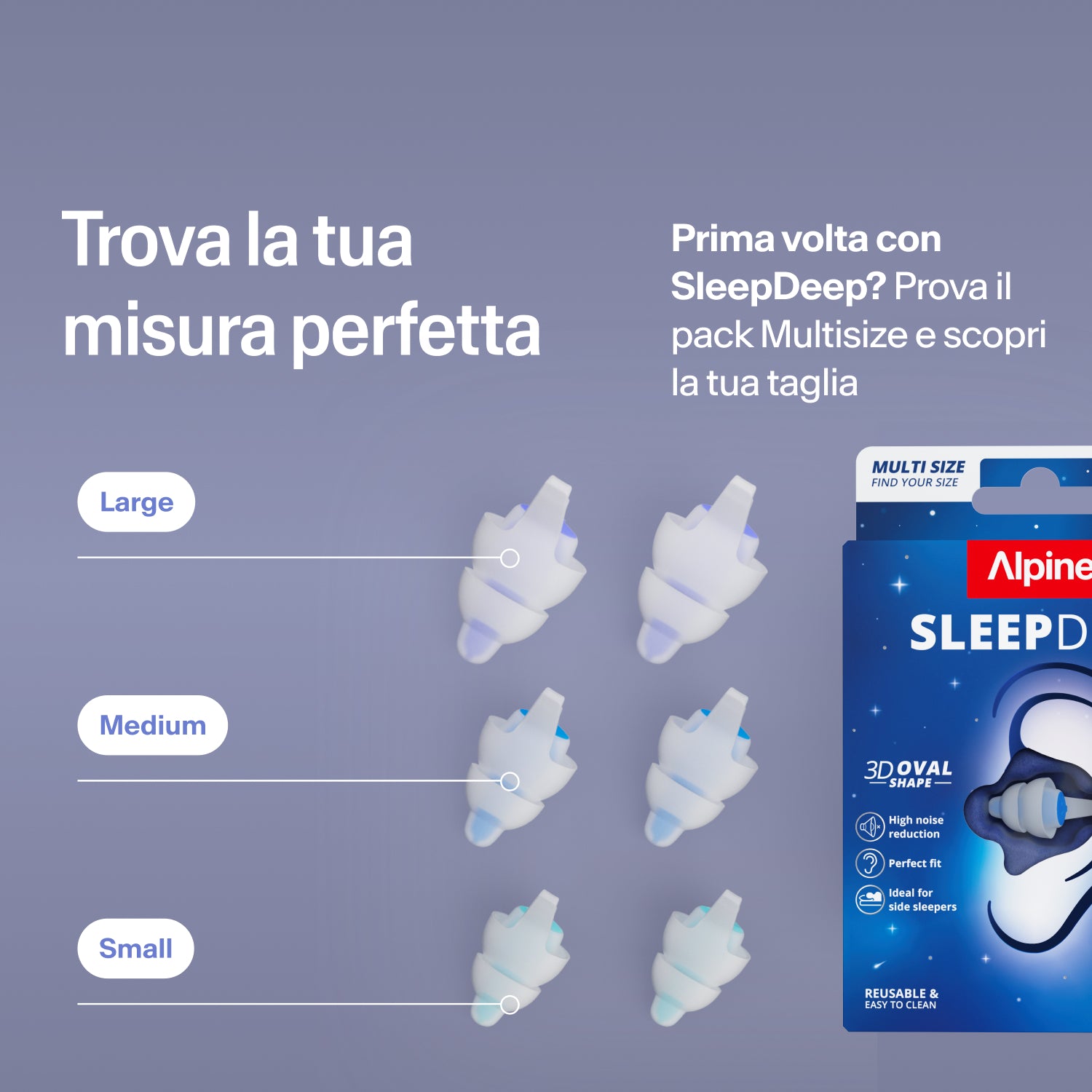
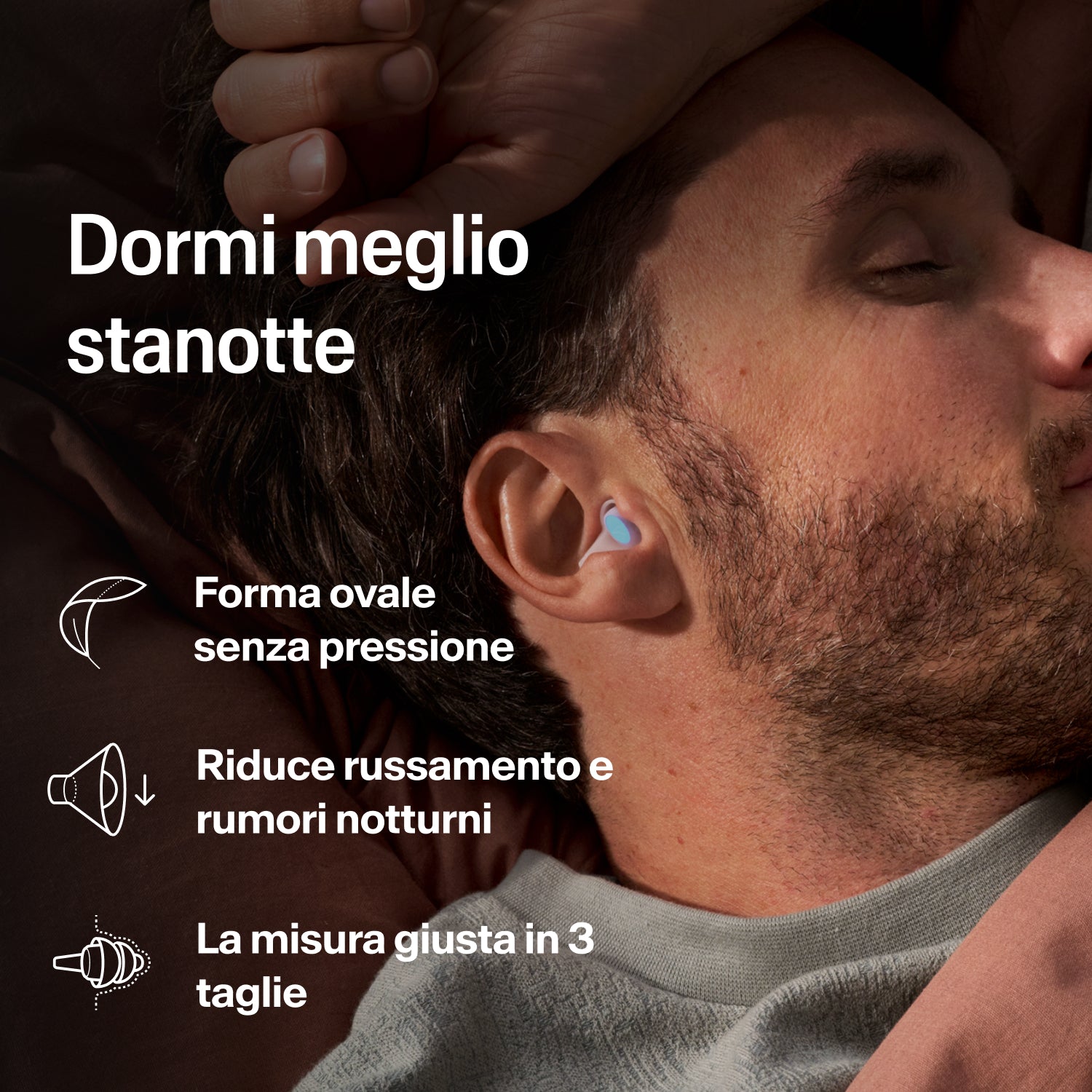
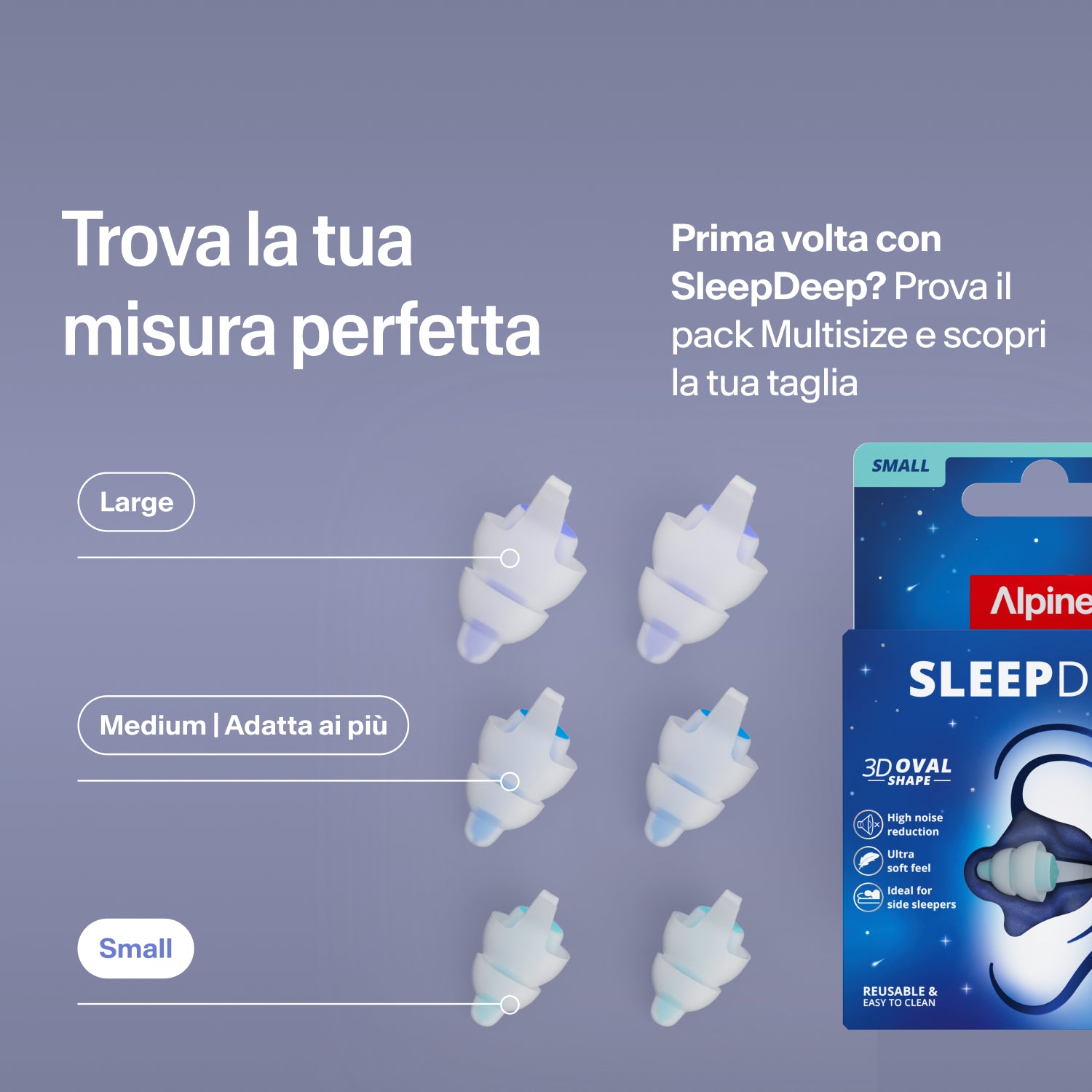
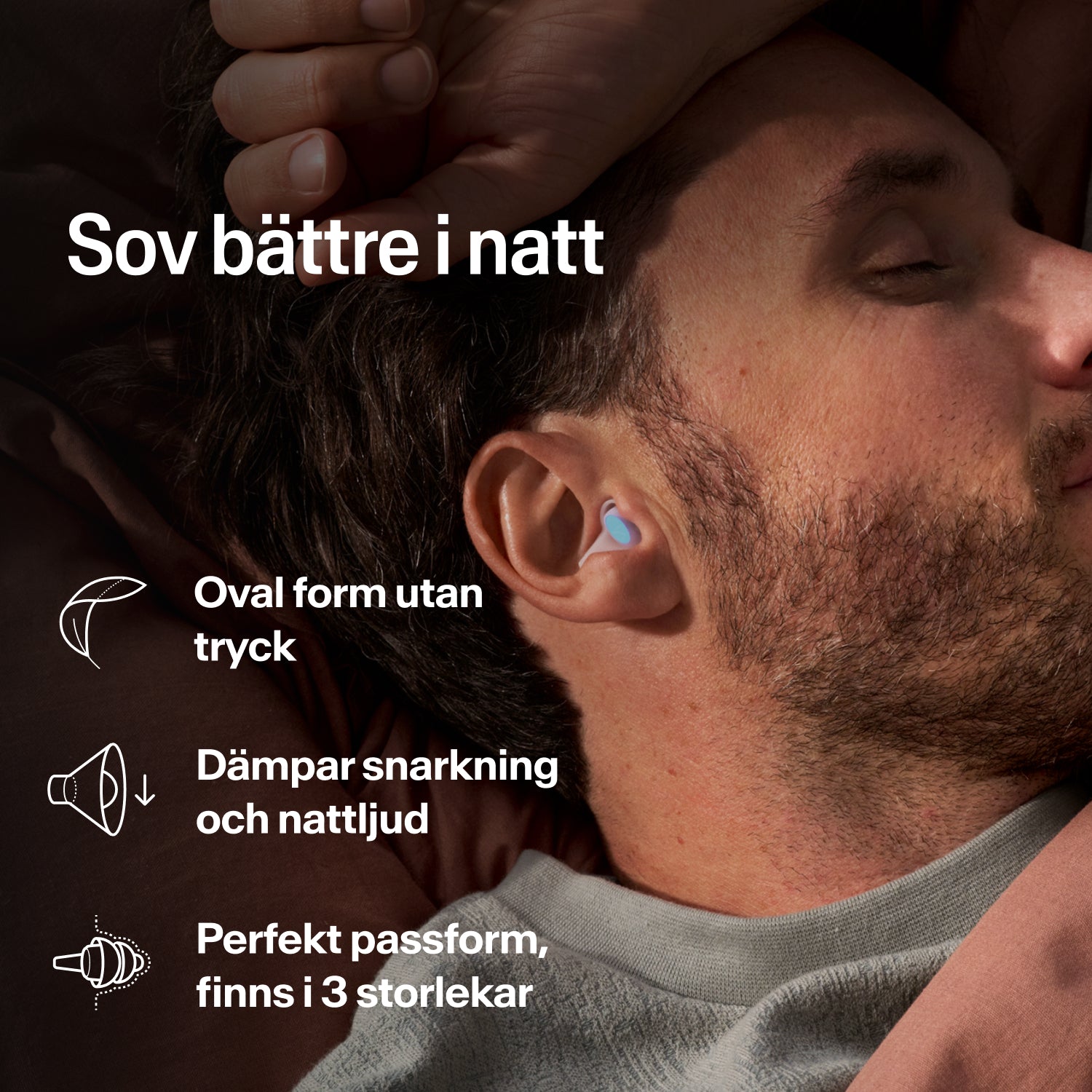
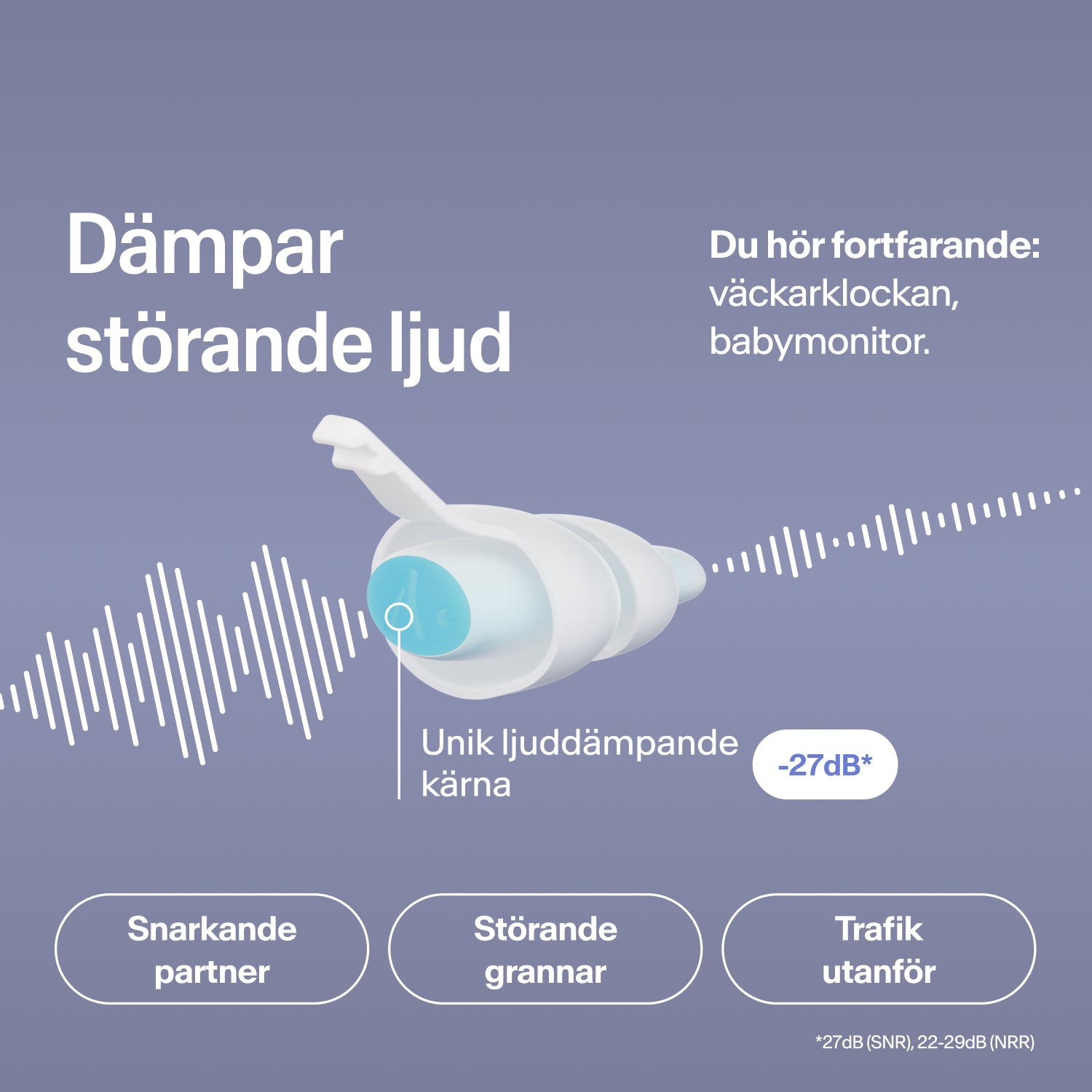
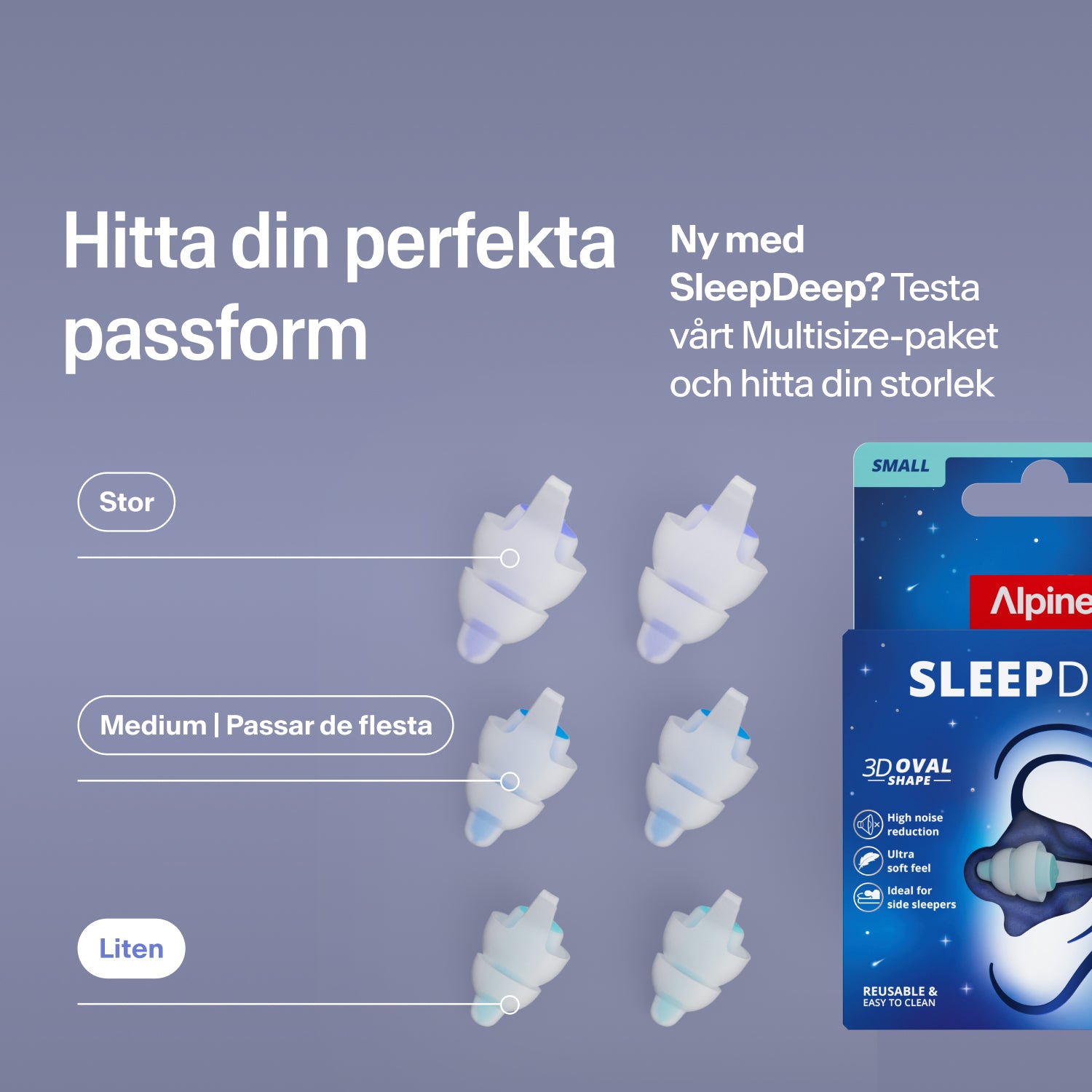
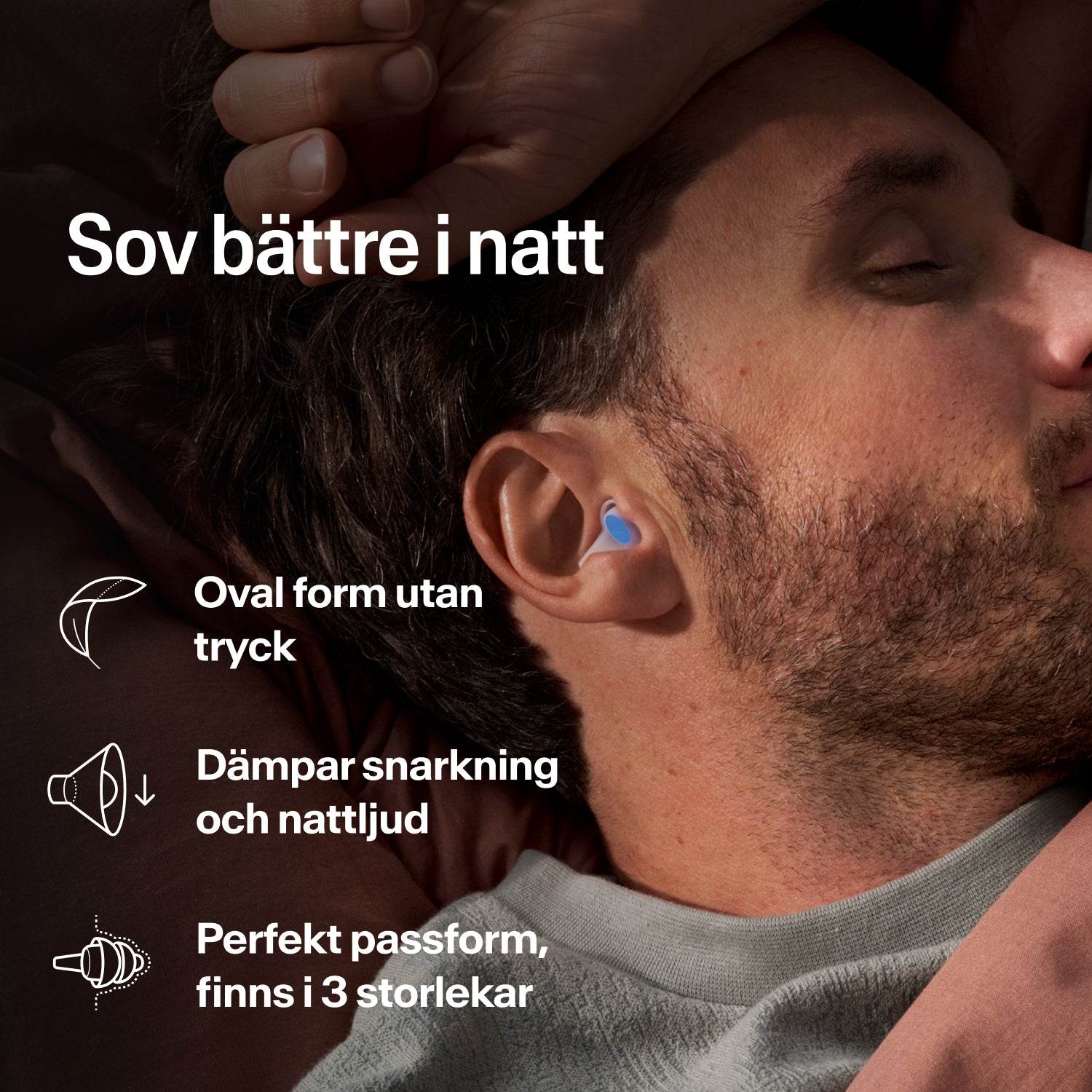
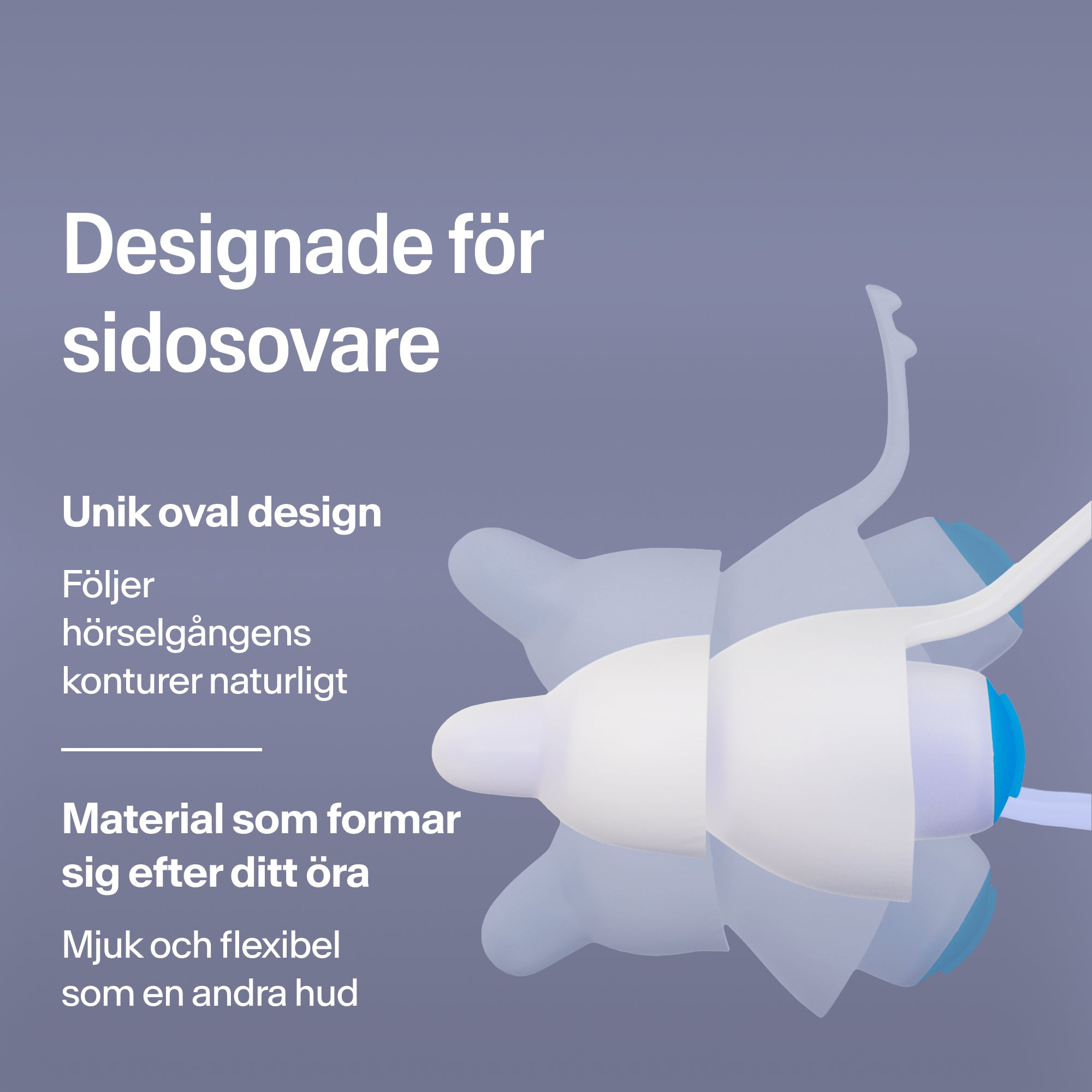
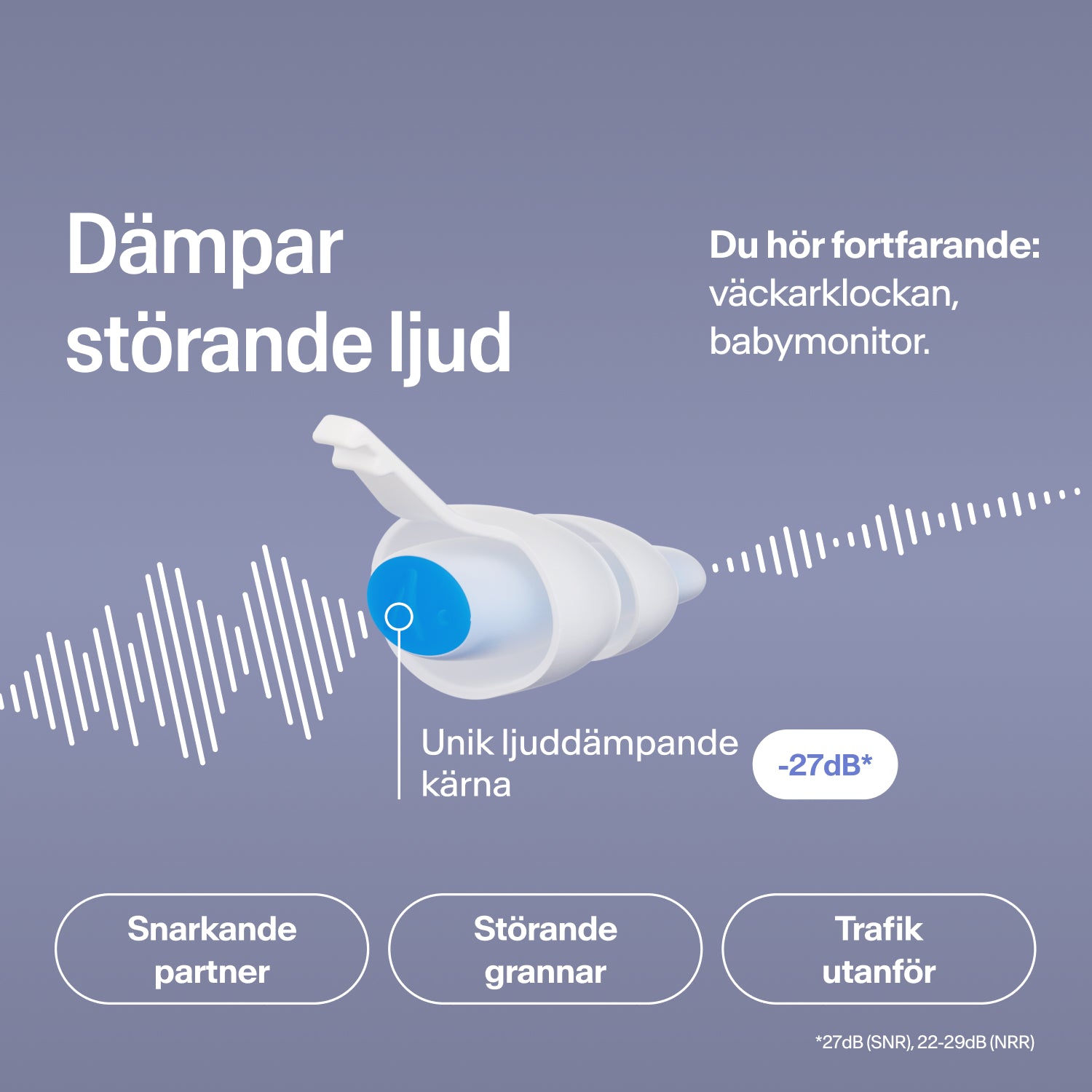
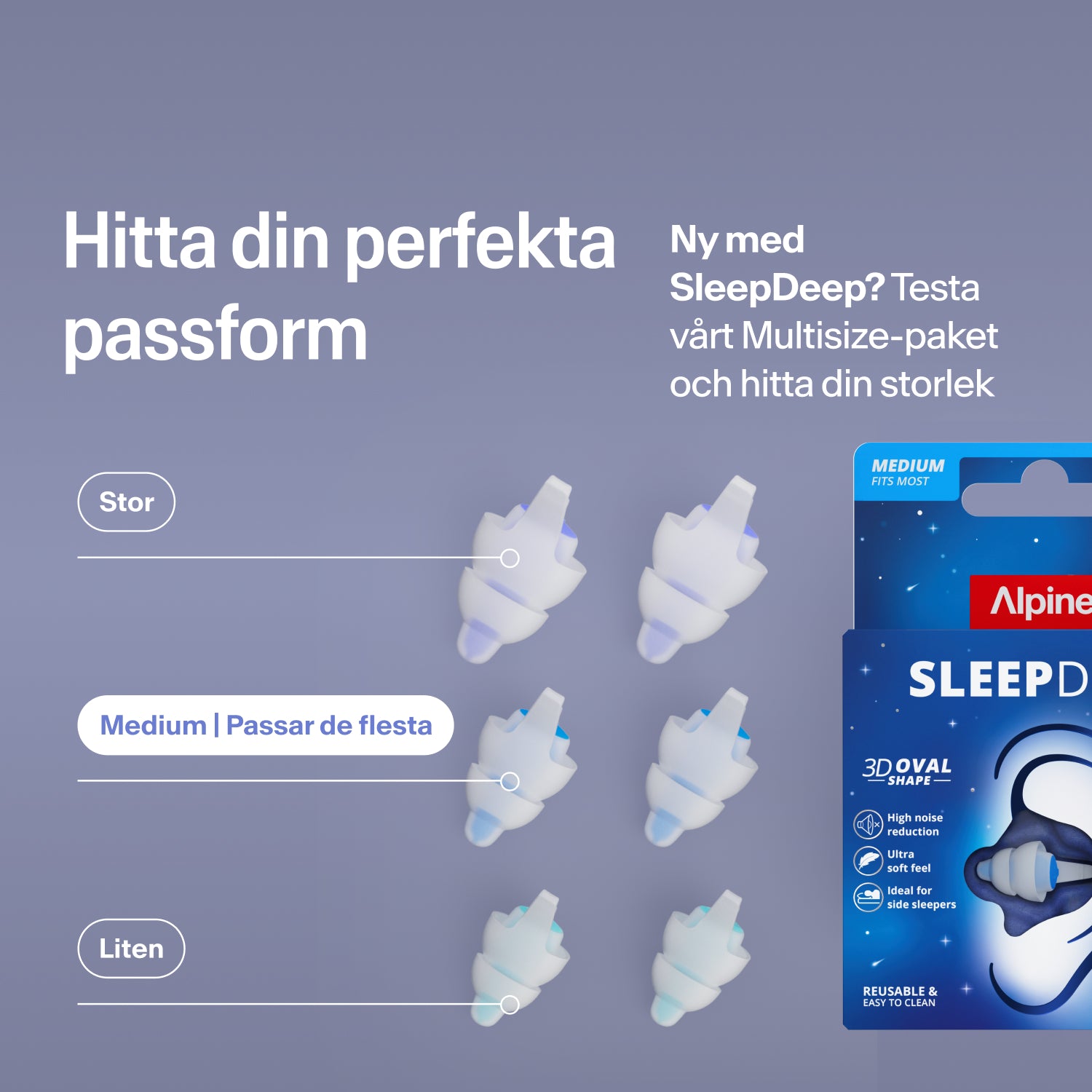
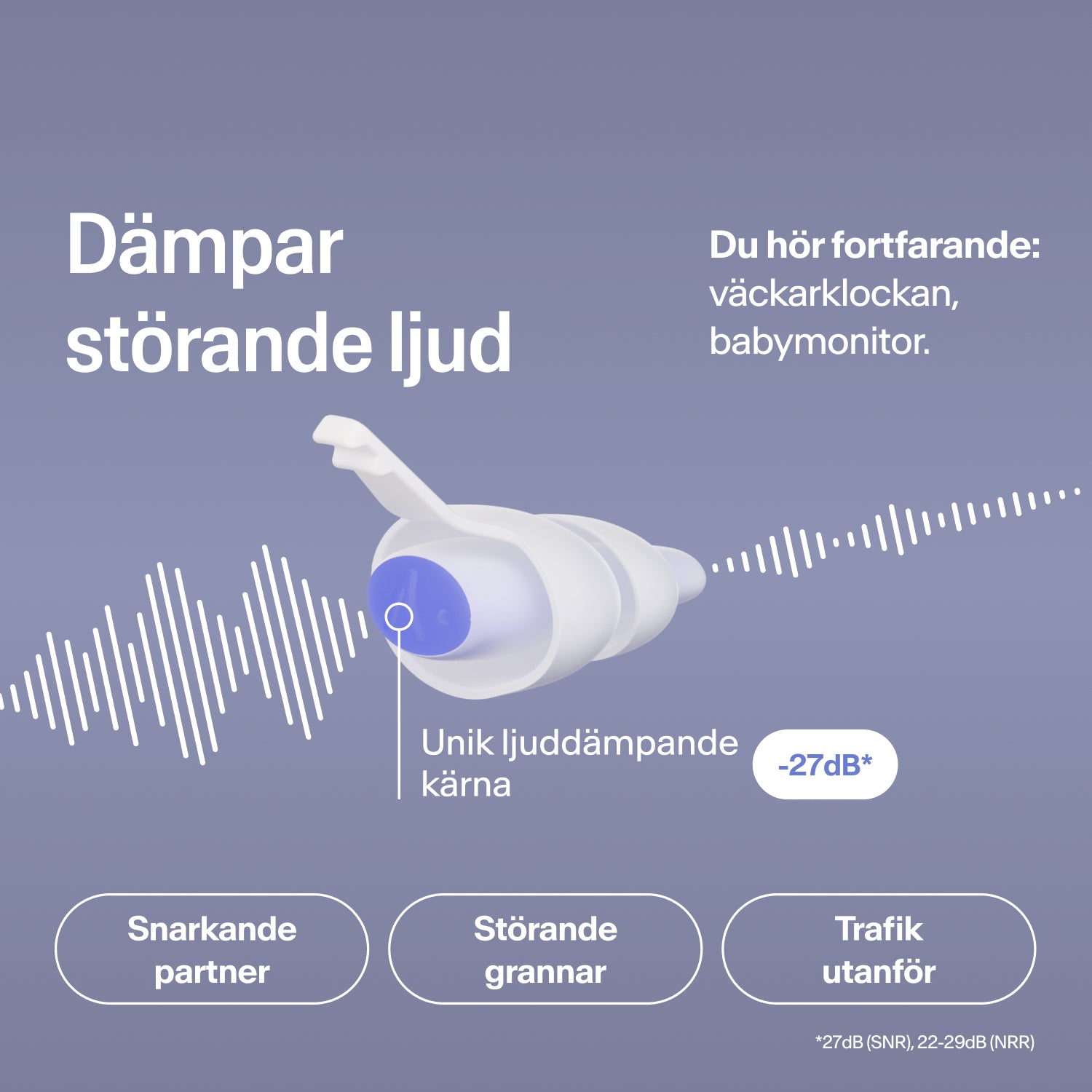
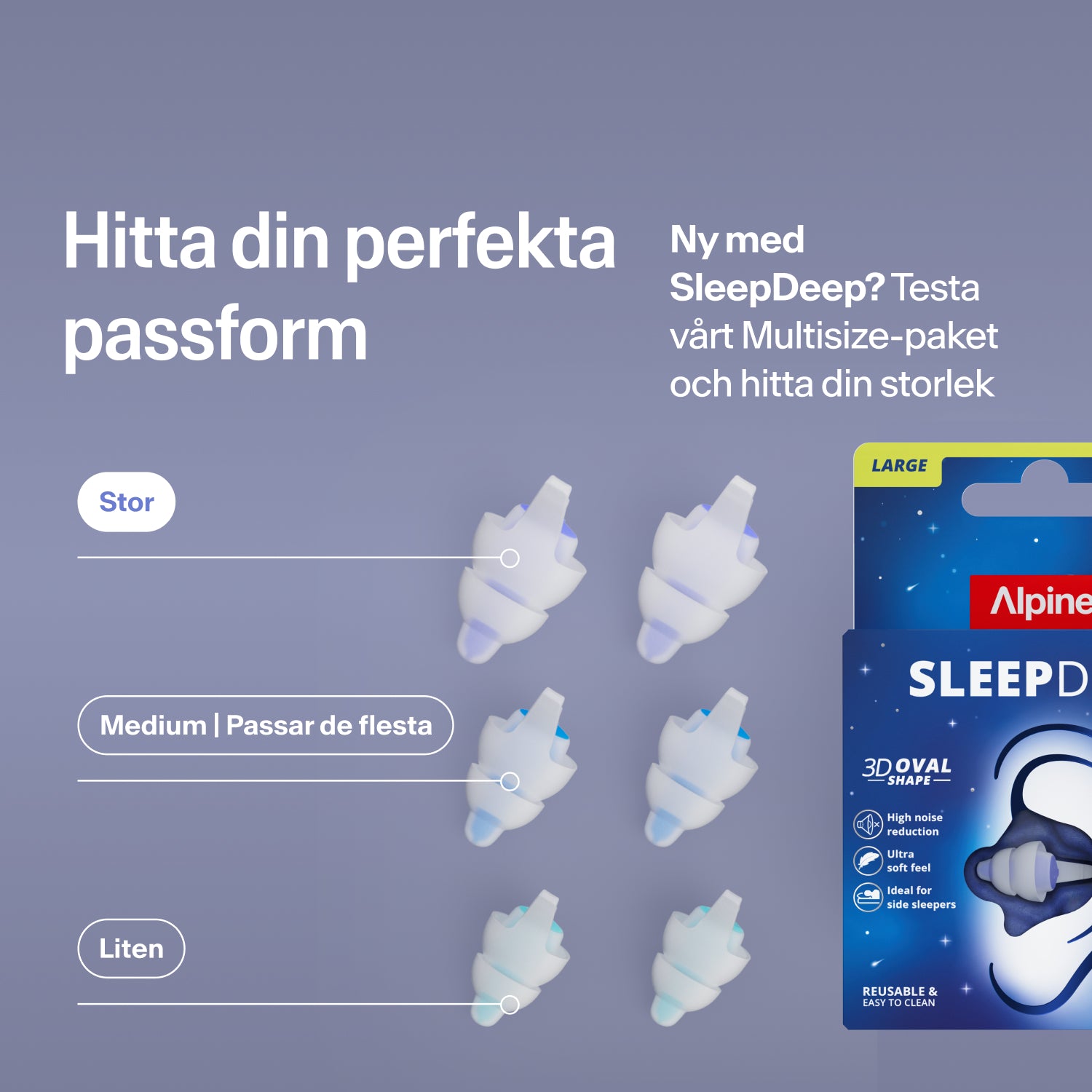
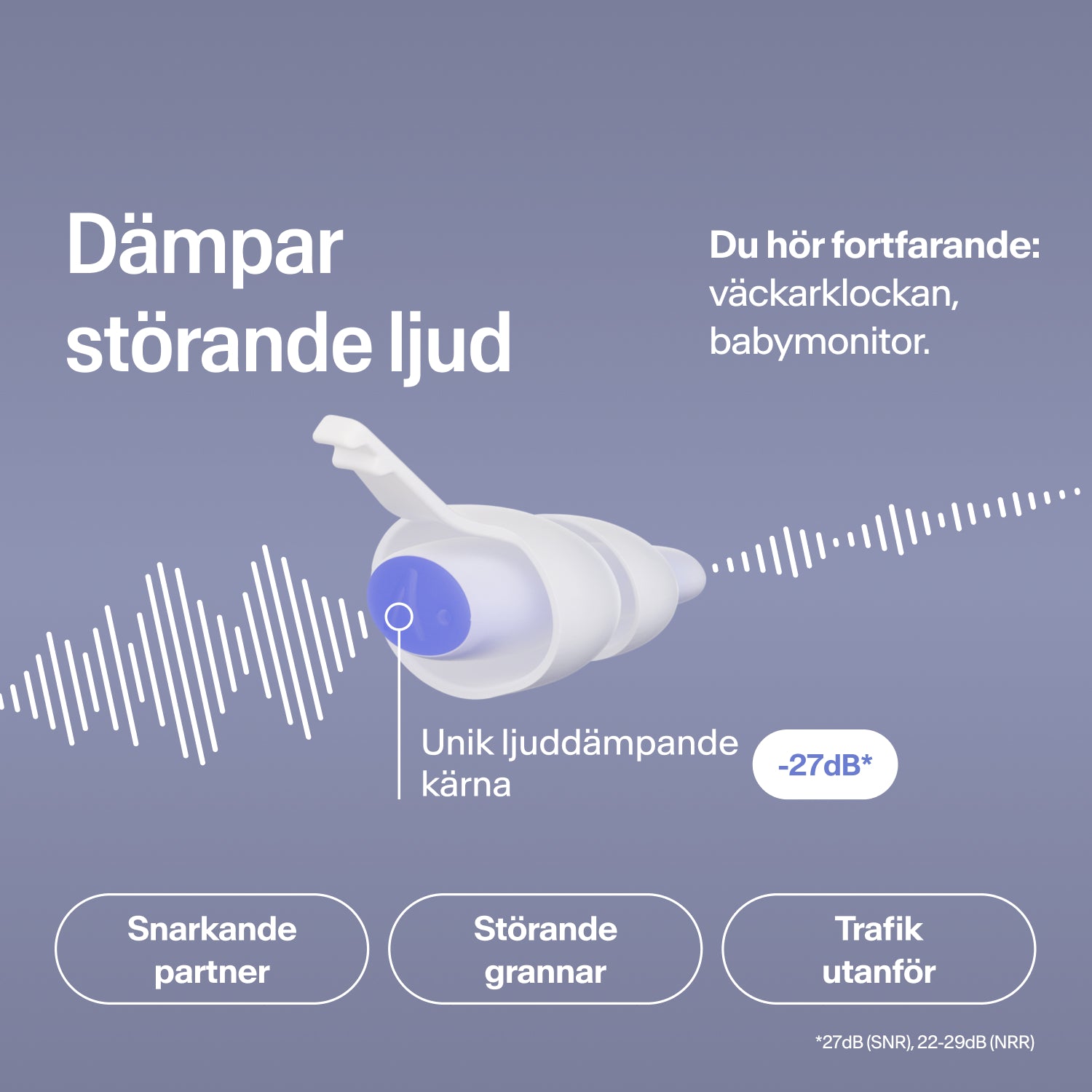
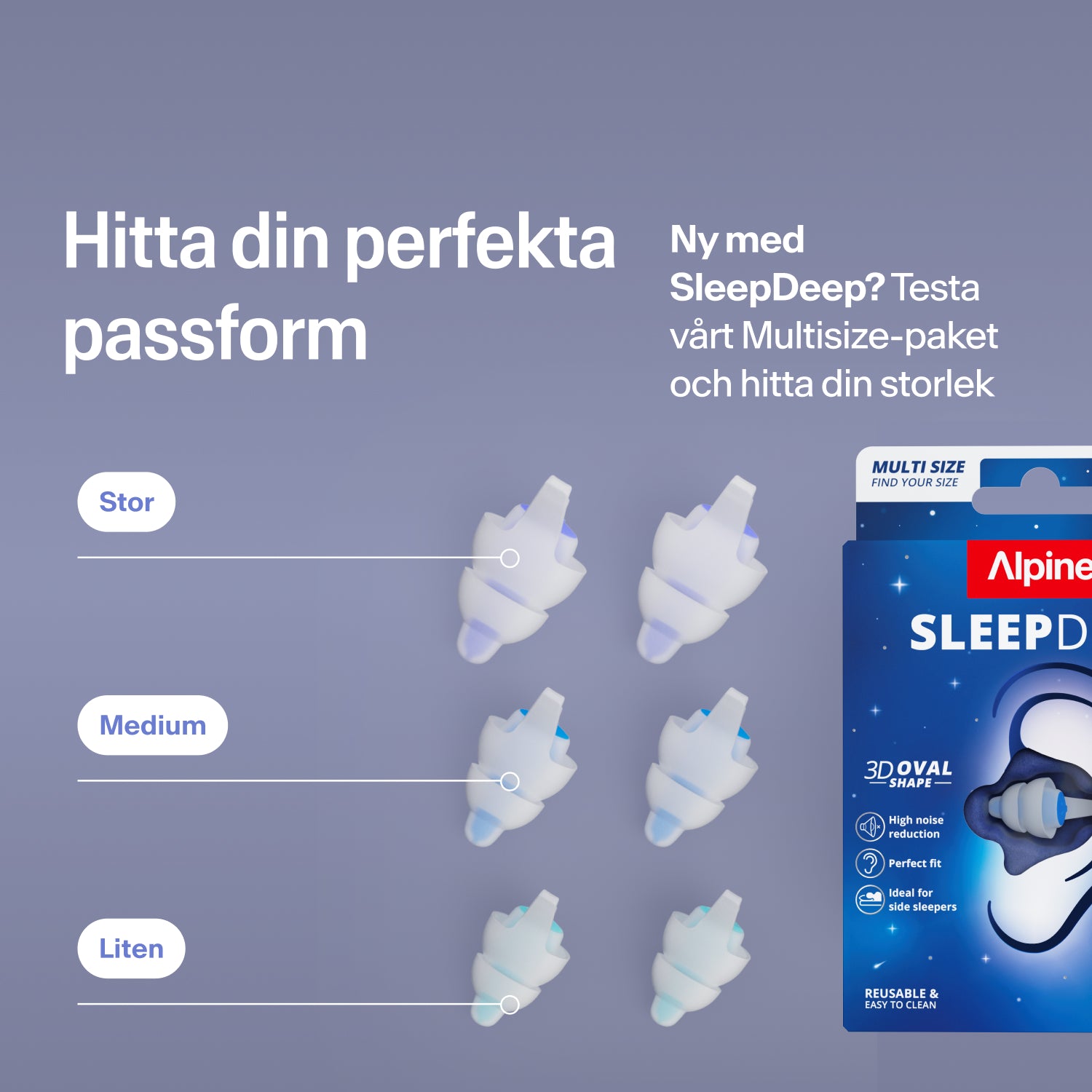
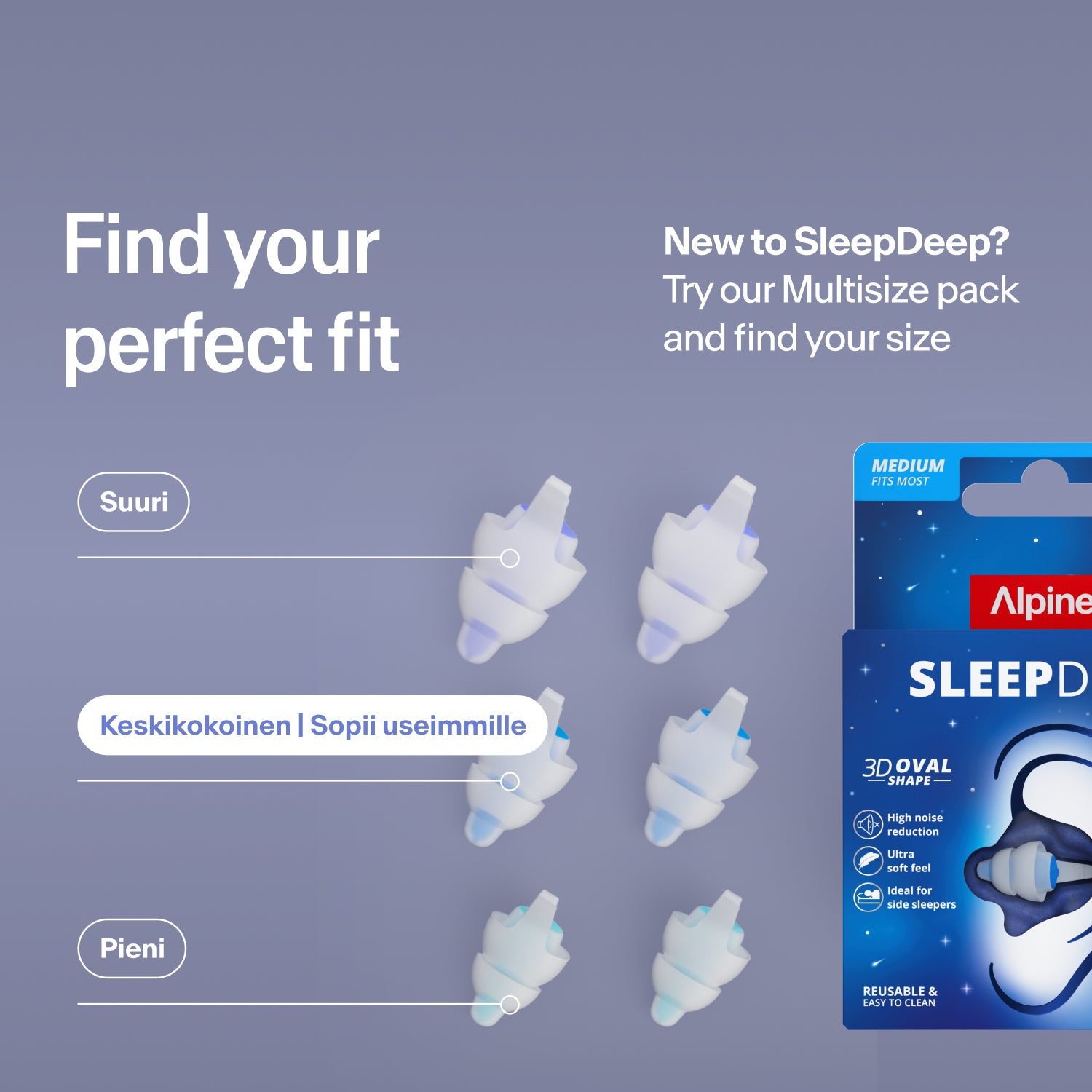
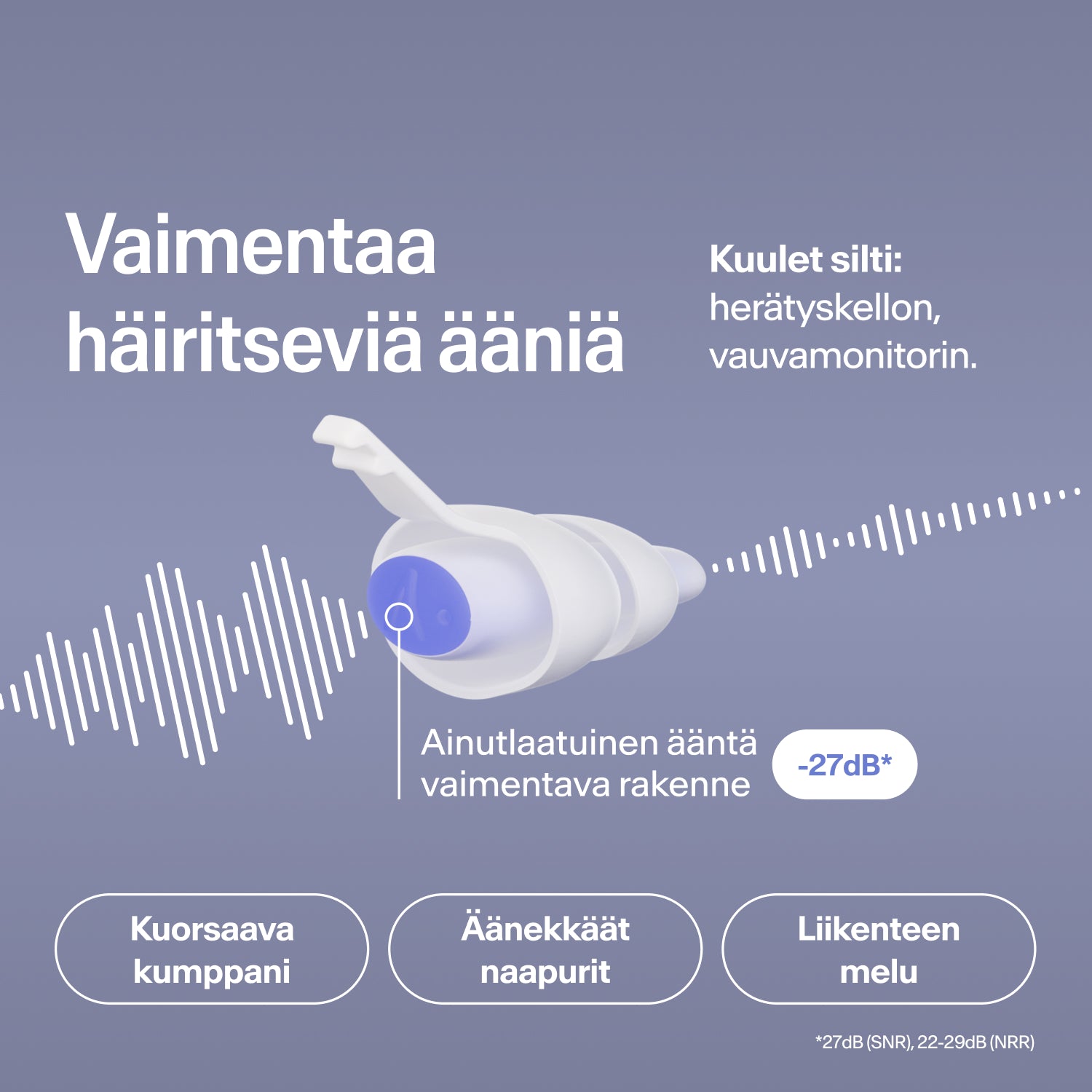
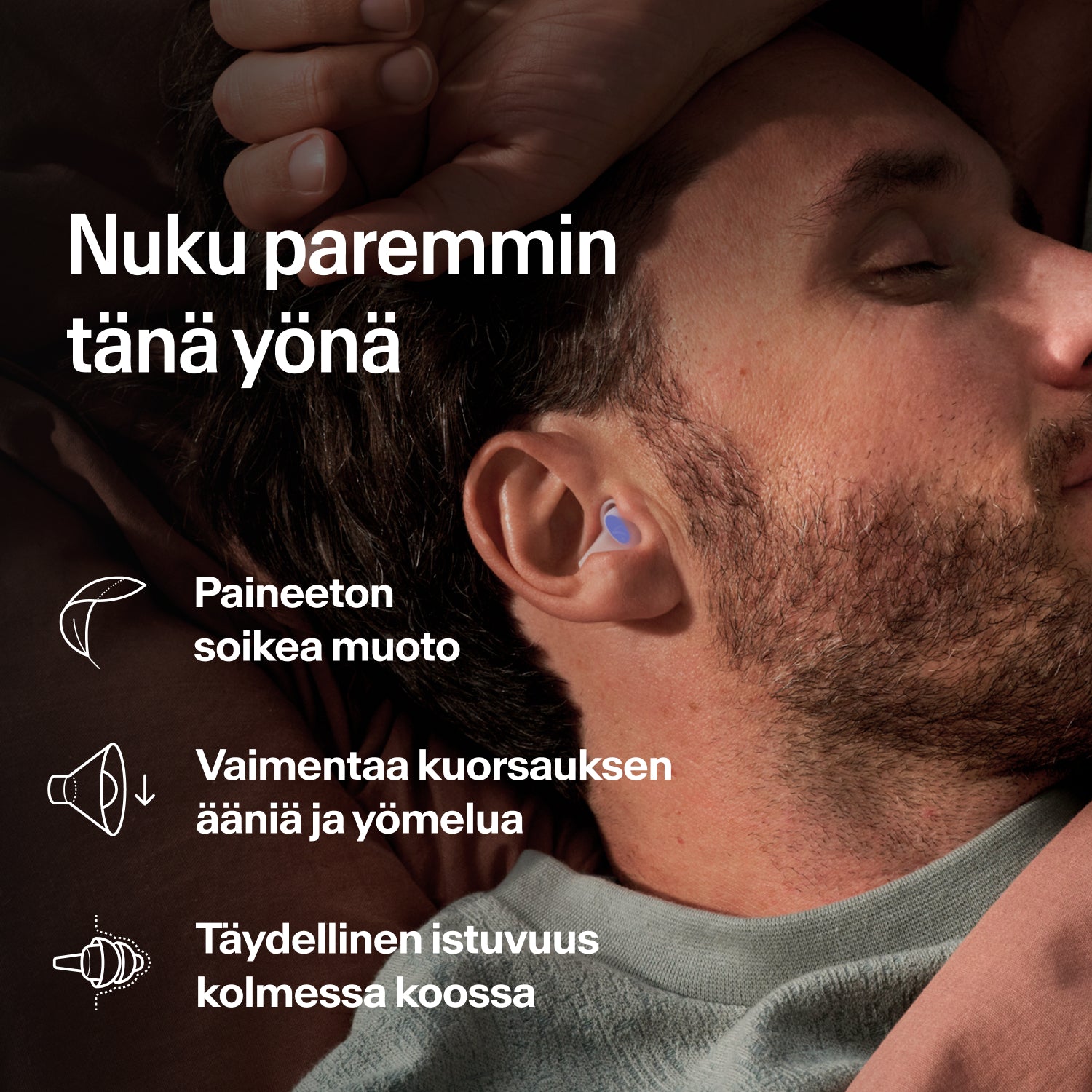
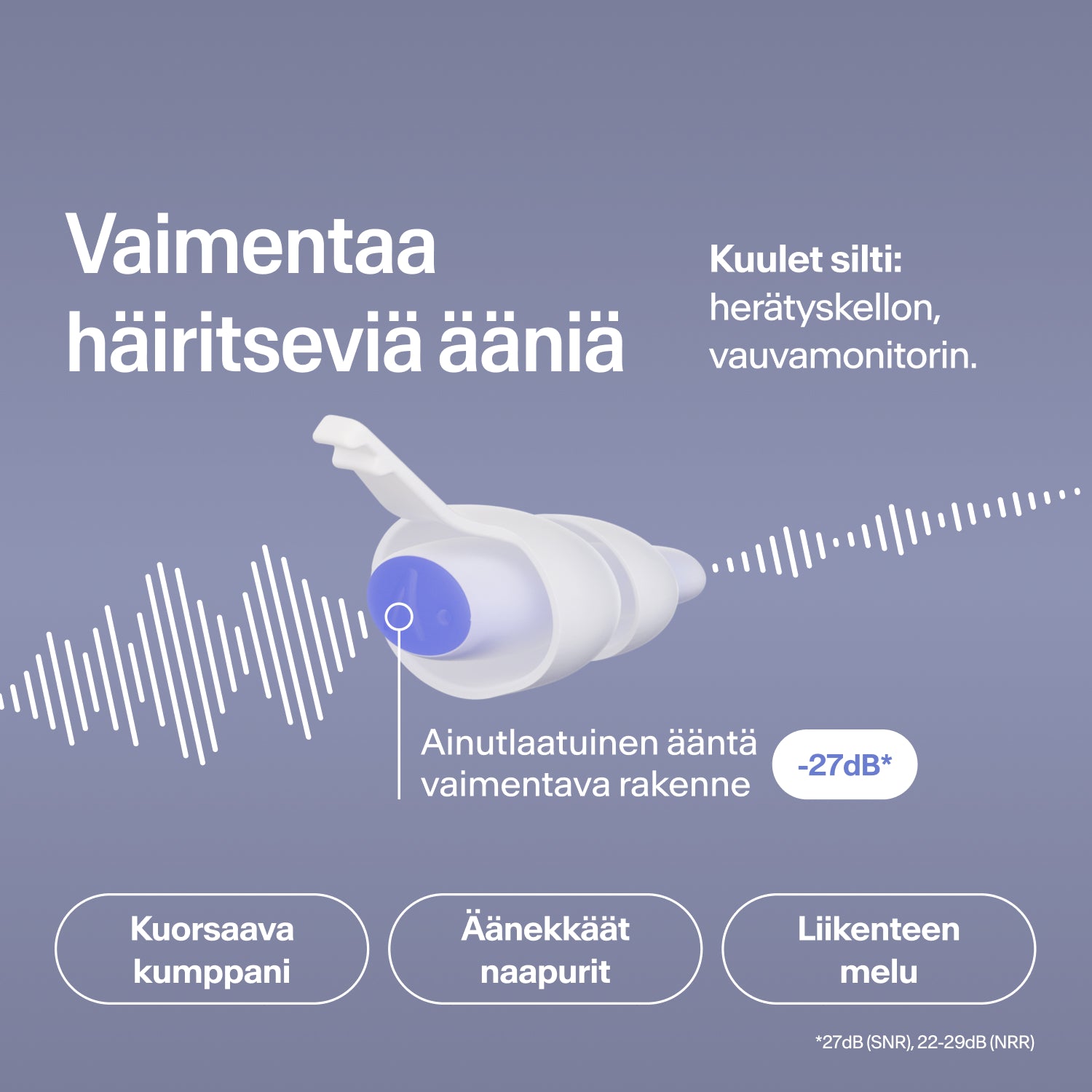
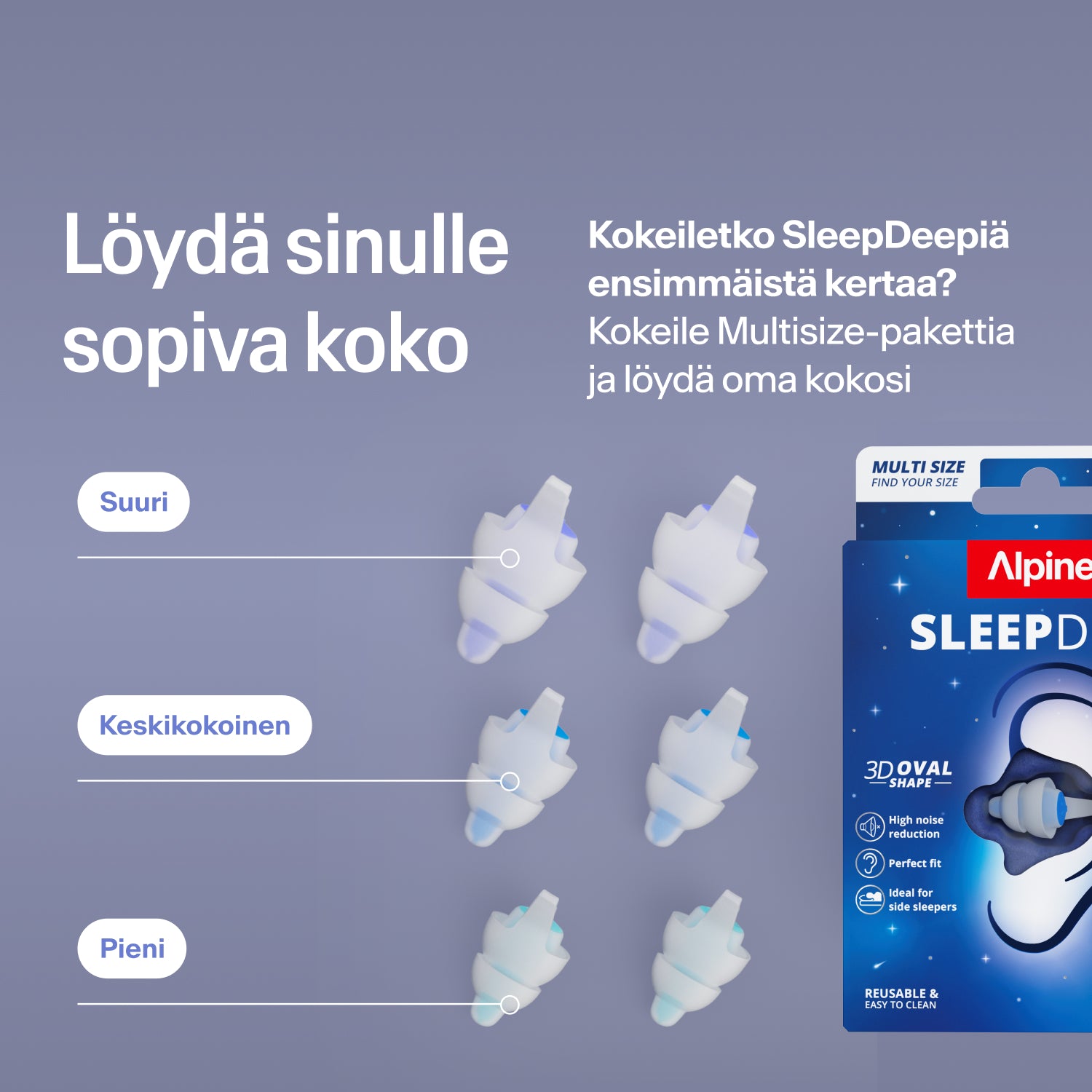
- Sleeping next to a loud snorer: SleepDeep reduces noise on average 27 dB, the highest in our reusable range, and comes in S, M and L for a flush fit.
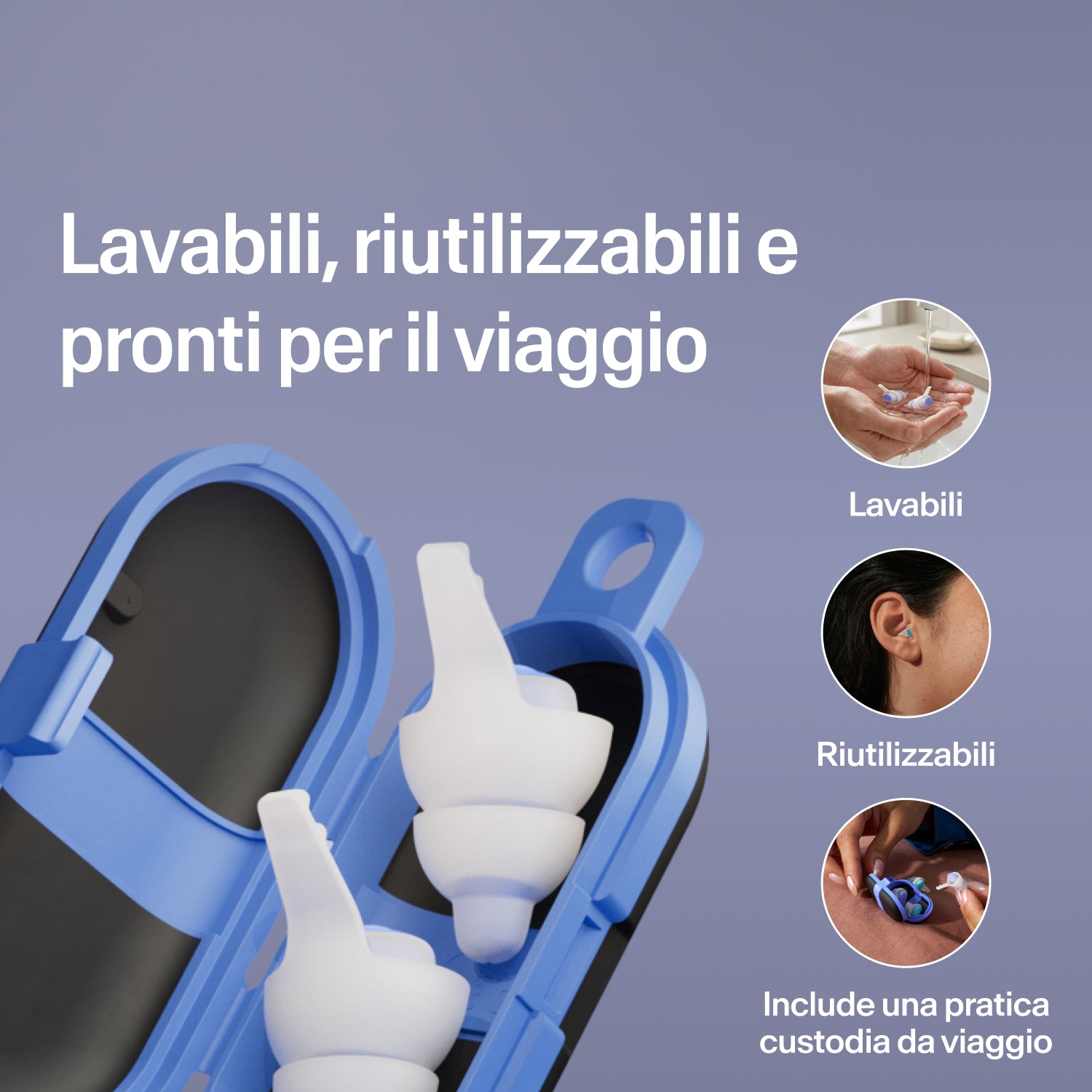
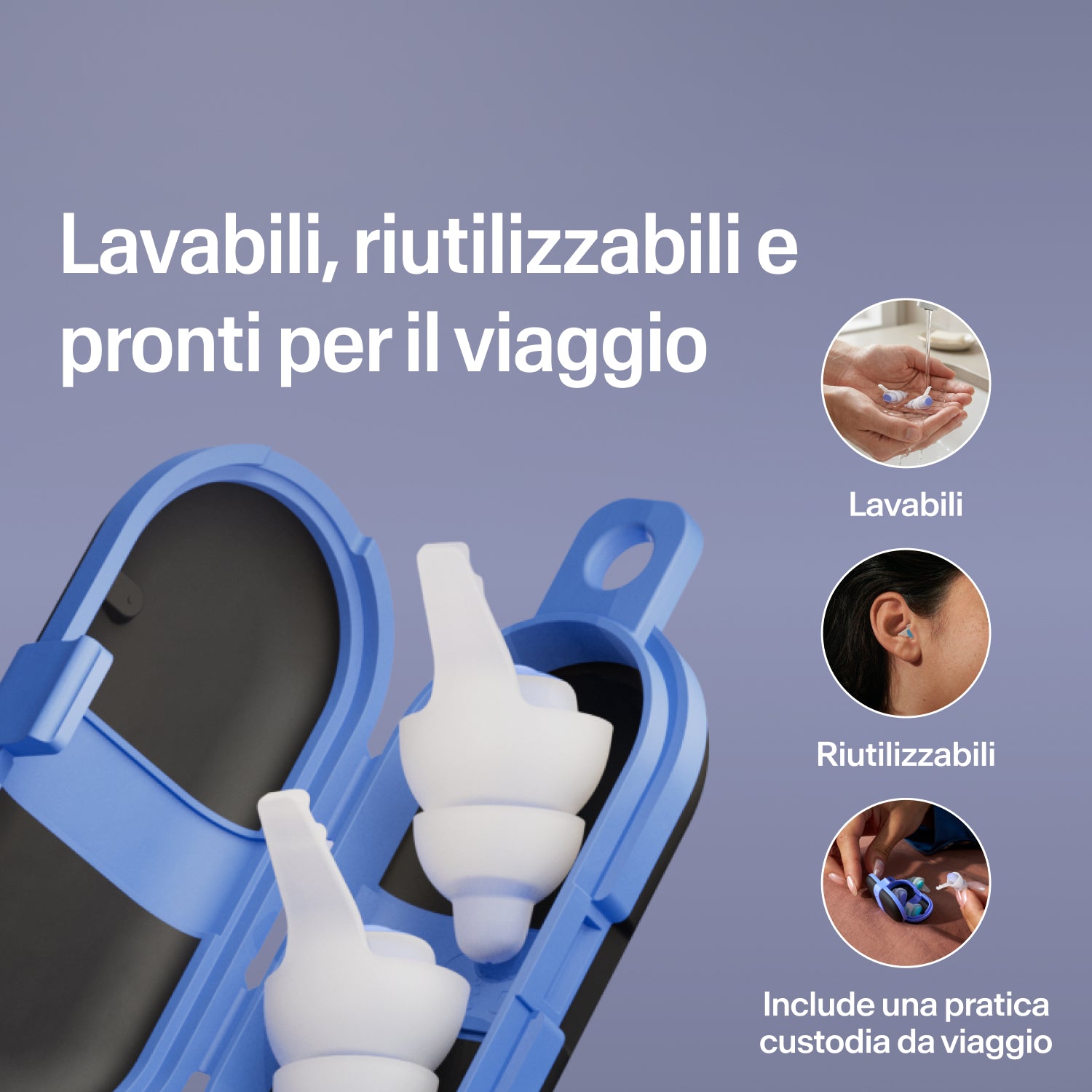
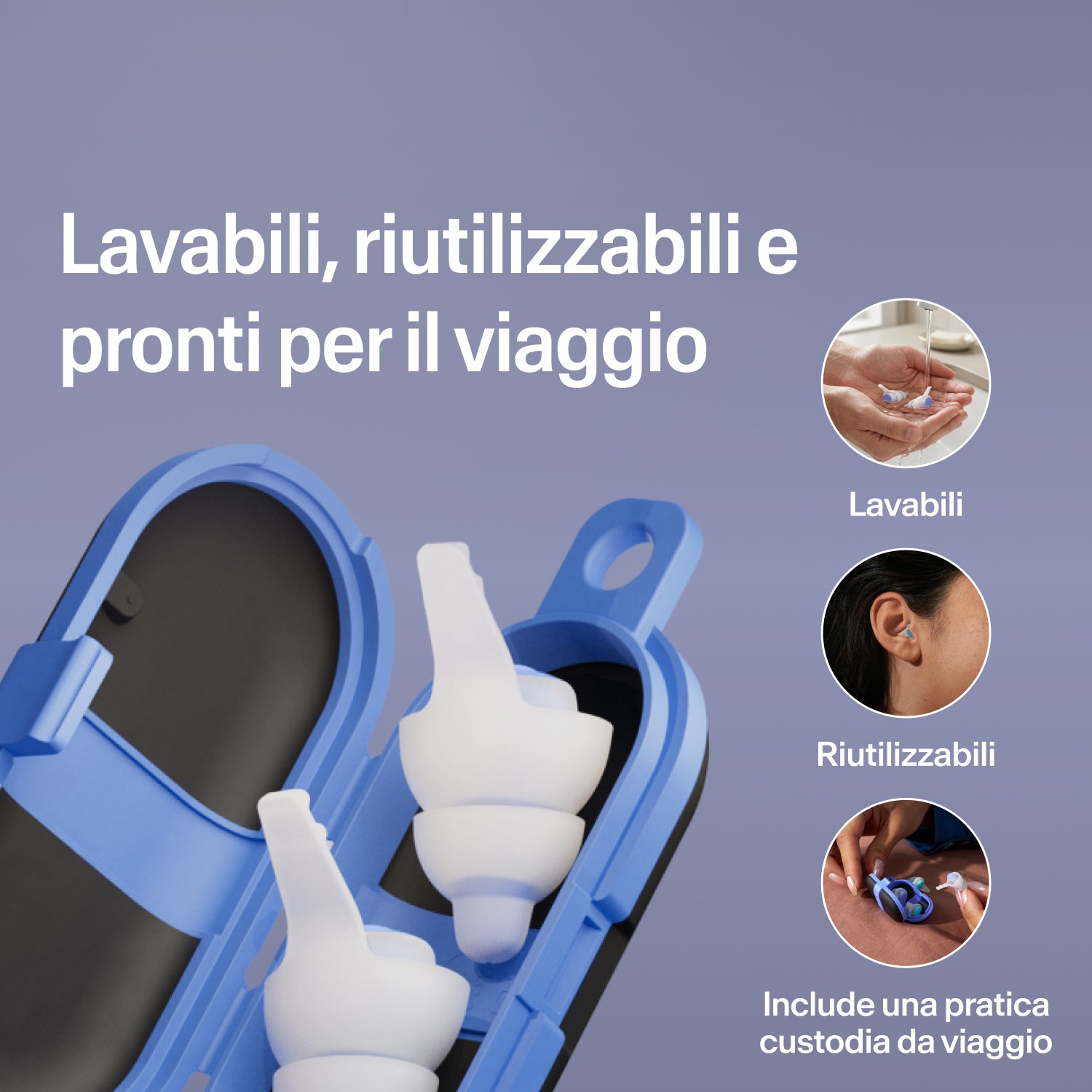
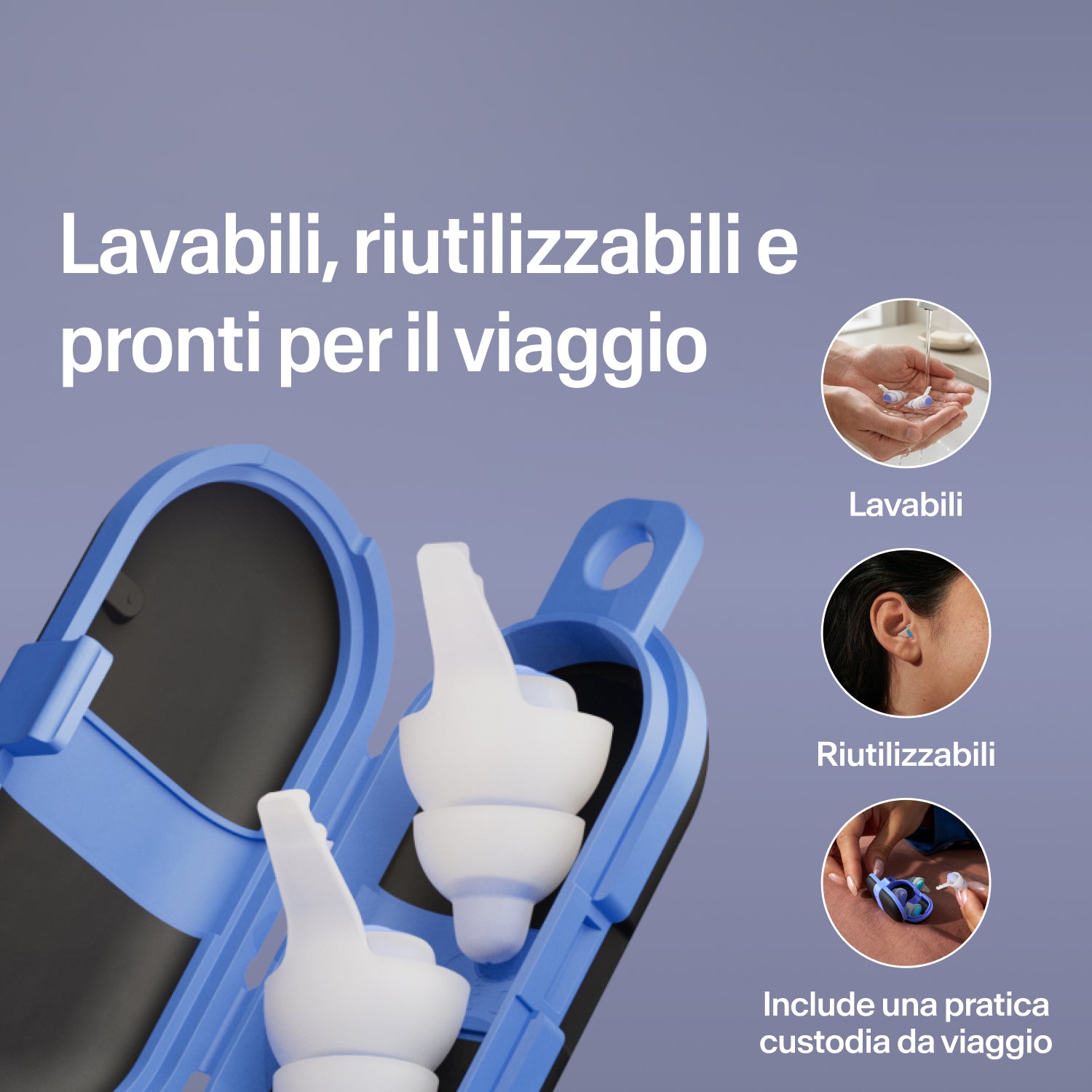
- Traveling with a snoring partner: SleepDeep packs into its case, compact enough for a cramped cabin seat.
- City noise and everyday sounds: Silence offers all-round noise reduction (22 dB) for sleep, rest and focus.
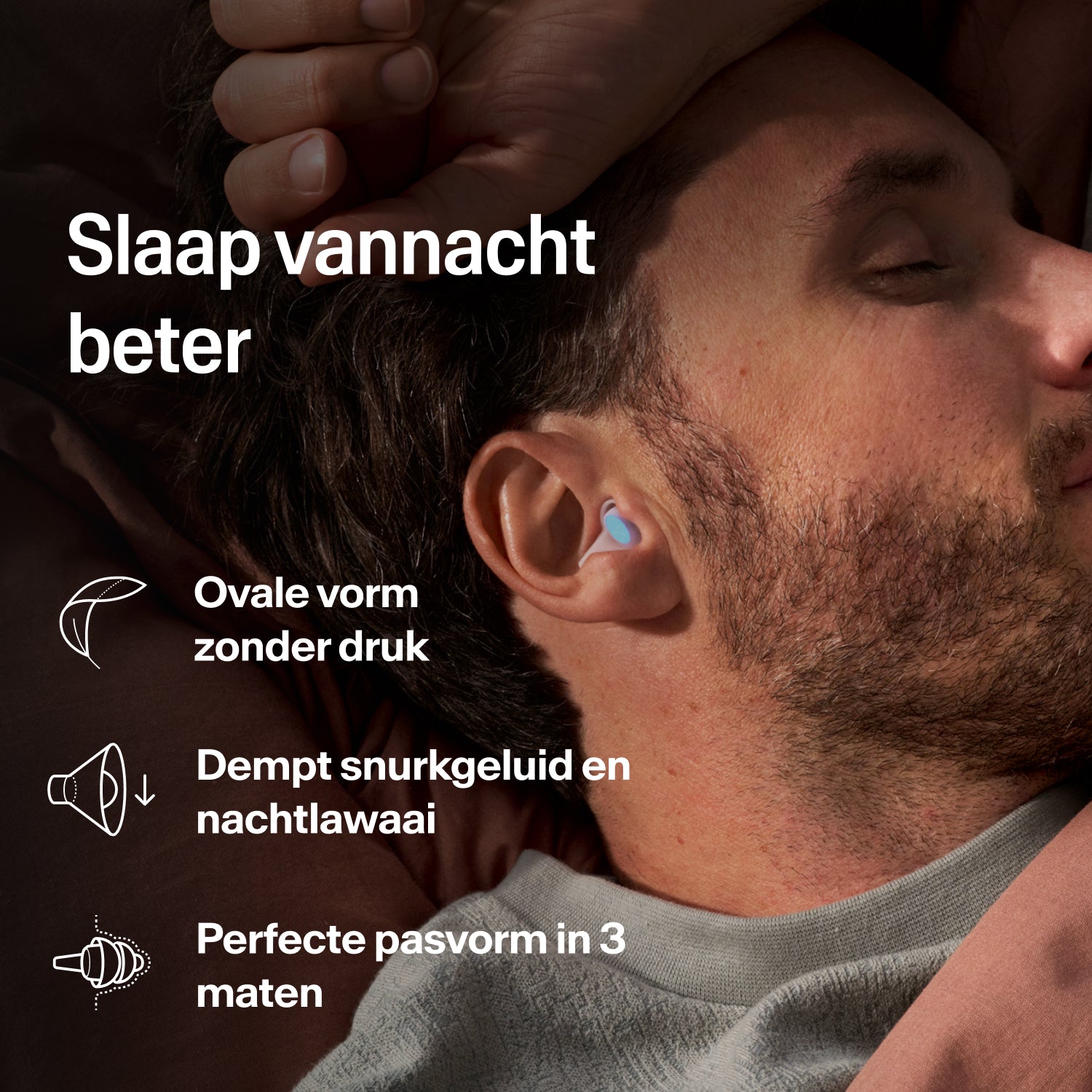
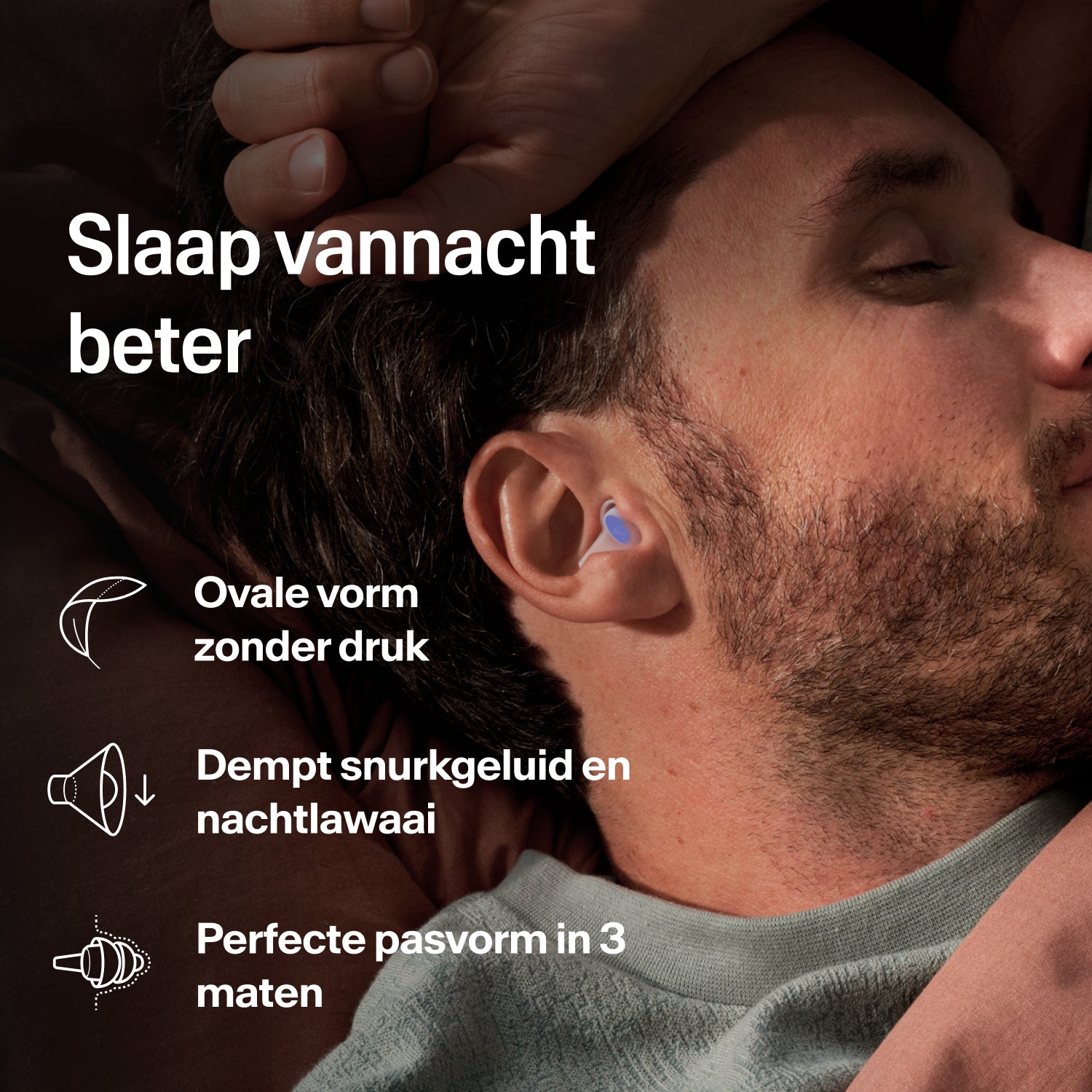
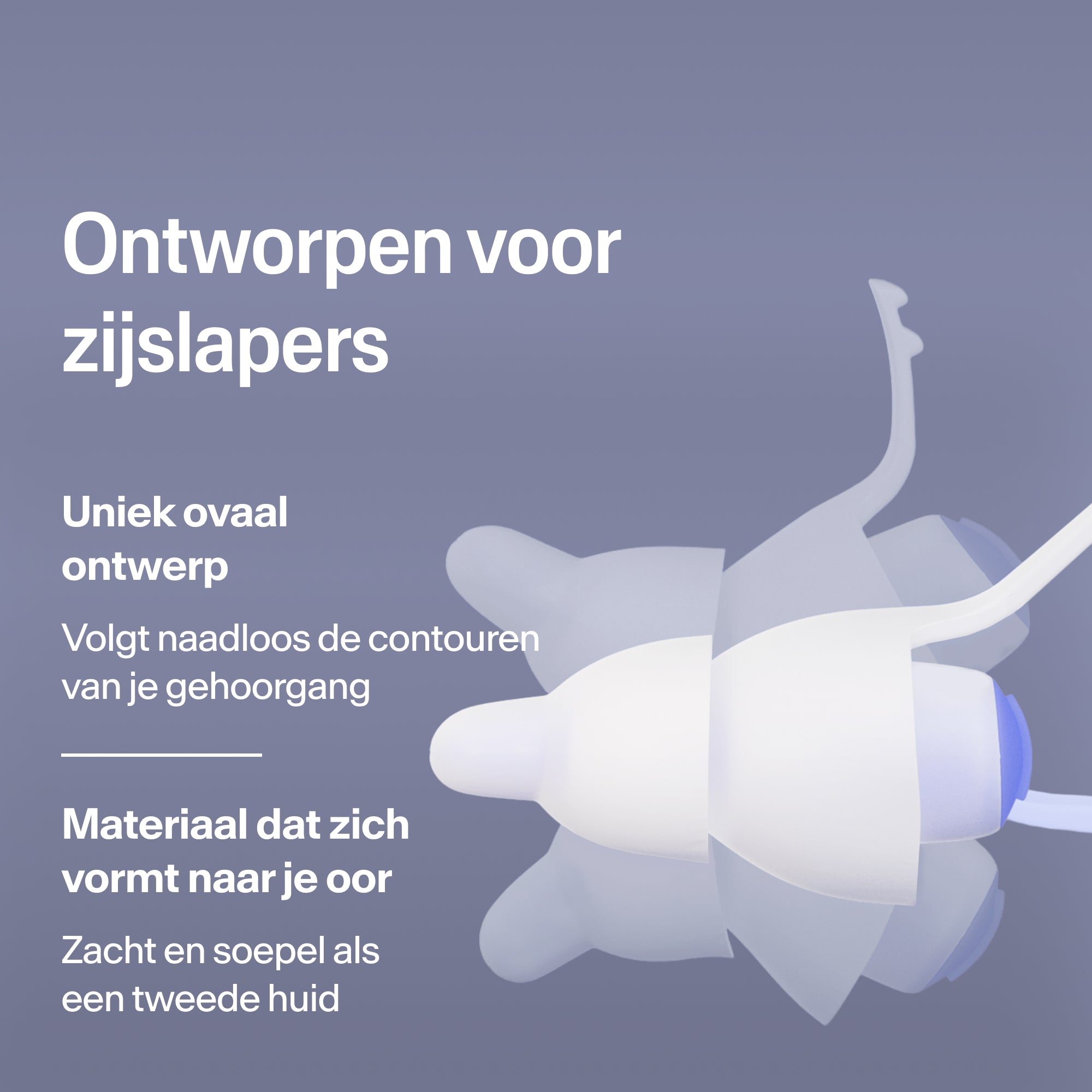
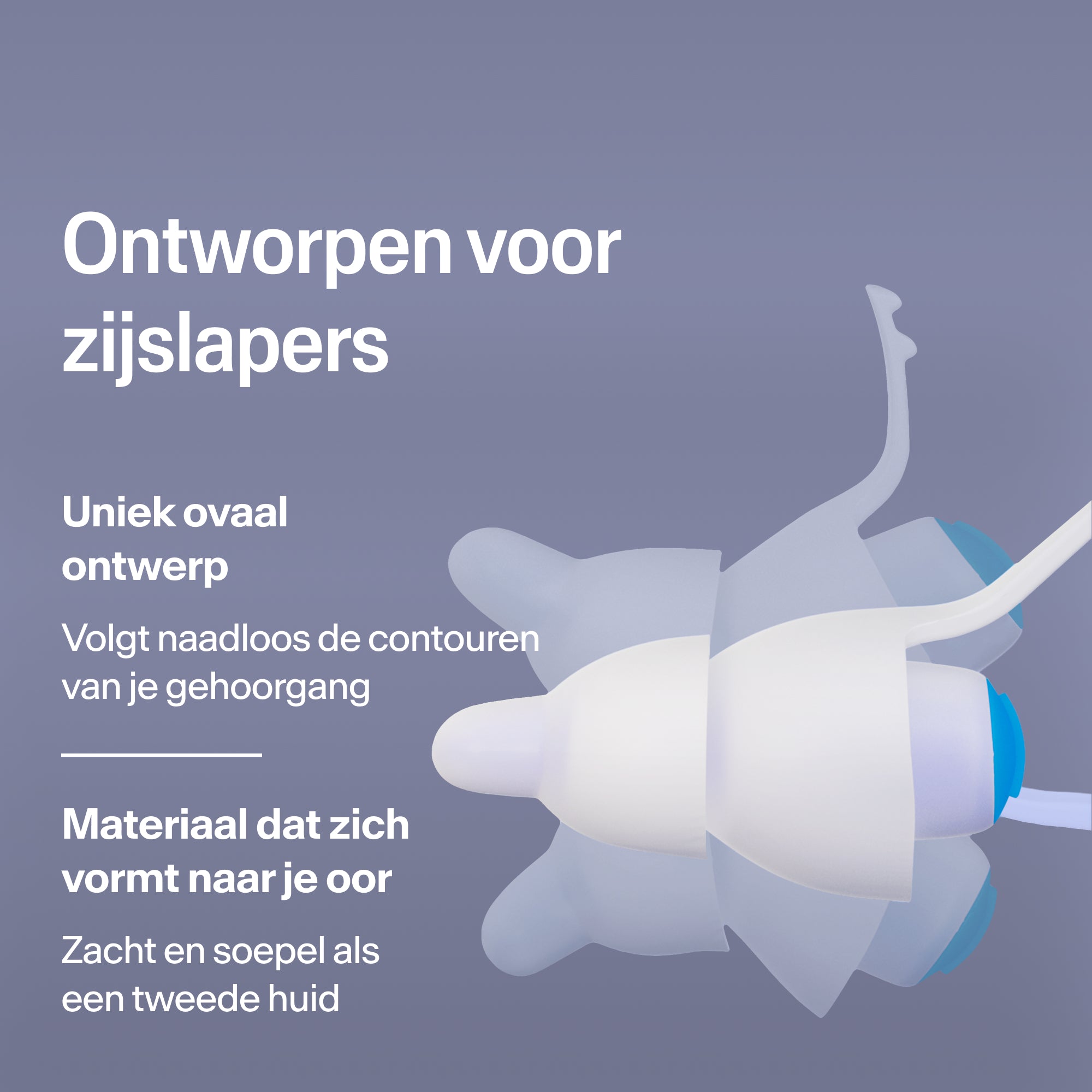
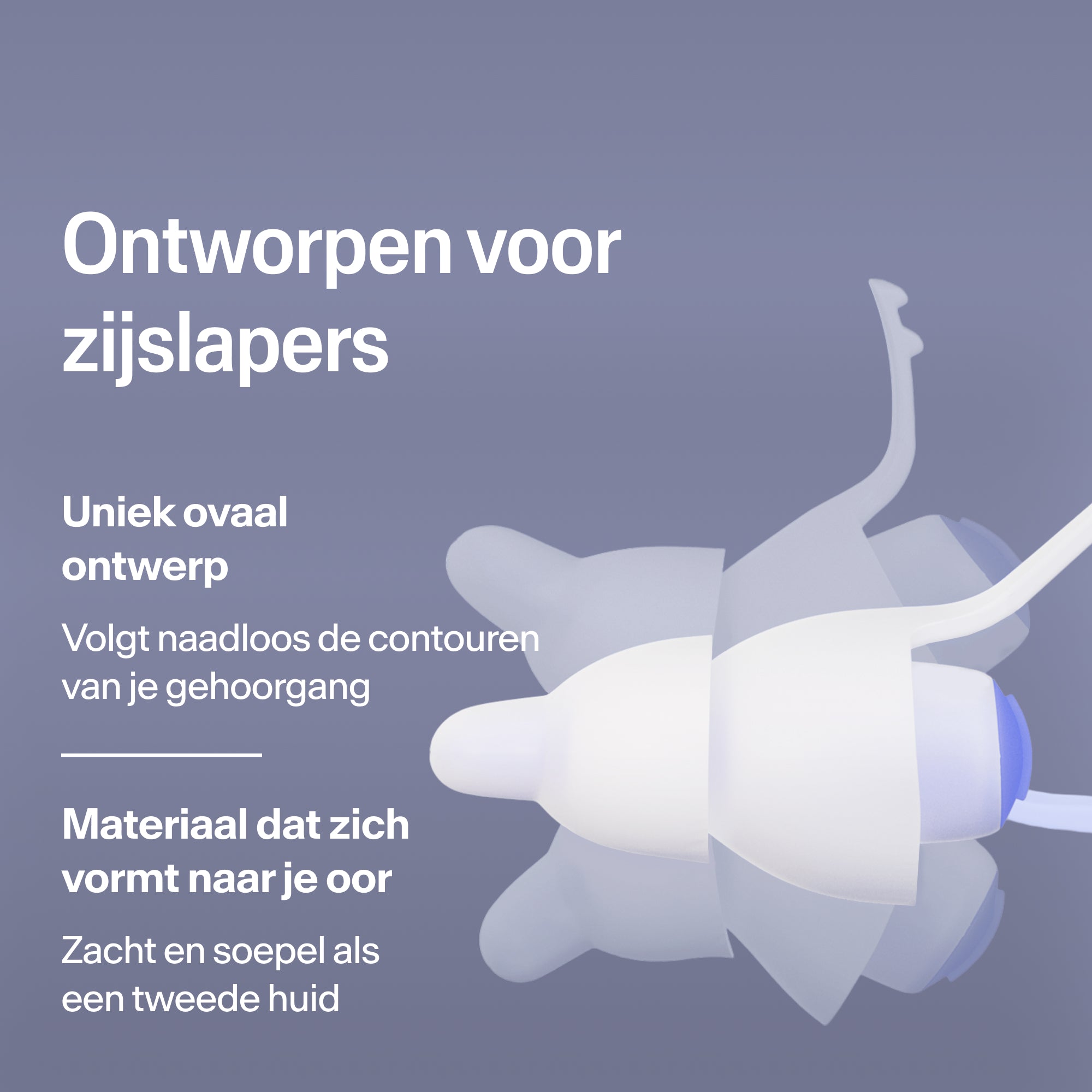
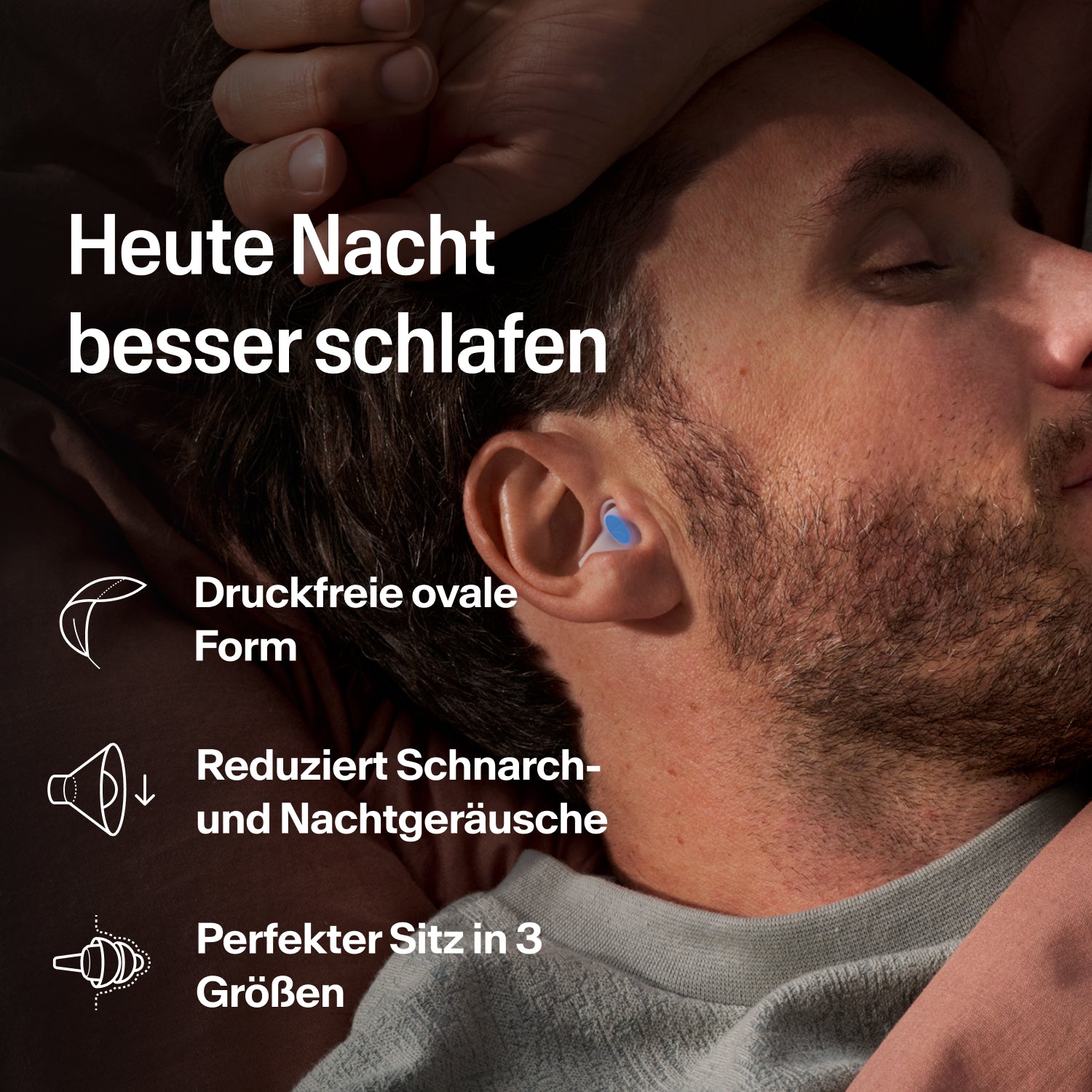
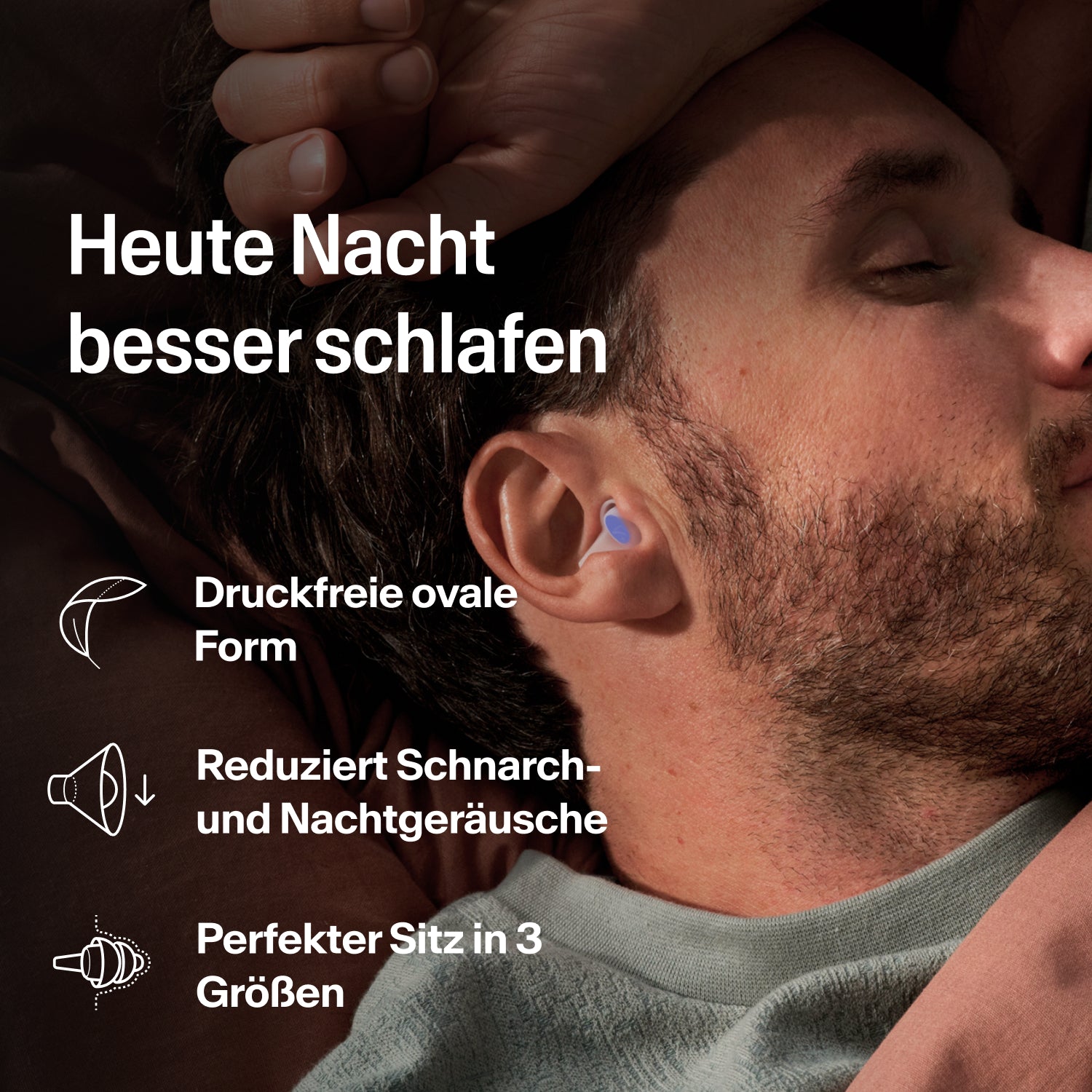
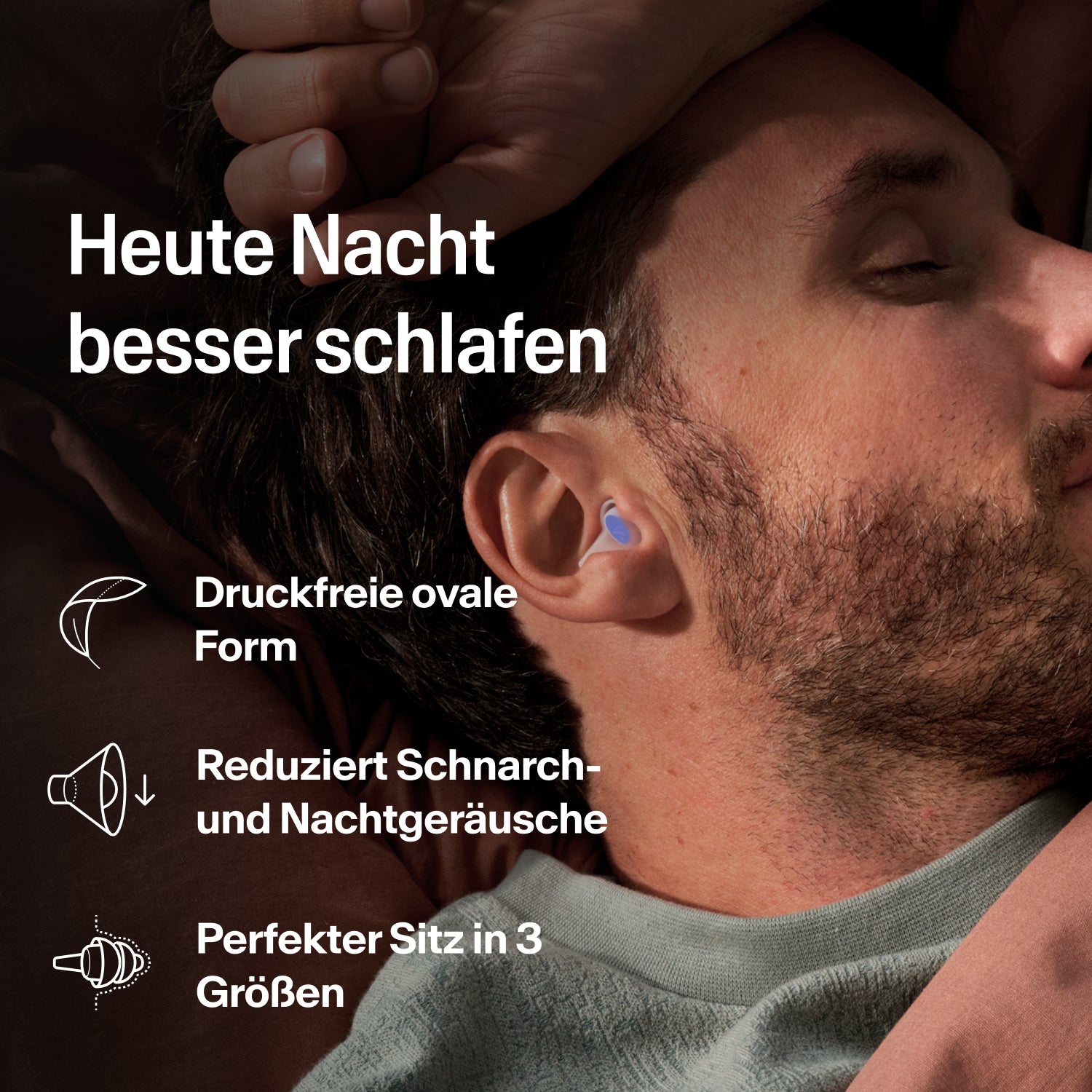
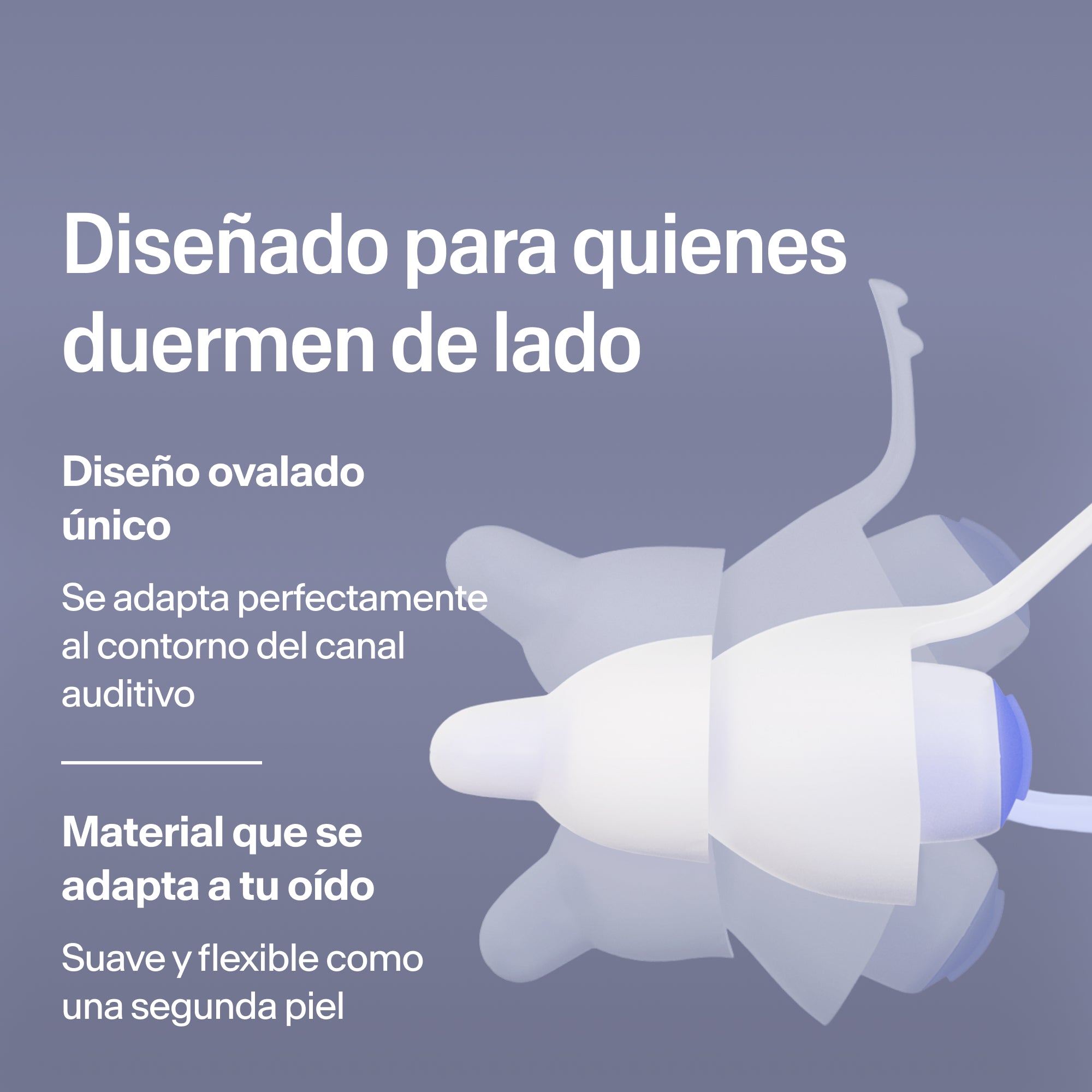
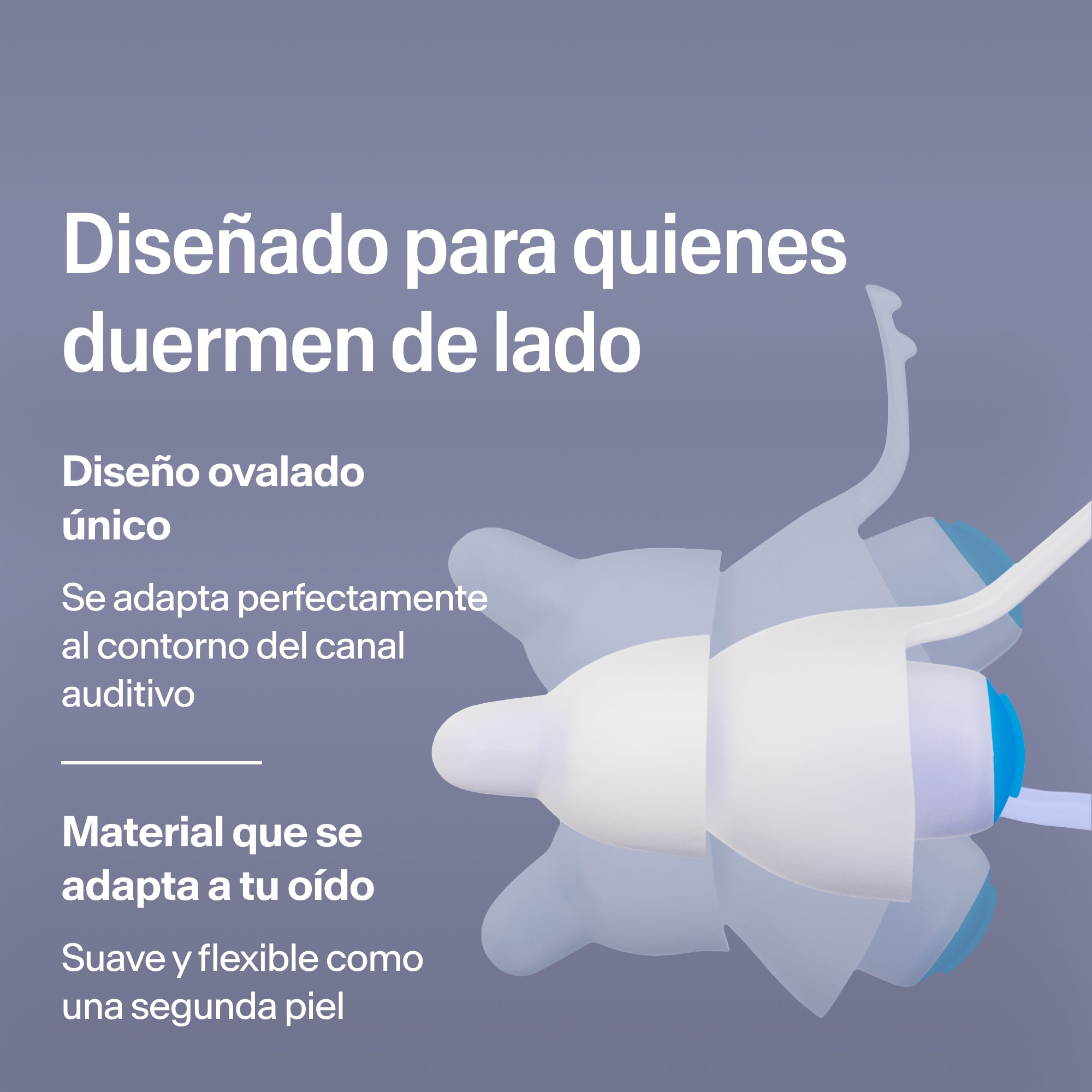
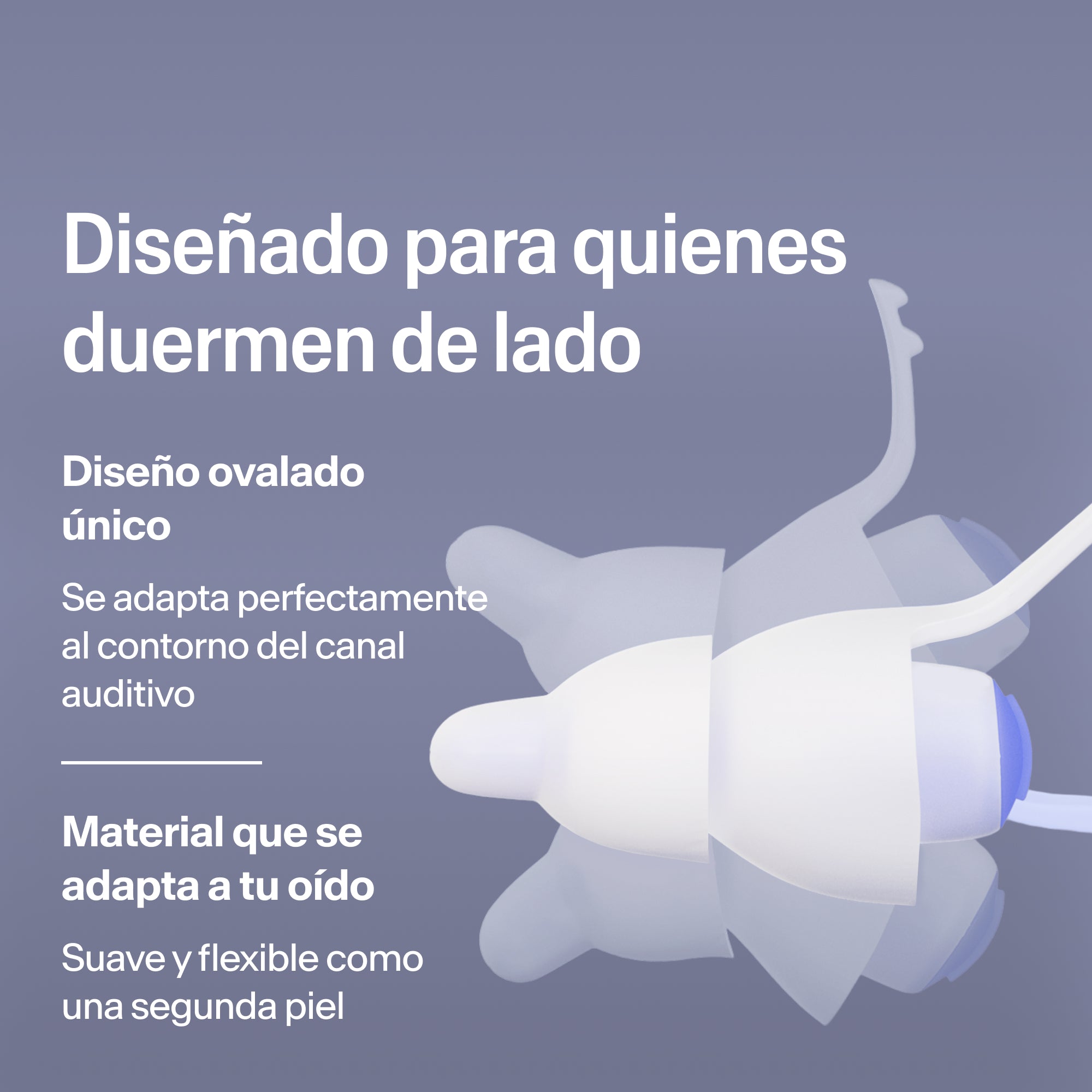
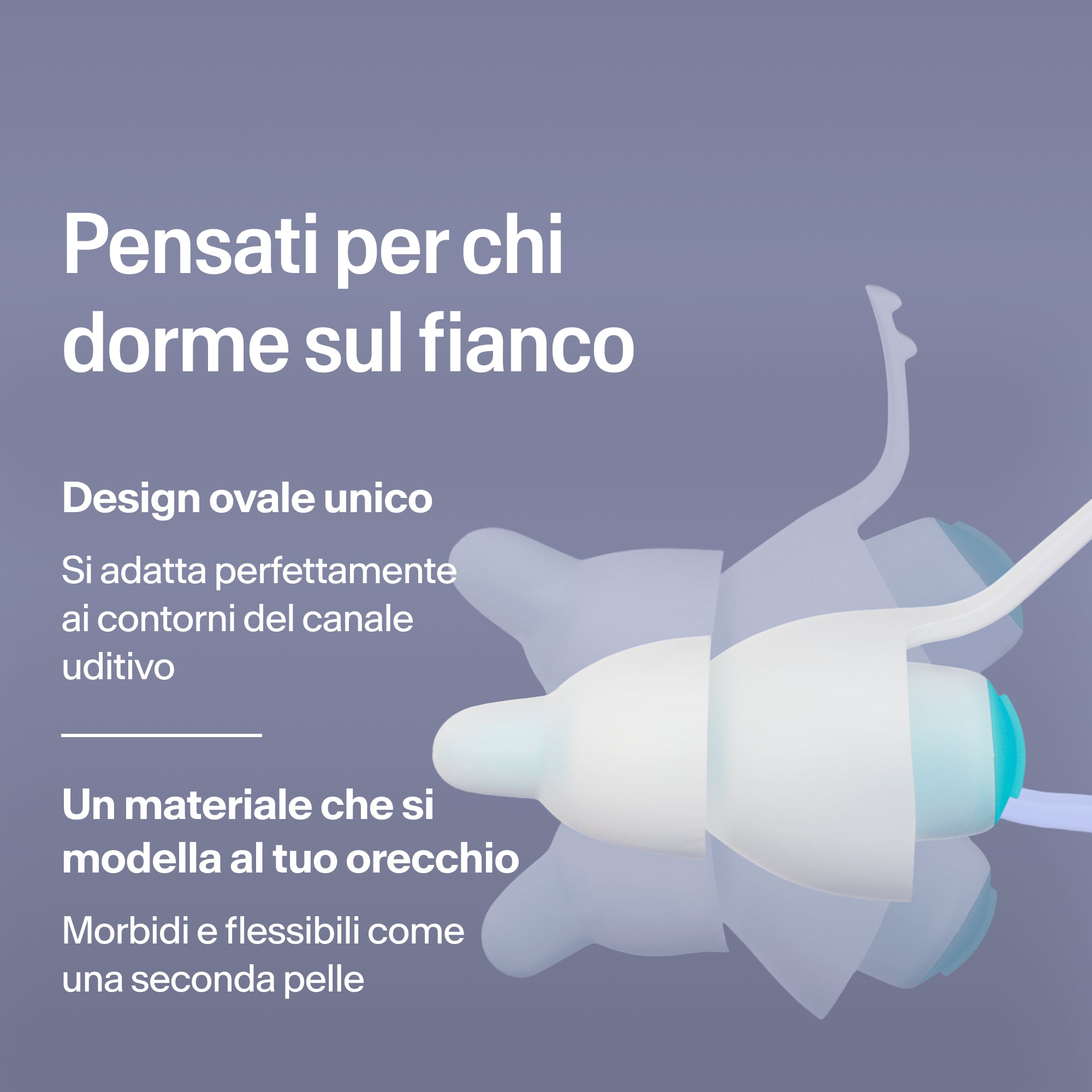
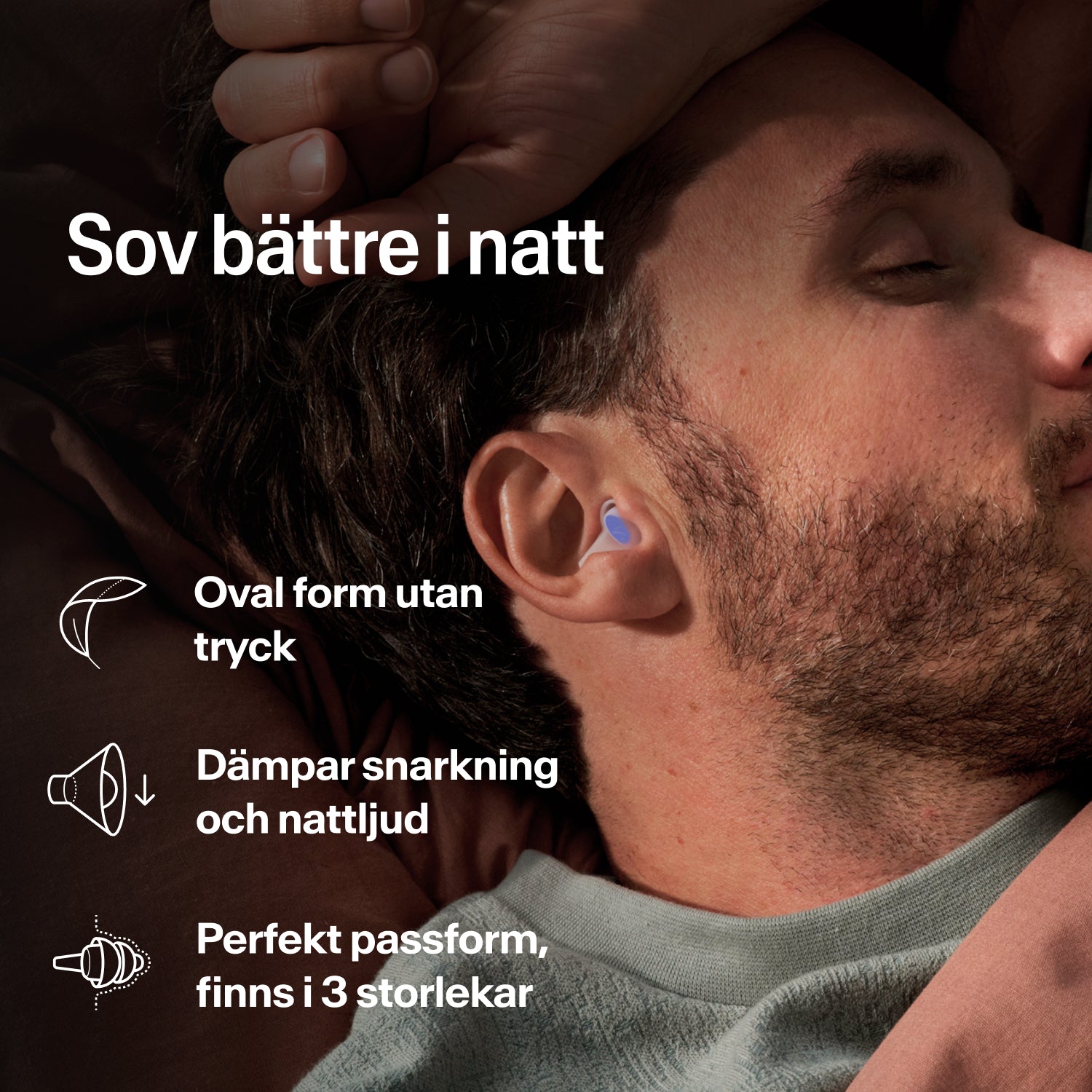
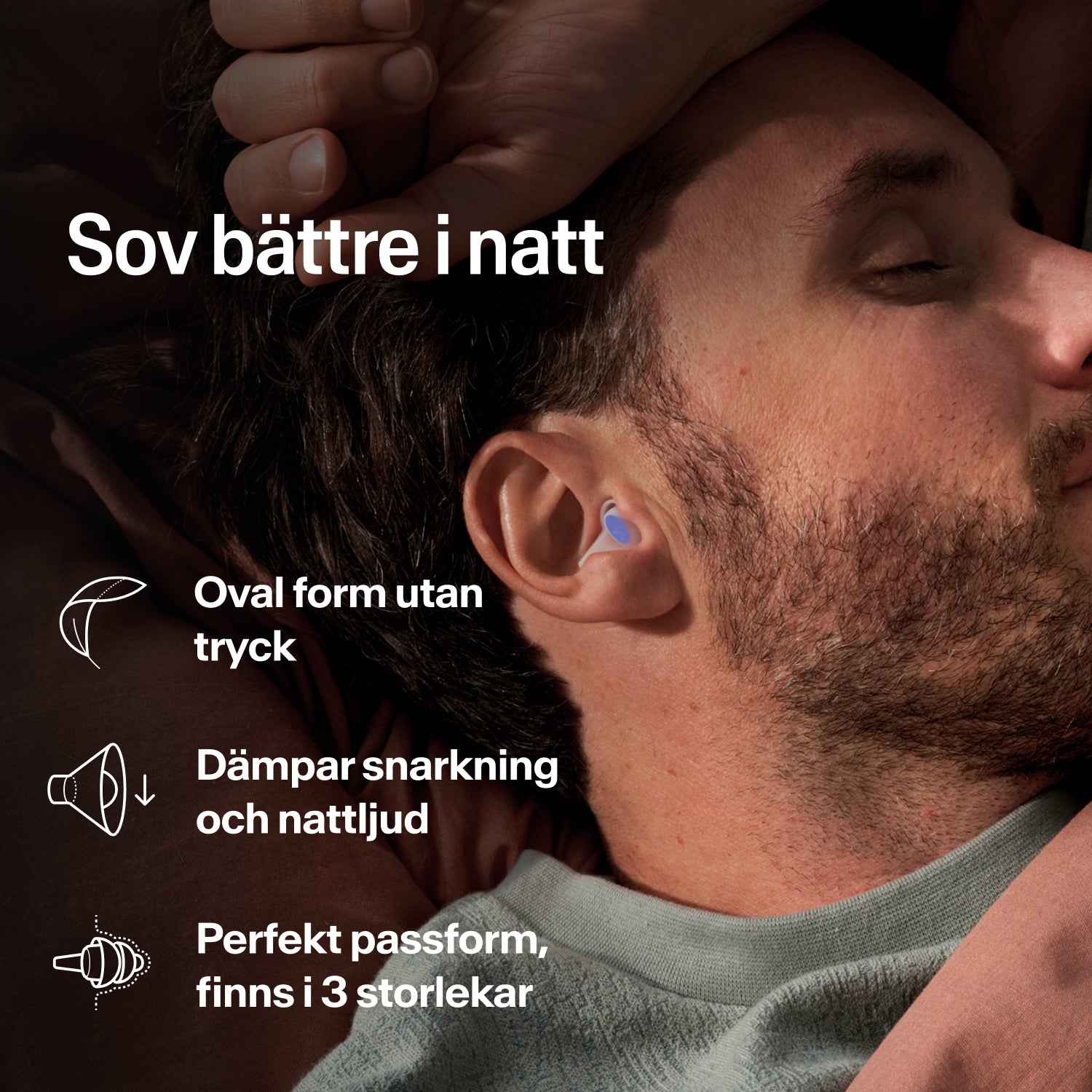
- Side sleeping: SleepDeep sits flush in the right size, so it stays comfortable when you lie on your ear.
- Want to hear your alarm or baby monitor: SleepSoft's filters reduce snoring (25 dB) while those sounds still come through.
Good to know: all our sleep earplugs reduce noise, they don't block it. You'll still hear your alarm, just softer. If you're used to foam earplugs, expect a little more sound to come through.
Wondering whether it's bad to sleep with earplugs? Read our guide to sleeping with earplugs.
Does sleeping on your back increase snoring?
Why do you snore when you sleep on your back? For many people, snoring gets louder in that position, which makes it one of the easiest things to change.
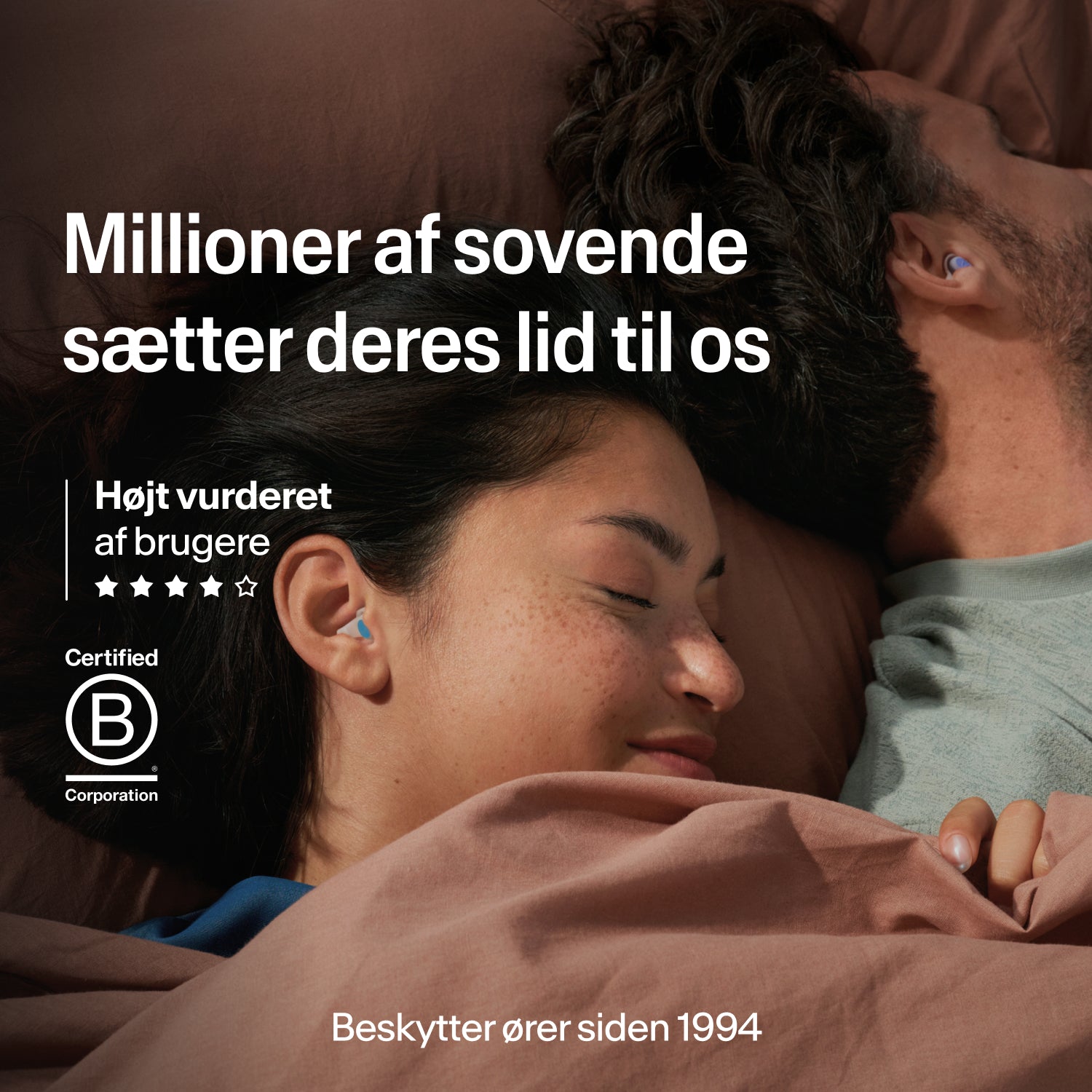
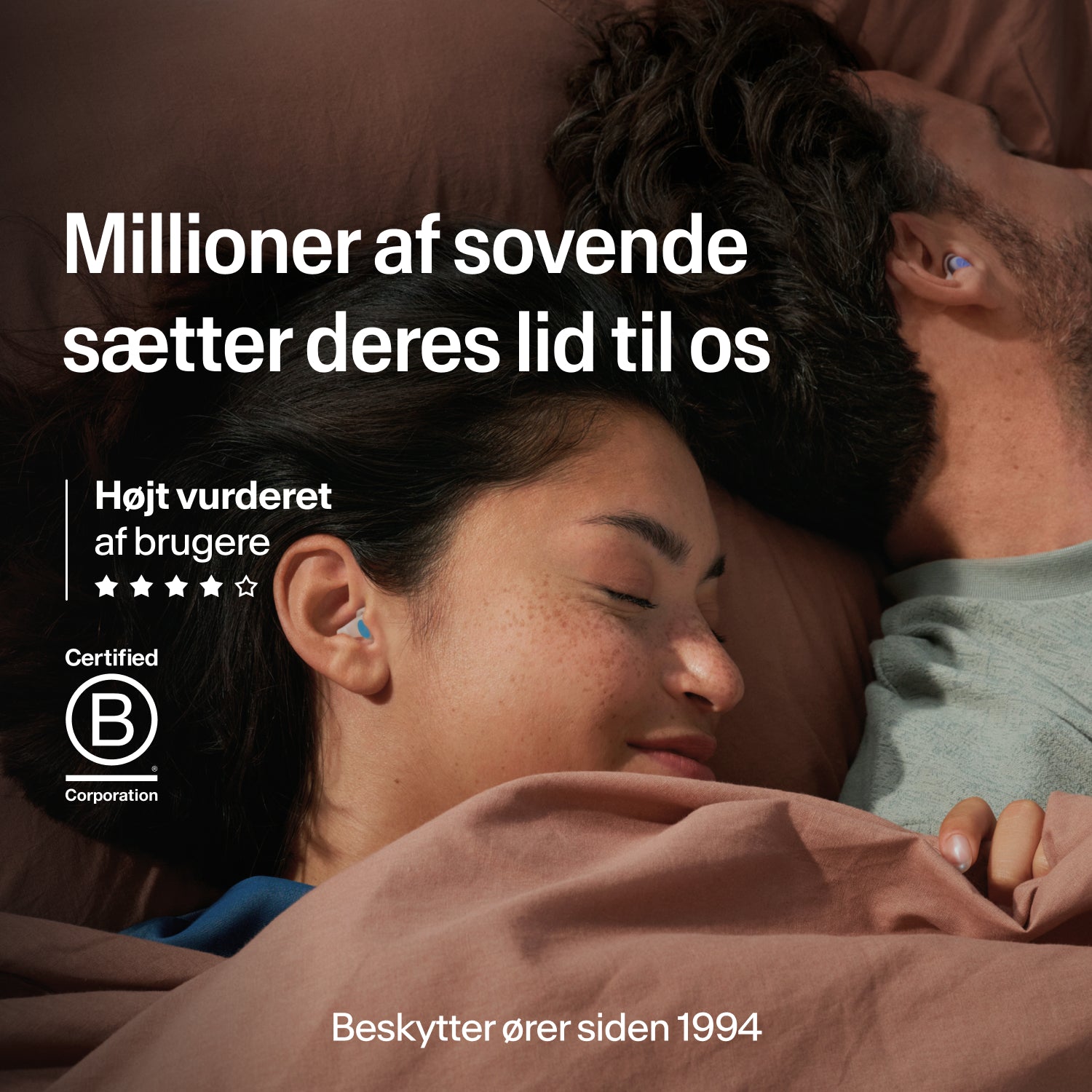
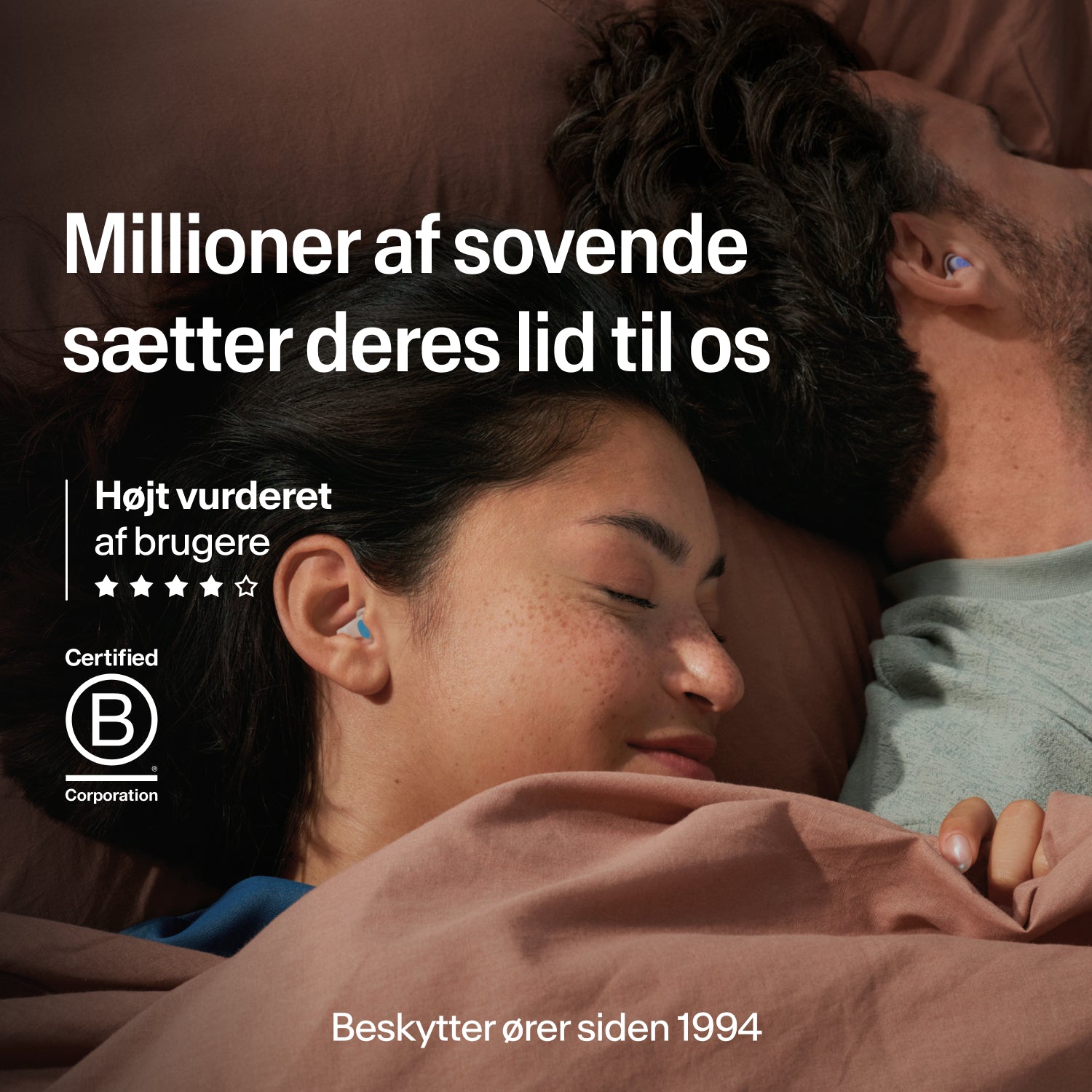
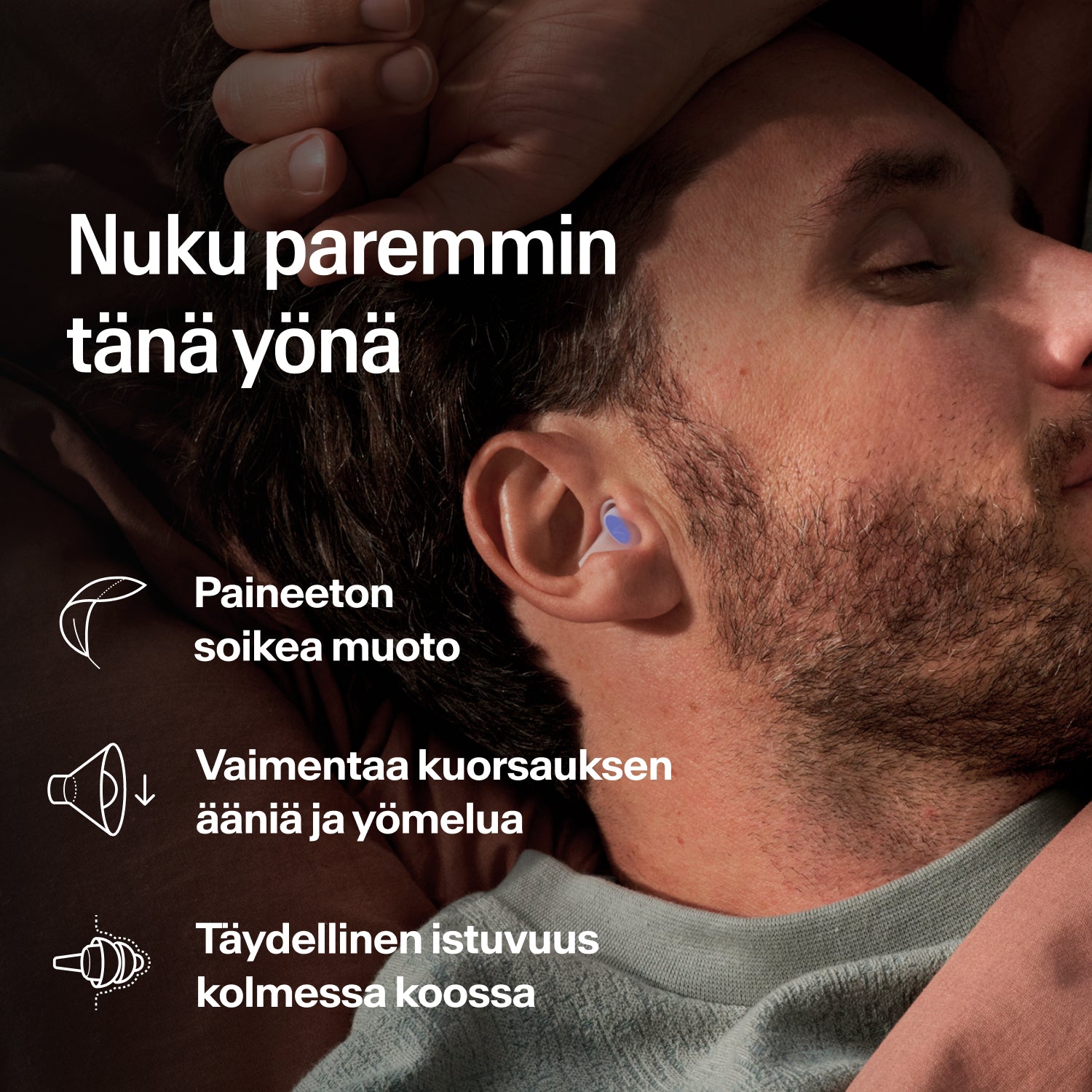
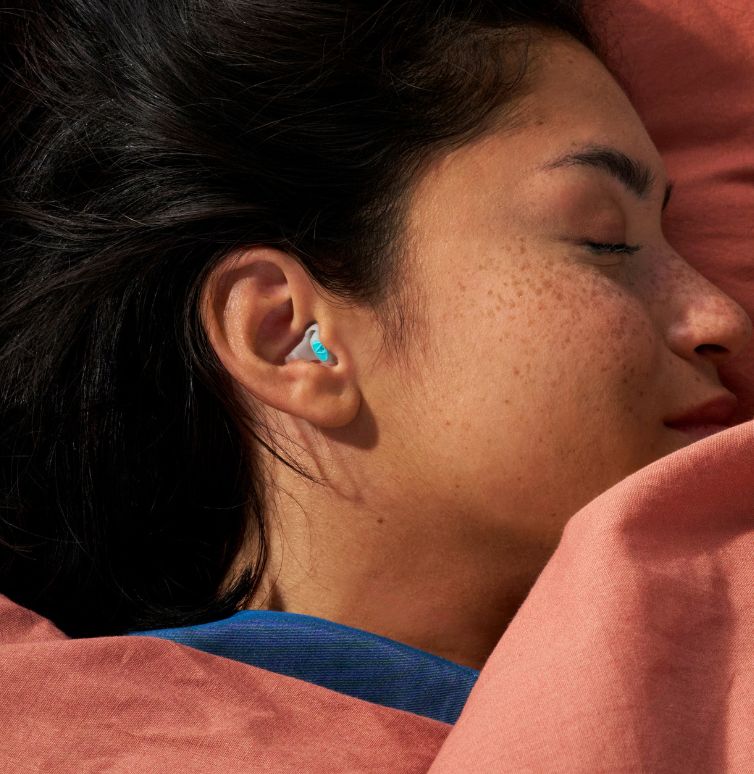
The best sleeping position for snoring is often on your side: side sleeper snoring tends to be quieter. Pair that with earplugs made for side sleepers, like SleepDeep, and the night gets quieter for both of you.
Trouble staying on your side? A body pillow can help keep you there. Or try the classic tennis ball hack: sew a tennis ball into the back of a pajama top. When your body tries to roll onto its back, the ball nudges you back onto your side.
10 tips for dealing with a snoring partner
Tip 1: Talk about it
If your partner snores, be aware that many people don't know how loudly or often they snore – or even that they snore at all! The first step is to have an open and honest discussion about it. Keep in mind that no one snores on purpose. Calmly explain to your partner that their snoring is disrupting your sleep. Let them know you want to help them identify the cause so you can find a solution together.
Tip 2: Track your partner's snoring patterns
It's important that your partner gains some insight into their snoring patterns. This will give them a better understanding of how their snoring affects you, but it could also help identify the cause. There are various mobile apps that can record when, how often and how loudly someone snores. For example, try SnoreLab or Pillow: Sleep Tracker.

Tip 3: Encourage your partner to identify the cause
Snoring can be harmless, but it can also indicate an underlying health problem. Encourage your partner to make an appointment with their GP to identify or rule out any medical causes. For example, if the snoring is not caused by sleep apnoea, it may be worth testing for allergies.
Tip 4: Encourage your partner to make healthy lifestyle changes
Losing weight can often help reduce snoring for those who are overweight. Smoking and drinking alcohol can also trigger and/or worsen snoring, so quitting (or at least reducing) these can make a big difference. Help your partner follow a healthier lifestyle by making better choices together.
Tip 5: Go to bed before your partner
It's worth considering going to bed before your partner. This will give you a chance to fall asleep undisturbed. Once you've reached a deeper stage of sleep, you're less likely to be woken up by nearby noises like snoring.
Tip 6: Prevent your partner from sleeping on their back
Many people only snore when they sleep on their back. This sleeping position causes the tongue and uvula to fall backwards and block the airway, which results in snoring. Gently pushing your partner onto their side may be enough to stop them snoring. However, your partner may roll onto their back again in their sleep. A classic trick for preventing this is to sew a tennis ball into the back of their pyjama top, which will make sleeping on their back too uncomfortable. Another option is to create a stable side position with pillows designed for side sleeping or with a knee pillow.
Tip 7: Try a different pillow
Sometimes a new pillow can be all it takes to reduce or even prevent snoring. For example, try a slightly thicker or firmer pillow. If you have an adjustable bed, raising the head end slightly can also be helpful.

Tip 8: Try mouth tape
Mouth tape is an adhesive plaster strip designed to keep the mouth closed during sleep. This can be a solution for partners who snore when their mouths fall open at night. Always consult your medical specialist or doctor before using mouth tape.
Tip 9: Listen to white noise
White noise (a sound recording of a monotonous signal with consistent intensity across various frequencies) can mask the sound of snoring. You can buy dedicated white noise machines, but there are also various smartphone apps available.
Tip 10: Use earplugs
And finally, a good solution for most people whose partner snores, for a quieter night: high-quality sleep earplugs! Alpine SleepSoft earplugs are an excellent choice. Or, if your partner's snoring is very loud, try Alpine SleepDeep earplugs. These premium sleep earplugs reduce noise by 27 dB (SNR).