

FAQ
Slideshow about our brand



You don't notice hearing loss while it happens
Noise damage builds up quietly. The hair cells in your inner ear don't grow back, and the first frequencies to go are the high ones you barely use for speech. That's why a test like this can surprise people who feel like they hear fine.
Hearing check
Can you still hear the high notes?
A quick check of how high your hearing reaches. It takes about a minute.
Use headphones and start at a low volume.
An awareness tool, not a medical test.
Can you hear this tone?
Highest frequency detected
—
See which Alpine protection fits you
An awareness tool, not a medical test. Results depend on your headphones and surroundings. If you are concerned about your hearing, see an audiologist.
What your result means


Protect your hearing with the right earplugs
With our short questionnaire you can find out which earplugs best help you protect your hearing tailored to your situation so you can prevent your hearing from being damaged.
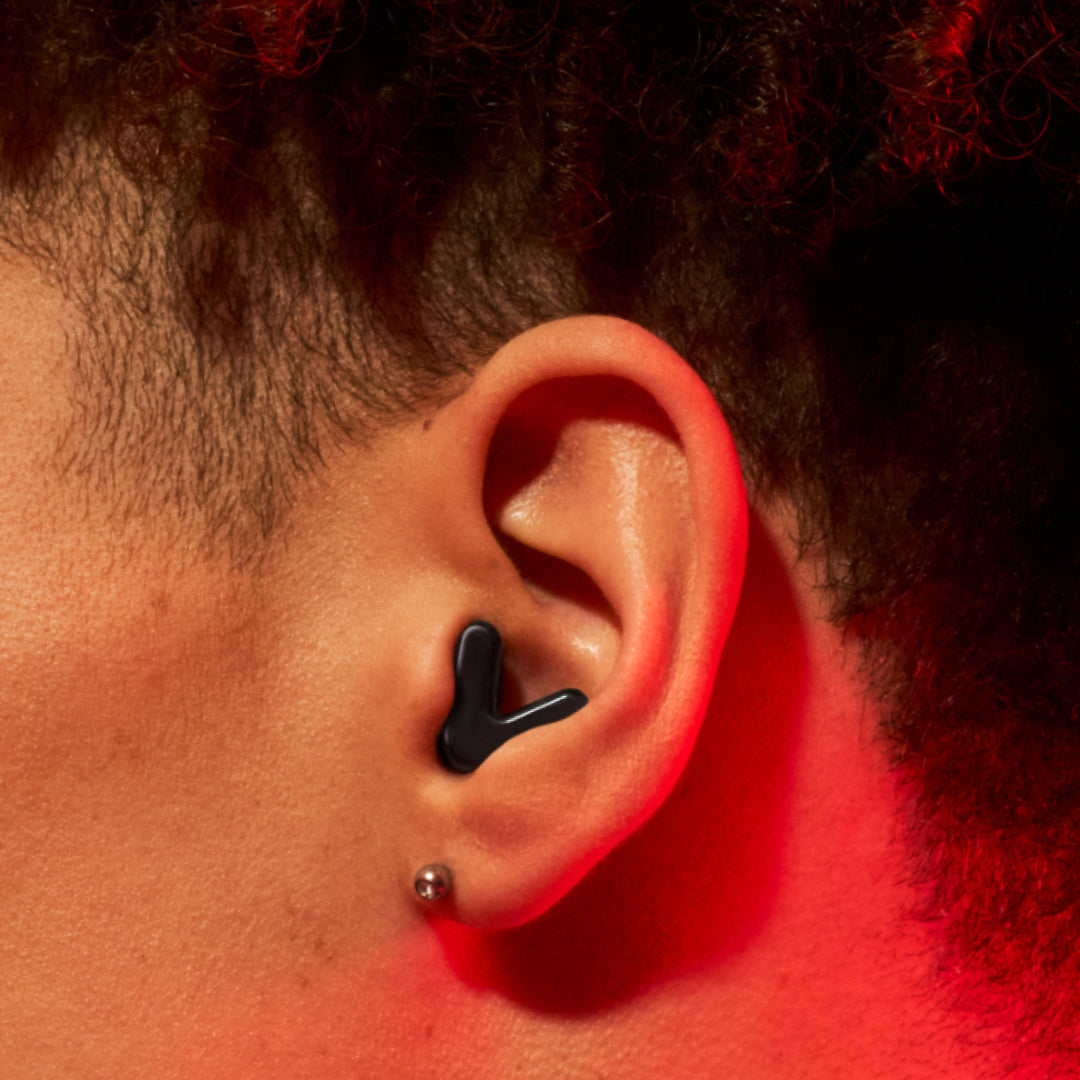
25 years of developing hearing protection
Alpine has been making earplugs since 1995. Every filter is developed in-house and tested in the situation it's built for, from front-row sound to a shared bedroom. Own the Volume.
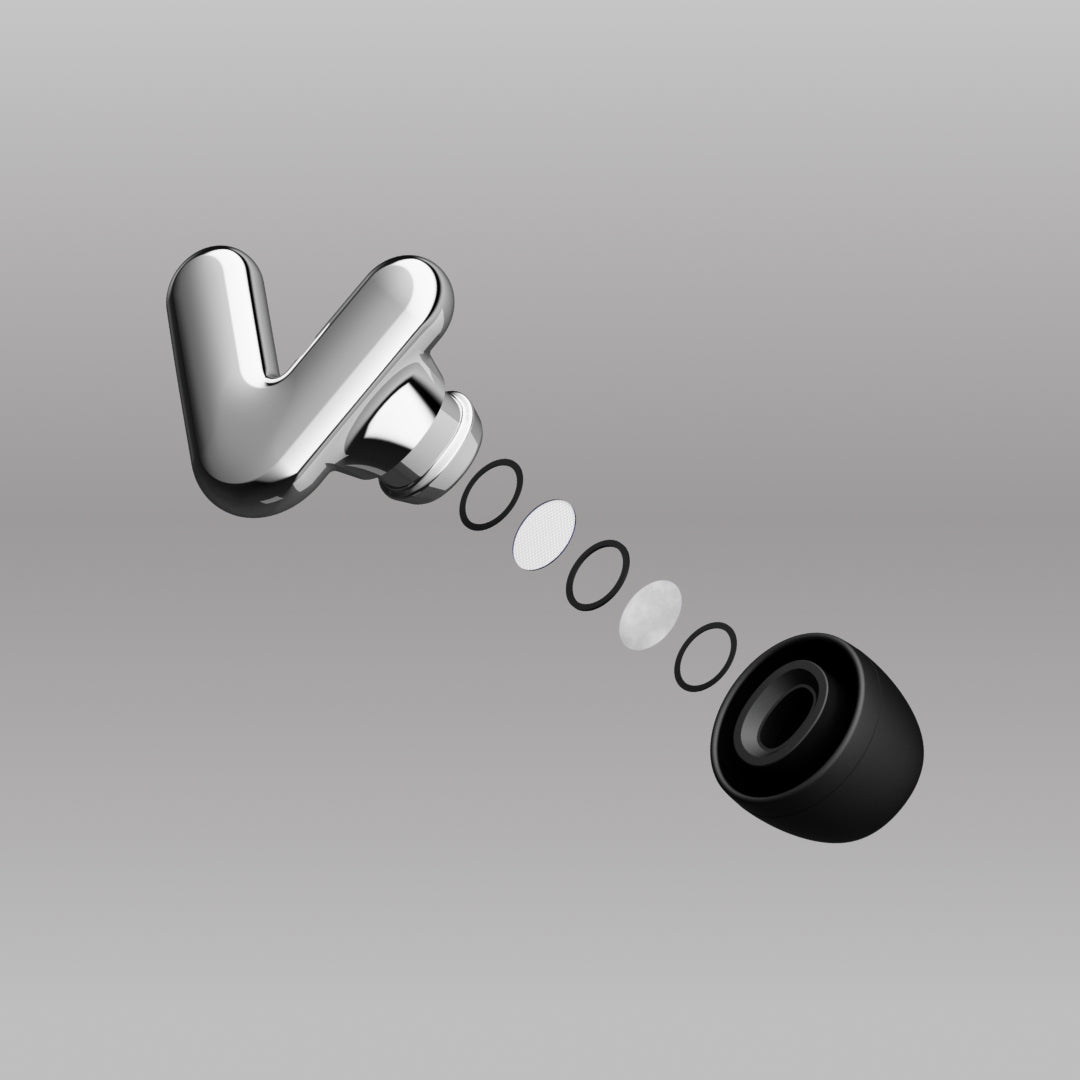
No. It's an awareness check that shows roughly how high your hearing reaches. A real audiometric test is done in a sound-treated room with calibrated equipment. If your result concerns you, see an audiologist.
Laptop and phone speakers can't reproduce the highest tones at all, so you'd fail those steps because of the speaker rather than your ears. Any wired or wireless headphones will do.
Yes. Set it to a comfortable level for the first tone and leave it there for the rest of the test. Turning it up halfway through makes the result meaningless.
Not by itself. Hearing above 15 kHz declines for everyone with age, and it's normal not to reach 17 kHz past your twenties. It matters more if you also notice ringing, muffled hearing after loud events, or trouble following conversations in a busy room.
The test runs entirely in your browser. Your answers aren't linked to your account and nothing is stored on your side of it.