Key takeaways
- Hearing damage can begin with prolonged exposure to sound levels of around 85 decibels, and every rise of approximately 3 dB effectively doubles the sound energy reaching the ear.
- Sound levels at live music events can often sit between 100 and 110 dB, so many people may be exposed to potentially harmful levels before they even realise it.
- Ringing, buzzing, or muffled hearing after a concert can be an early warning sign of hearing damage, and the delicate hair cells in the inner ear do not regenerate once damaged.
- Distance, recovery time, and spotting warning signs early all help protect your hearing at concerts, festivals and club nights.
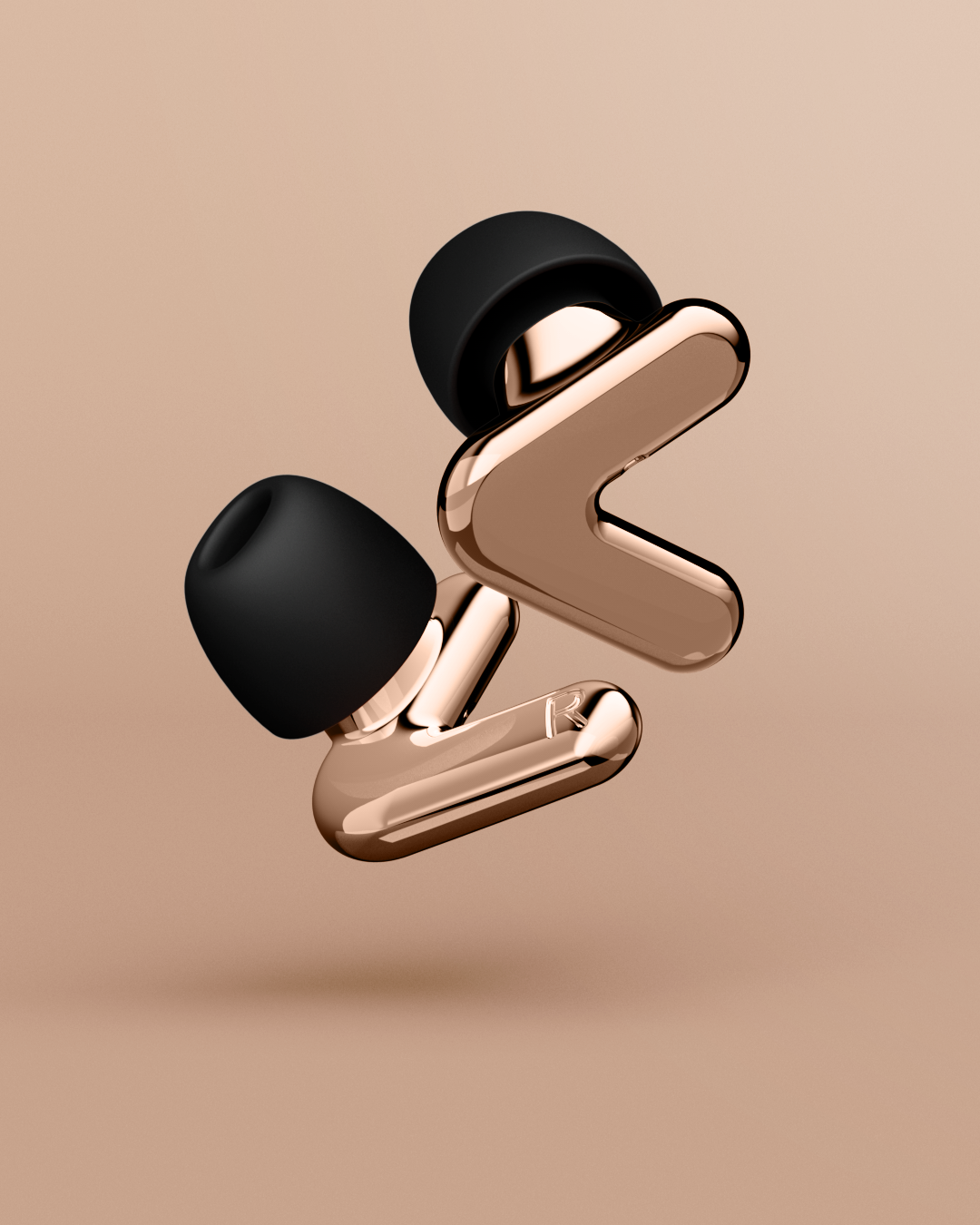
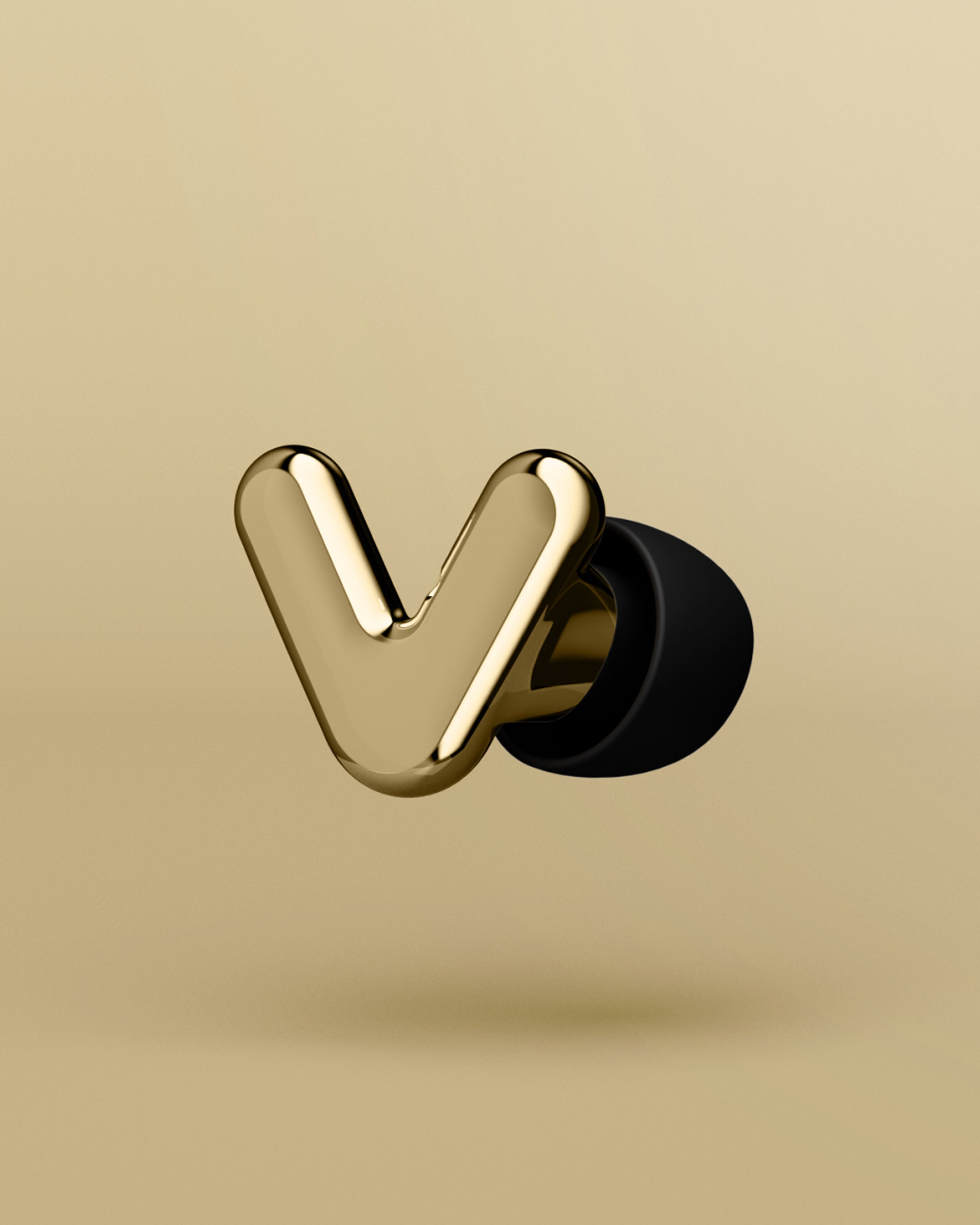
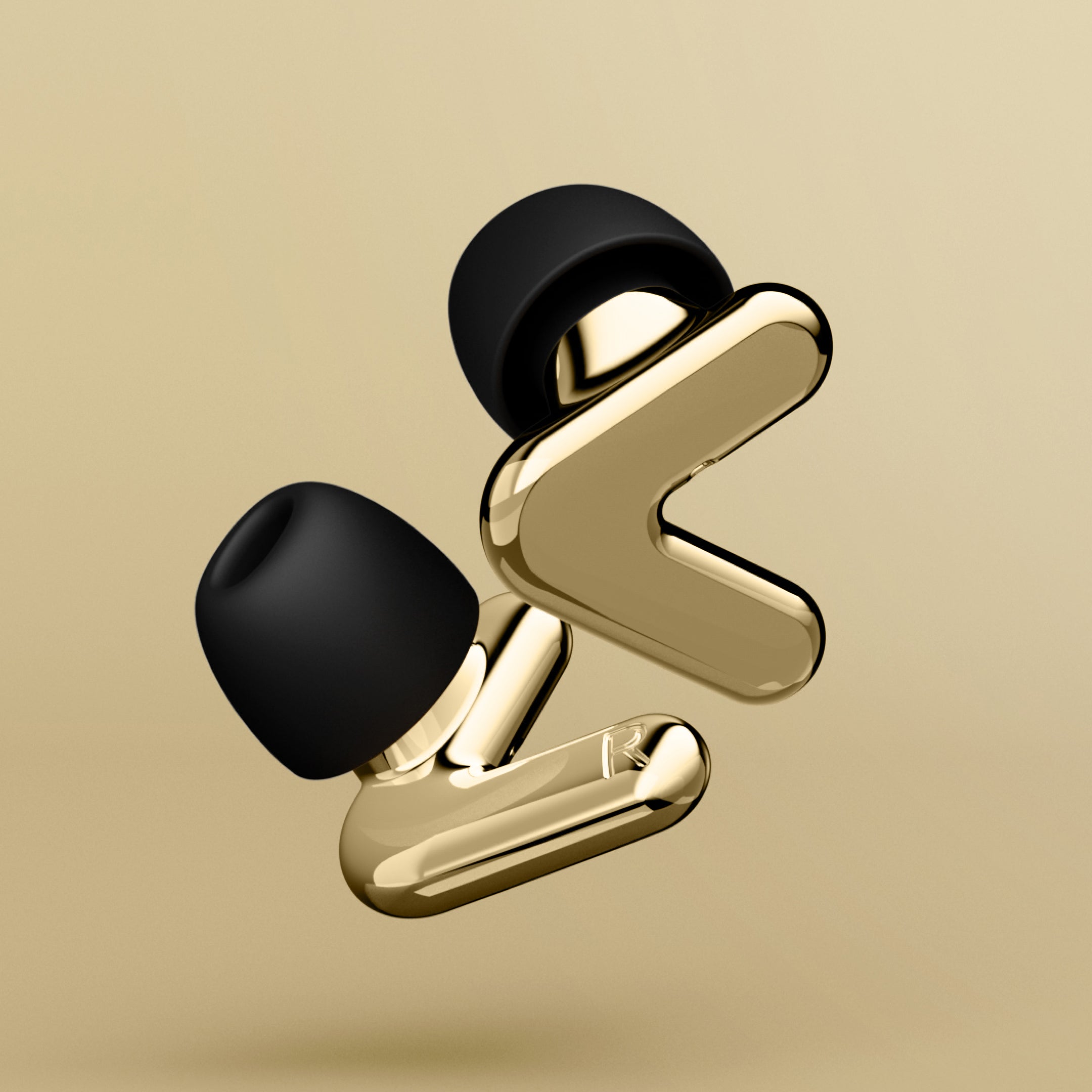
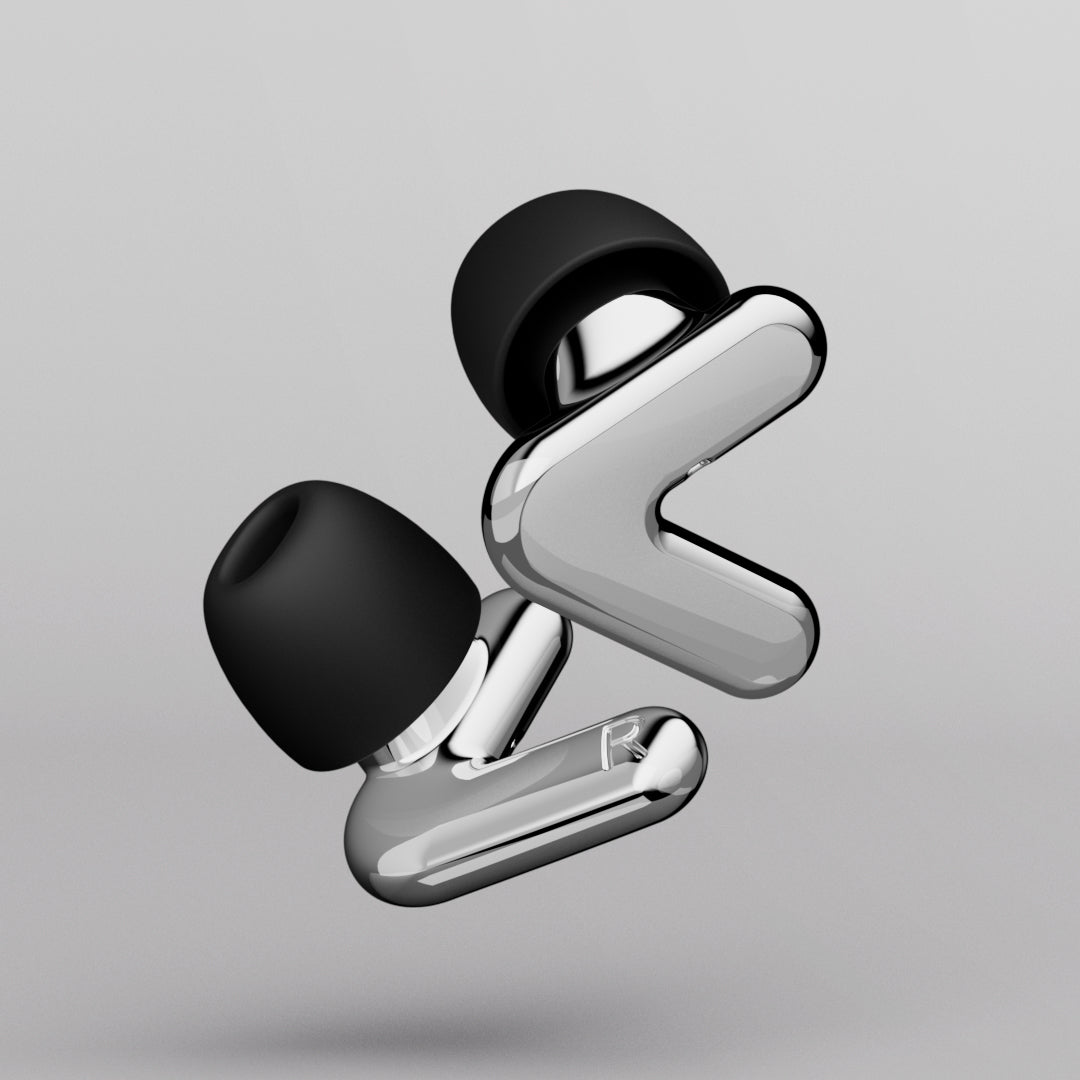
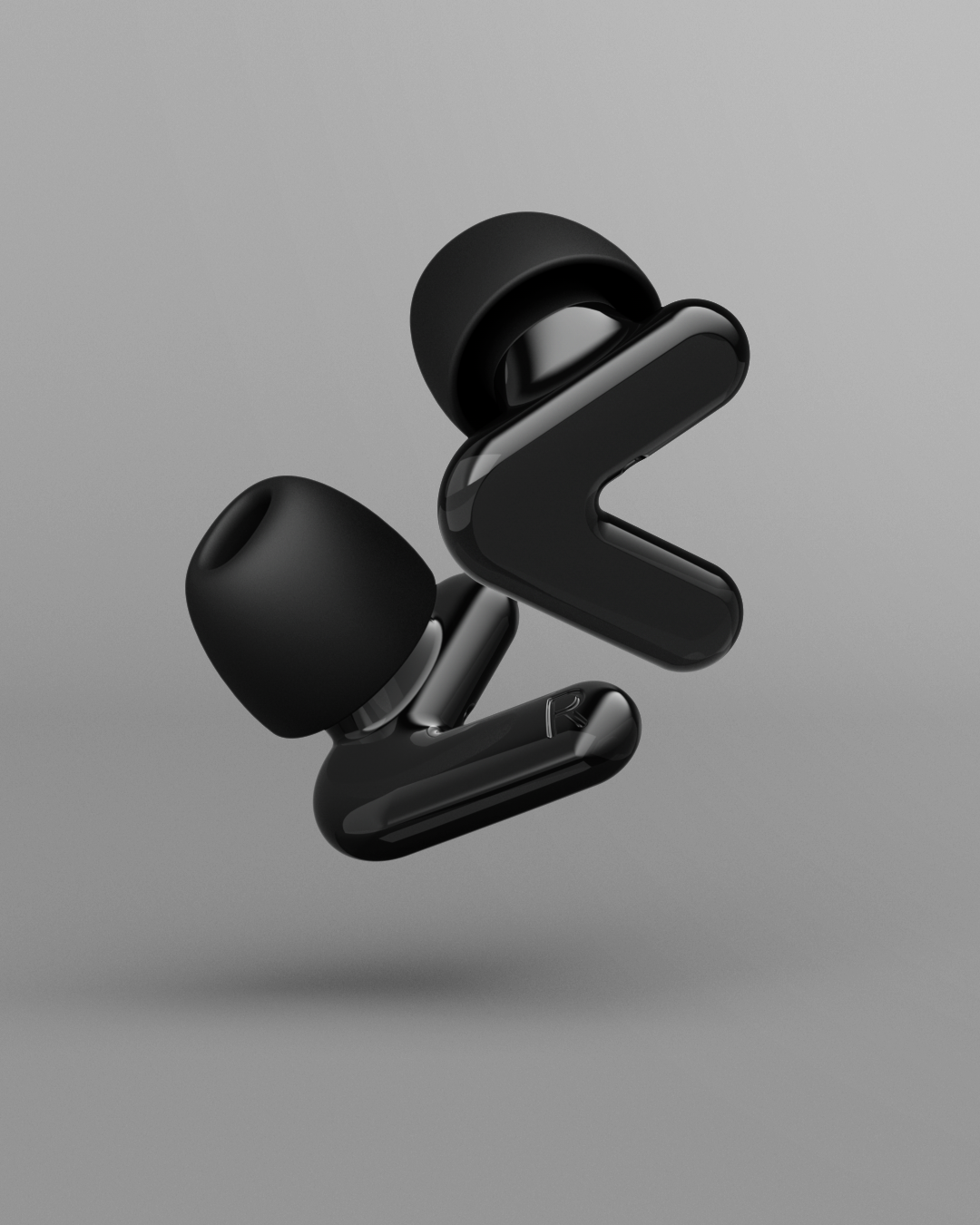
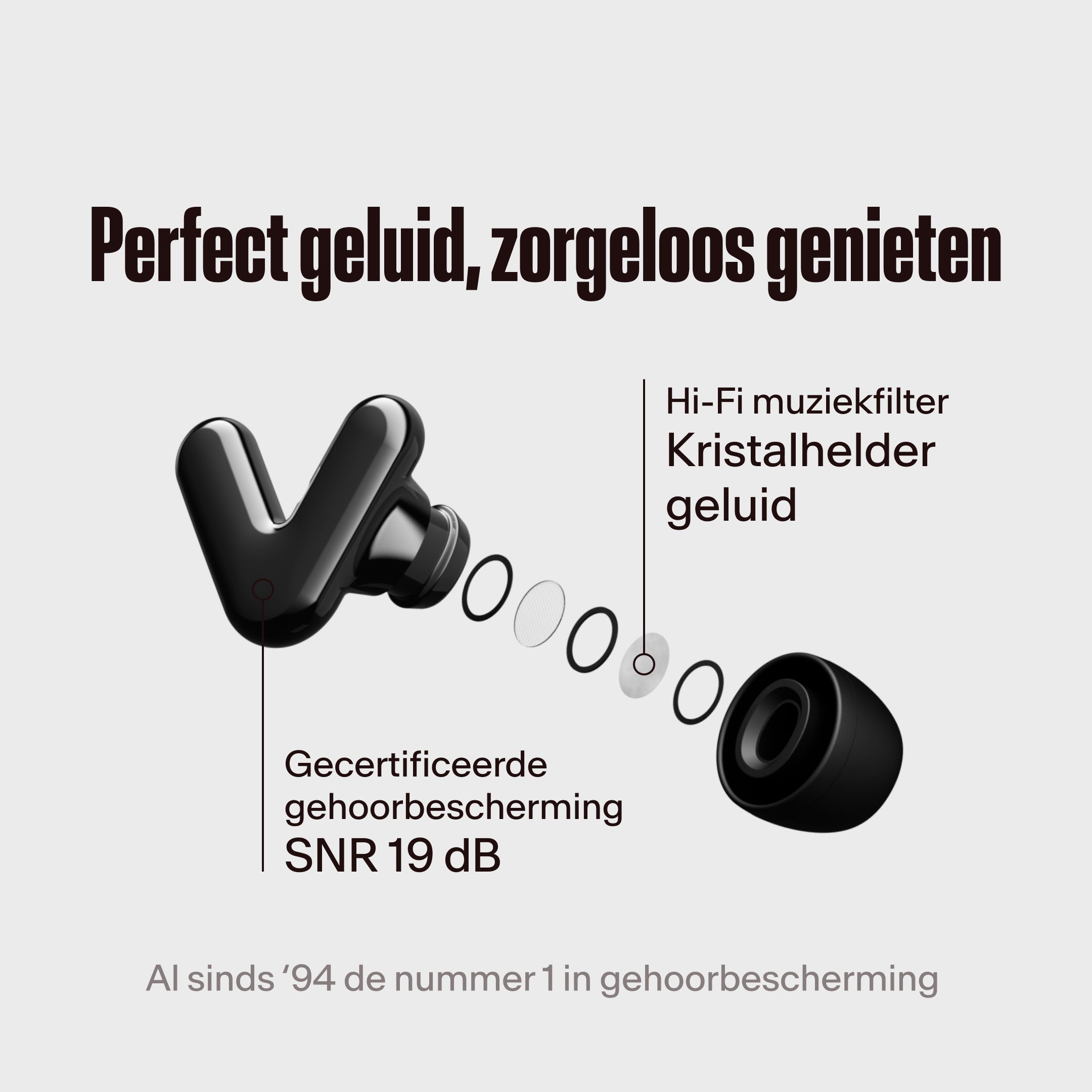
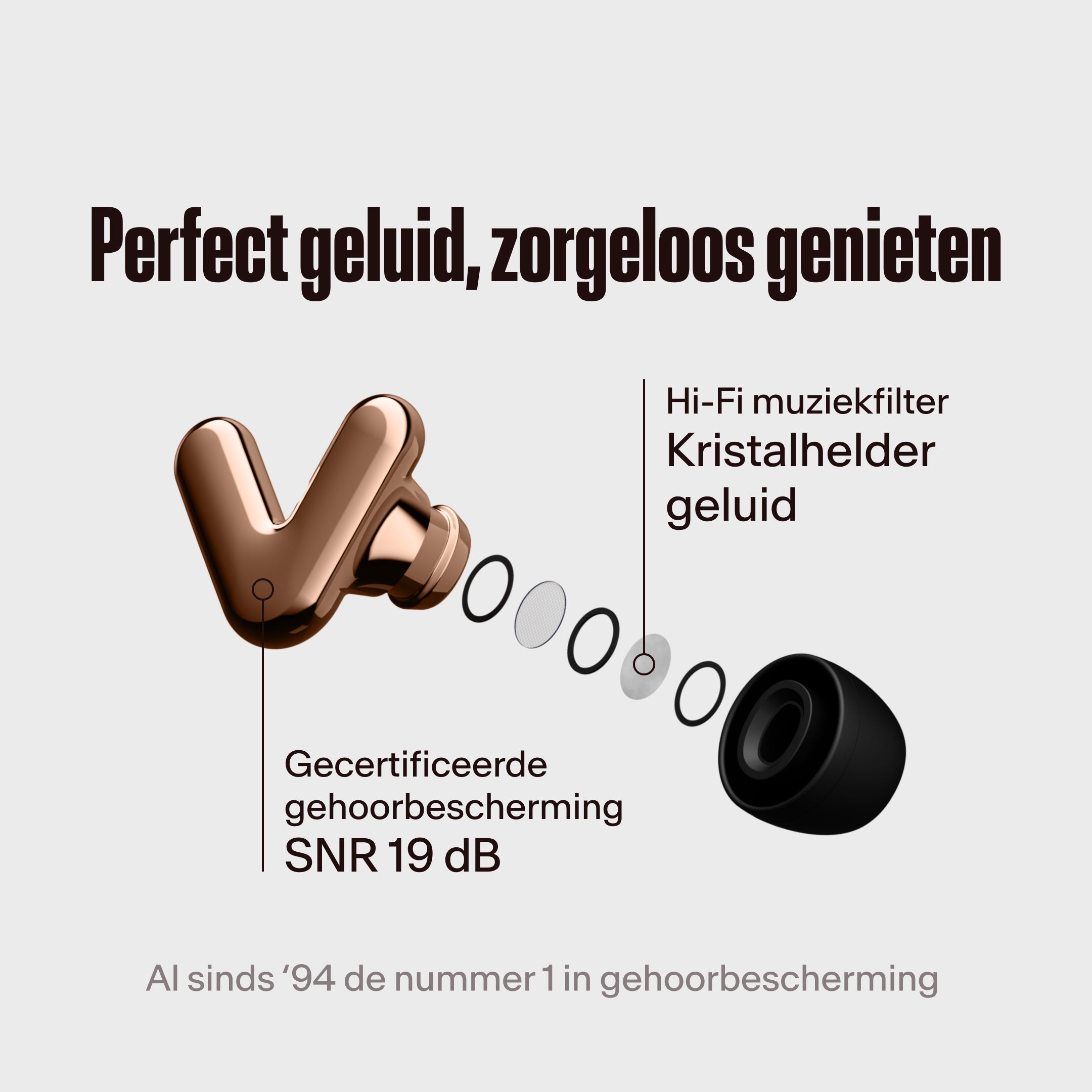
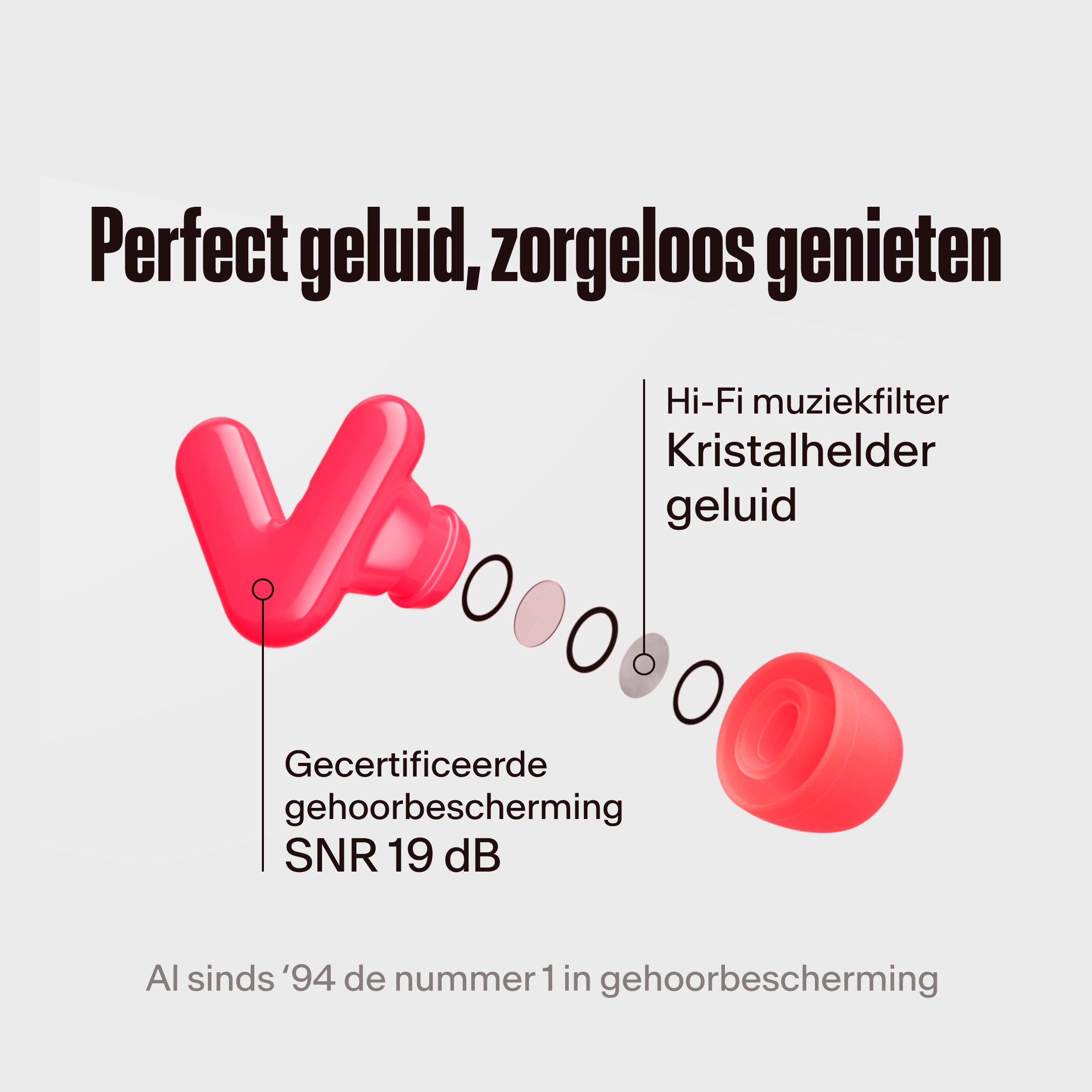
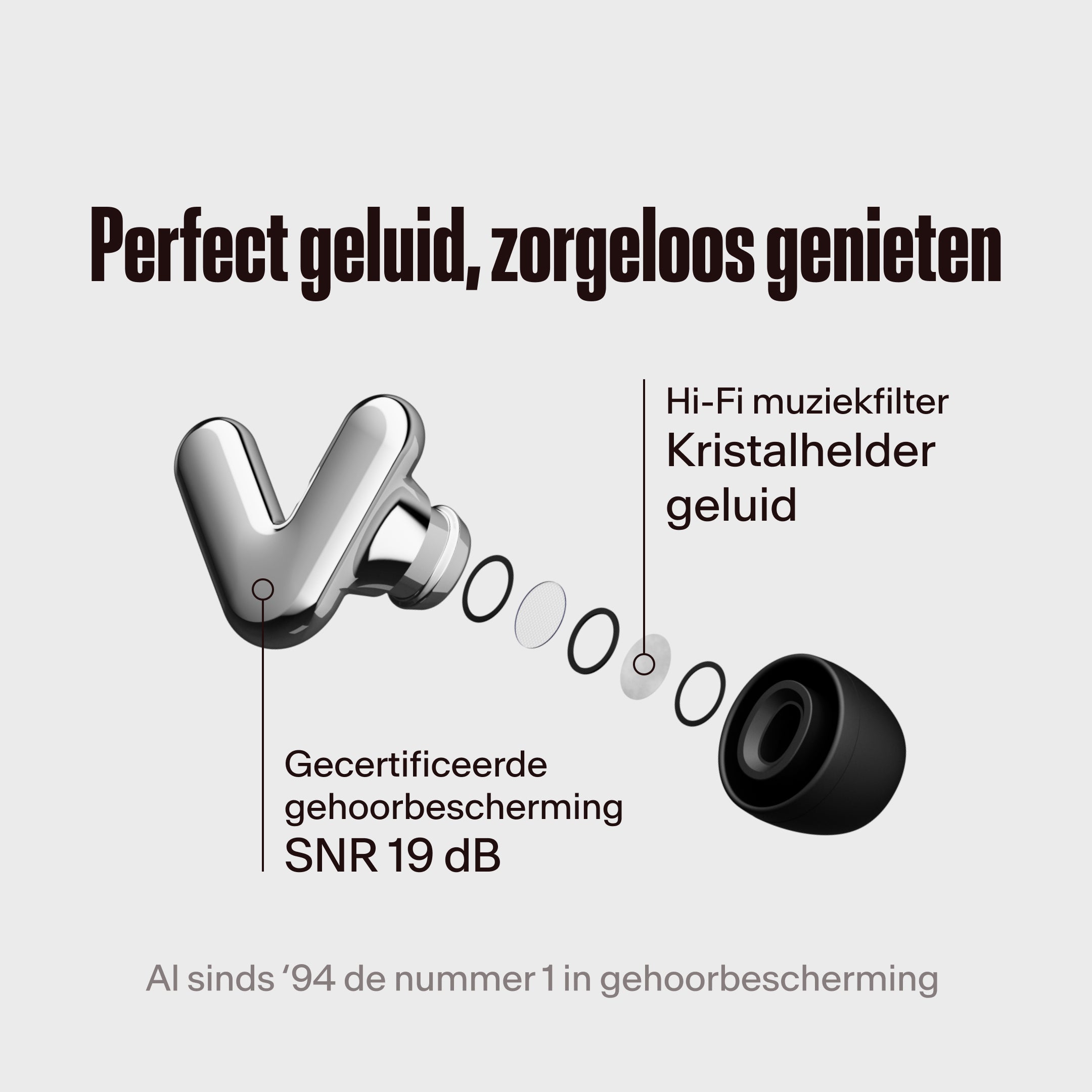
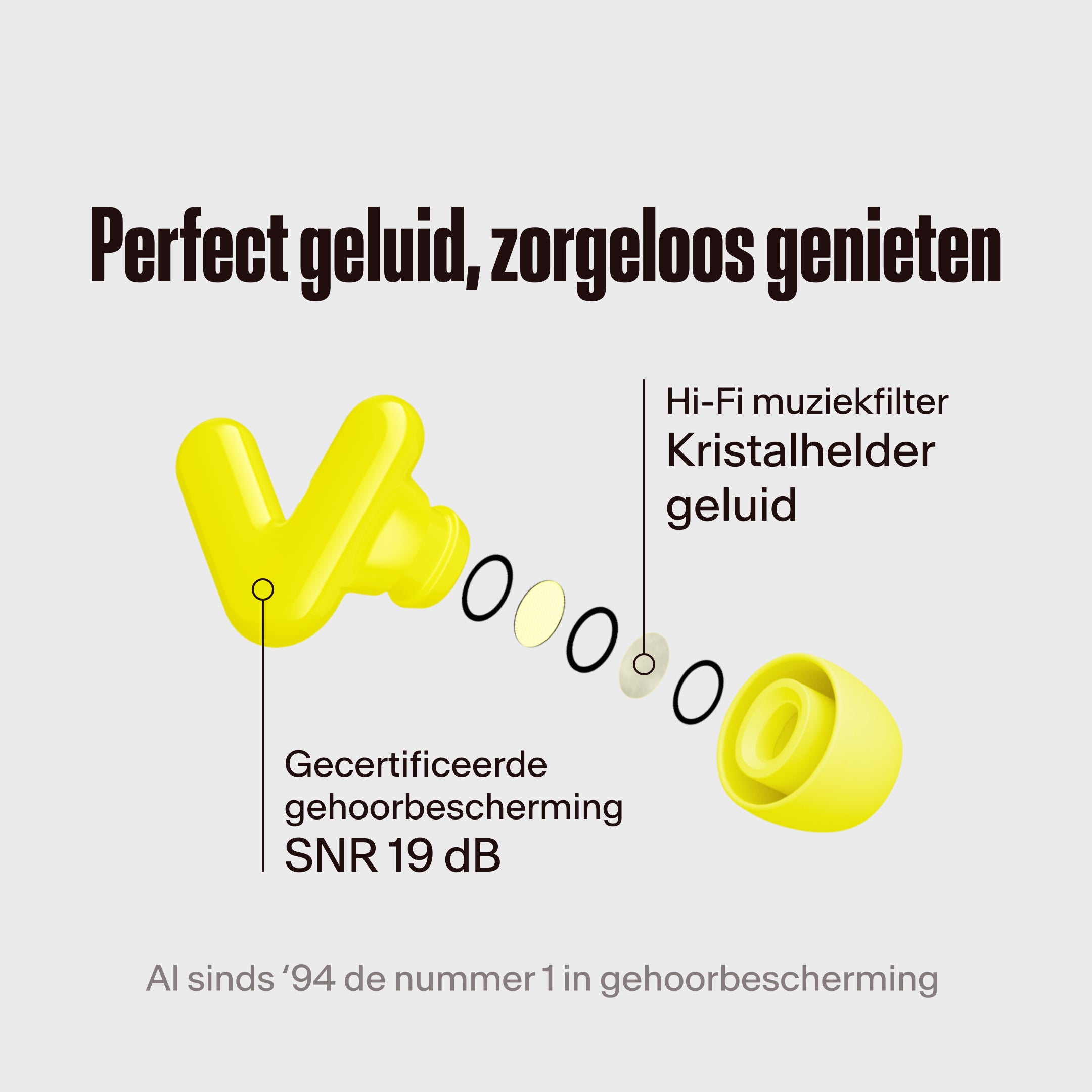
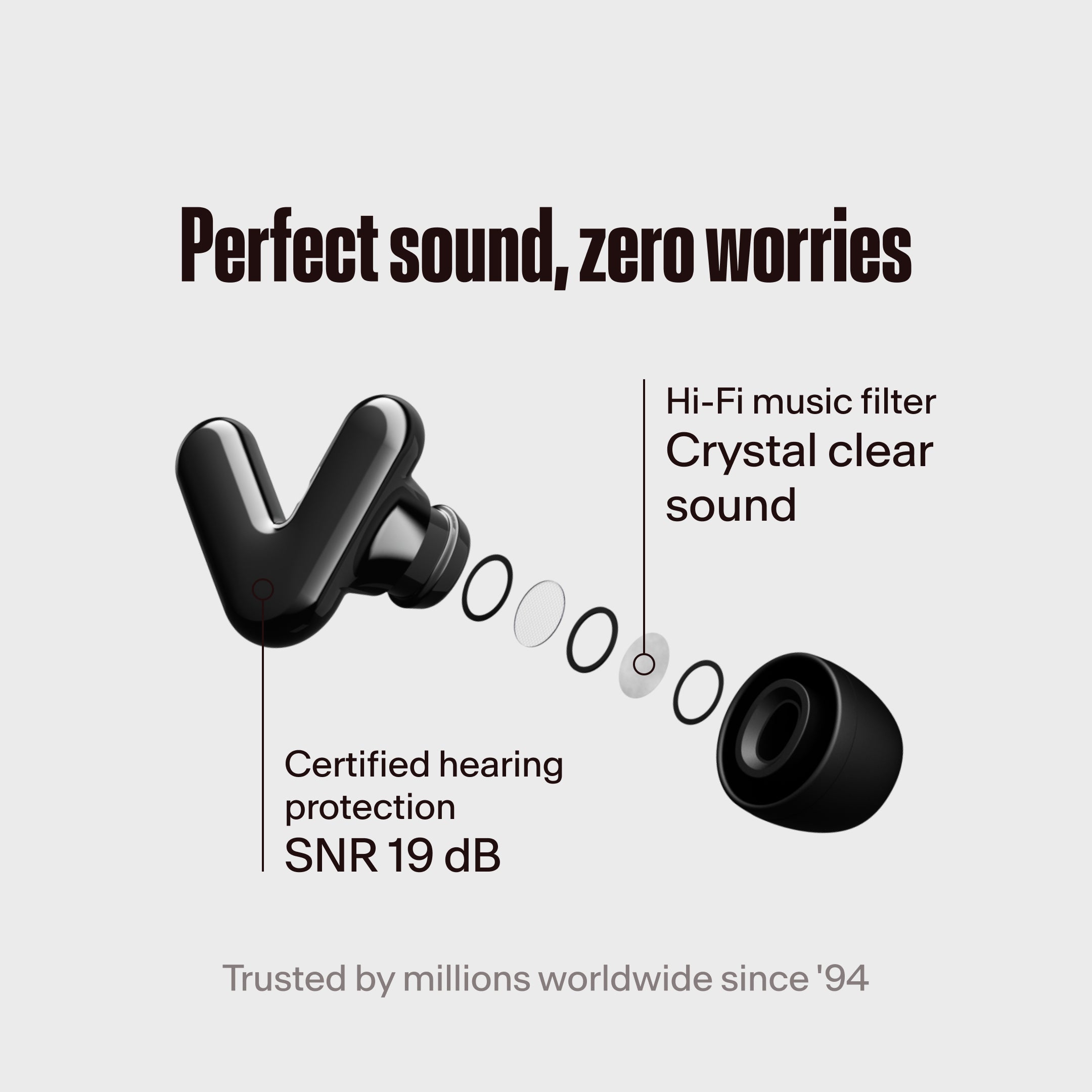
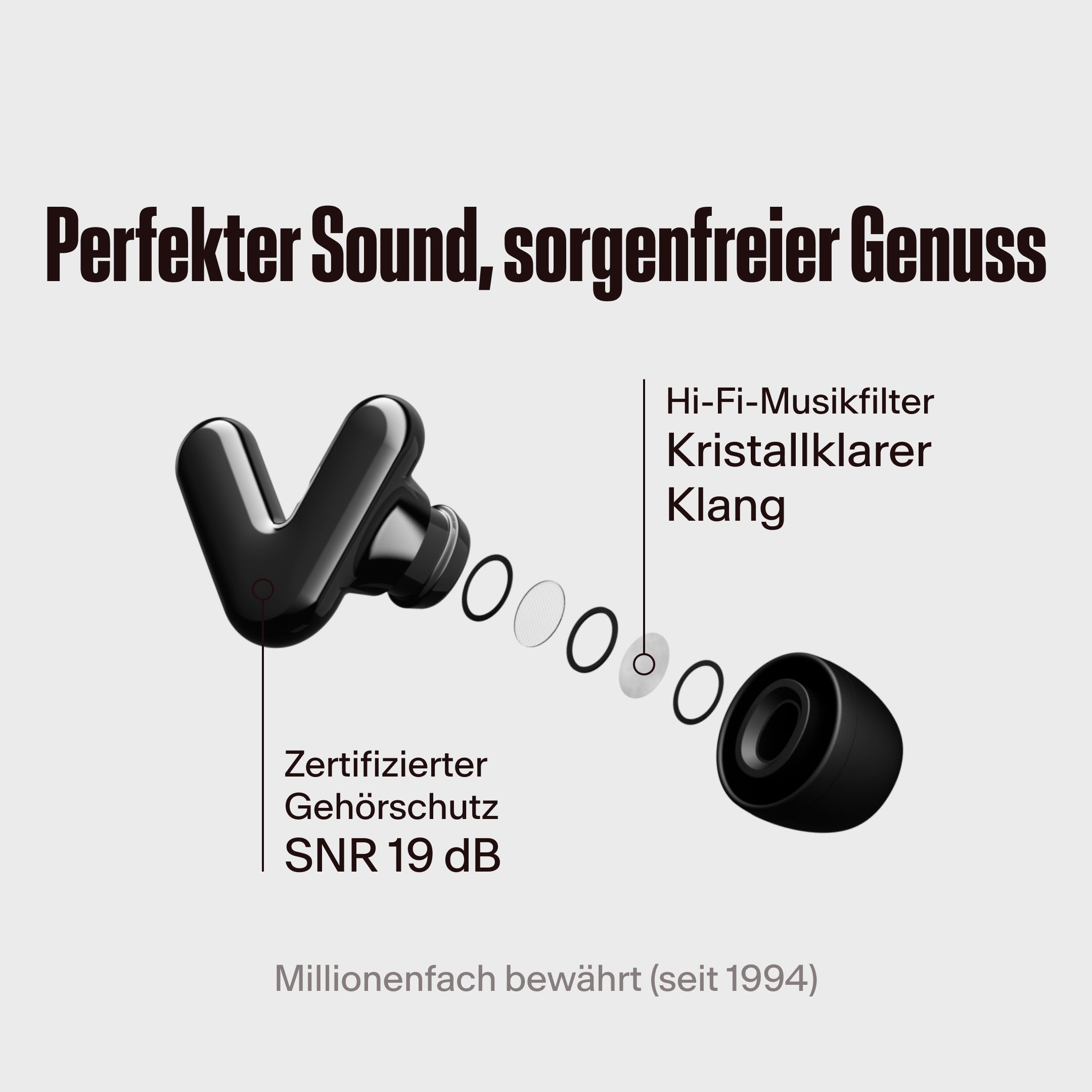
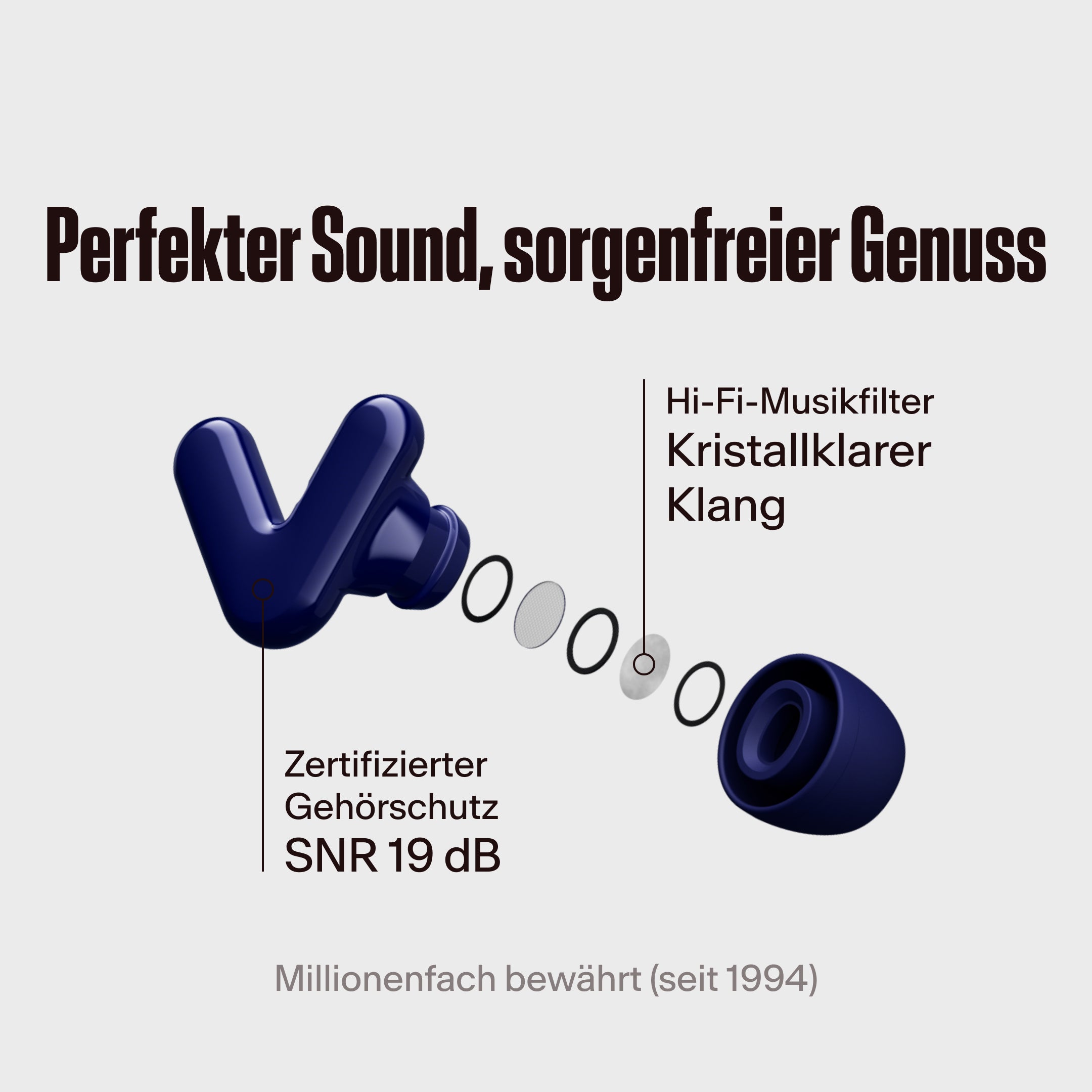
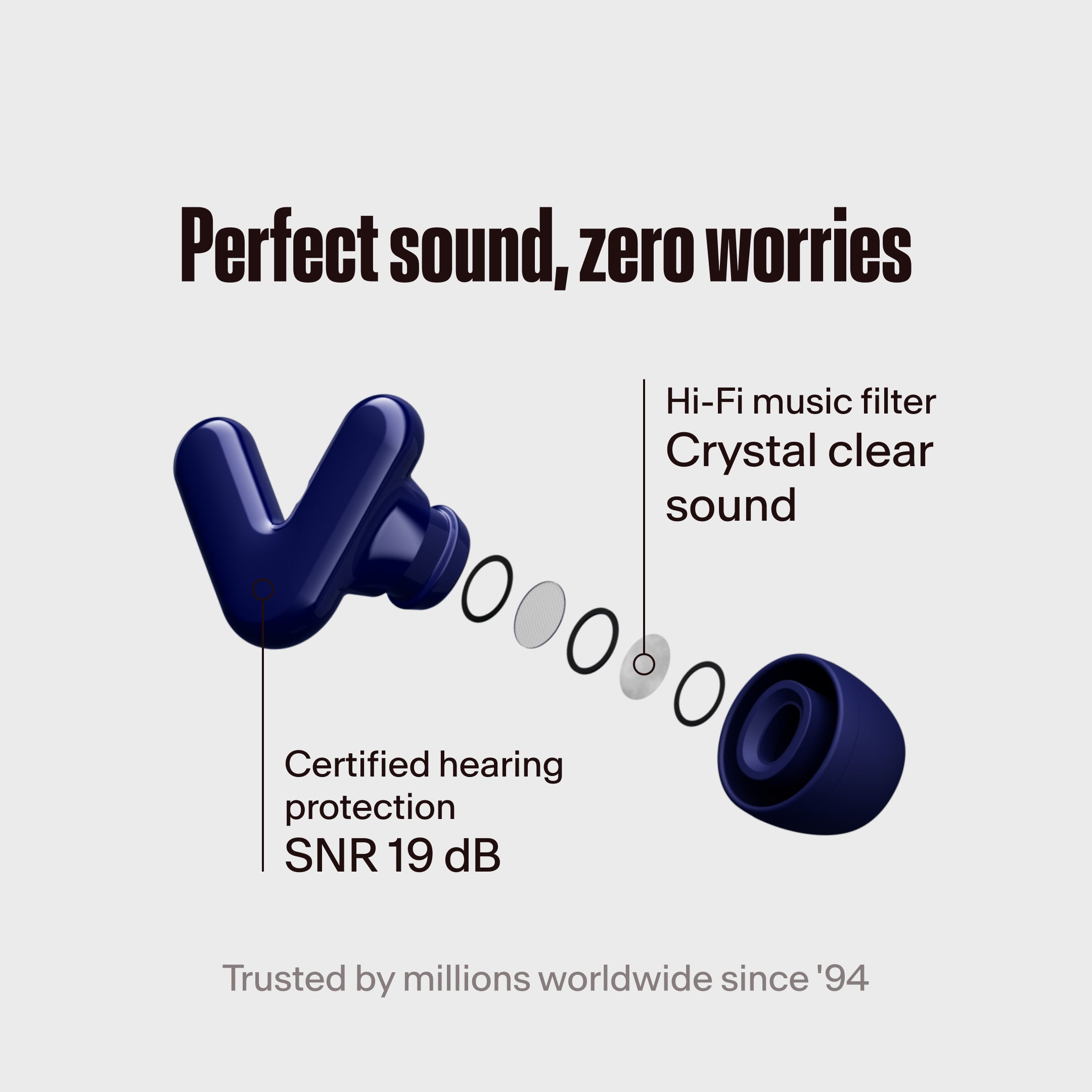
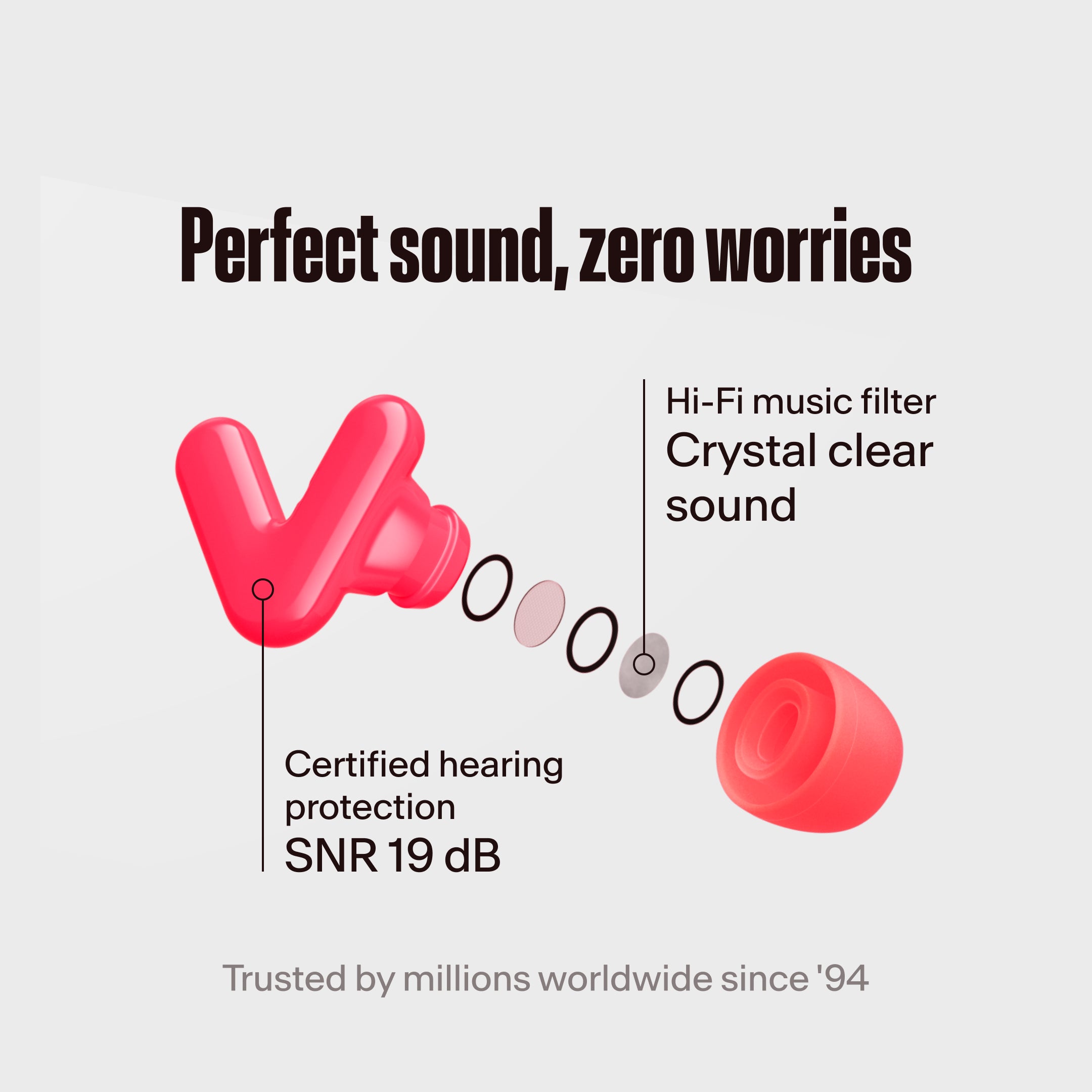
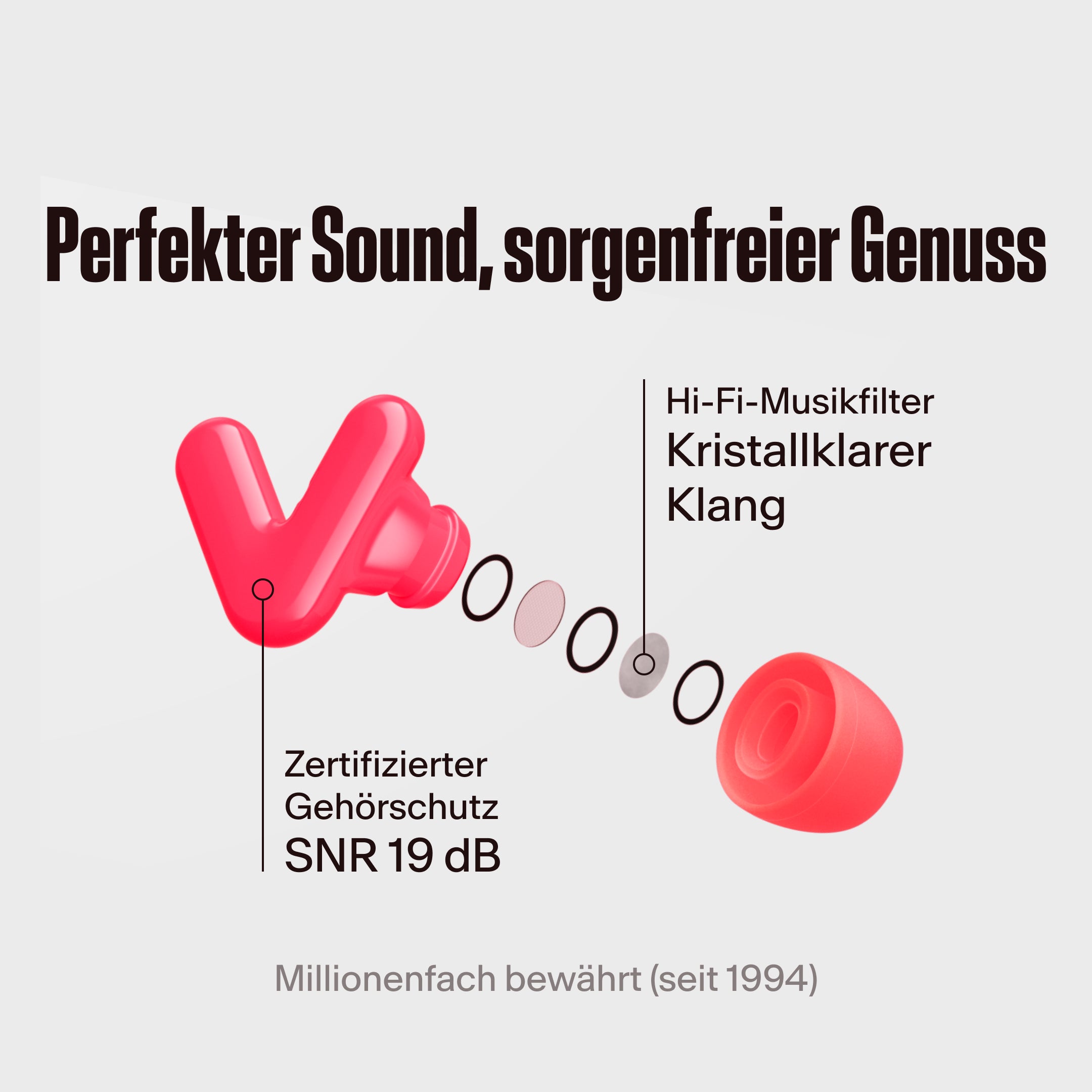
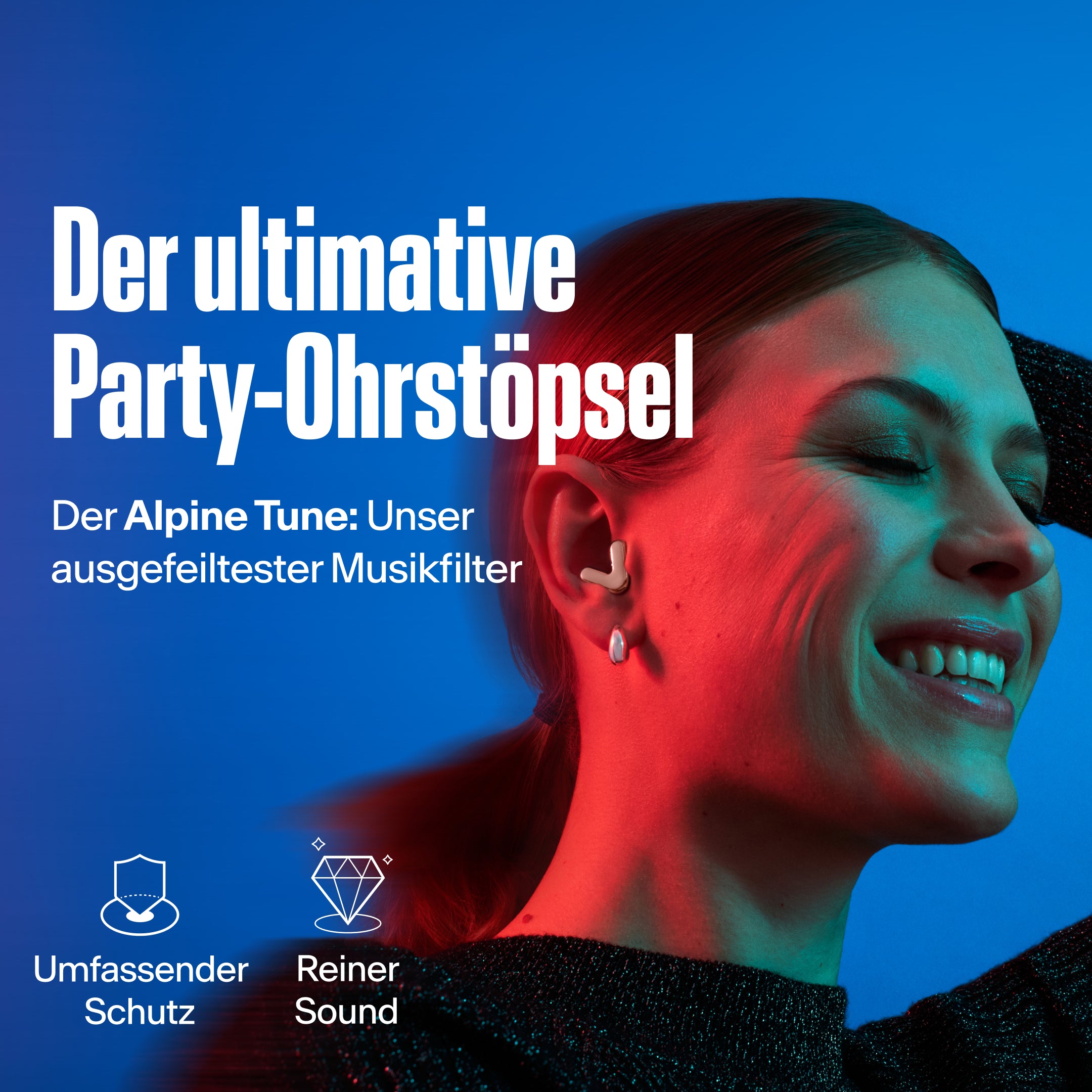
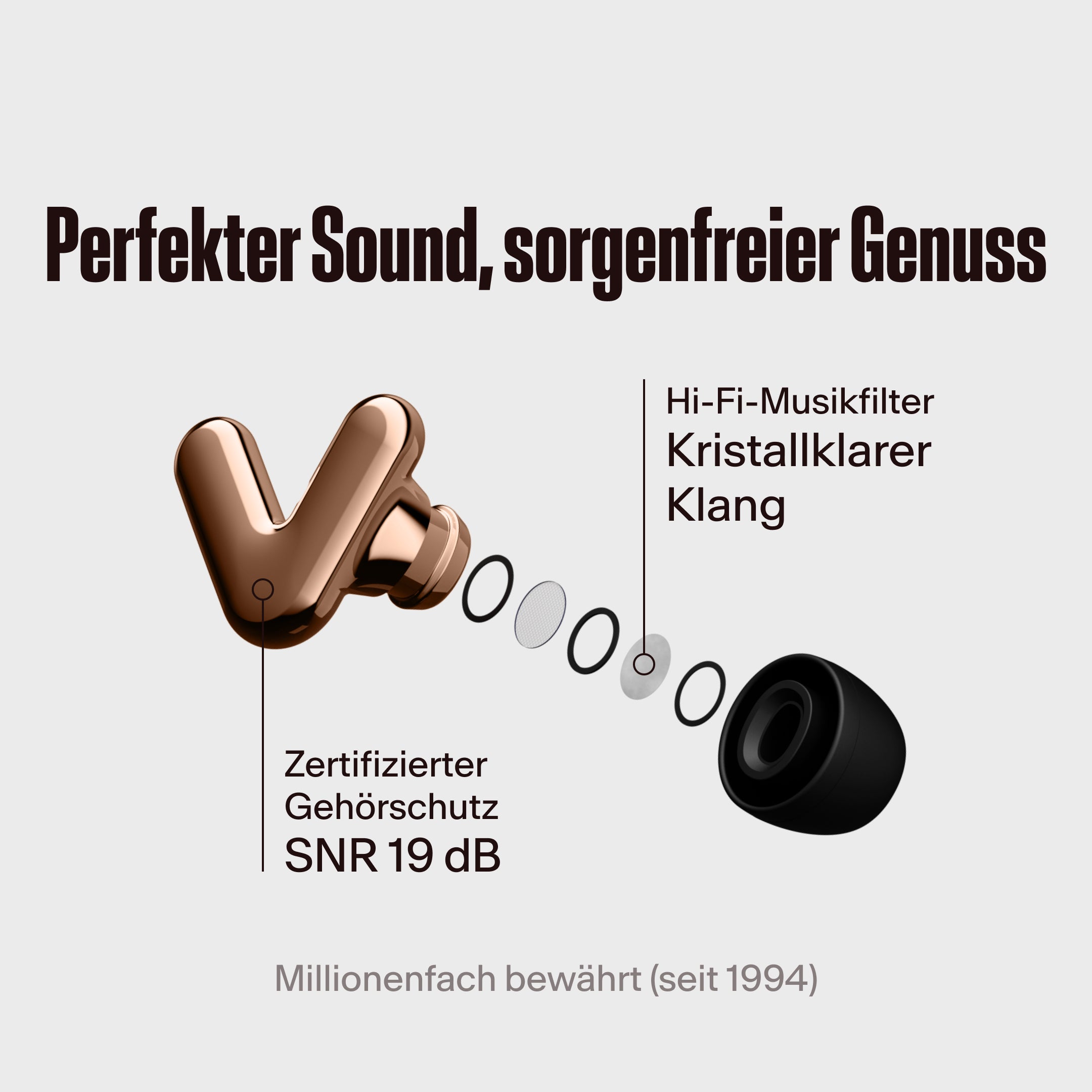
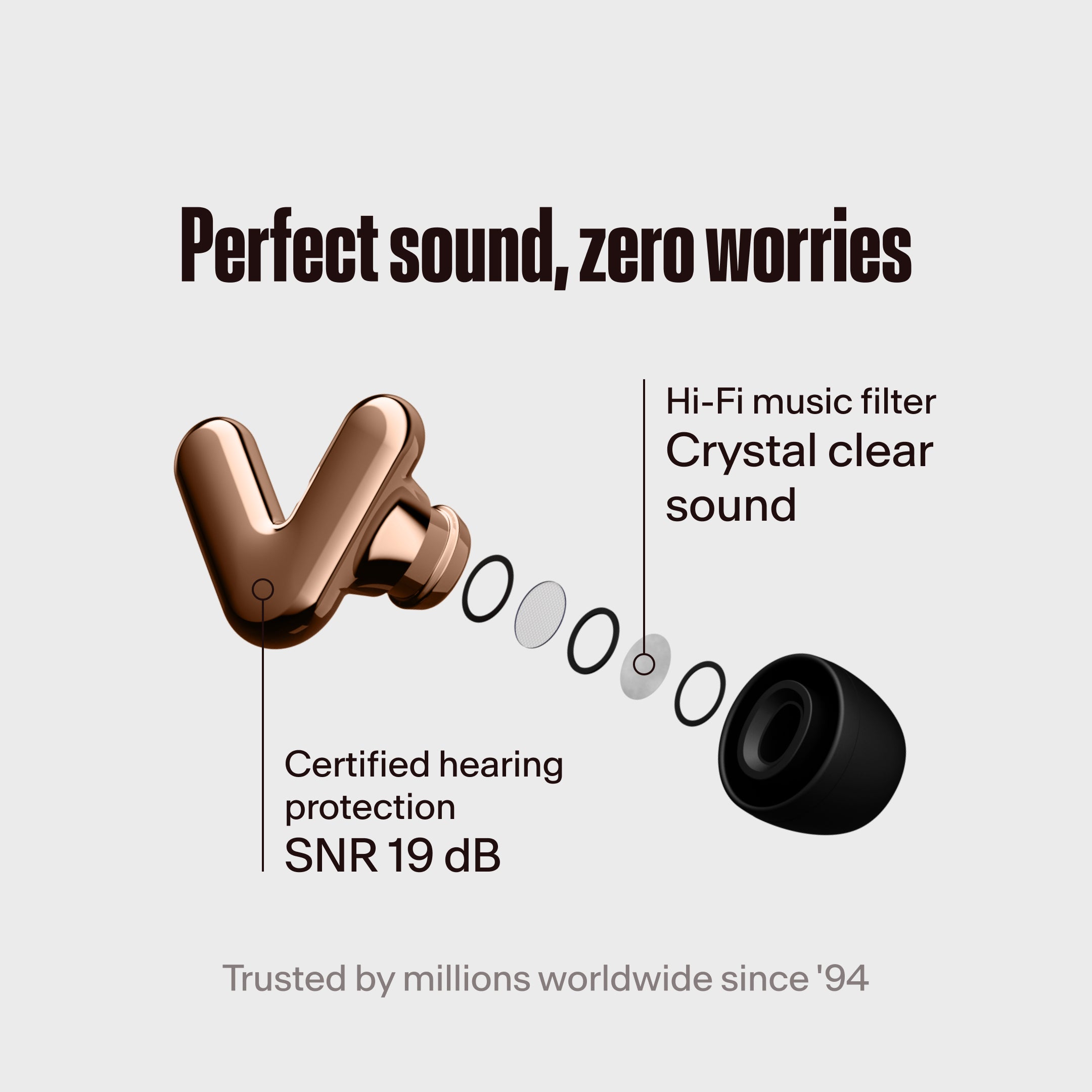
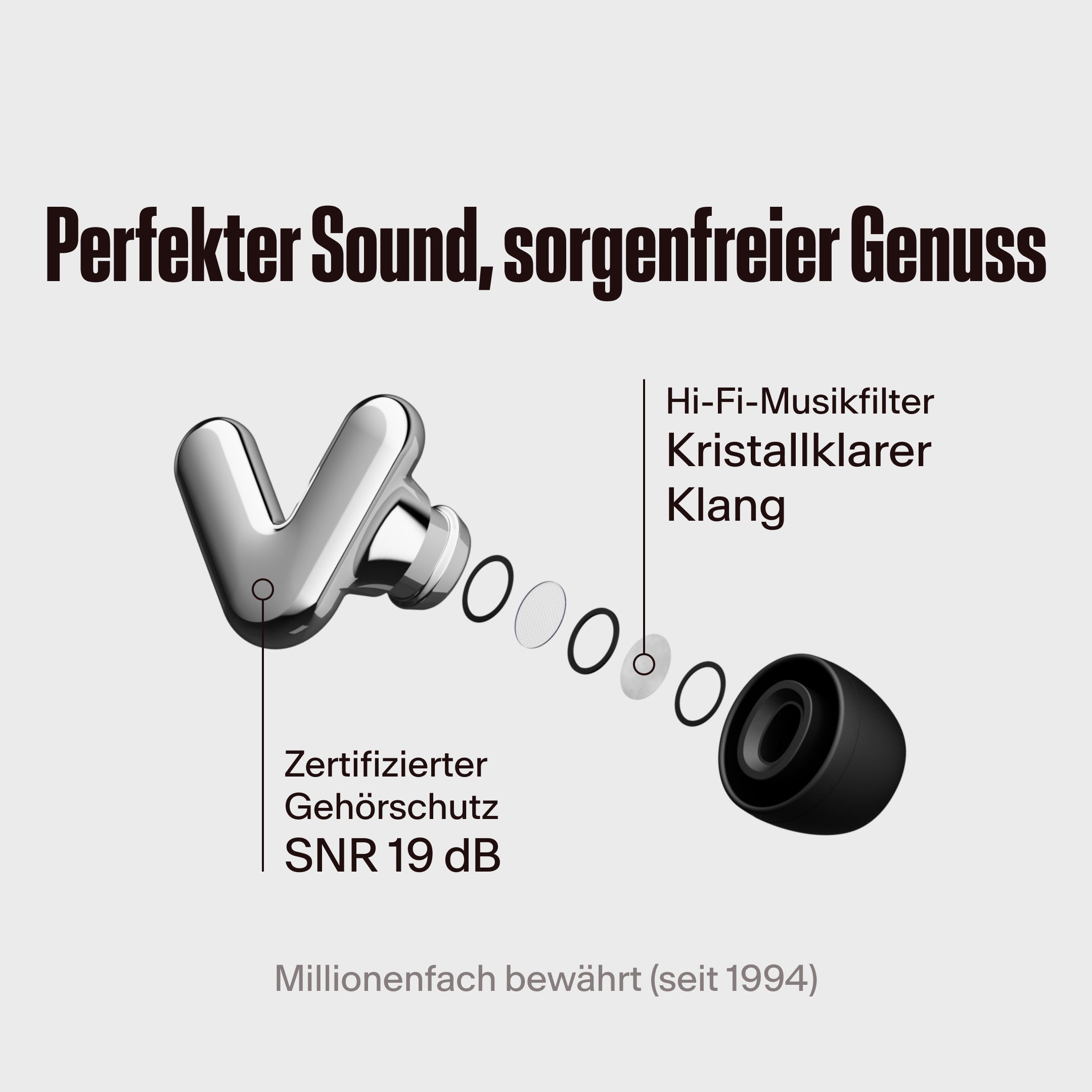
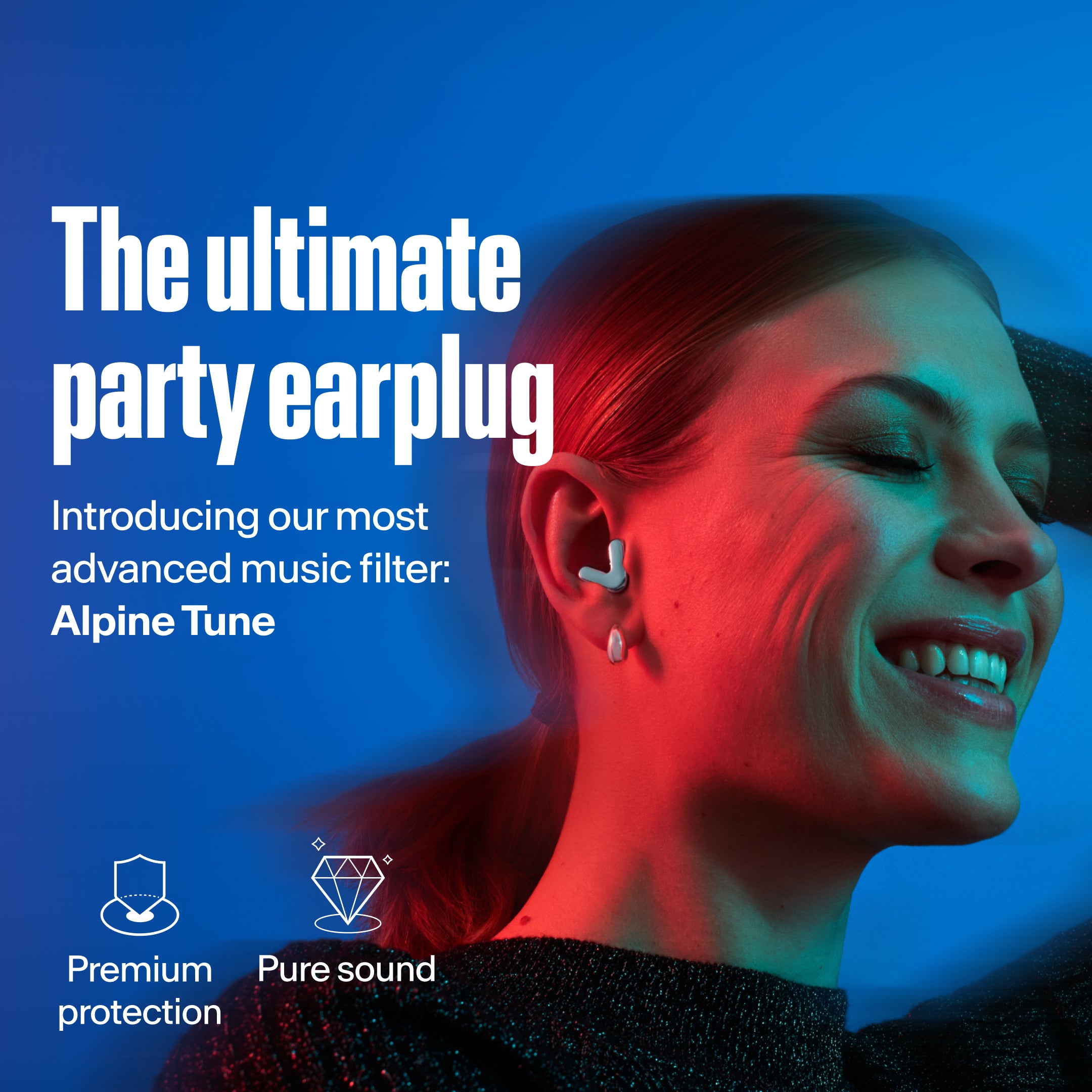
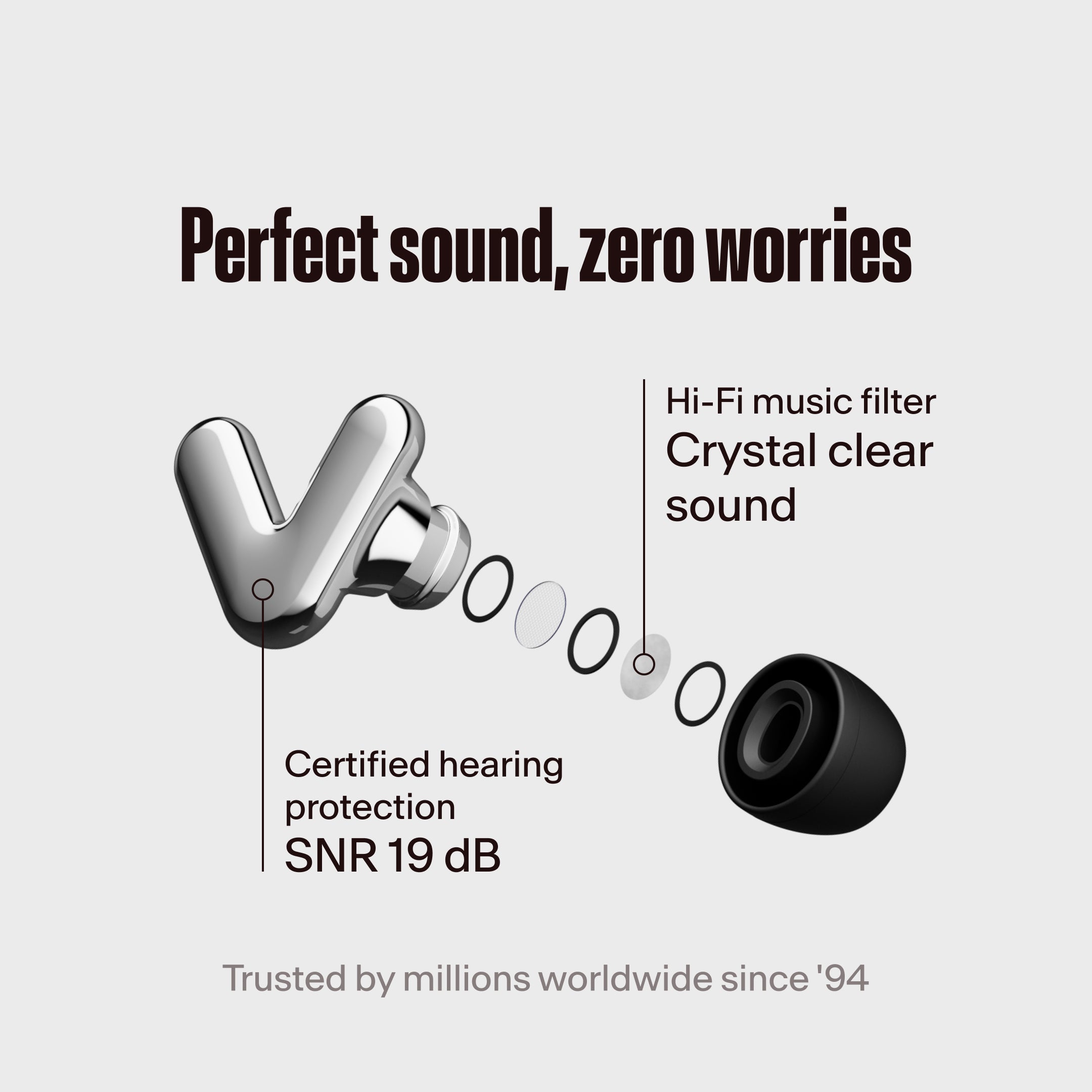
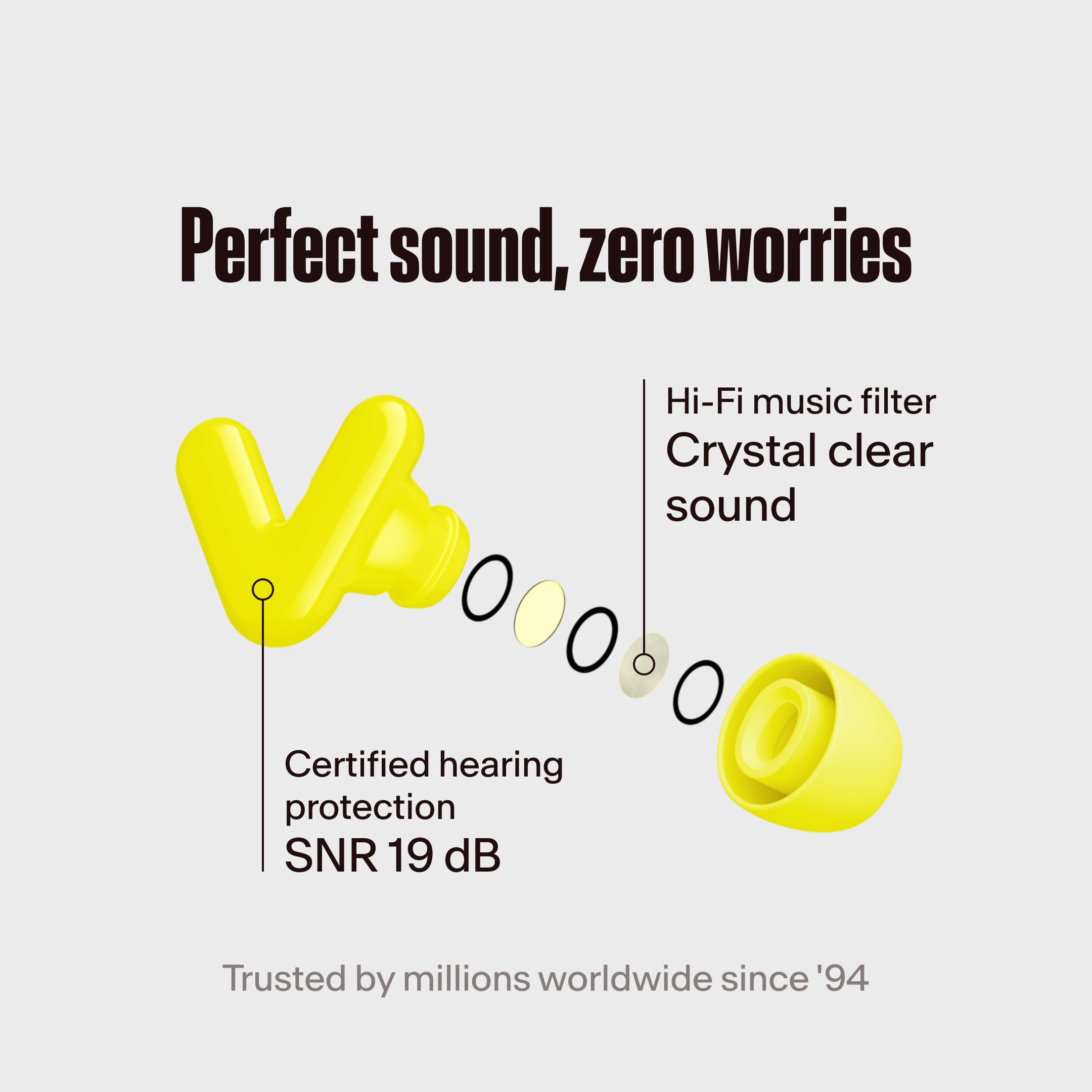
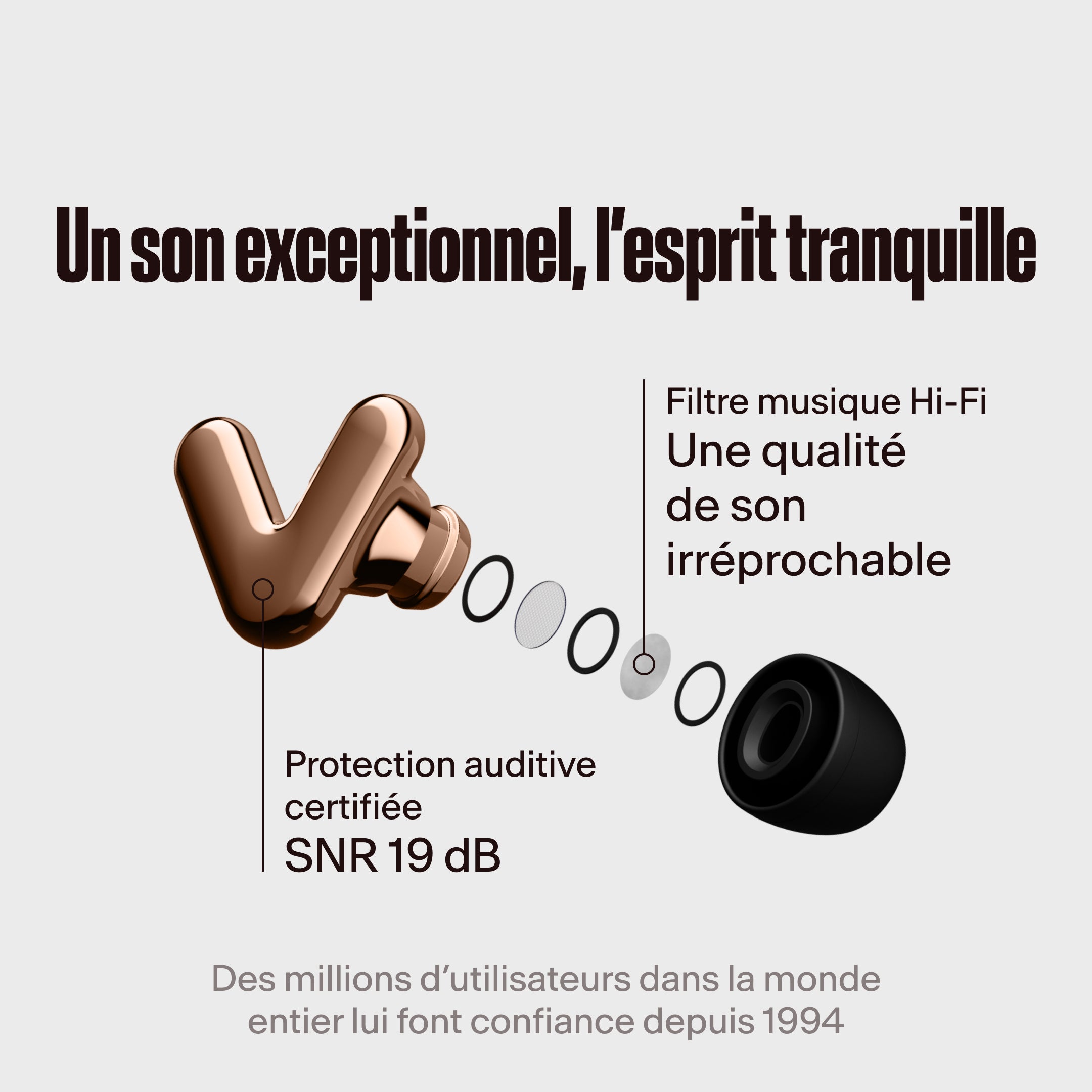
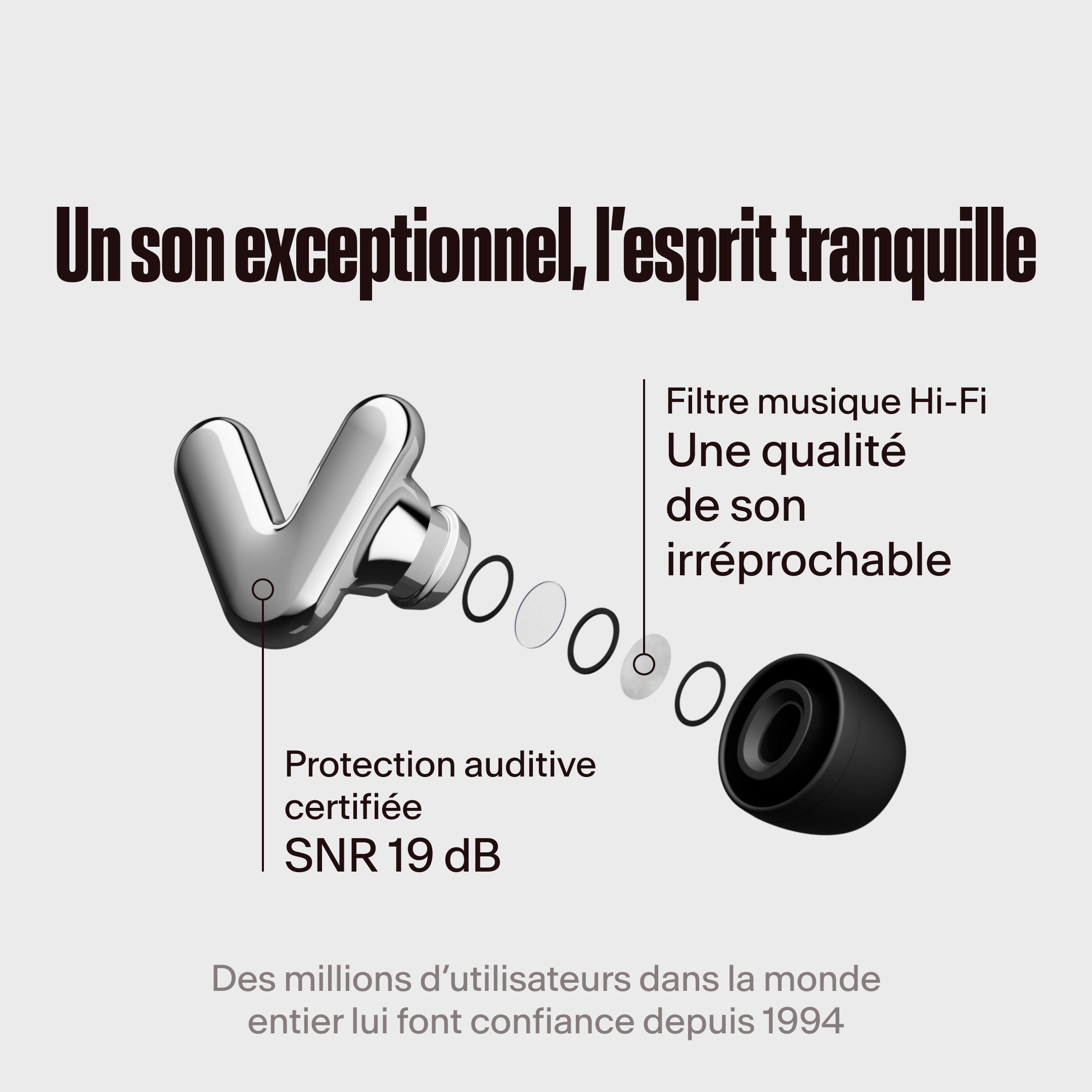
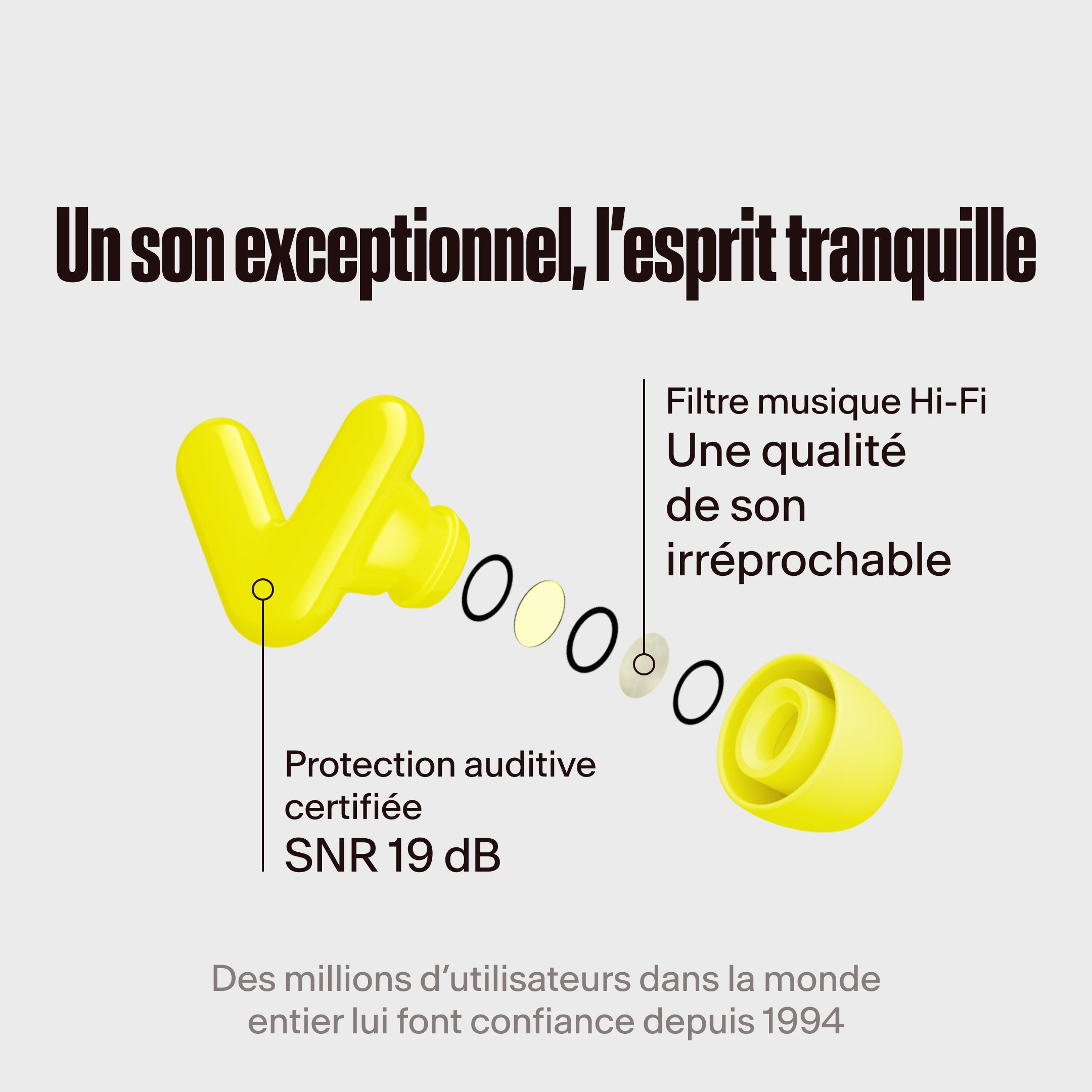
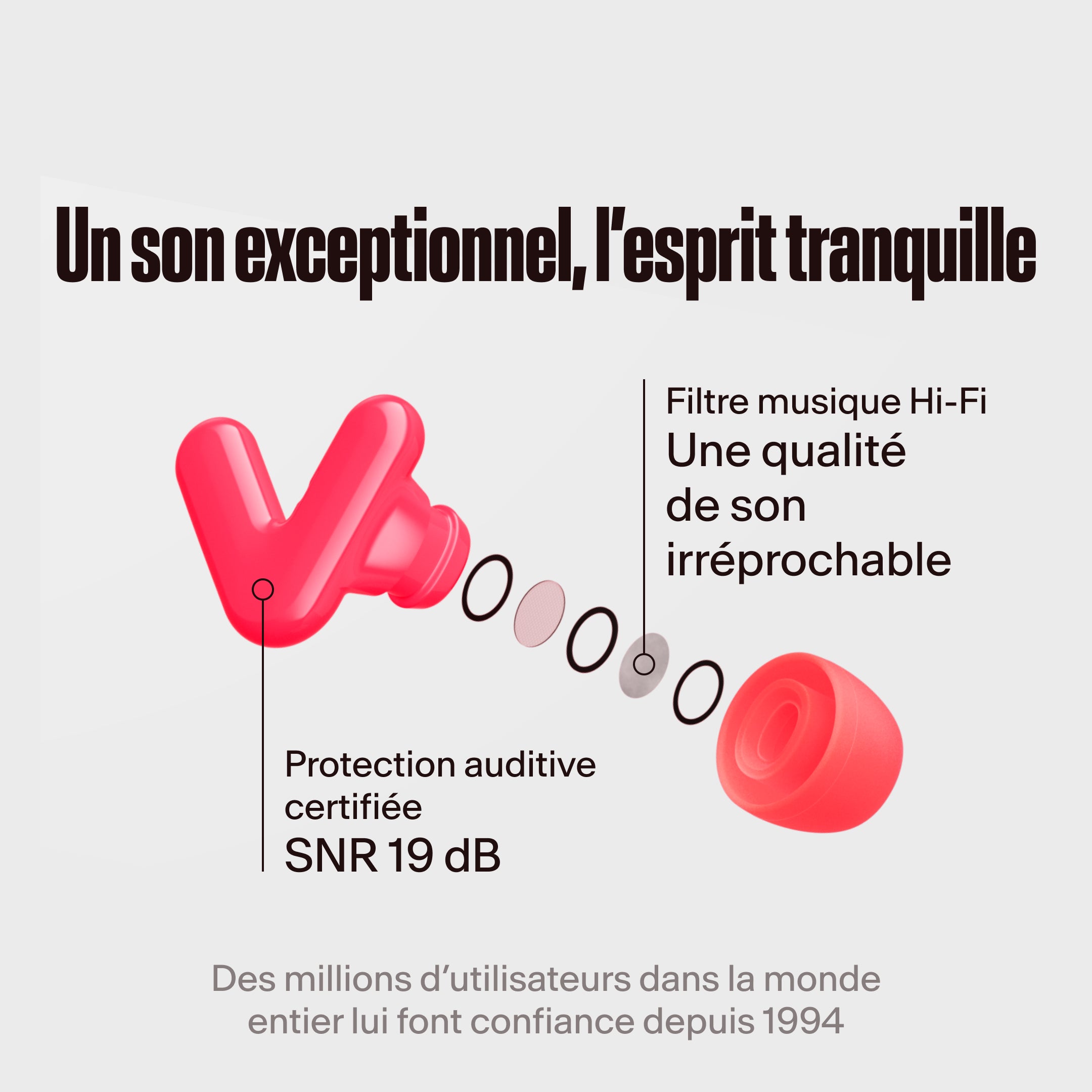
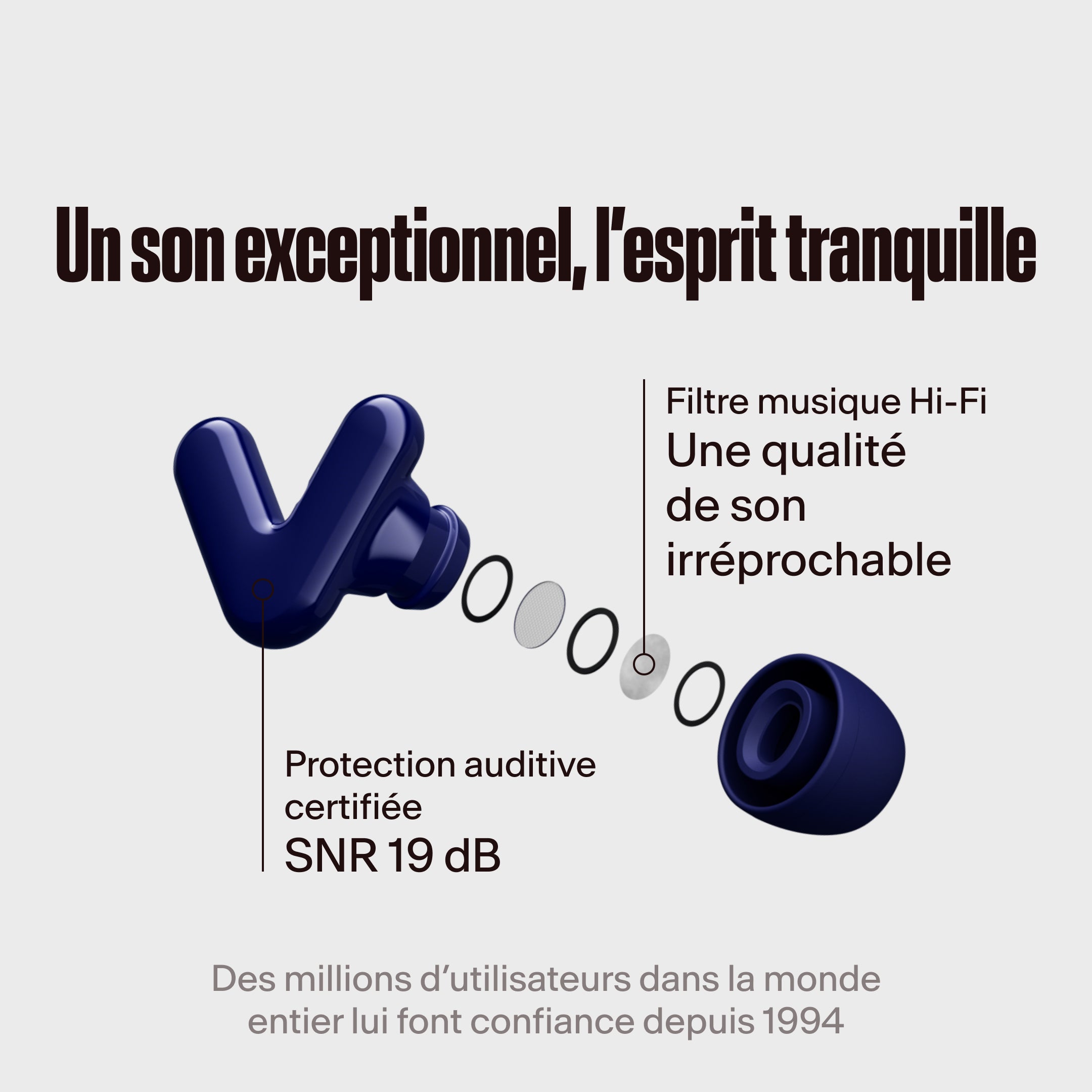
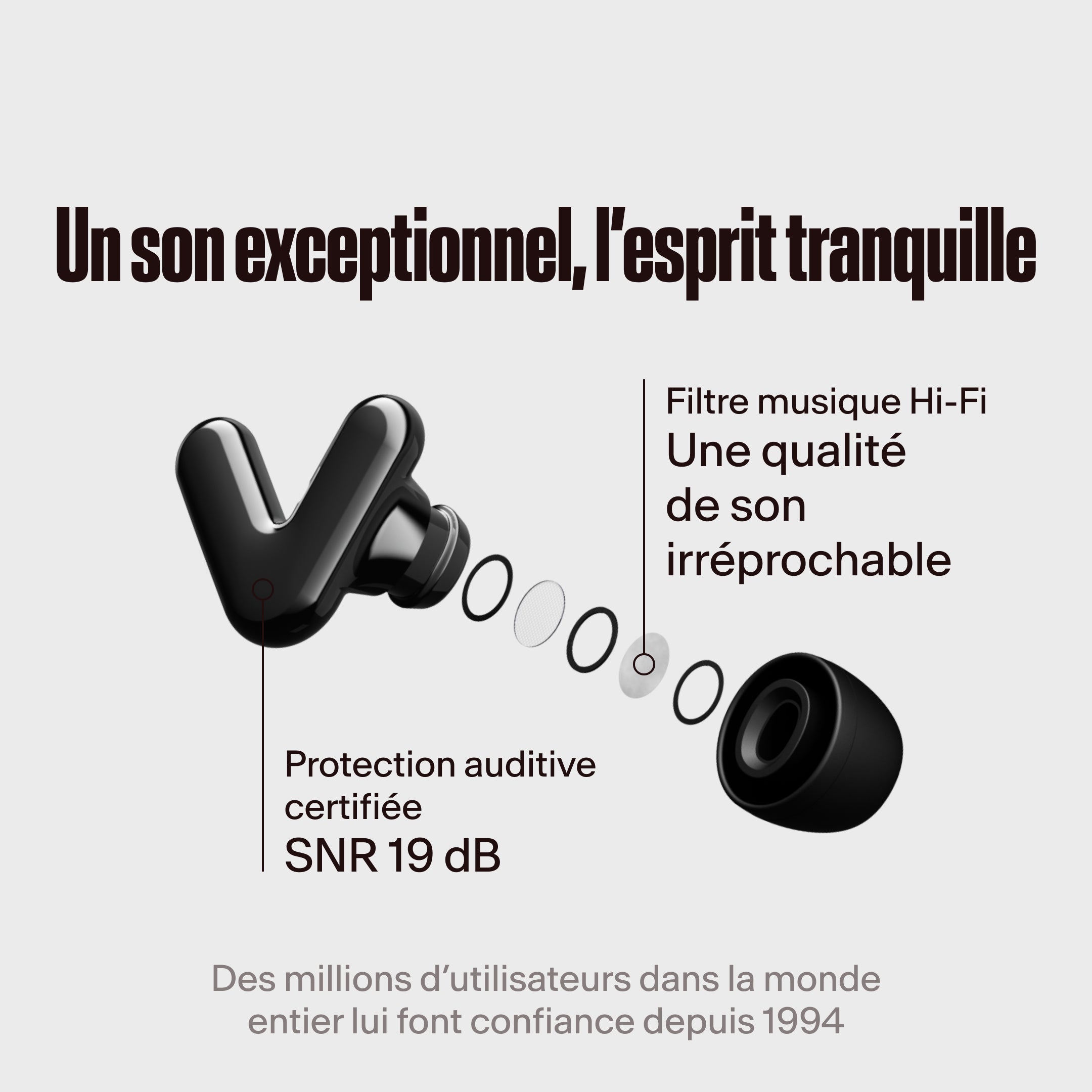
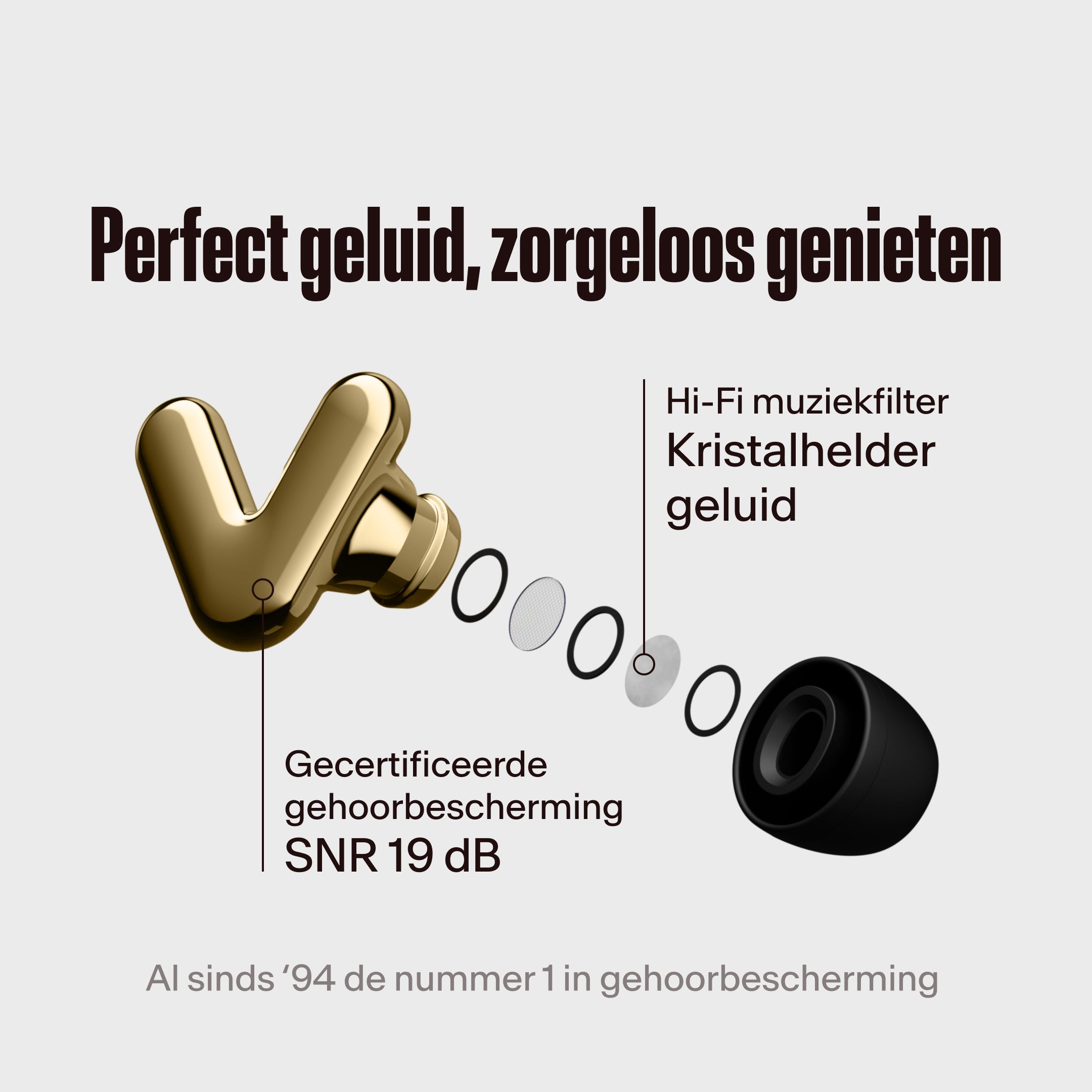
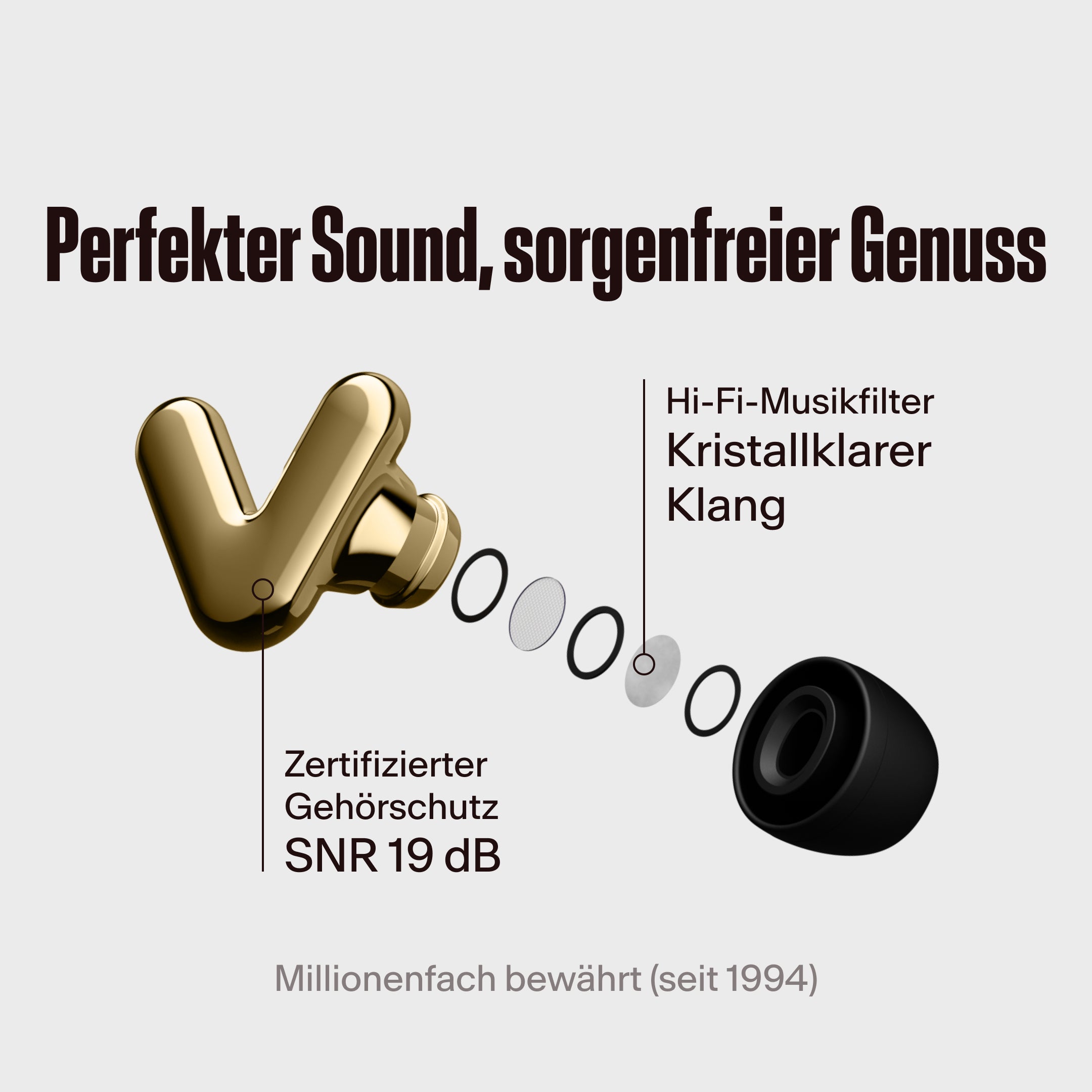
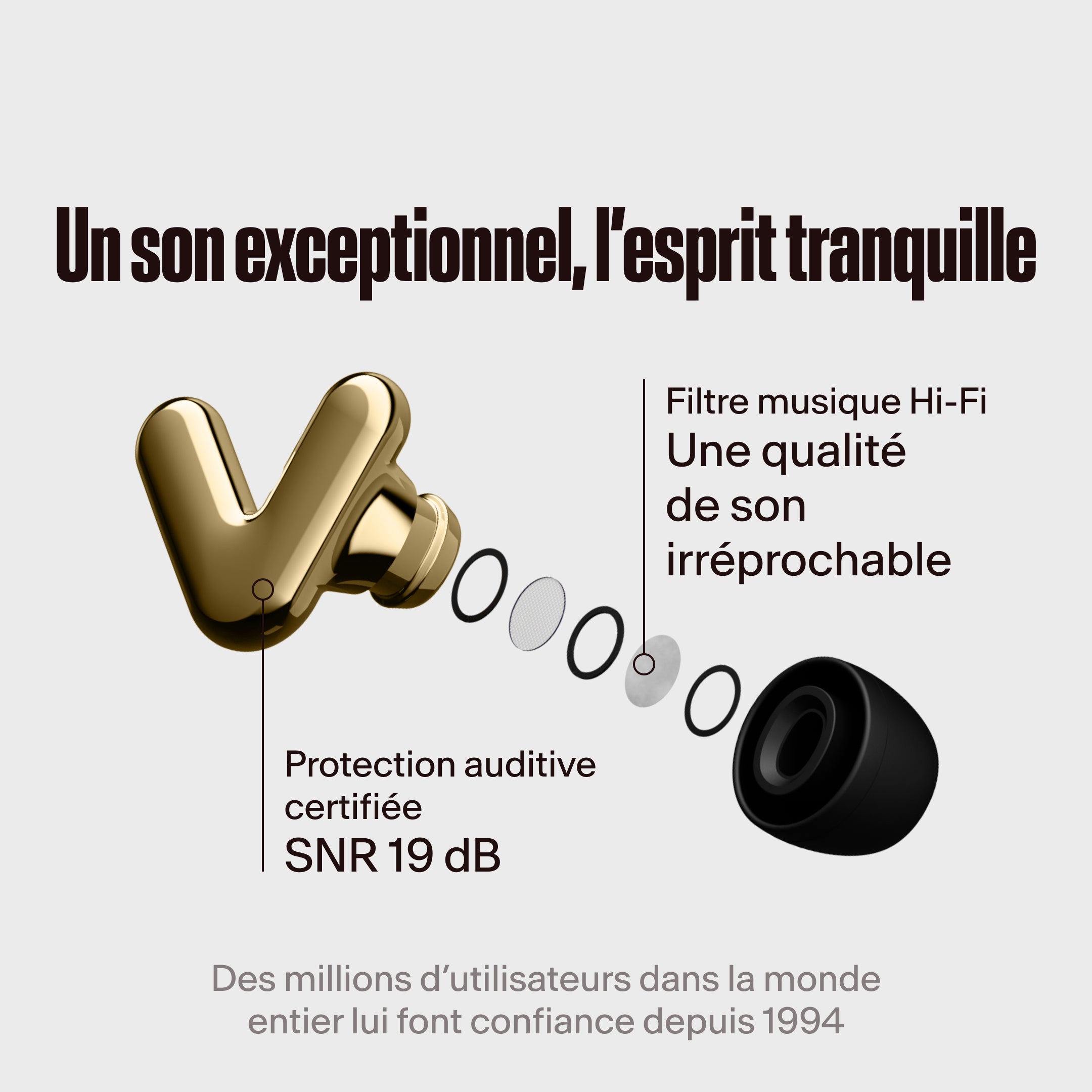
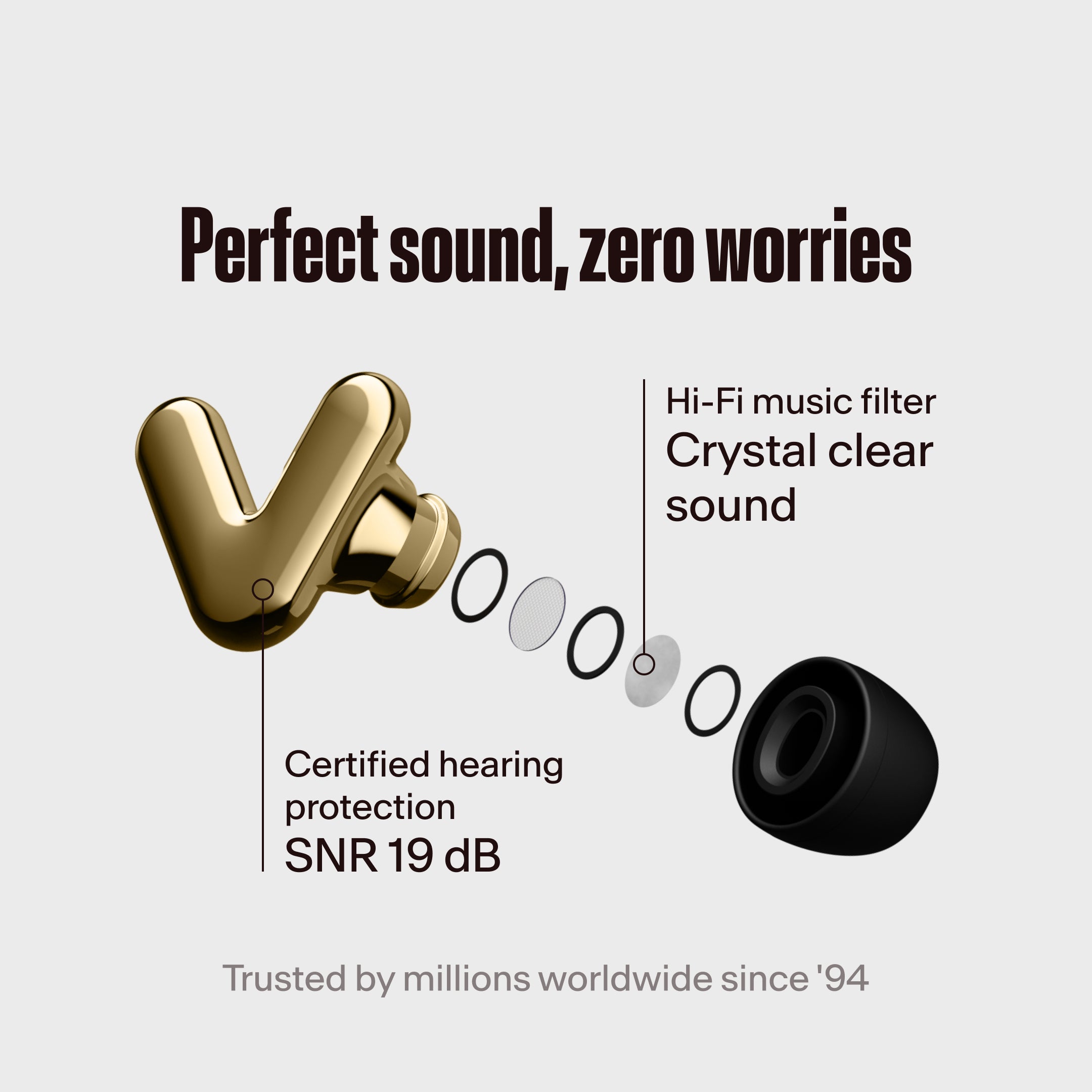
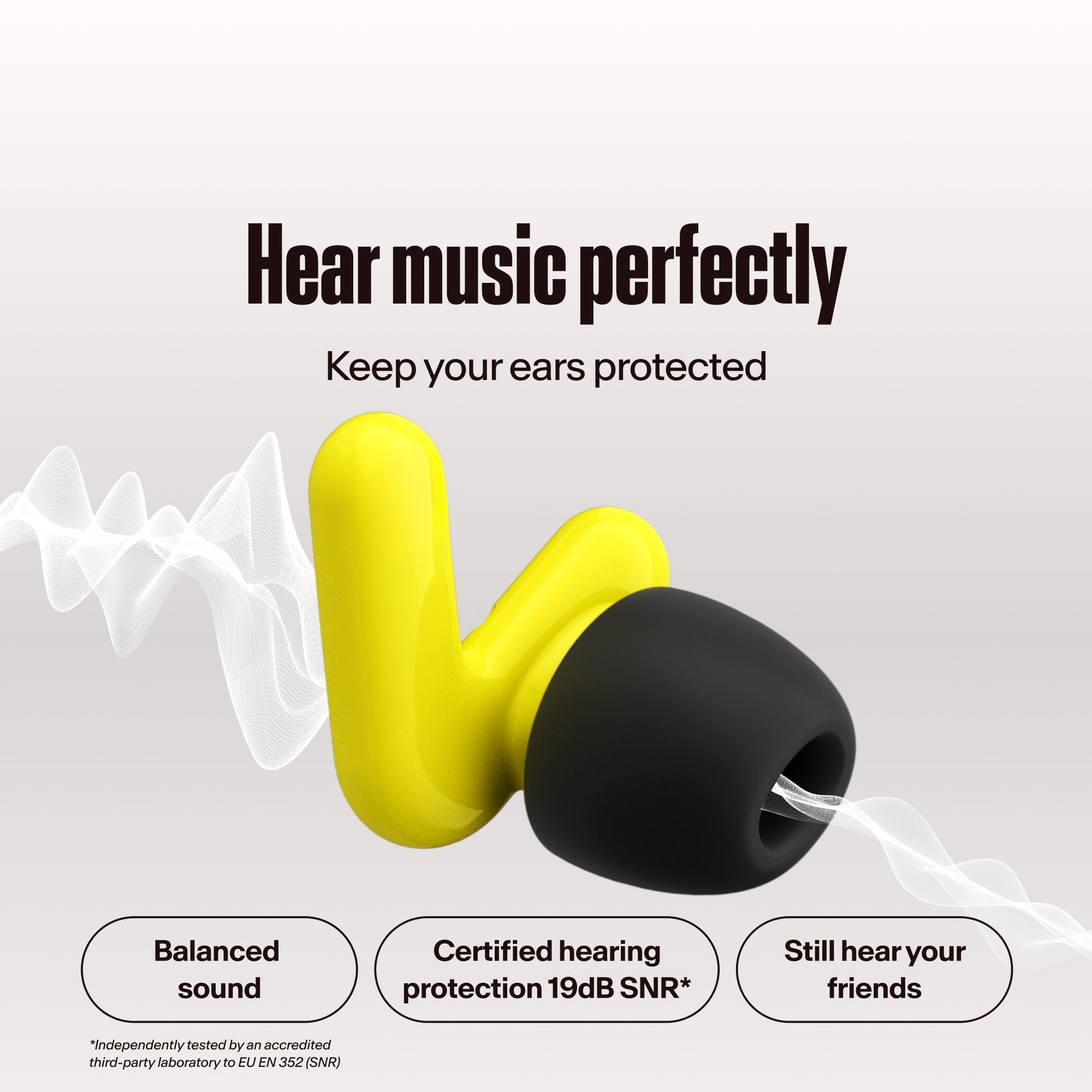
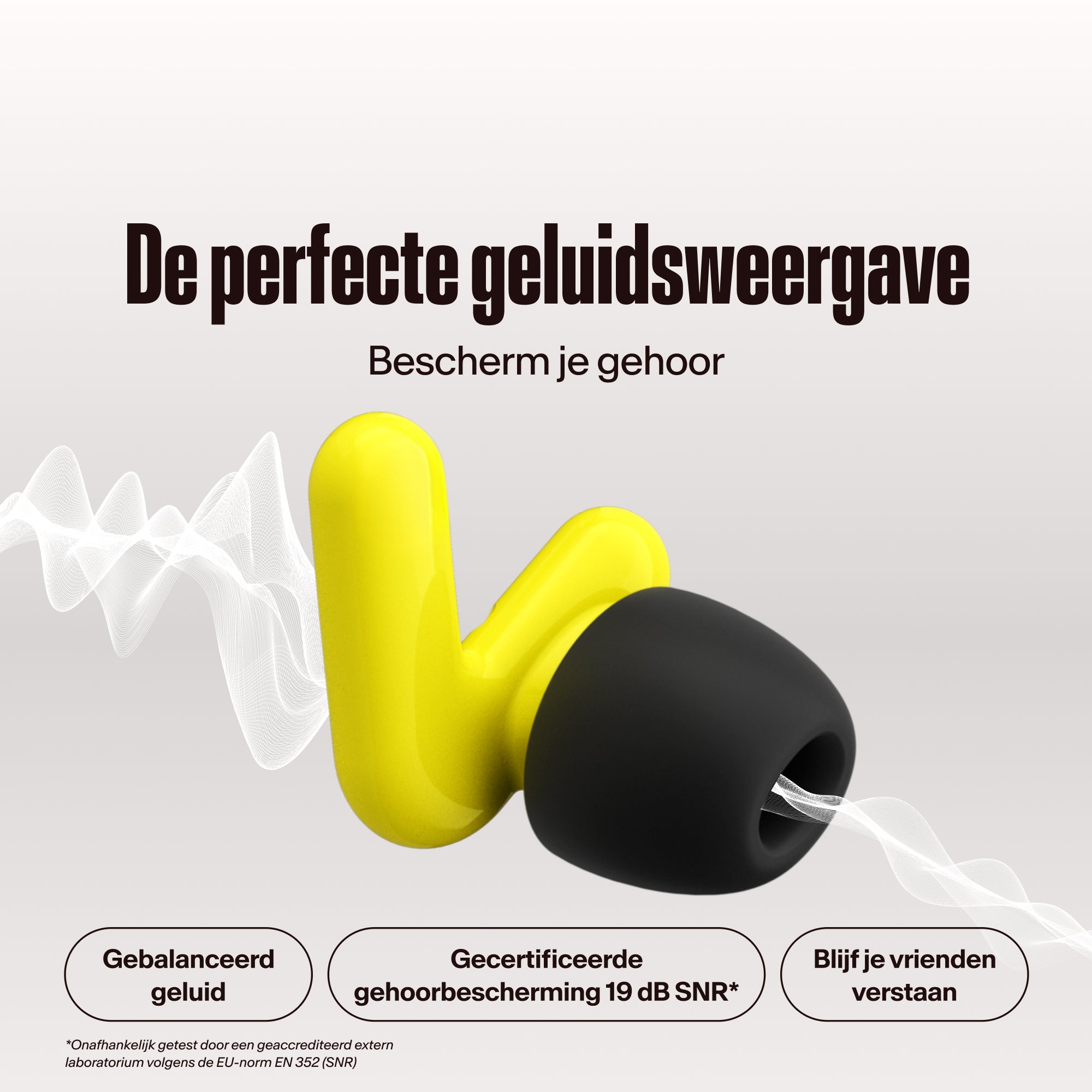
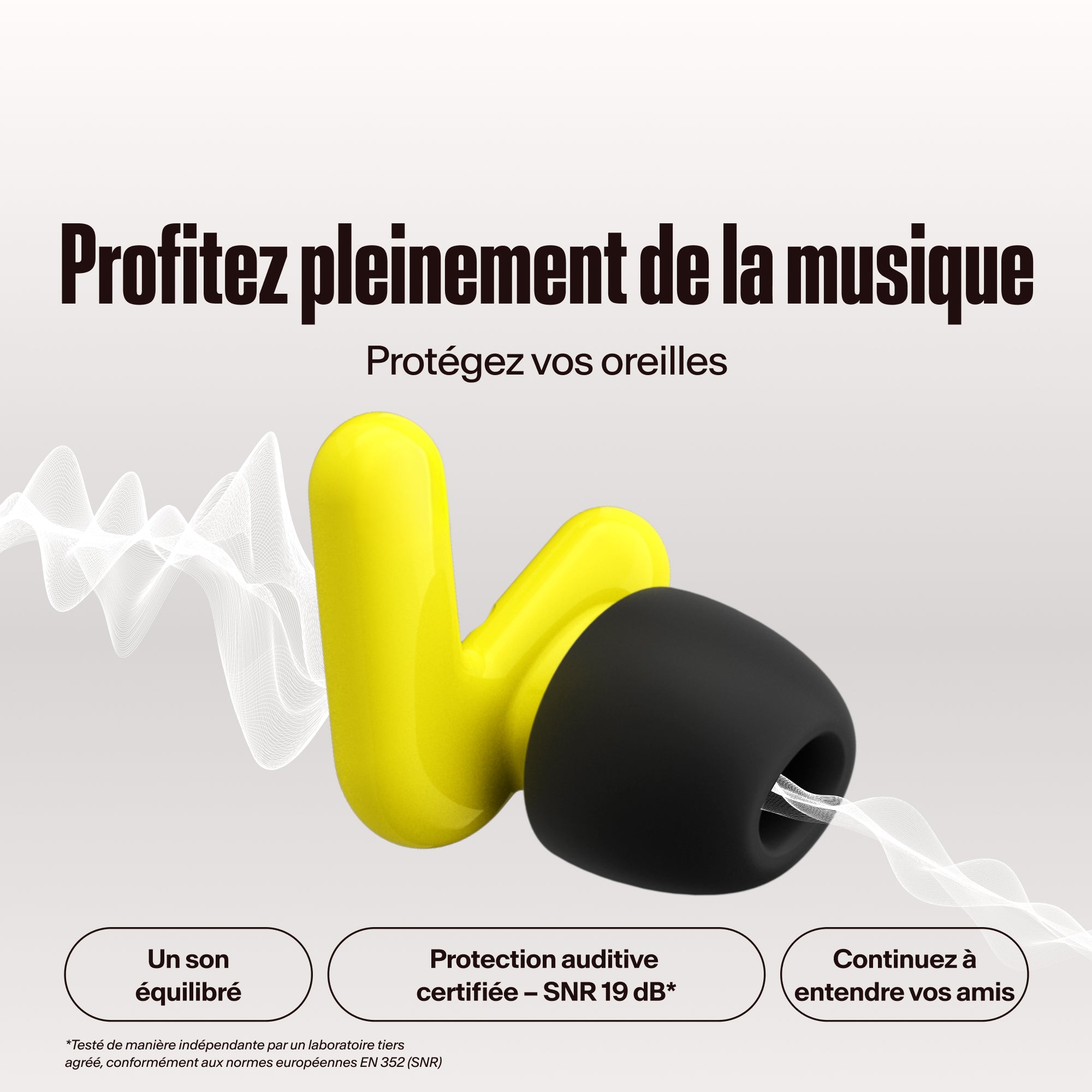
- High quality music earplugs like Alpine Tune reduce volume evenly across all frequencies (SNR 19 dB) while preserving music clarity.
With festival season starting and a year of live music going strong, here at Alpine, we're encouraging concertgoers to be mindful of their hearing health. While live events offer unforgettable experiences, repeated exposure to high noise levels can cause lasting damage that often goes unnoticed until it's too late.
What is considered damaging?
The first step is understanding how hearing damage occurs. Hearing damage can begin with prolonged exposure to sound levels of around 85 decibels (dB). This is roughly equivalent to heavy city traffic or a noisy restaurant, and regular exposure at this level for more than about eight hours can start to cause harm.
What makes noise exposure particularly concerning is how quickly risk increases with volume. Every rise of approximately 3 dB effectively doubles the sound energy reaching the ear, which means the time considered ‘safe’ decreases rapidly as levels increase.
To put this into perspective:
| Sound level | Time until harm is caused |
|---|---|
| 85 dB | around 8 hours until harm is caused |
| 88 dB | around 4 hours |
| 91 dB | around 2 hours |
| 94 dB | around 1 hour |
| 100 dB | as little as 15 minutes |
| 110 to 120 dB | potential damage can occur in just a few minutes, or even sooner near speakers |
Sound levels at live music events can often sit between 100 and 110 dB, particularly during headline performances. This means many people may be exposed to potentially harmful levels before they even realise it.
As our CEO, Arthur van Keeken, explains: “We generally consider 85 decibels the point where hearing damage can begin with prolonged exposure… the invisible danger increases because every 3 dB effectively doubles the sound energy reaching the ear, which means the ‘safe’ listening time drops dramatically.”
What is the ‘invisible damage’?
Many people assume ringing ears, buzzing sounds, or muffled hearing after a concert are simply part of the experience. However, these symptoms can be early signs of hearing damage.
If you wake up the next morning experiencing any of these, the hair cells and neural pathways in your ears are likely overloaded and inflamed. Because these delicate hair cells in the inner ear do not regenerate once damaged, even temporary symptoms should be taken seriously.
A useful way to think about this is as a bucket slowly filling with water. Each time you attend a festival or concert without hearing protection and leave with ringing, buzzing, or a muffled sensation, a small amount of stress is added to the delicate hair cells and neural connections in your ears. With every exposure, the bucket fills a little more. In the early stages, the ringing may fade after a few hours or days, which can make it seem harmless. But over time, the damage can accumulate. Once the bucket overflows, symptoms may become persistent rather than temporary, and even periods of apparent recovery can mask a gradual, irreversible loss of hearing.
That is why ringing, buzzing, or a muffled sensation should be viewed as a serious warning signal from your body rather than something that is just normal and part of enjoying live music.
How can I prevent damaging my ears?
These are our four key tips to help protect your hearing and prevent damage.
Distance matters
When attending a live music event, it's natural to want to stand as close to the stage or speakers as possible. However, proximity significantly increases exposure to potentially harmful noise levels. Even a small amount of extra distance from festival loudness can noticeably reduce the sound energy reaching the ears.
For those planning to attend multiple concerts, festivals or club nights over the summer, choosing a slightly less intense position in the crowd can make a meaningful difference. It helps protect hearing while still fully enjoying the live music experience.
Prioritise recovery time
Just like muscles need time to recover after exercise, your ears also need time to recover after prolonged exposure to loud sound. Continuously attending festivals, gigs, or club nights can place repeated stress on your auditory system, so it's important to put in periods of rest.
During a festival, this means taking regular breaks from the sound. Stepping away from the crowd for at least 30 minutes and finding quieter areas such as chill out zones, food courts, or other low noise spaces can significantly reduce the load on your hearing. Hearing recovers more effectively from intermittent exposure than from continuous loud sound, so spacing out listening time throughout the day is beneficial.
After a festival or concert, aim to give your ears 24 to 48 hours of relative rest. Avoid other loud environments where possible, such as clubs, noisy bars, or additional live events. During this recovery period, it is also important to avoid using earbuds or headphones.
Many people try to mask ringing with music, podcasts, or white noise, but while this may feel comforting in the short term, it continues to expose the auditory system to sound when it actually needs silence. In this phase, your ears benefit most from quiet and minimal stimulation, allowing them to properly recover after intense exposure.
Do not ignore warning signs
Hearing damage is often gradual and barely noticeable, which means many people only look for help once symptoms become difficult to ignore. It's important to recognise early warning signs such as persistent ringing in the ears (tinnitus), needing others to repeat themselves, difficulty following conversations in noisy environments, or increased sensitivity to sound. Noticing these changes early may help prevent further damage.
During a festival: What to do if you experience ringing
Ringing, buzzing, or a muffled sensation during a festival is a clear warning sign that your hearing is becoming overloaded. It should not be ignored or "pushed through." Continued exposure to high sound levels increases the risk of lasting damage. If this happens, it's important to put hearing protection in if you are not already wearing it. Many people think earplugs reduce sound quality, but high quality music earplugs can significantly reduce sound exposure while still allowing you to enjoy the music clearly, which is why the best earplugs for concerts are worth carrying.
If symptoms persist or worsen, such as noticeable hearing loss in one or both ears, or distorted sound, it is advisable to step away from the environment or leave the event entirely. No set or headline act is worth risking long term tinnitus.
After a festival: when to seek help
If ringing, buzzing, or muffled hearing does not improve within 48 to 72 hours, or if you notice a clear drop in hearing in one or both ears, it’s important to contact a doctor. The sooner potential hearing damage is assessed, the greater the chance of receiving effective treatment or help managing it.
Invest in your ear health
With ticket prices continuing to rise, many music fans invest heavily in live experiences but give little thought to the long term impact loud music can have on their hearing.
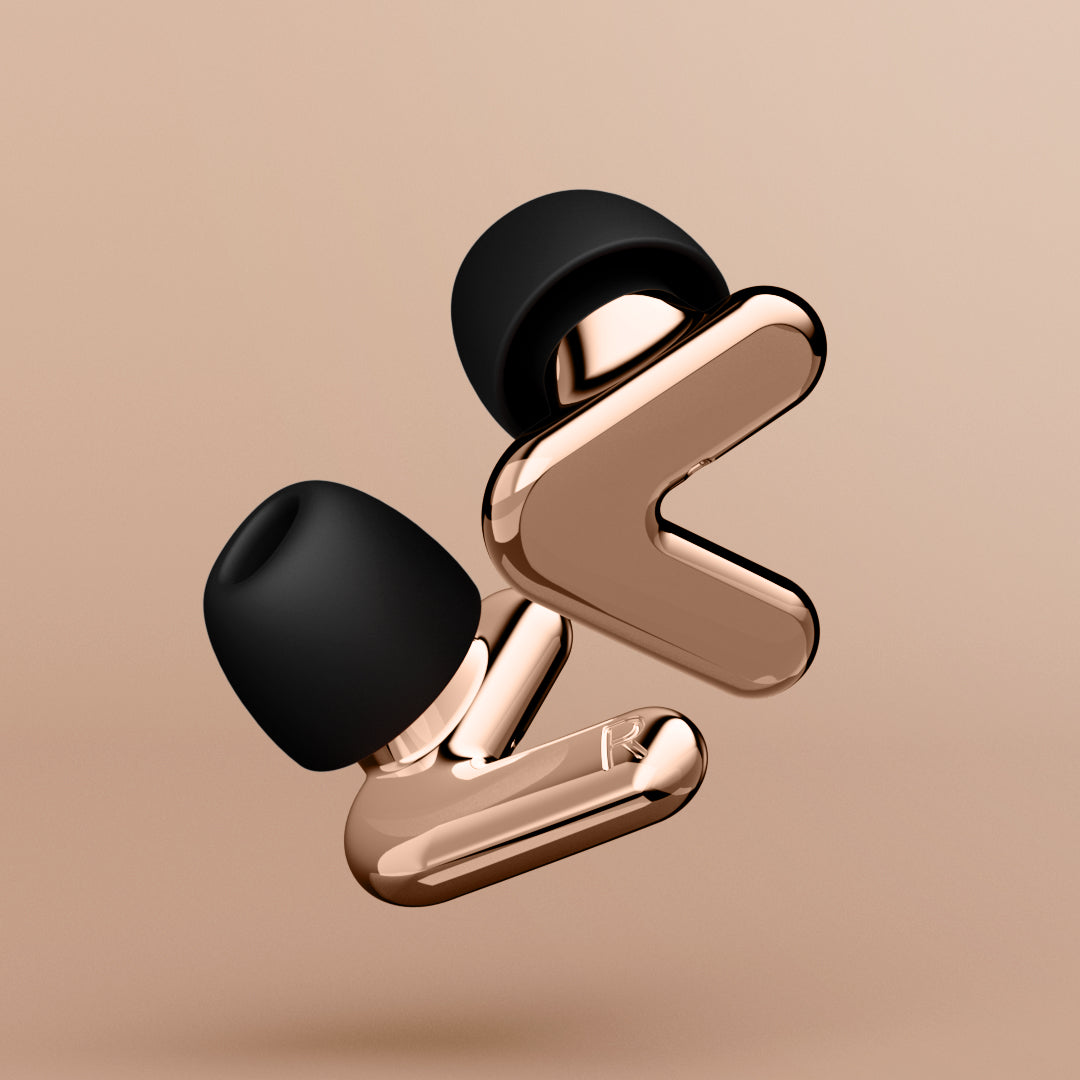
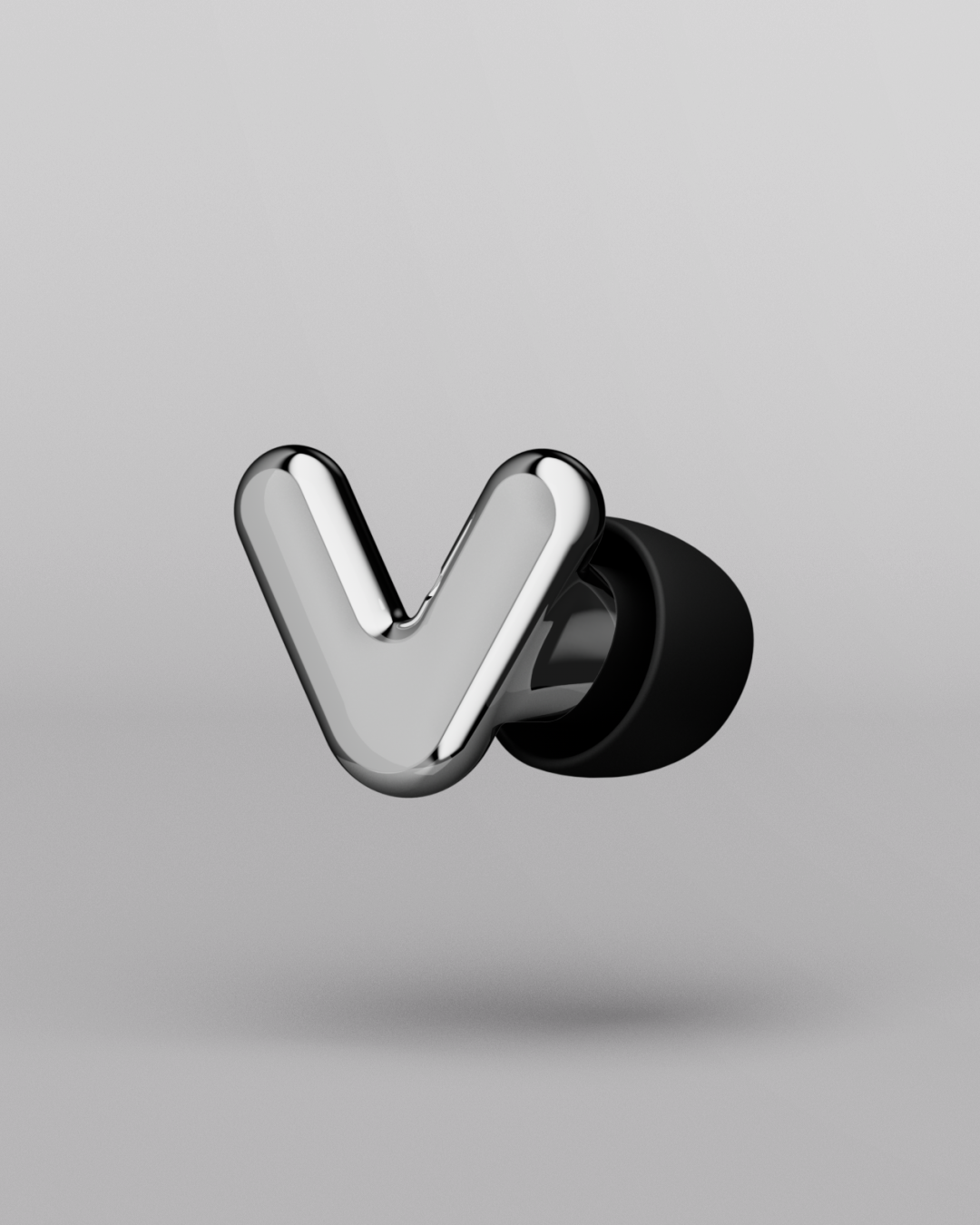
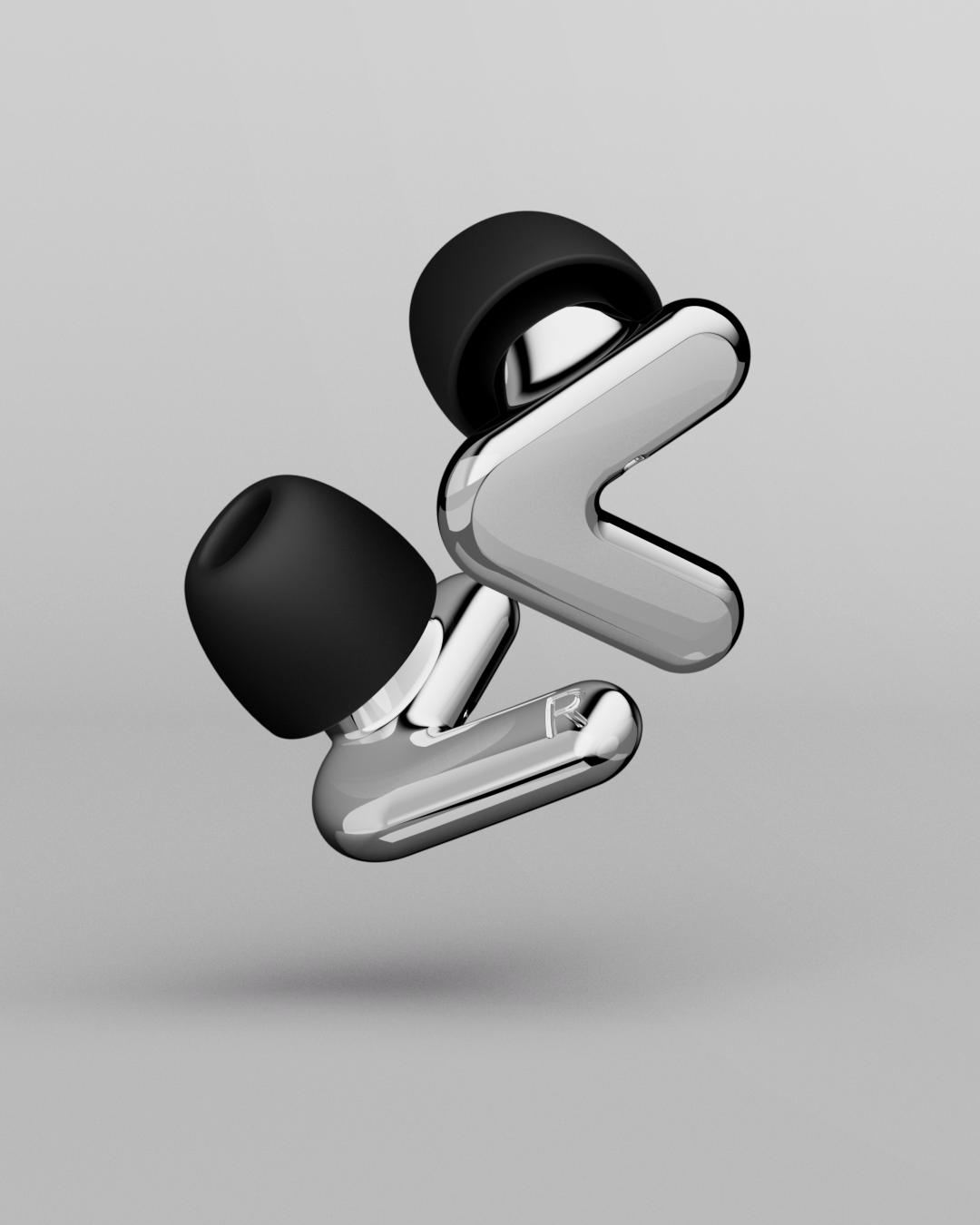
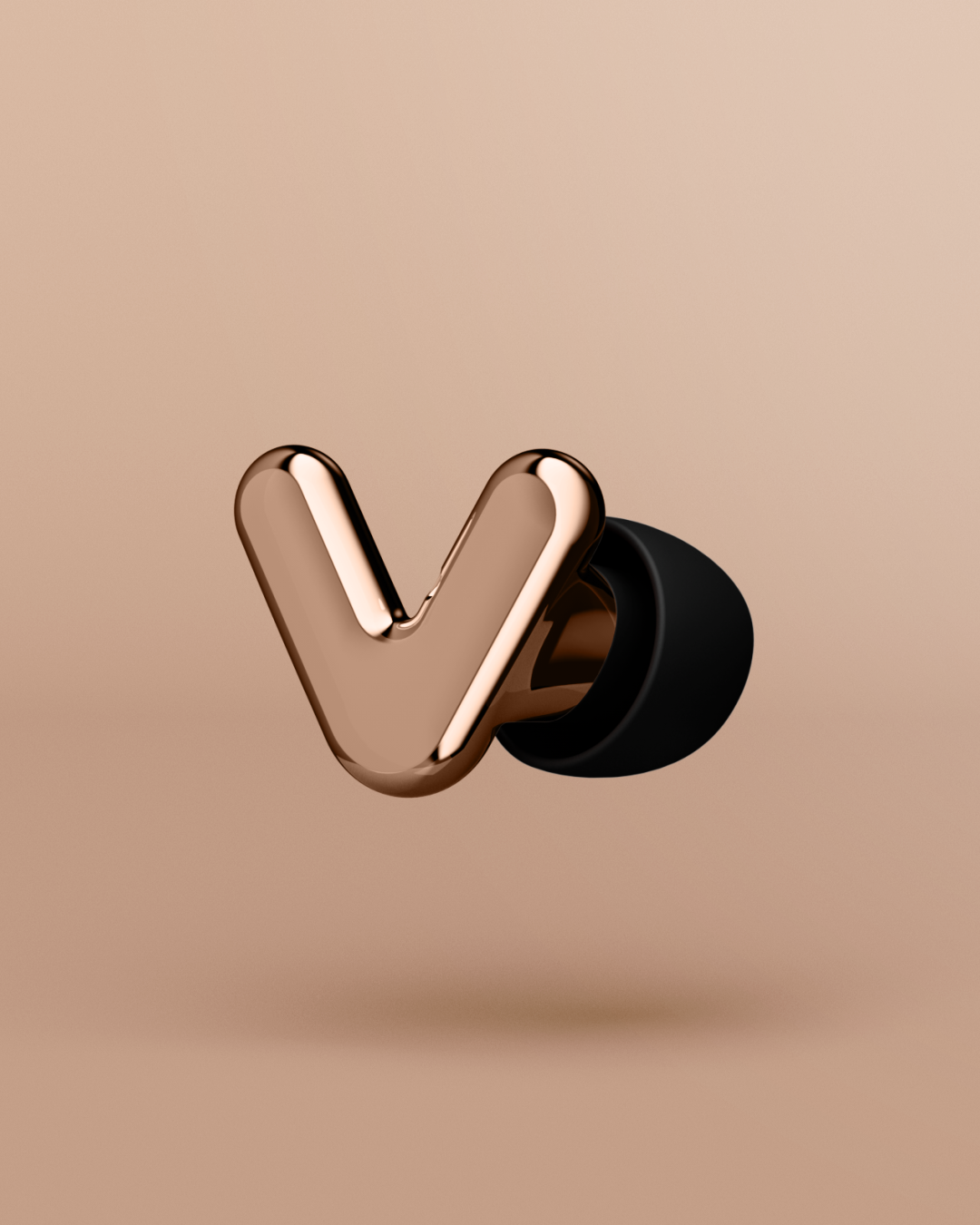
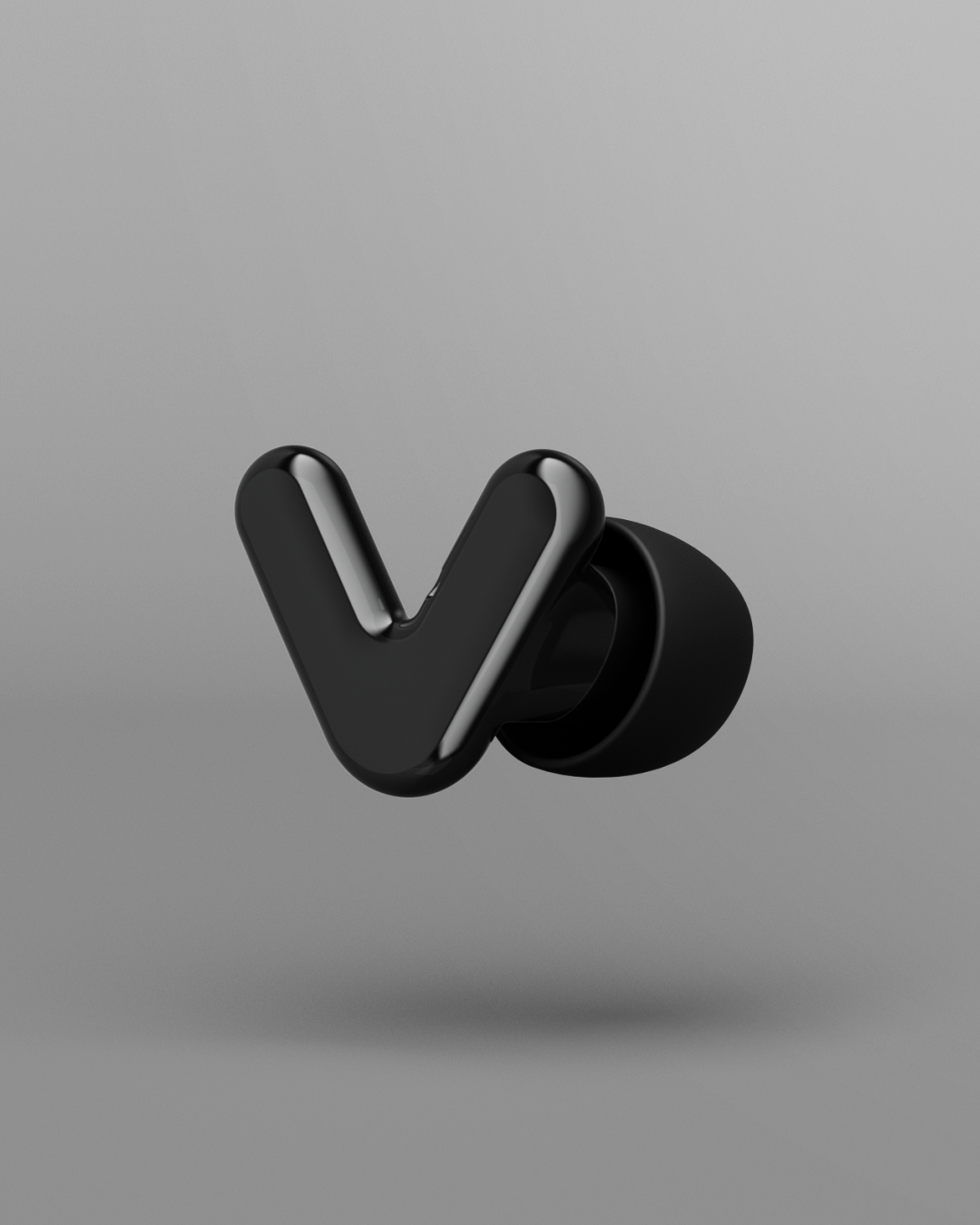
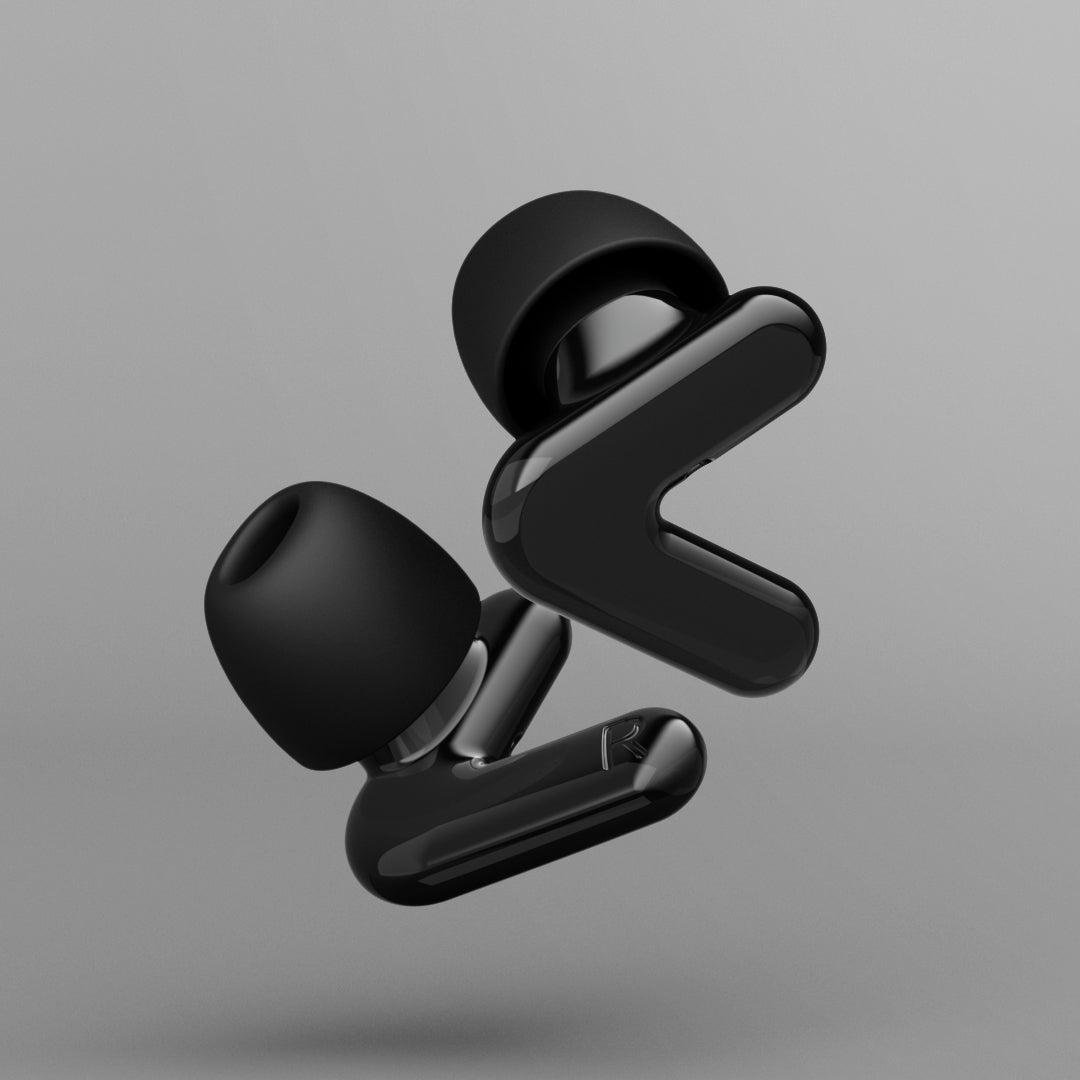
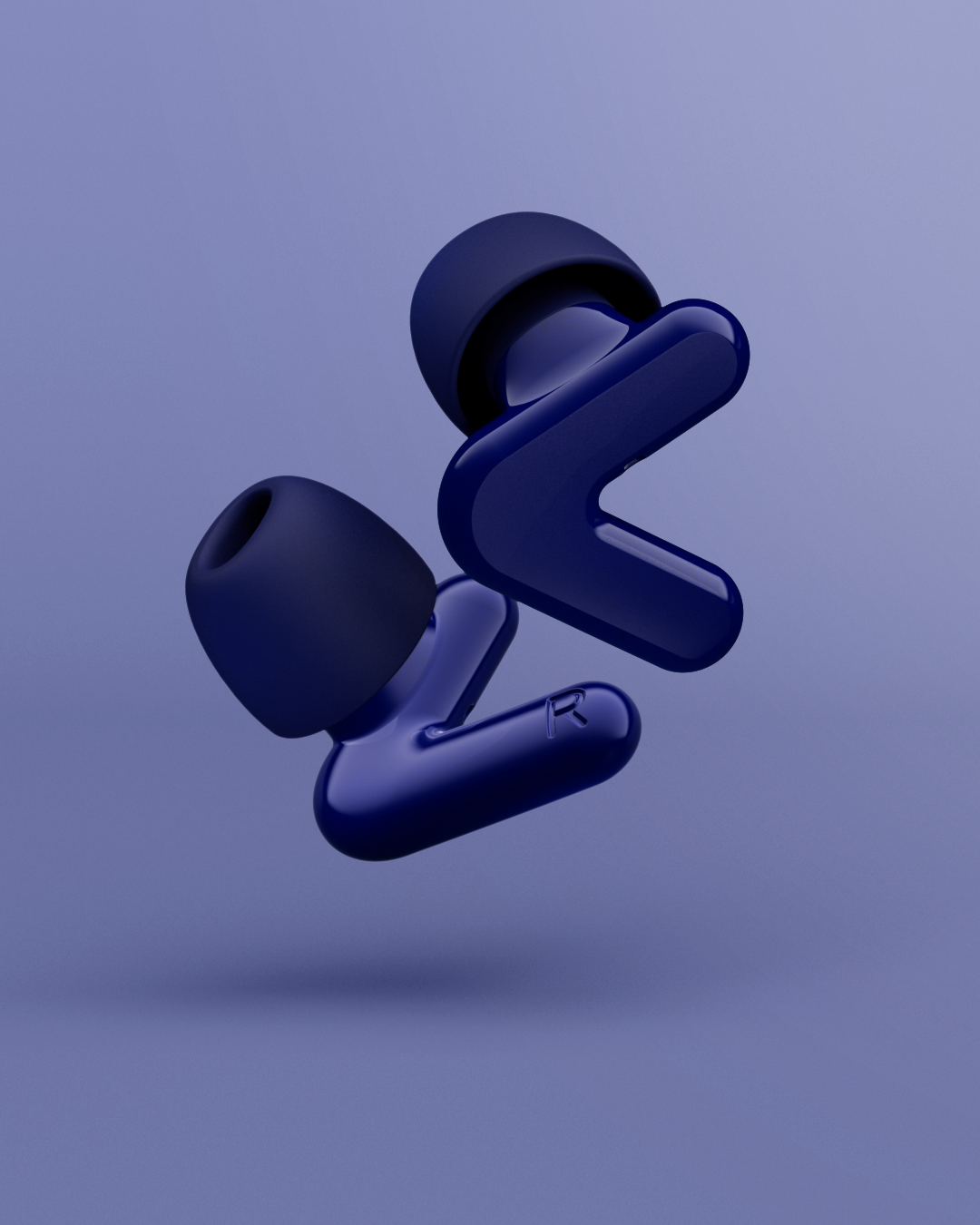
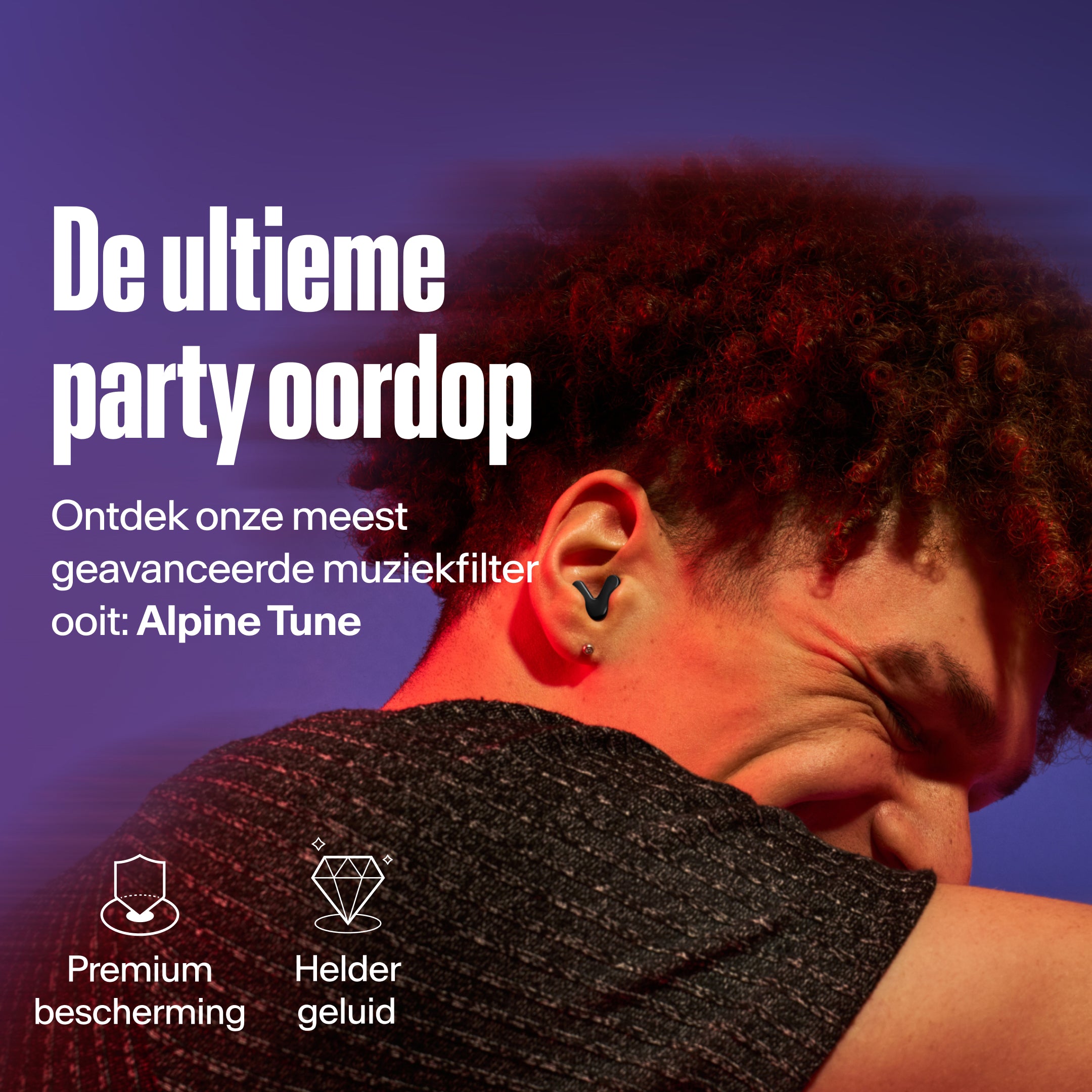
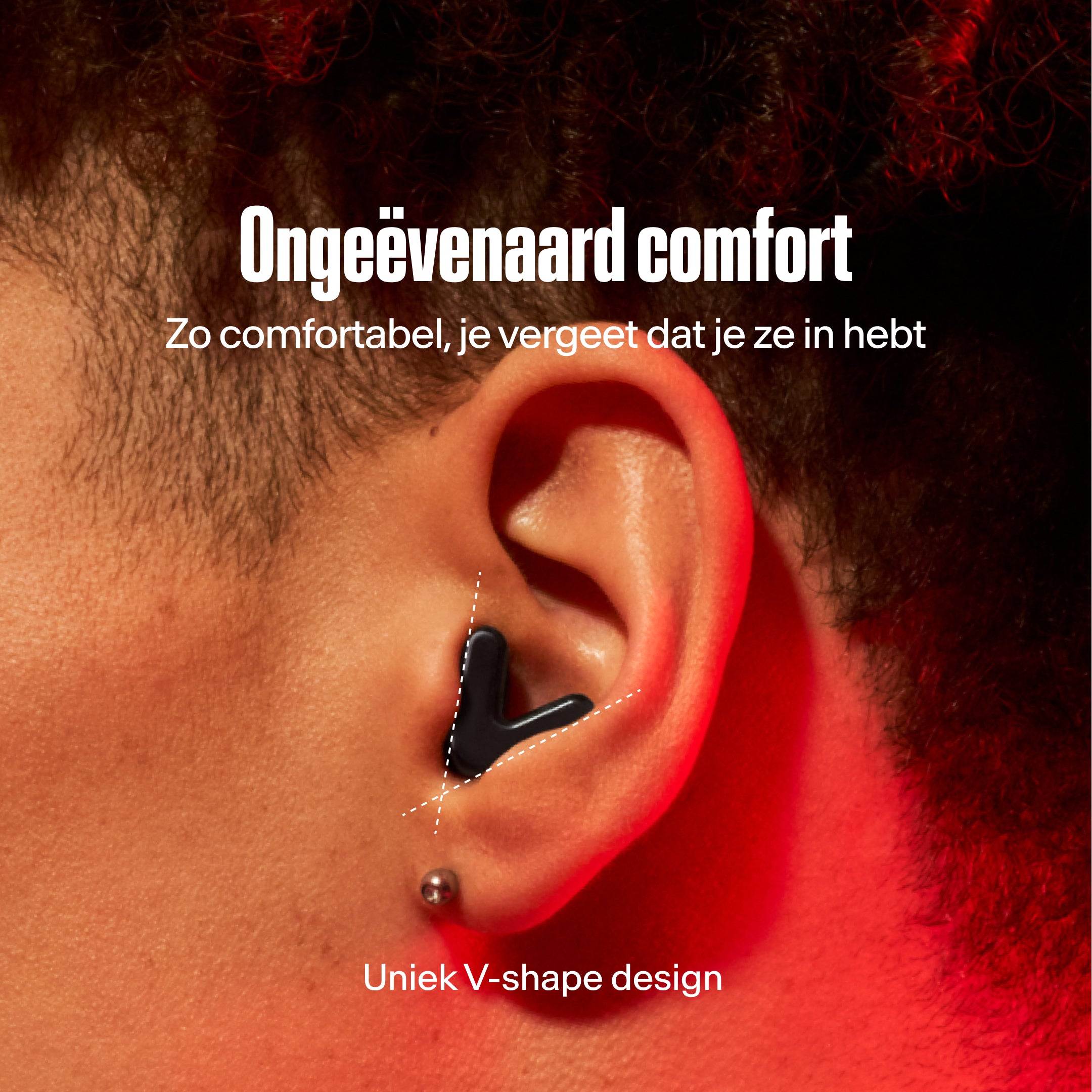
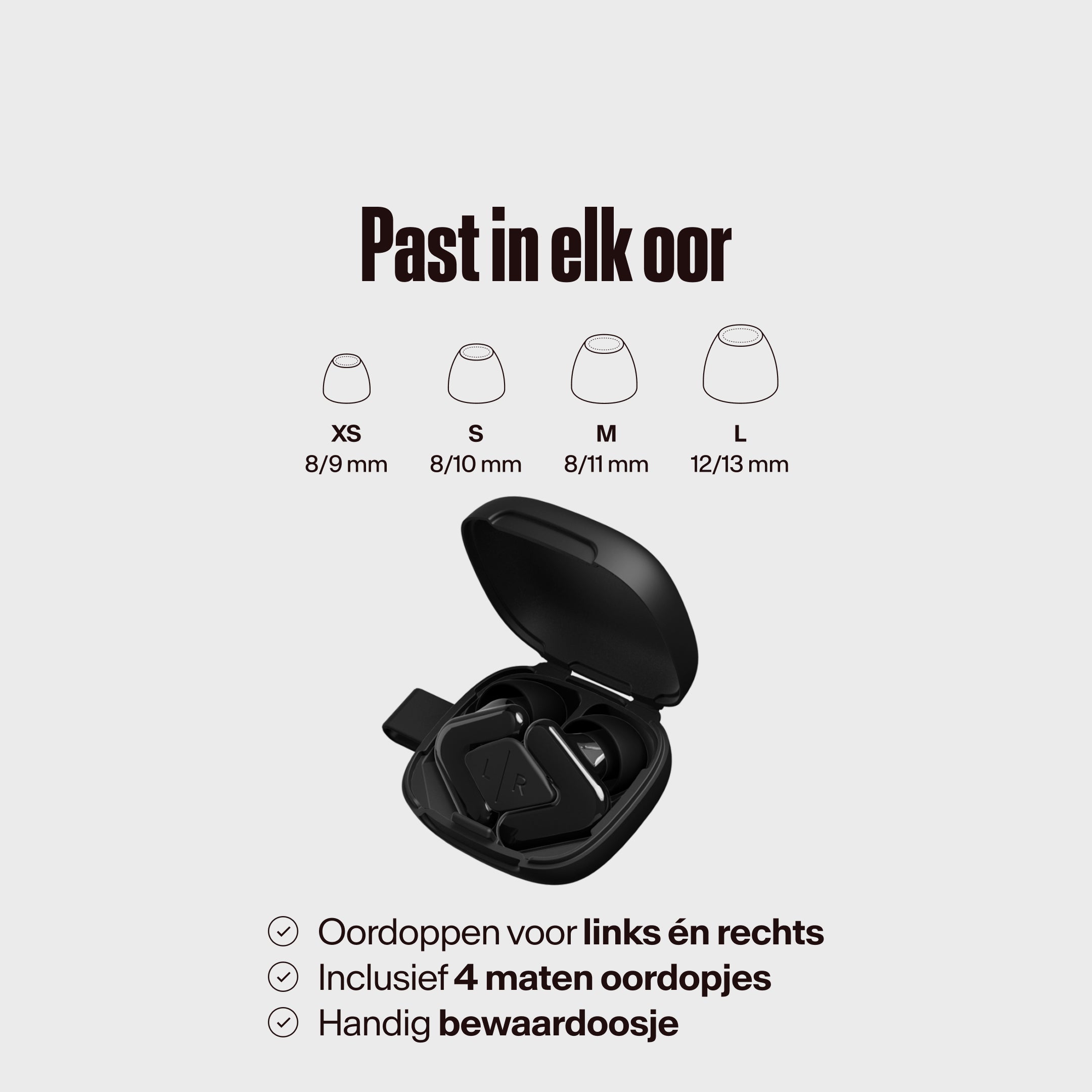
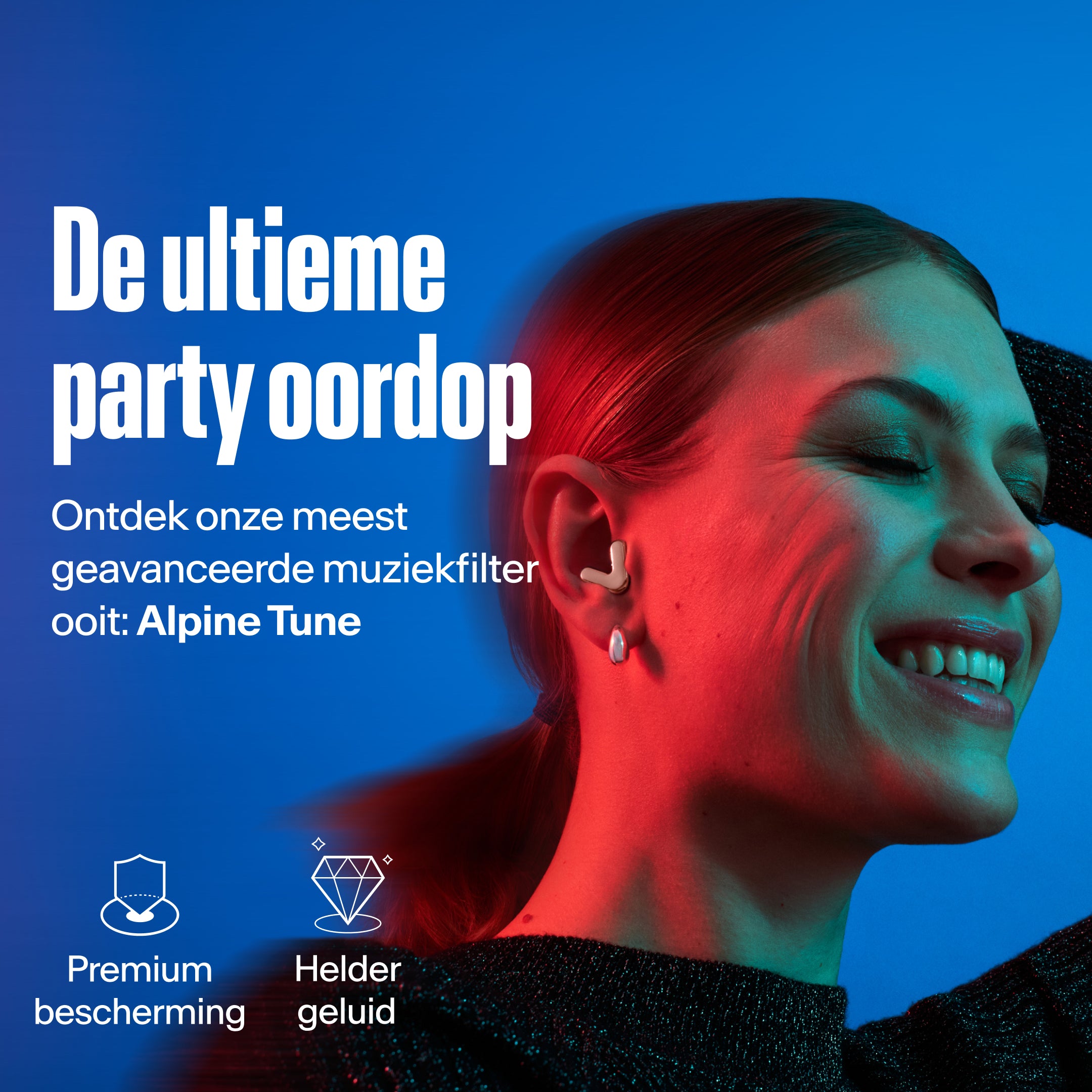
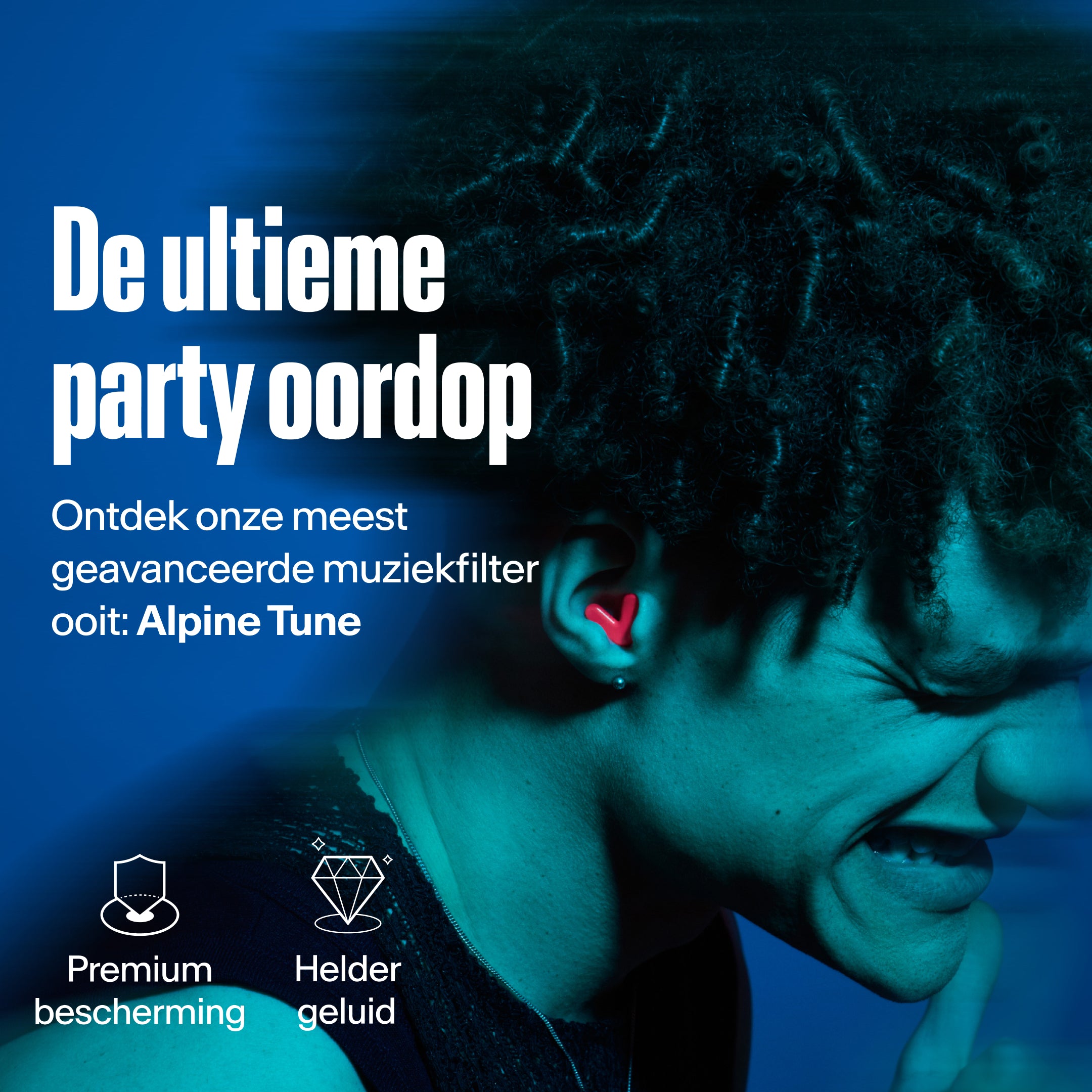
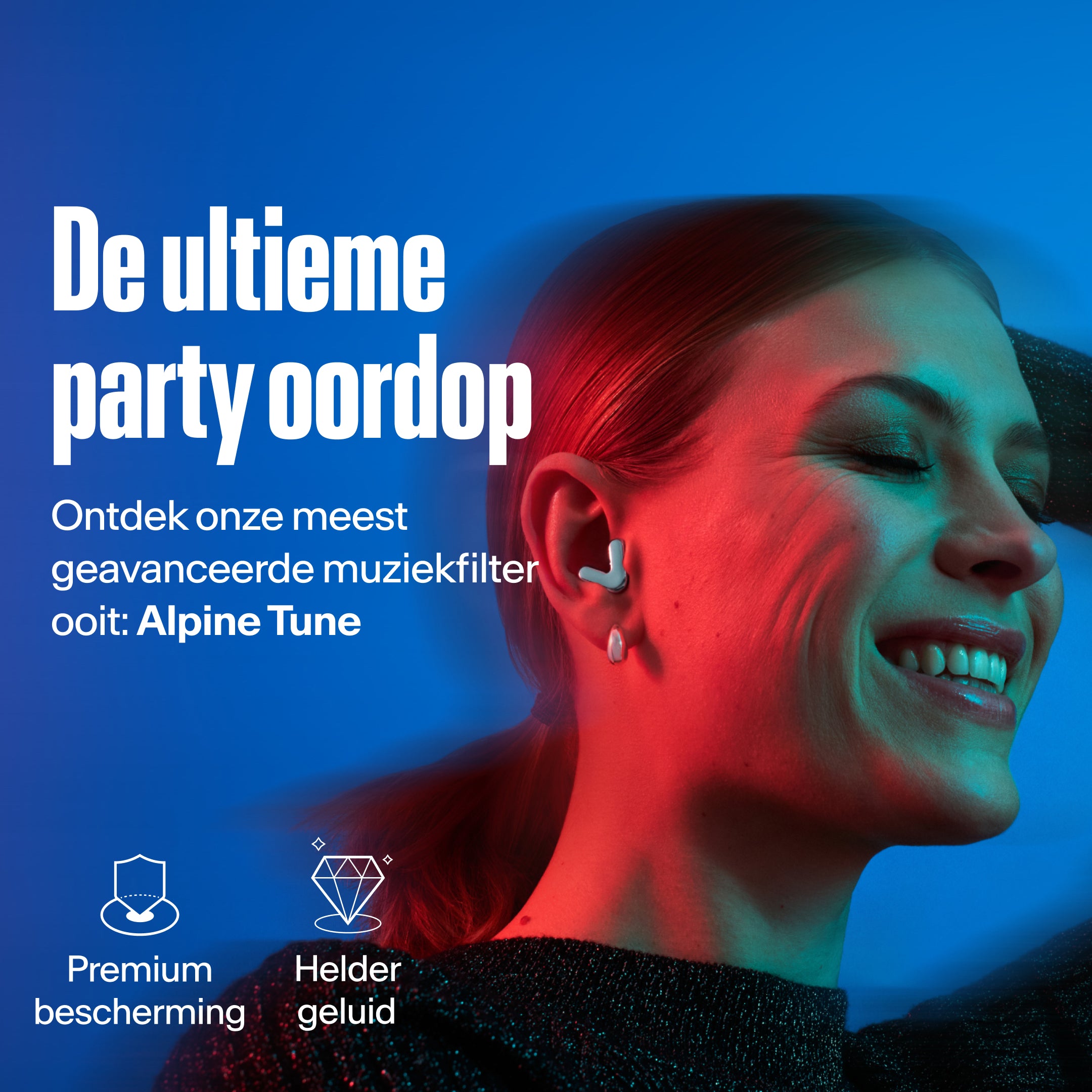
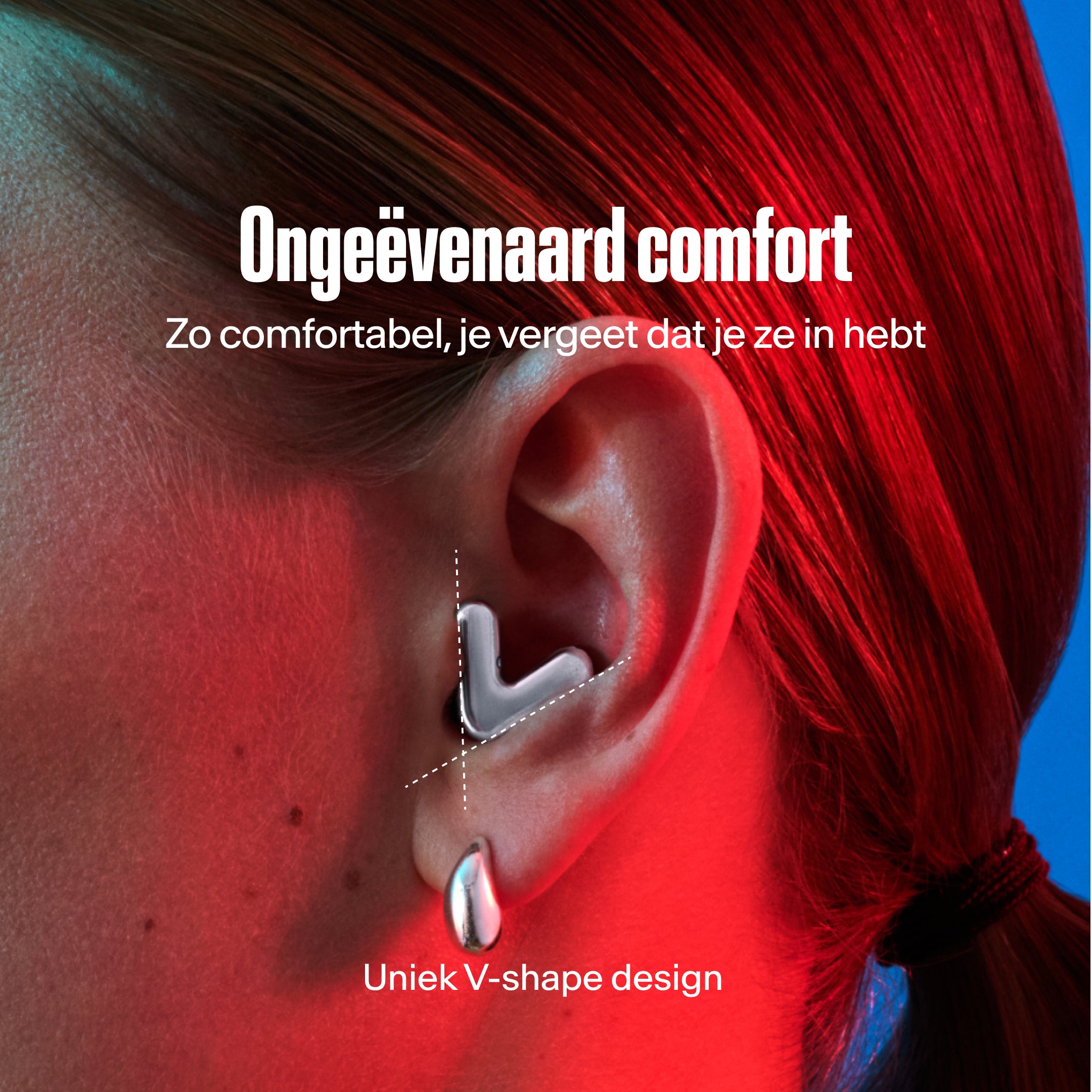
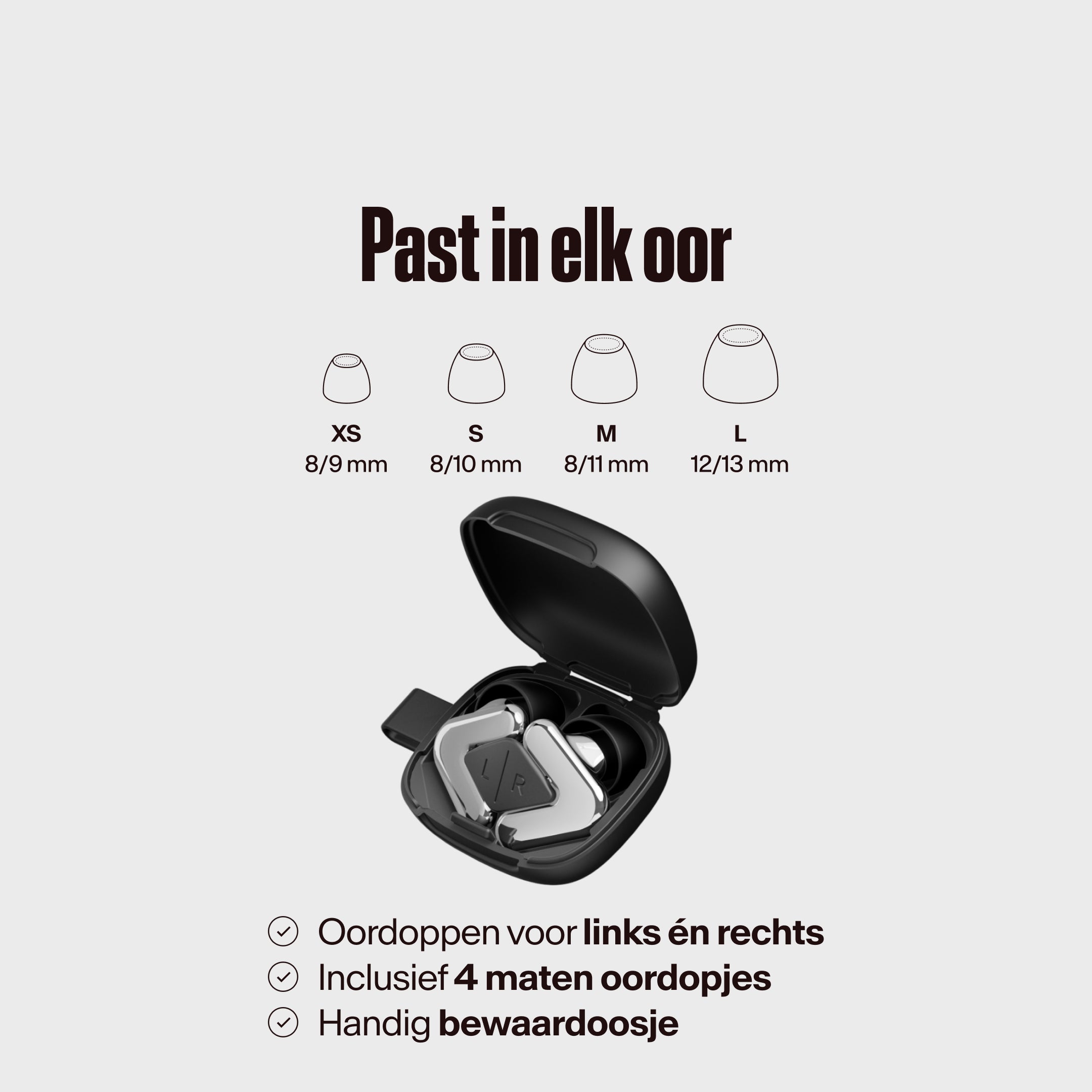
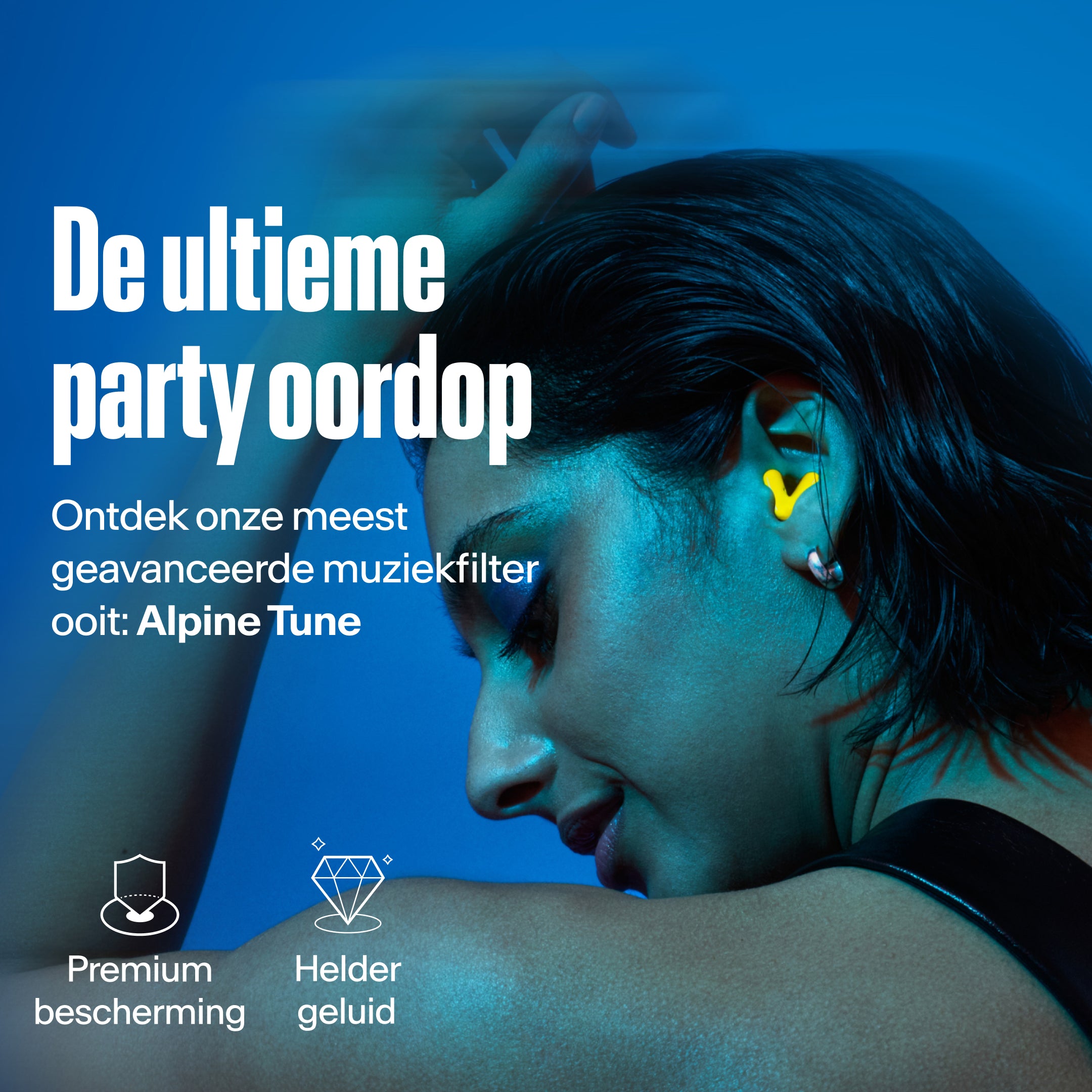
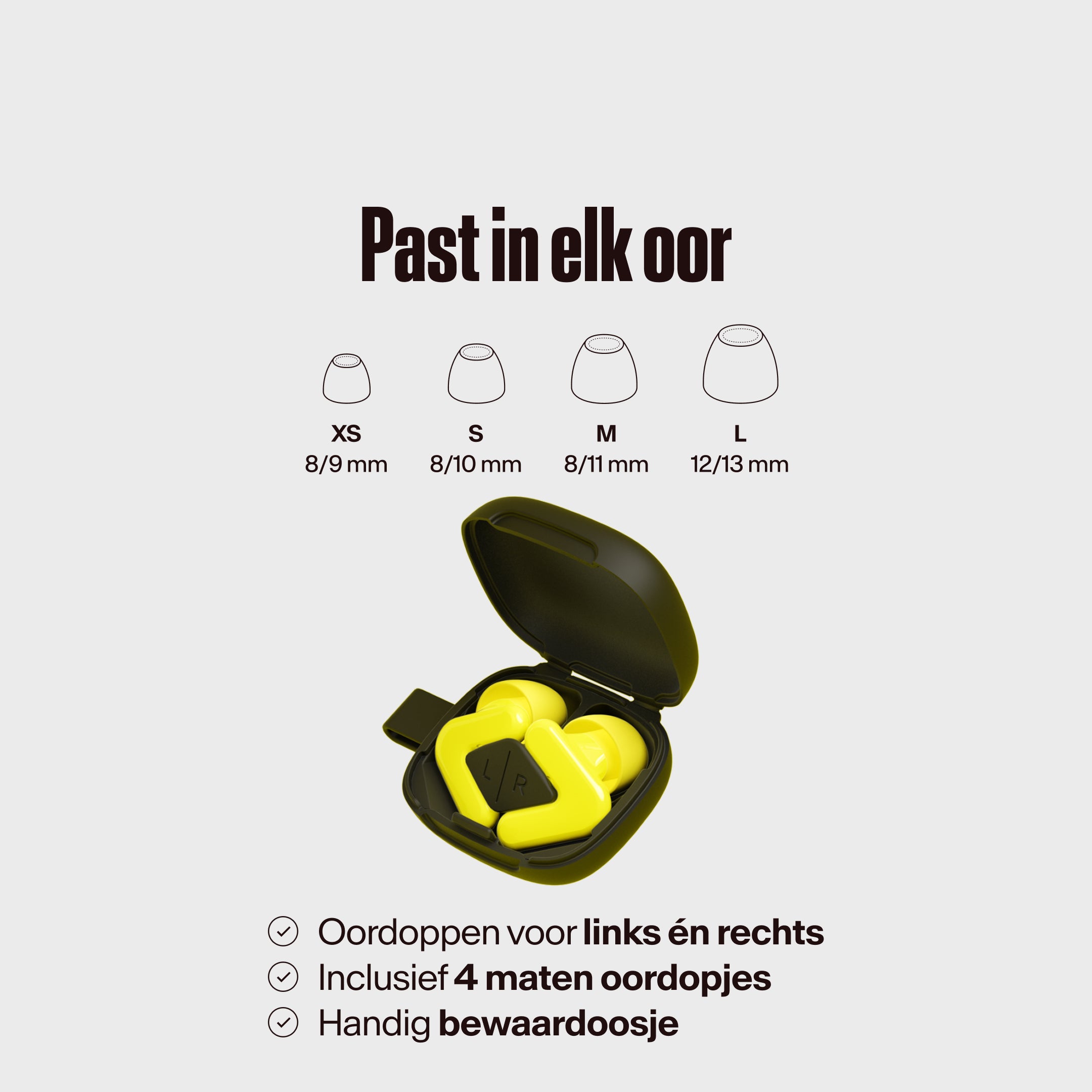
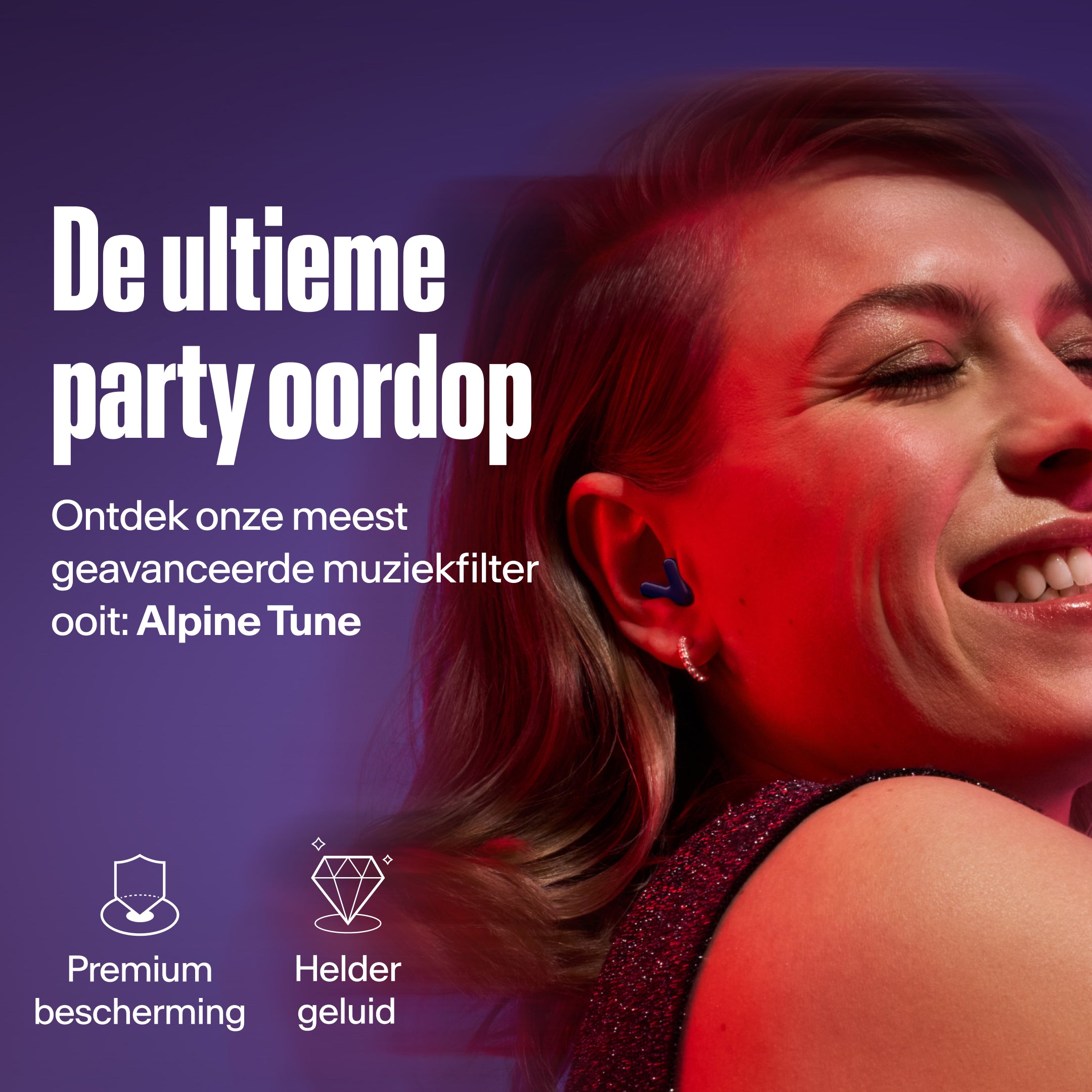
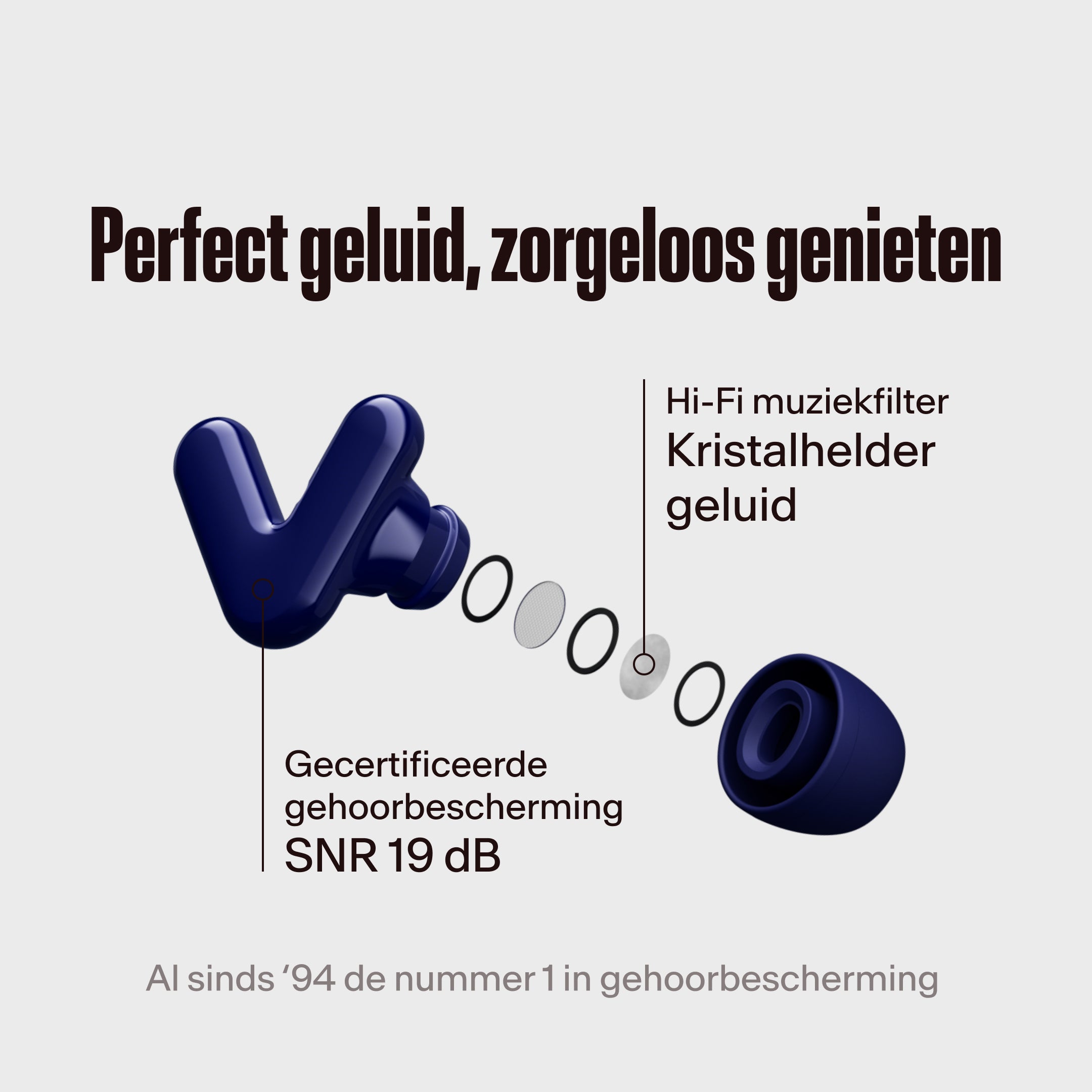
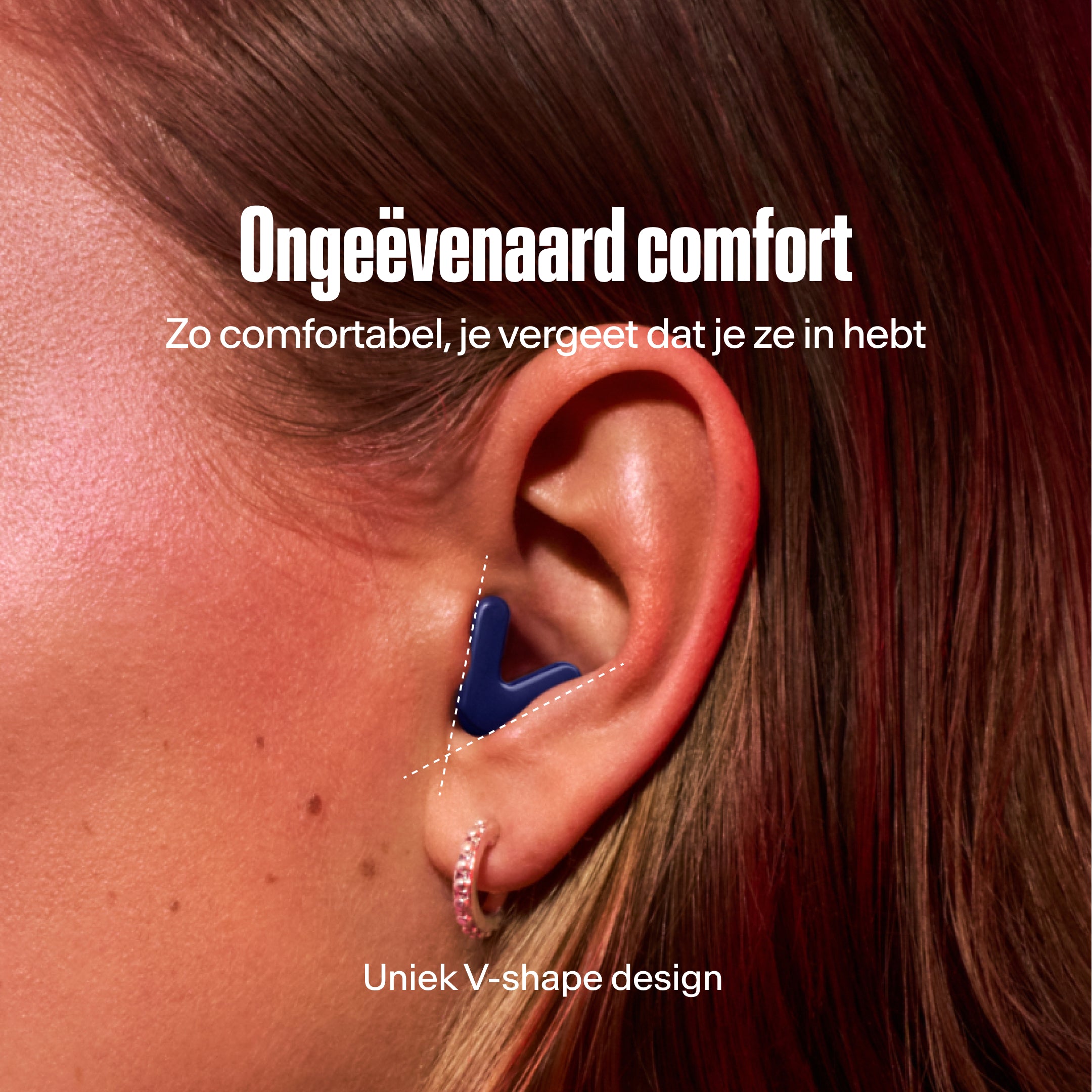
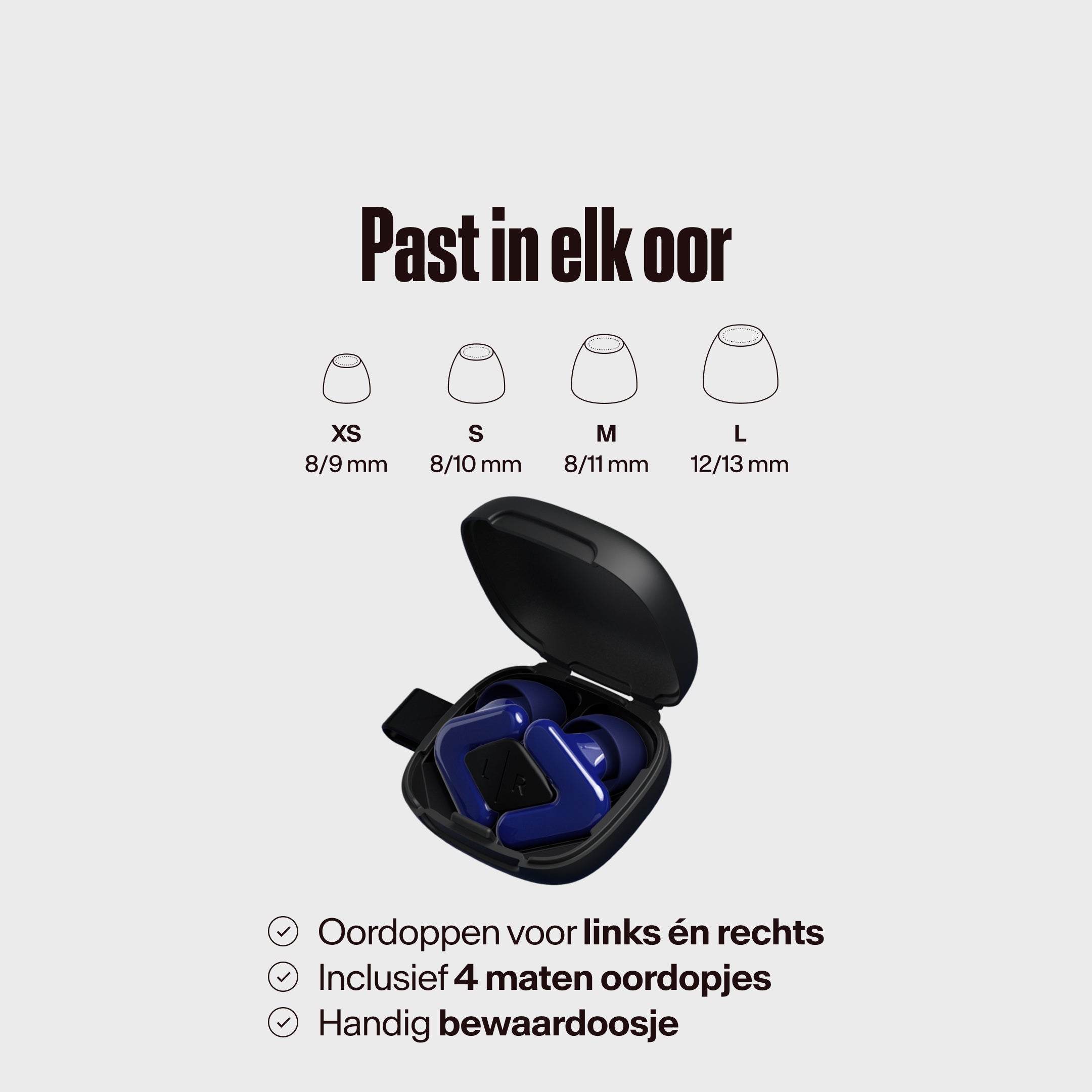
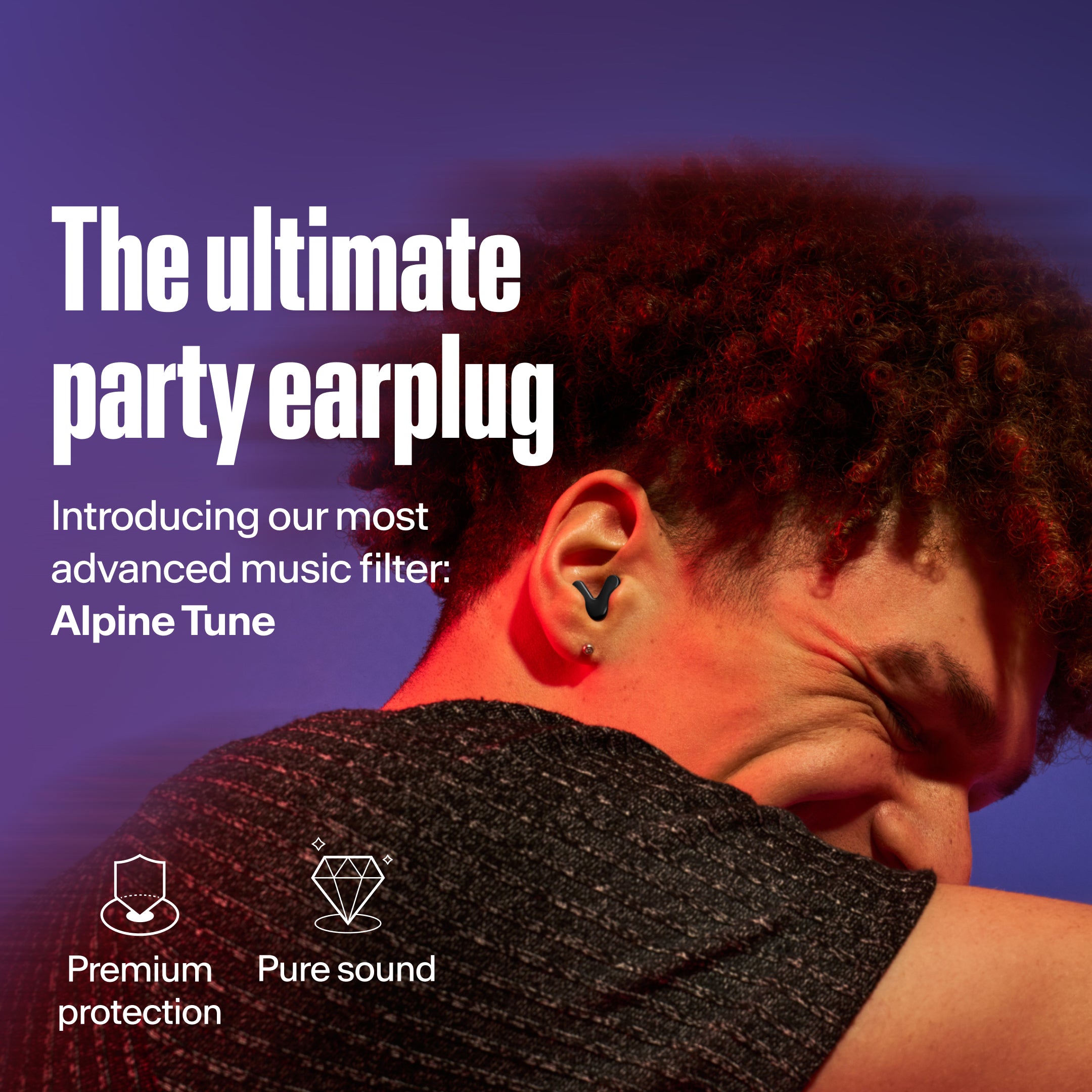
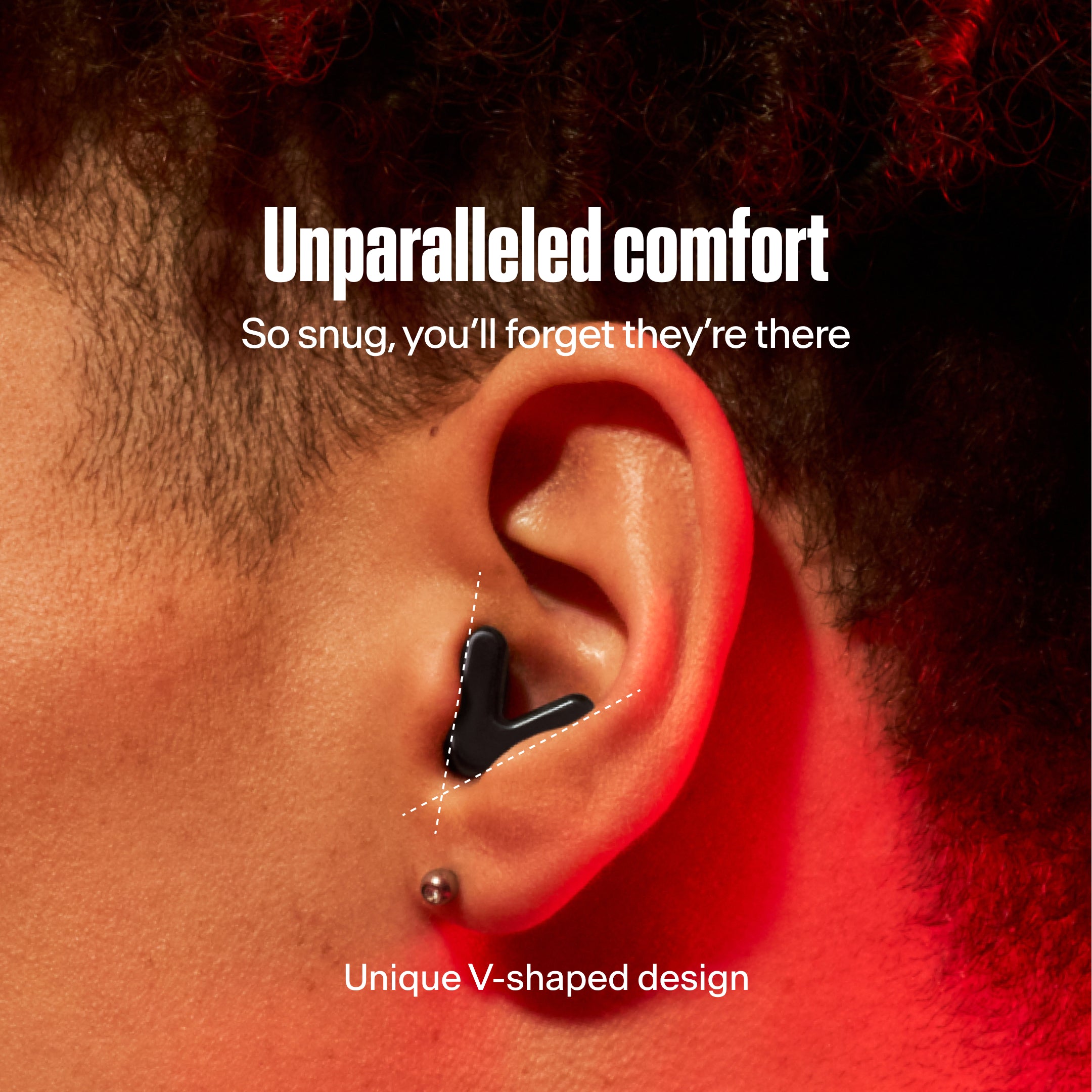
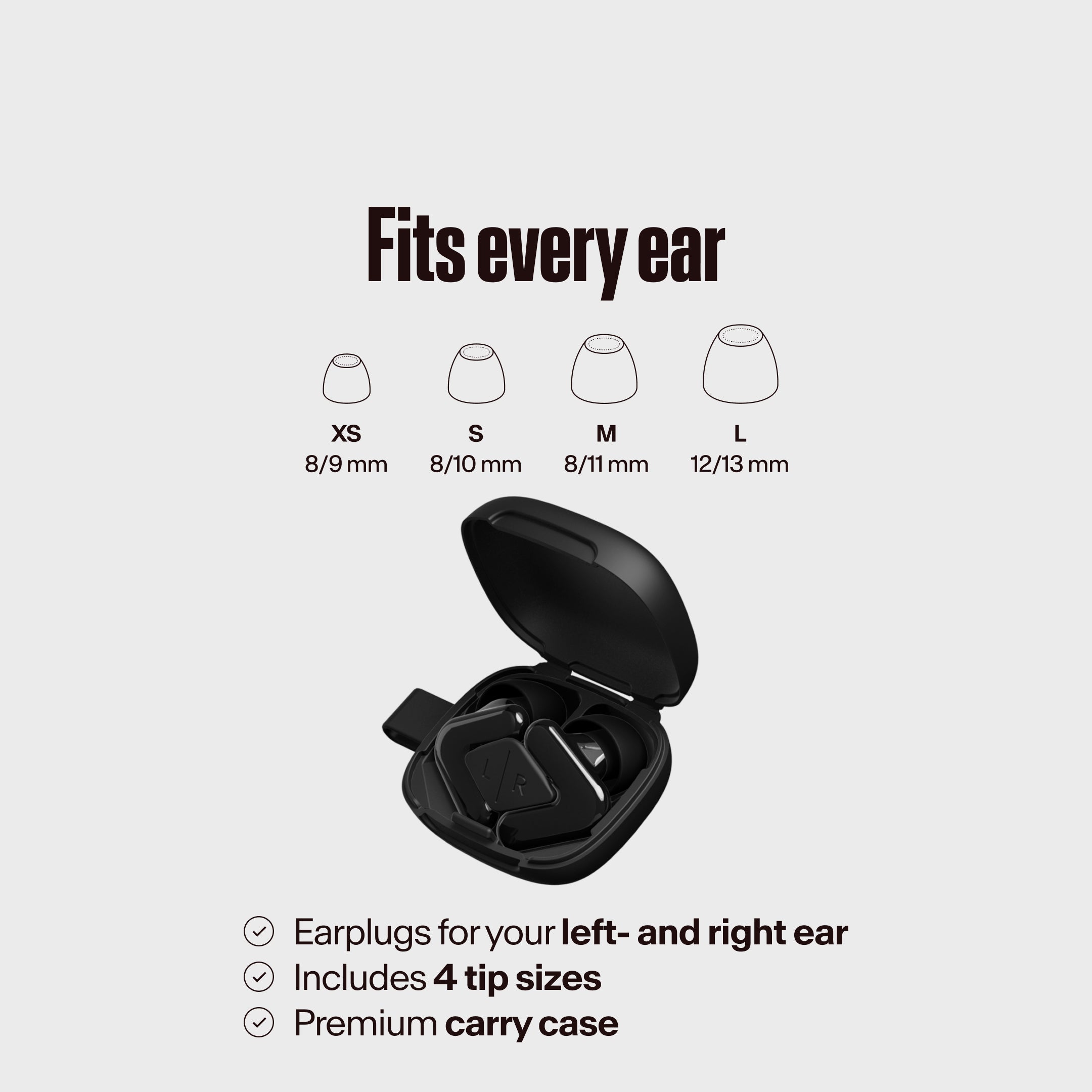
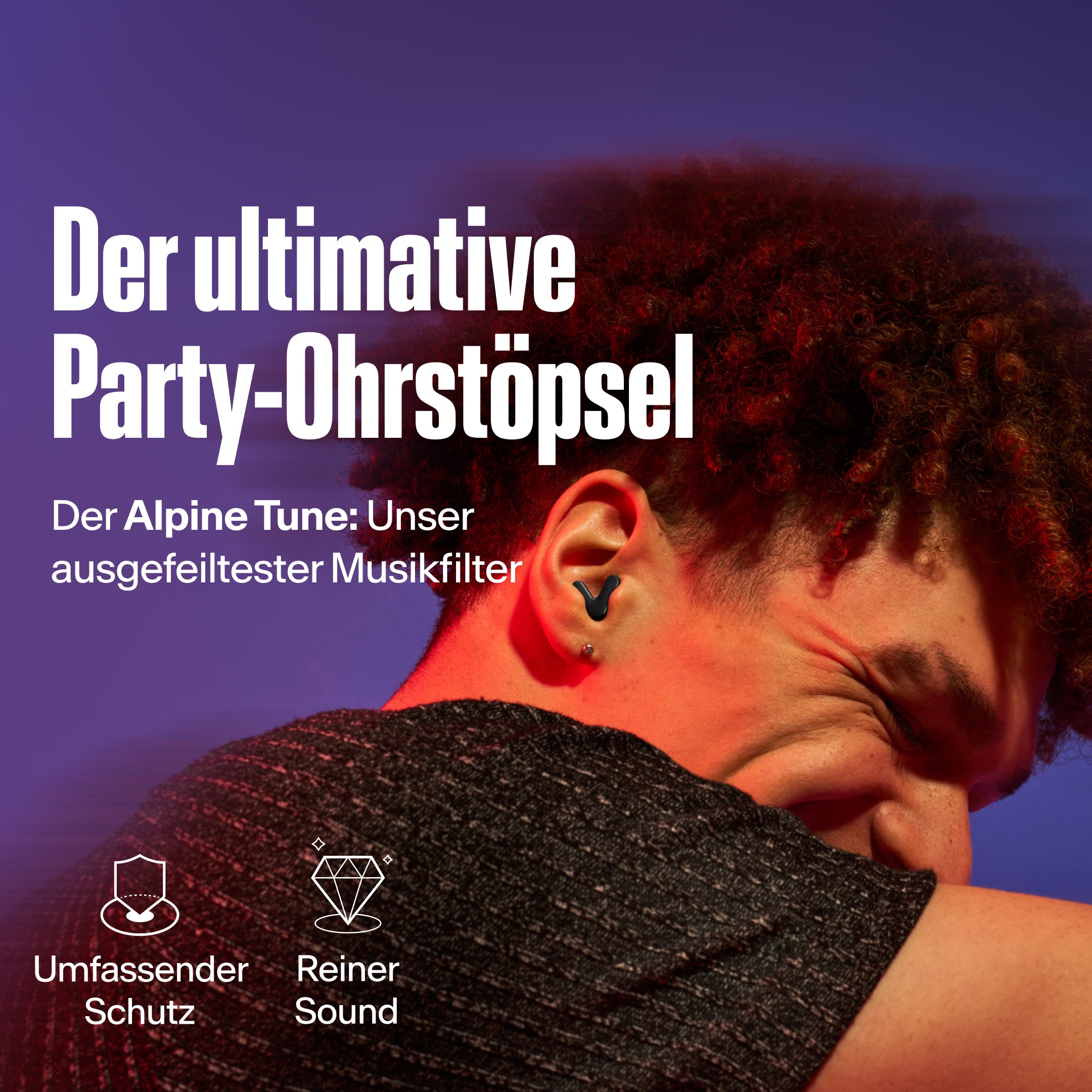
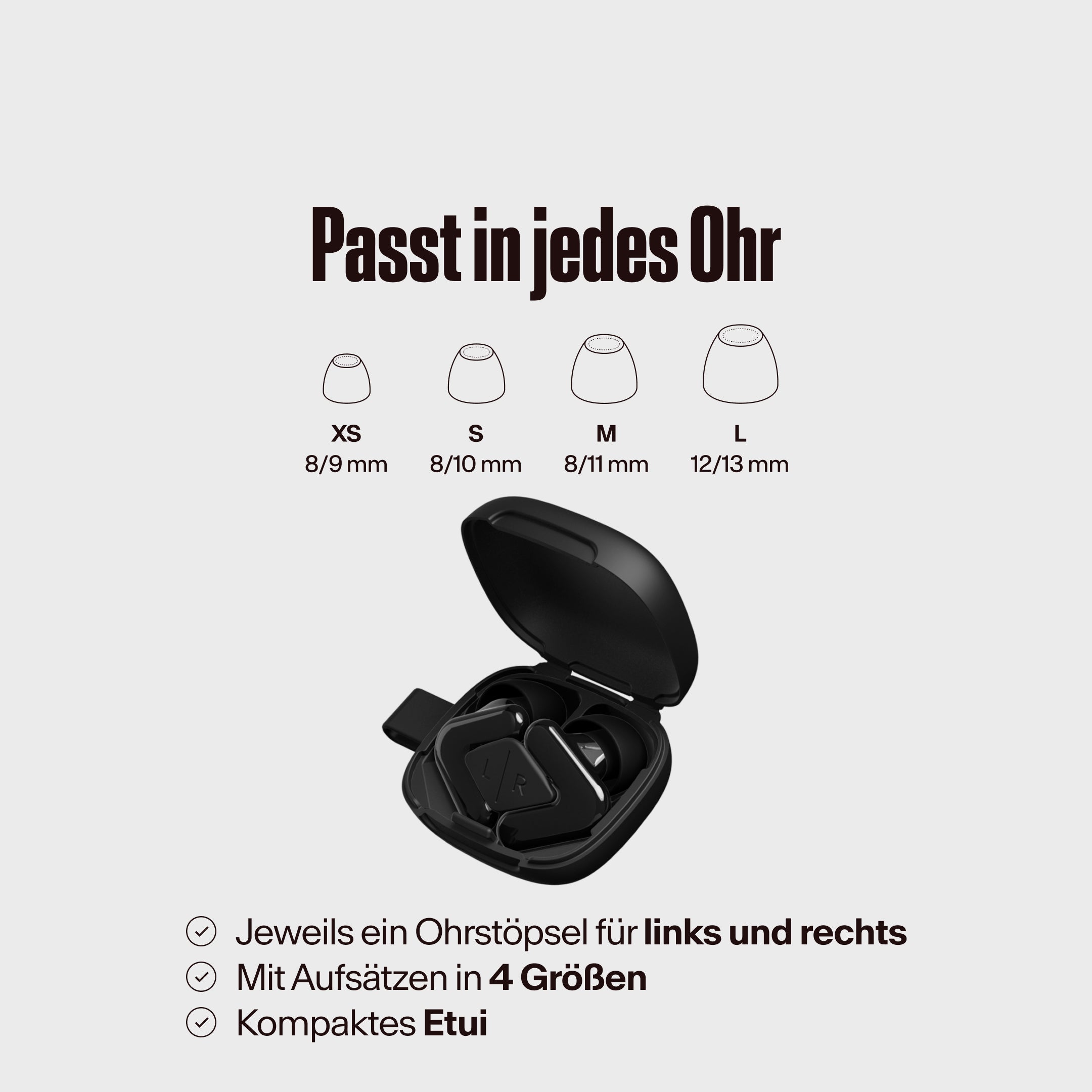
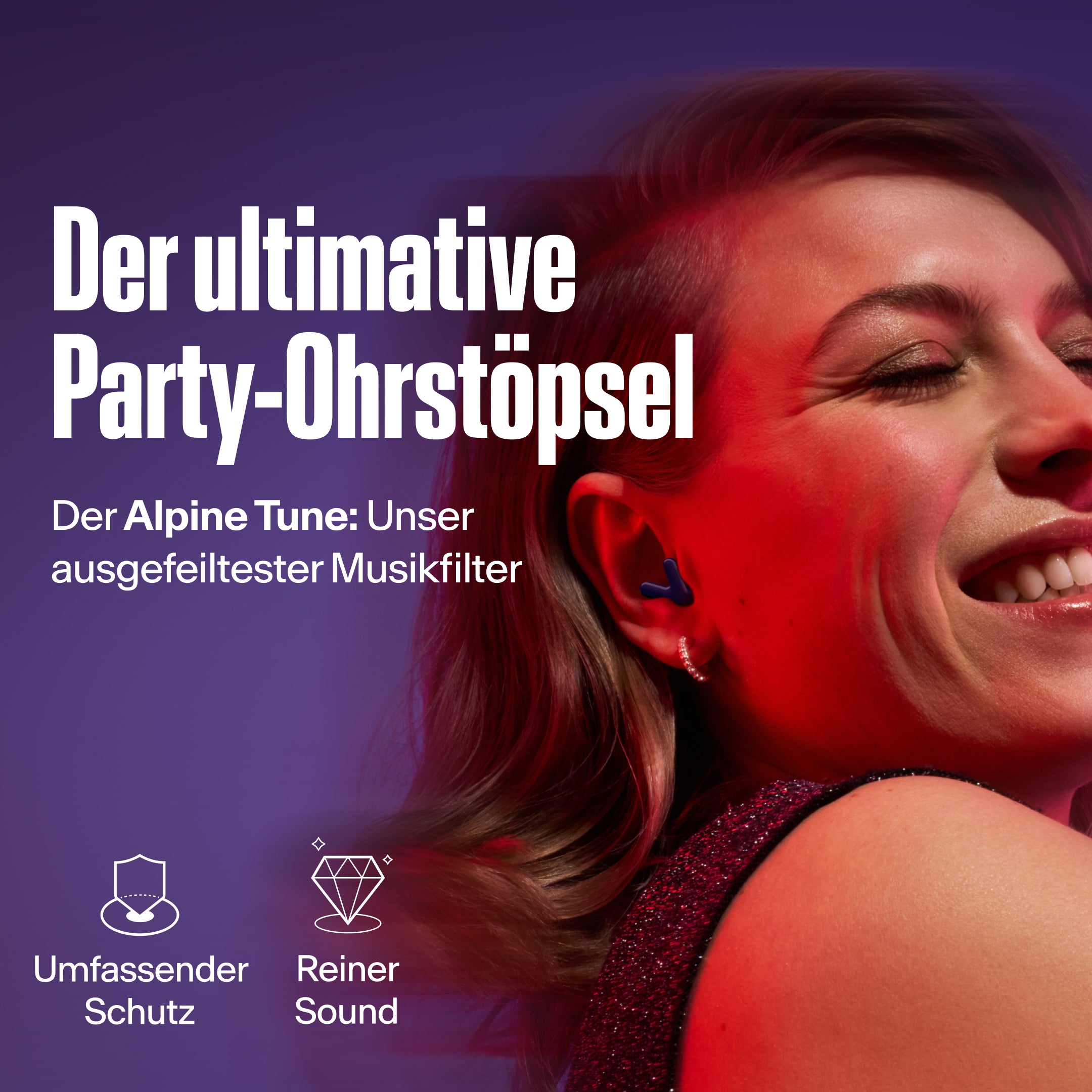
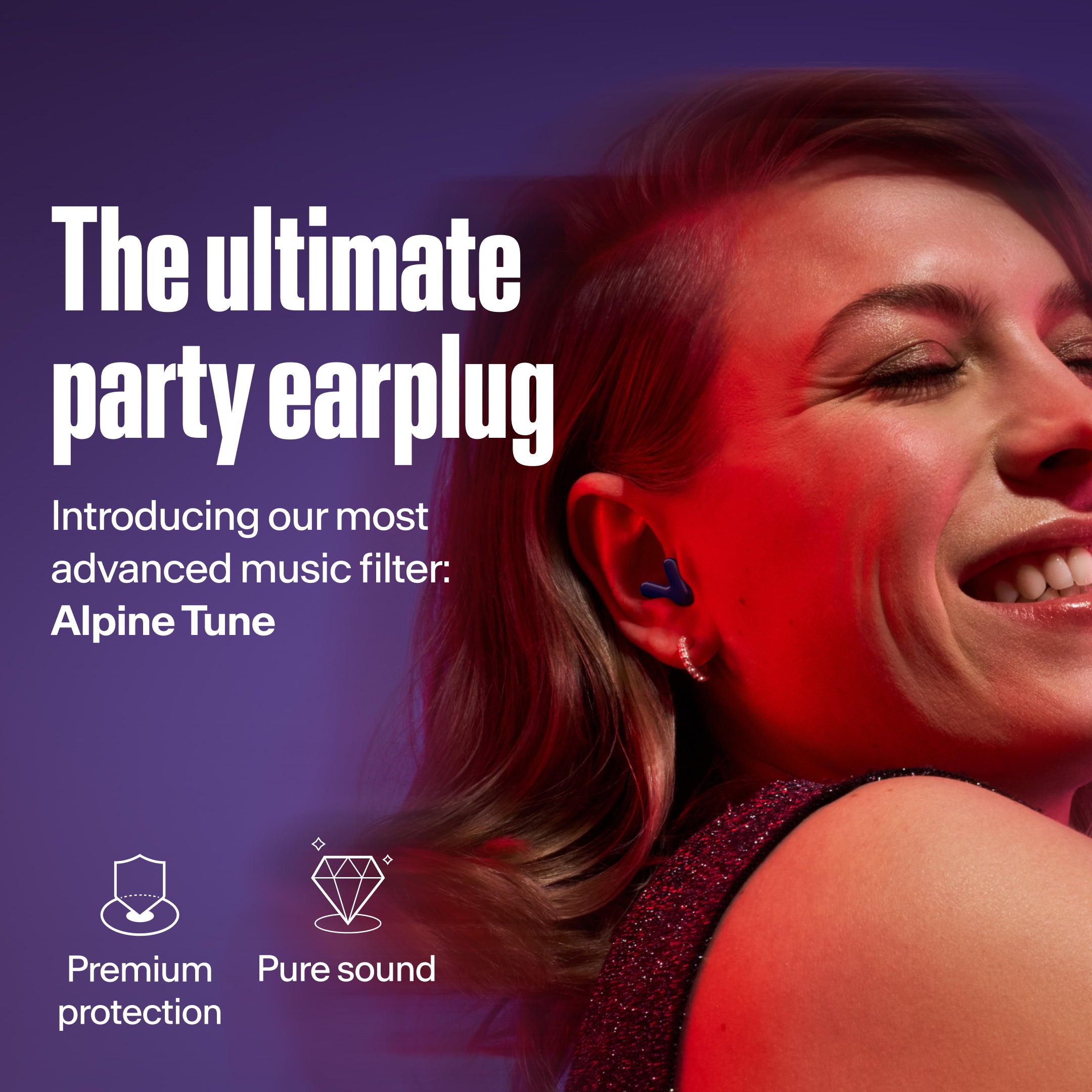
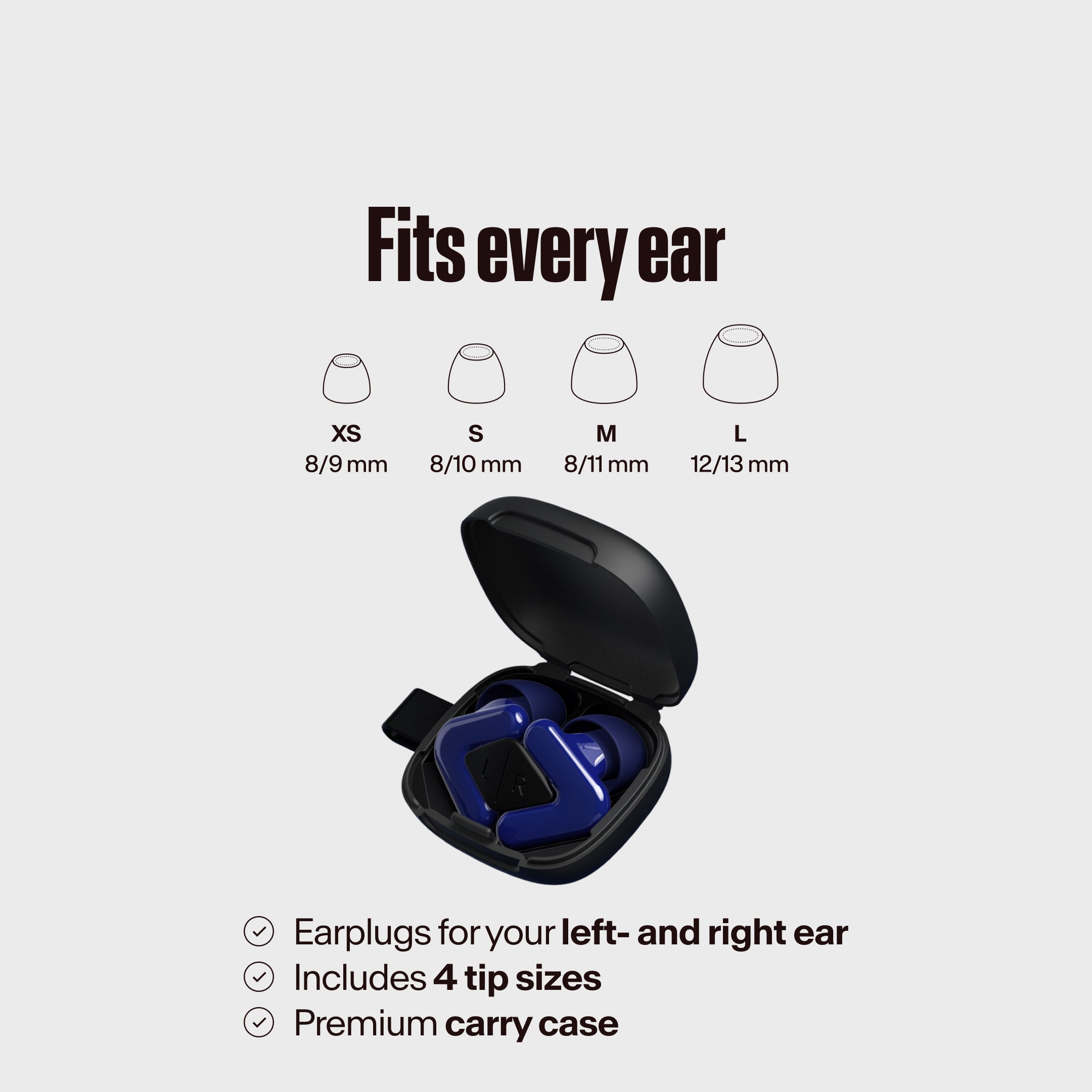
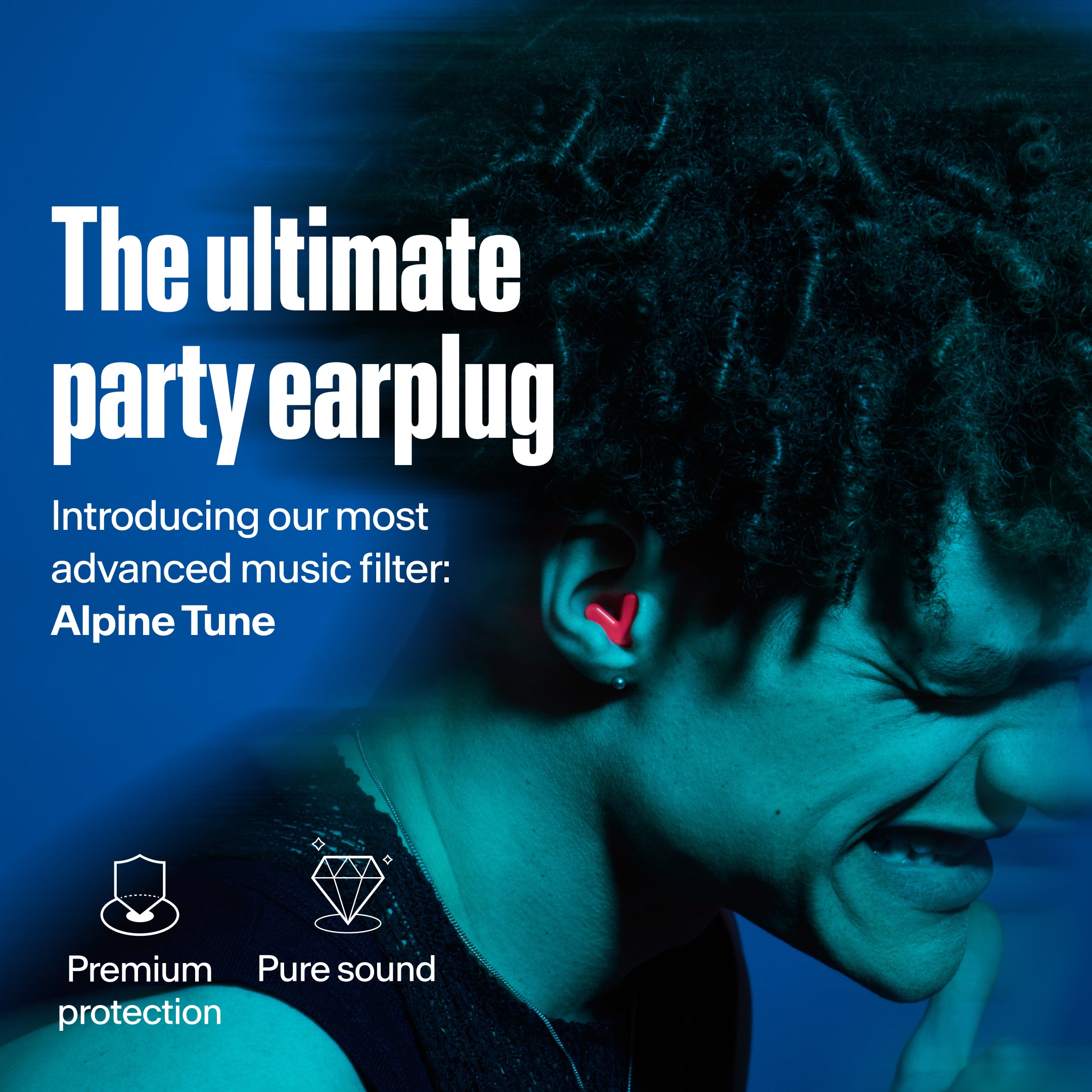
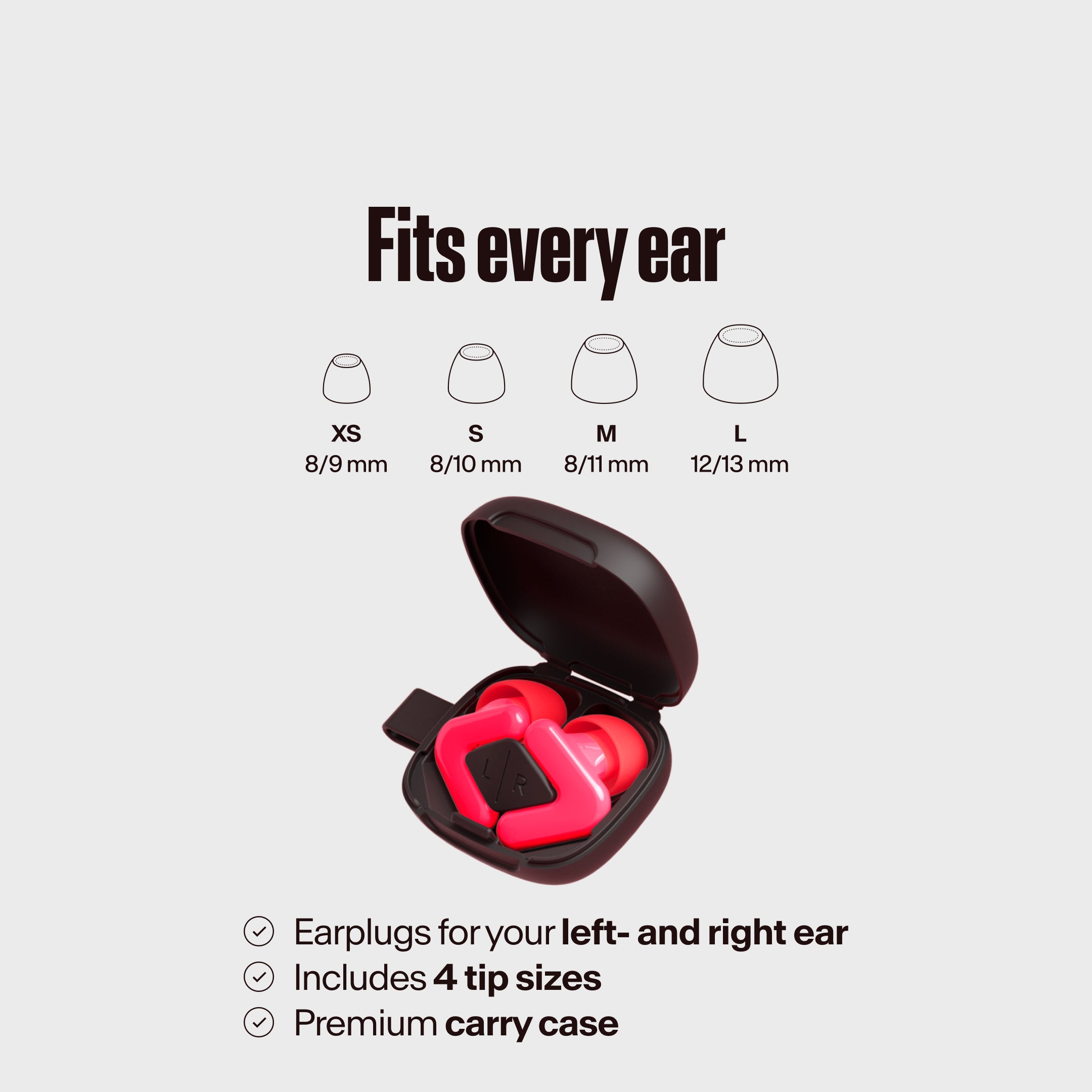
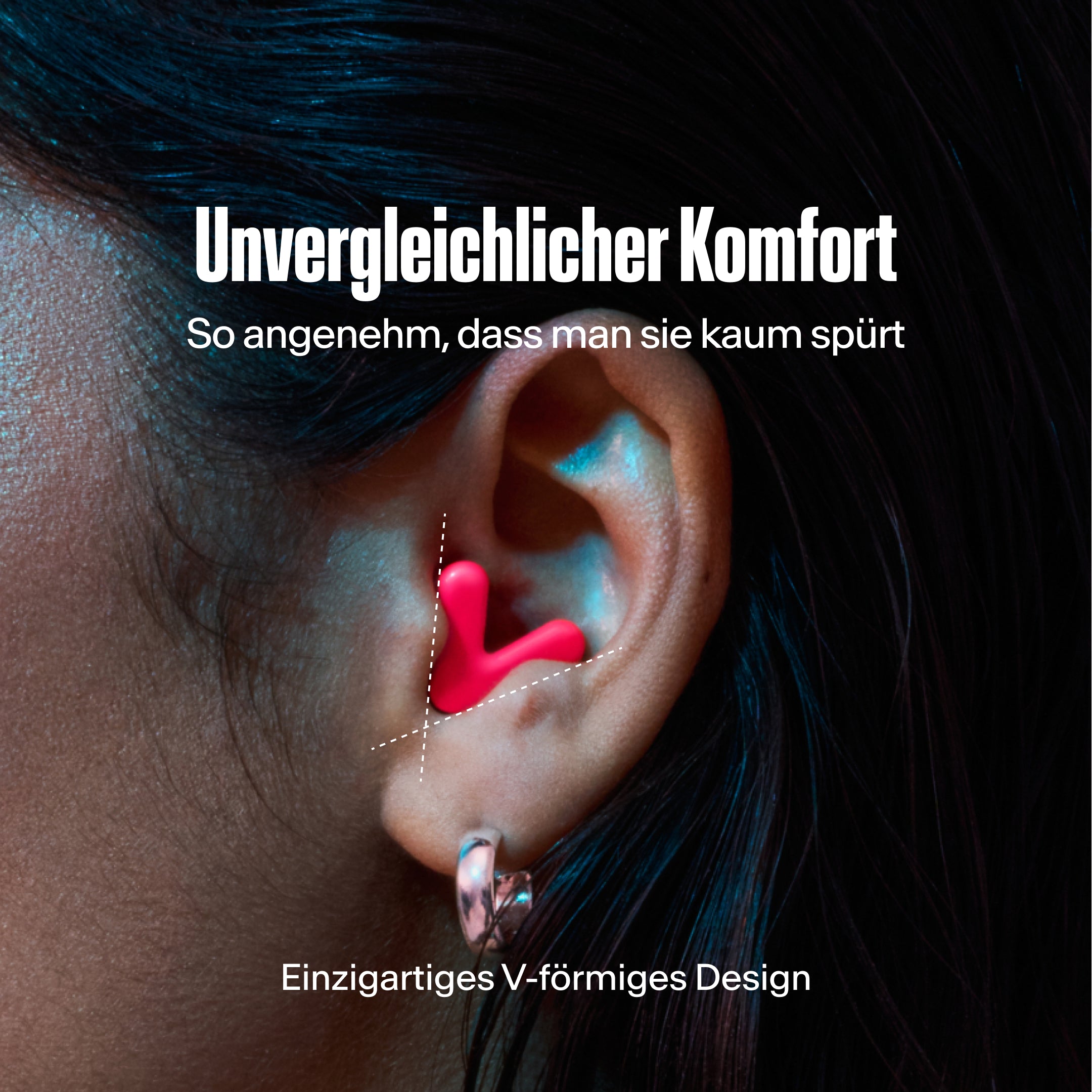
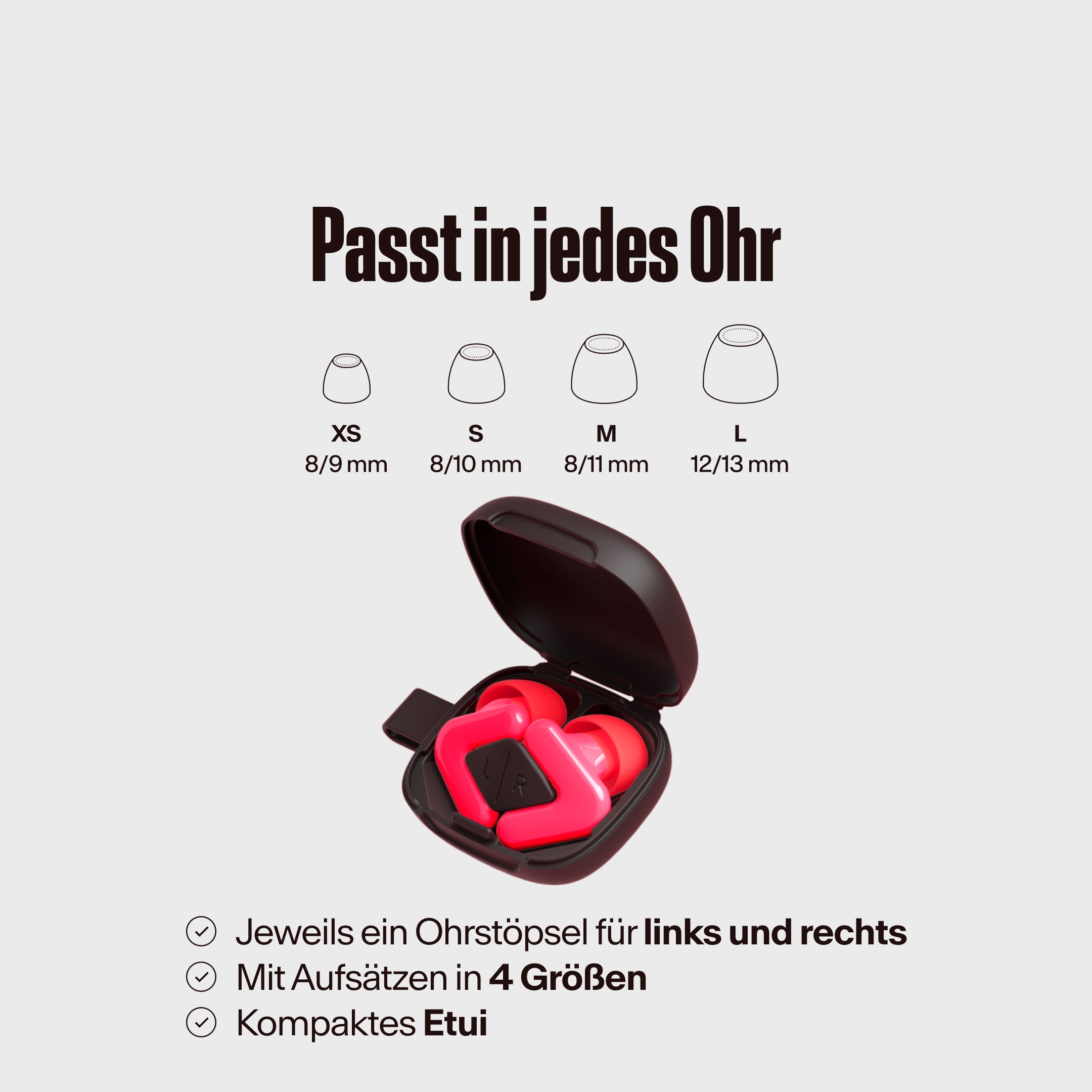
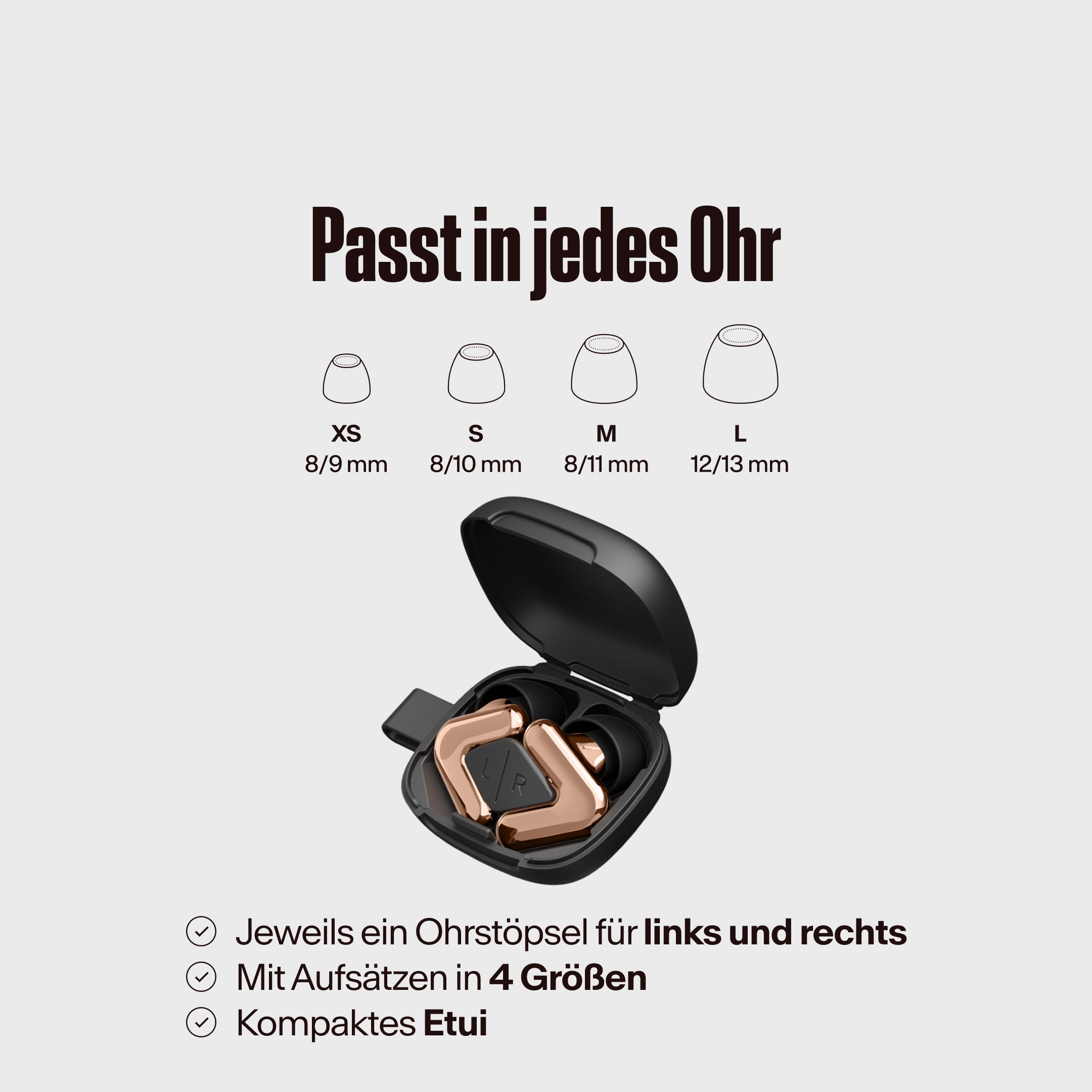
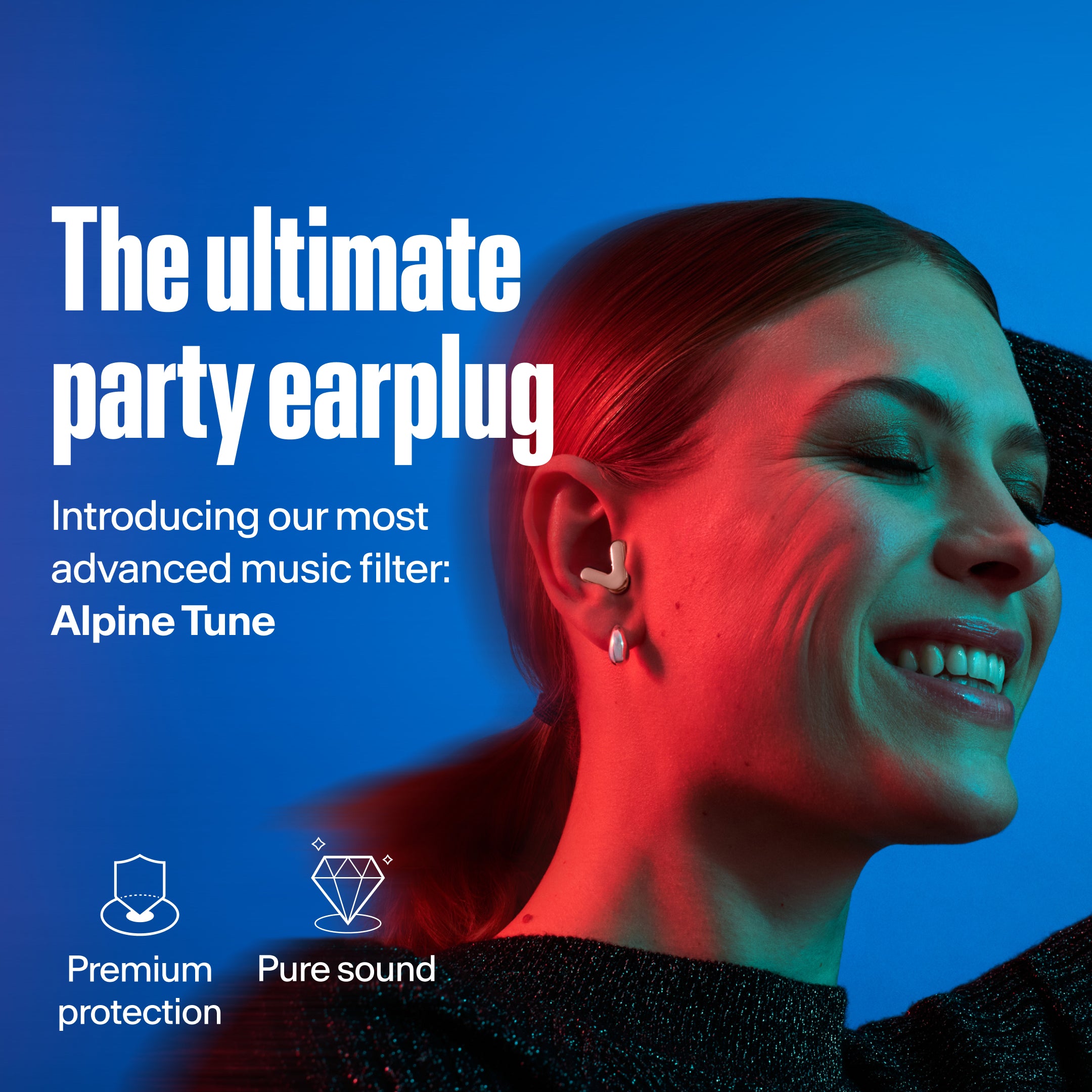
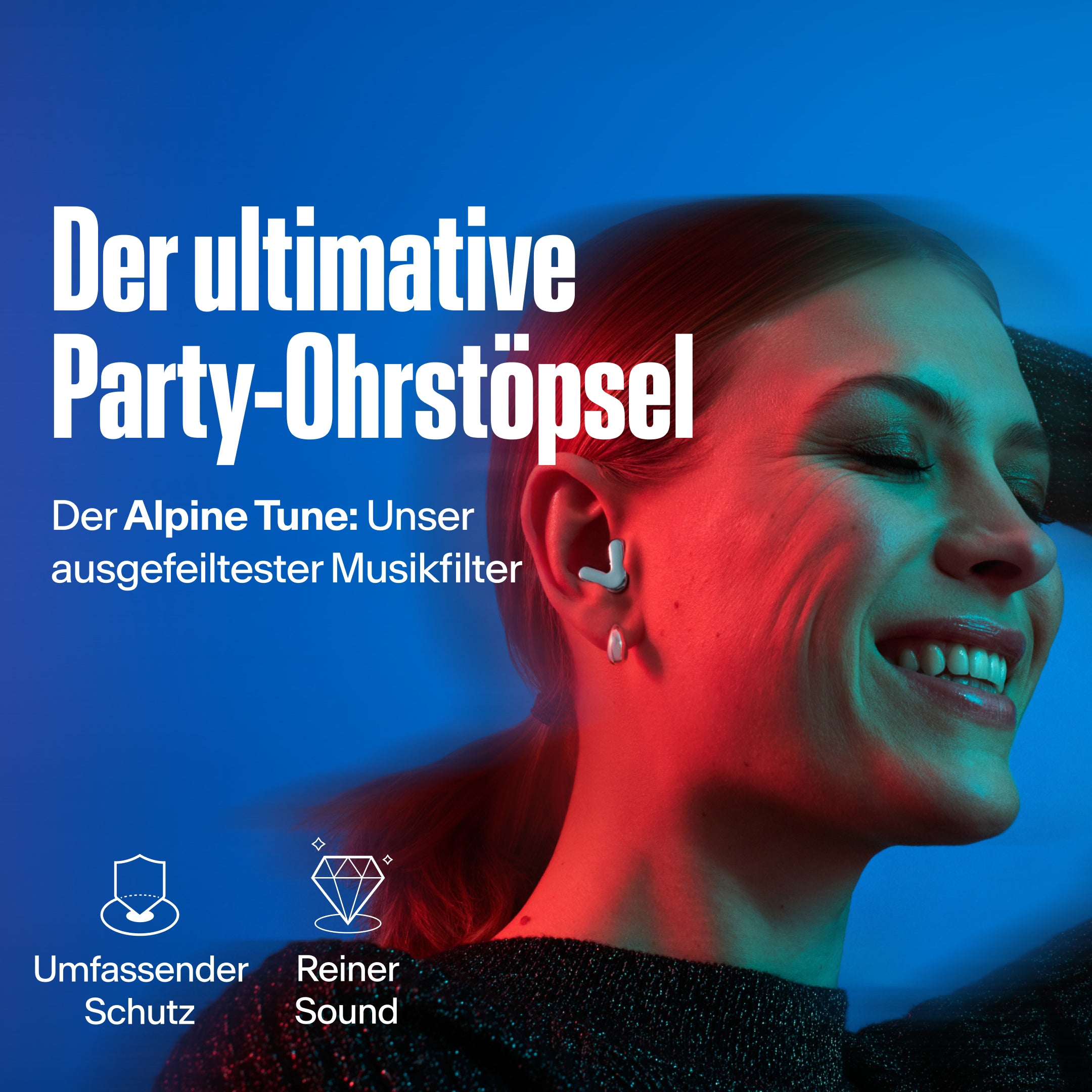
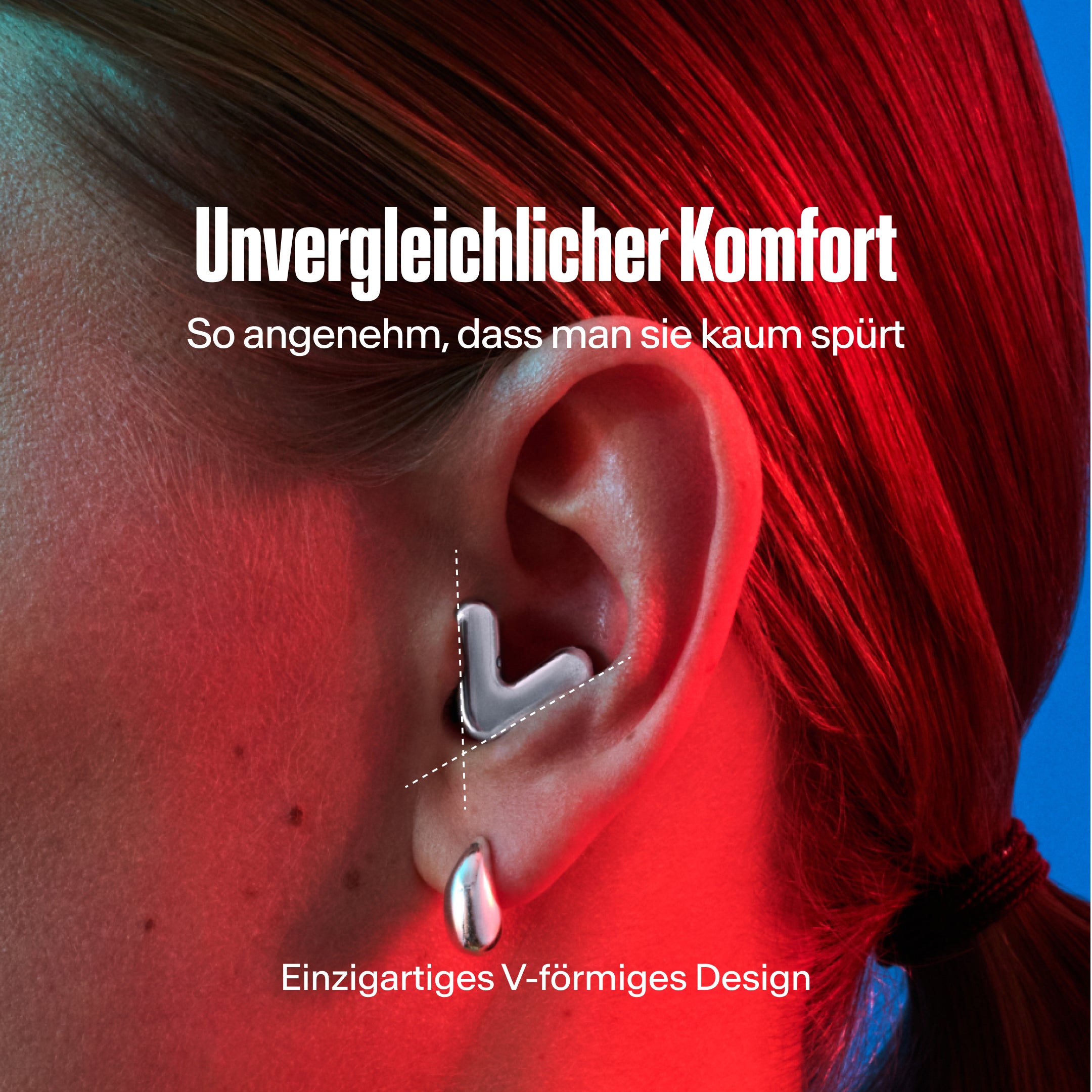
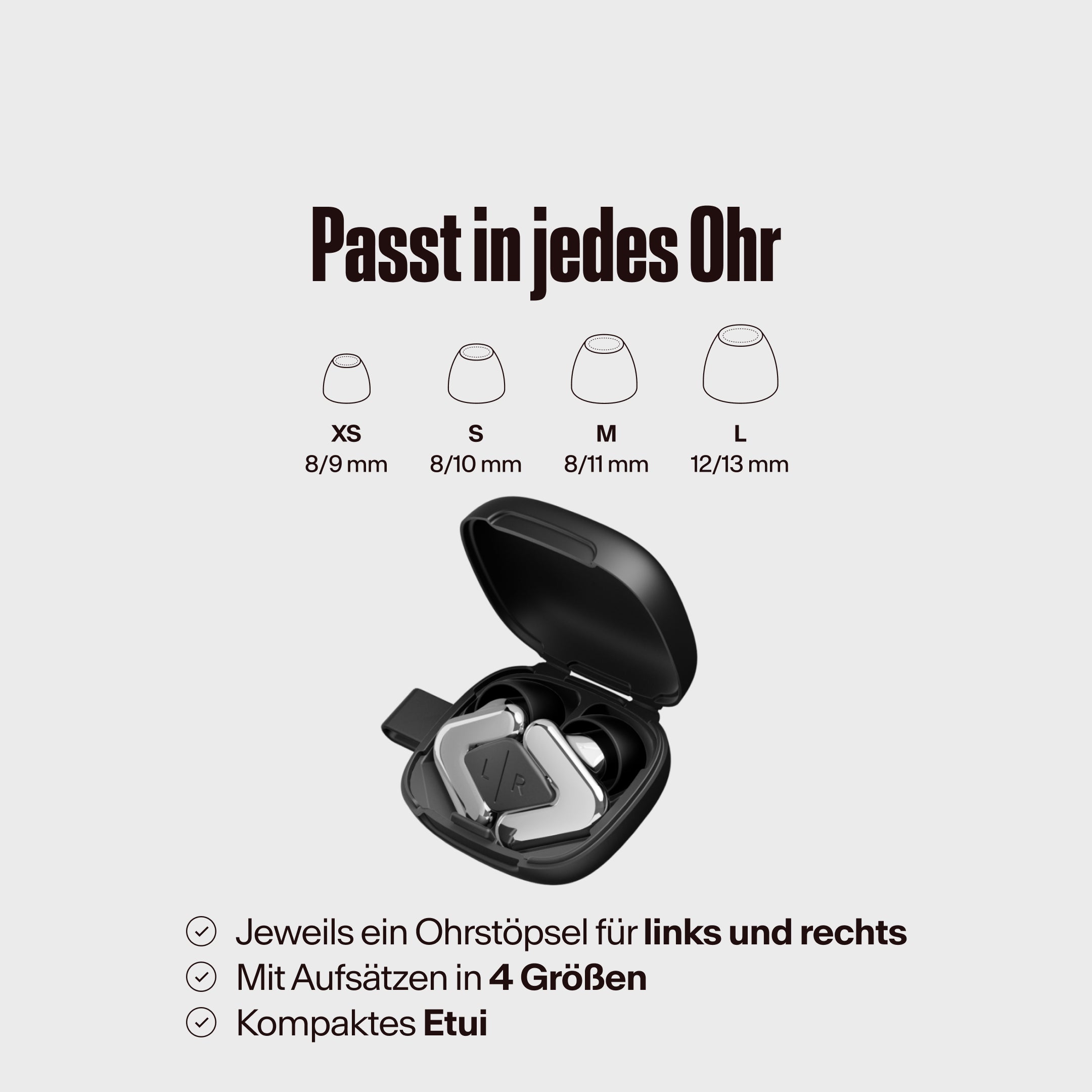
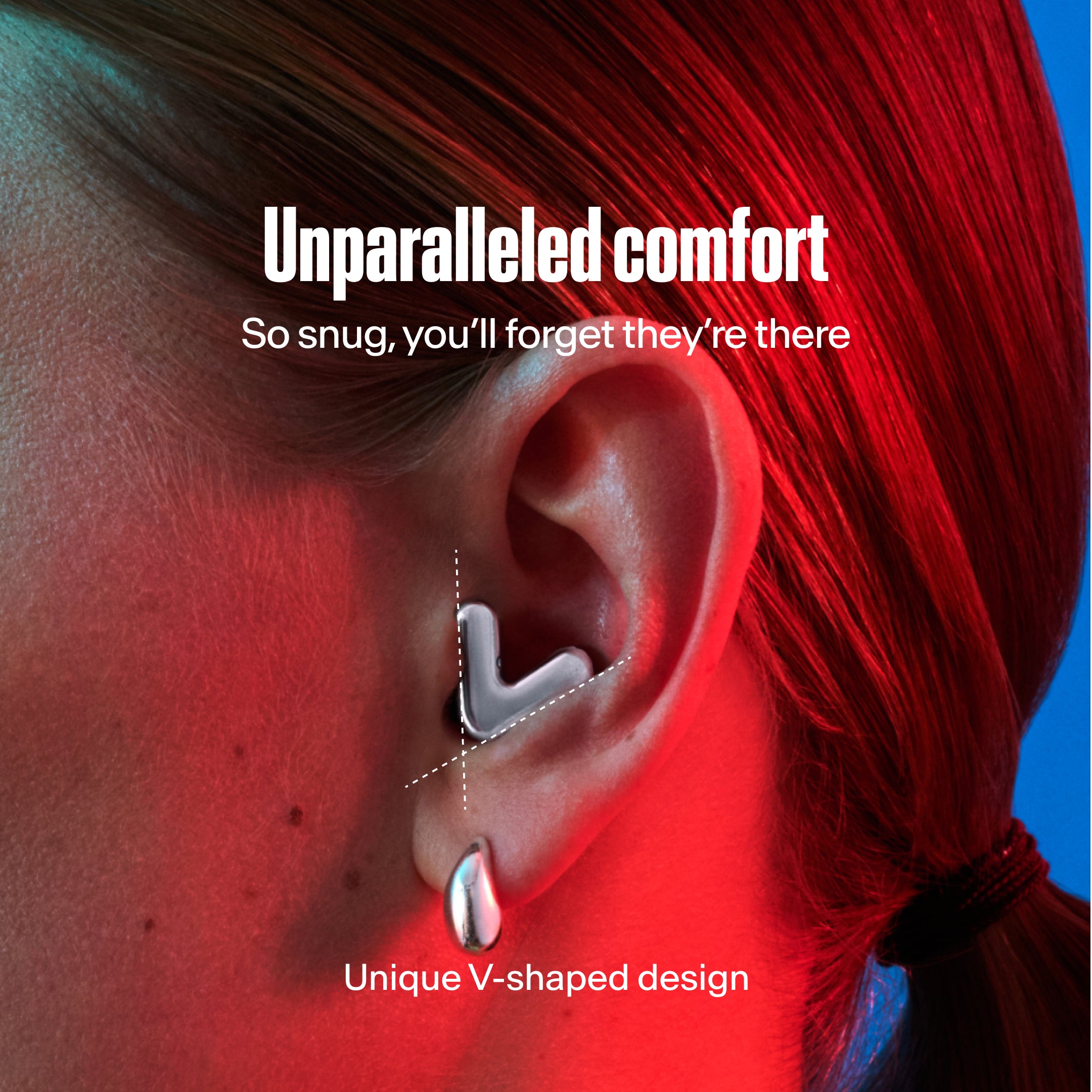
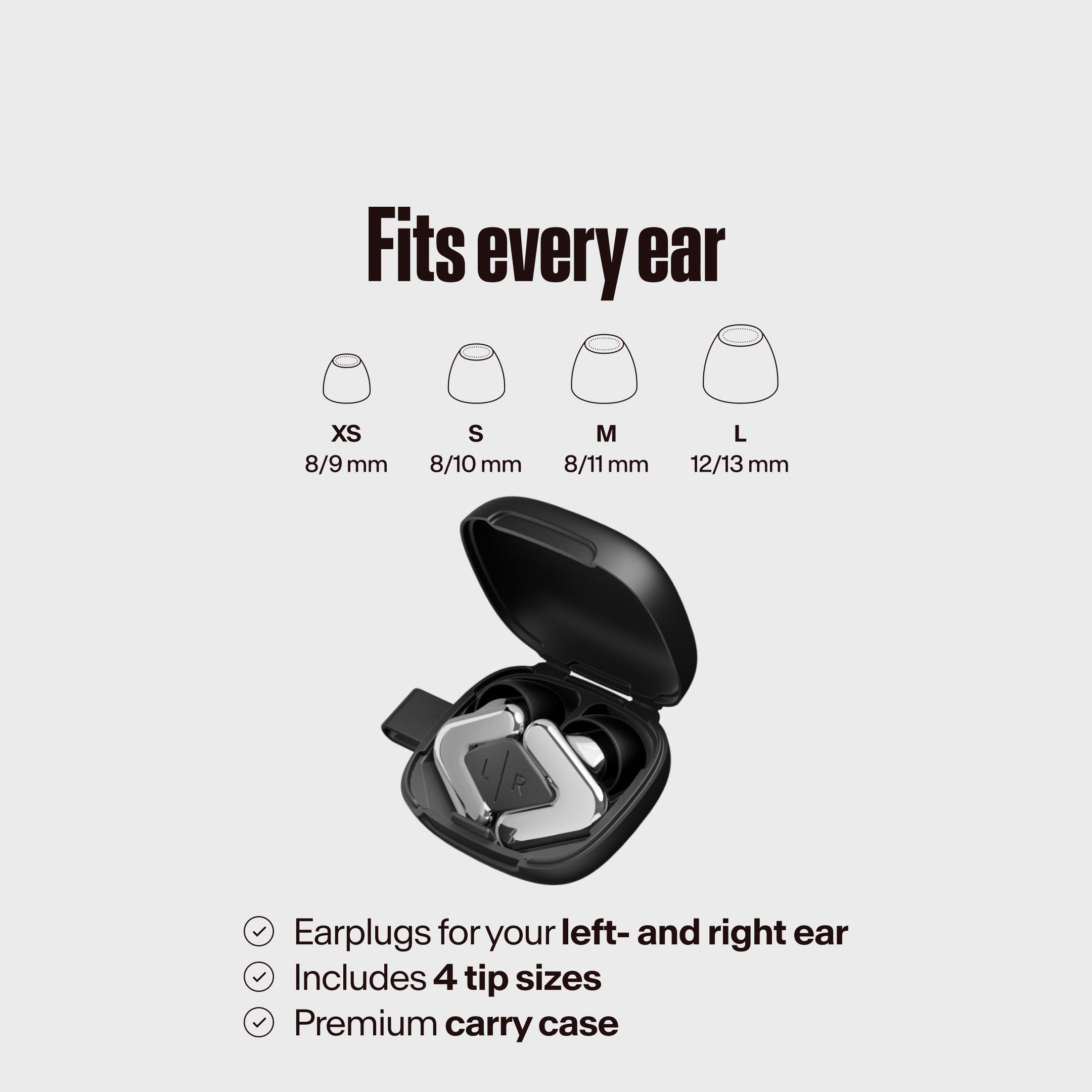
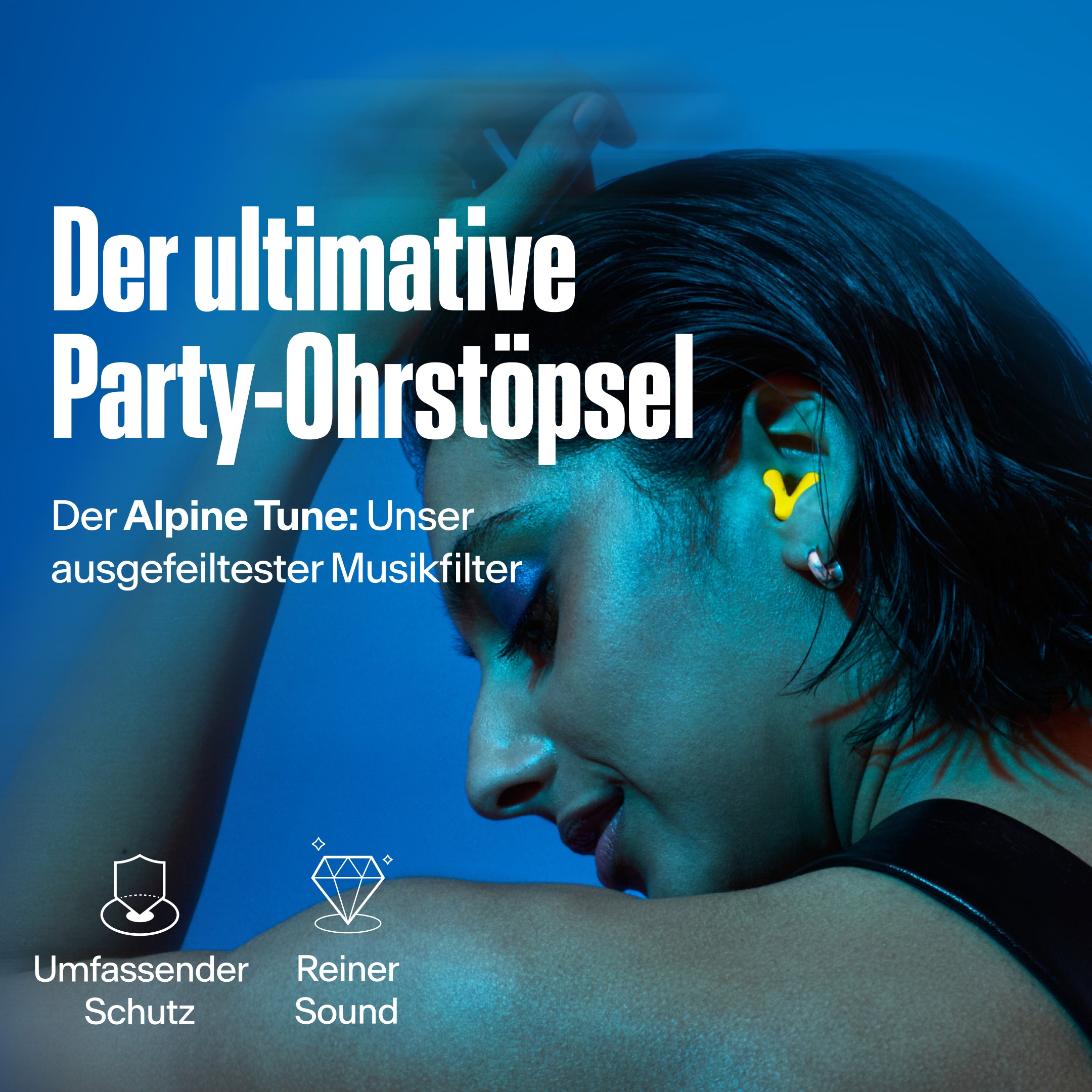
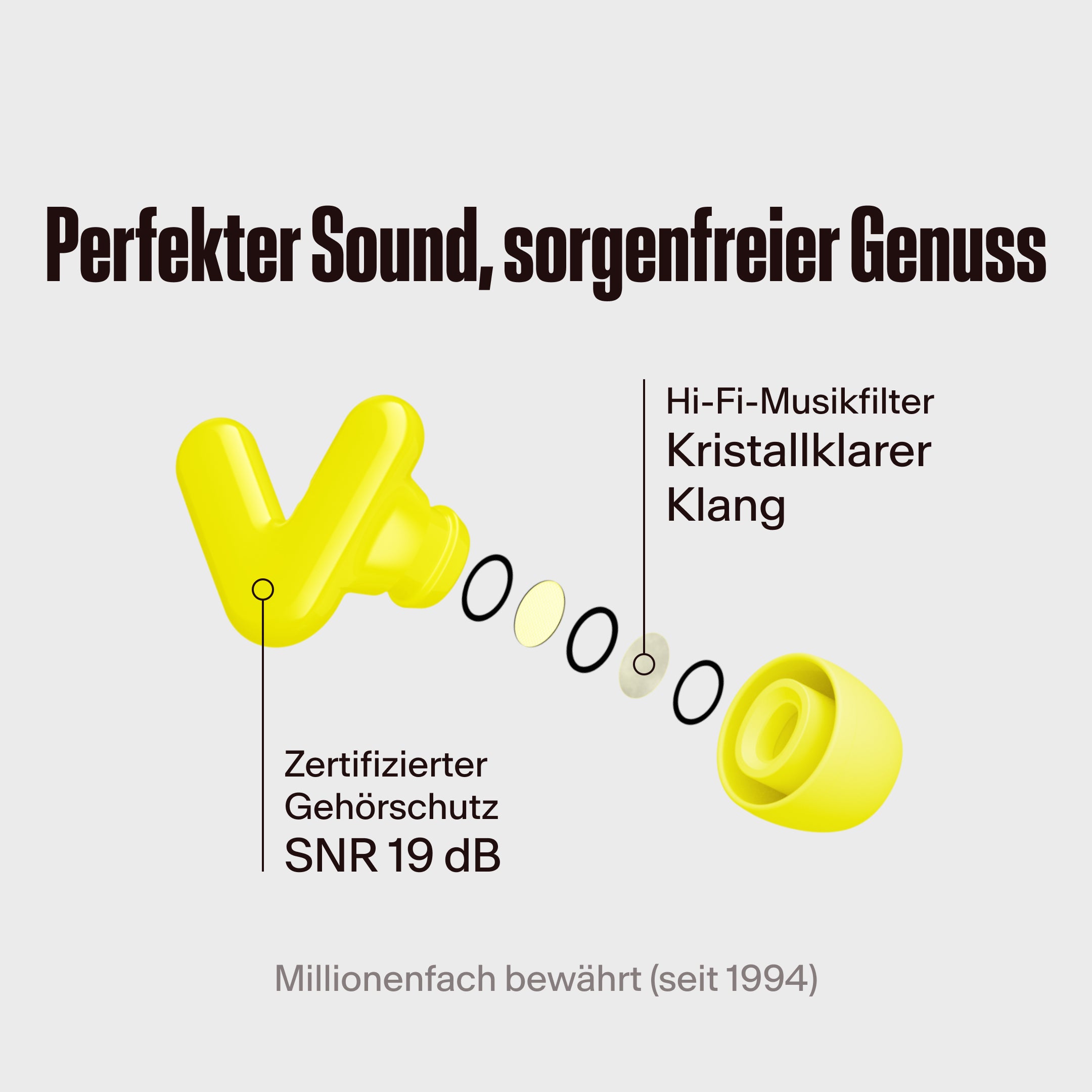
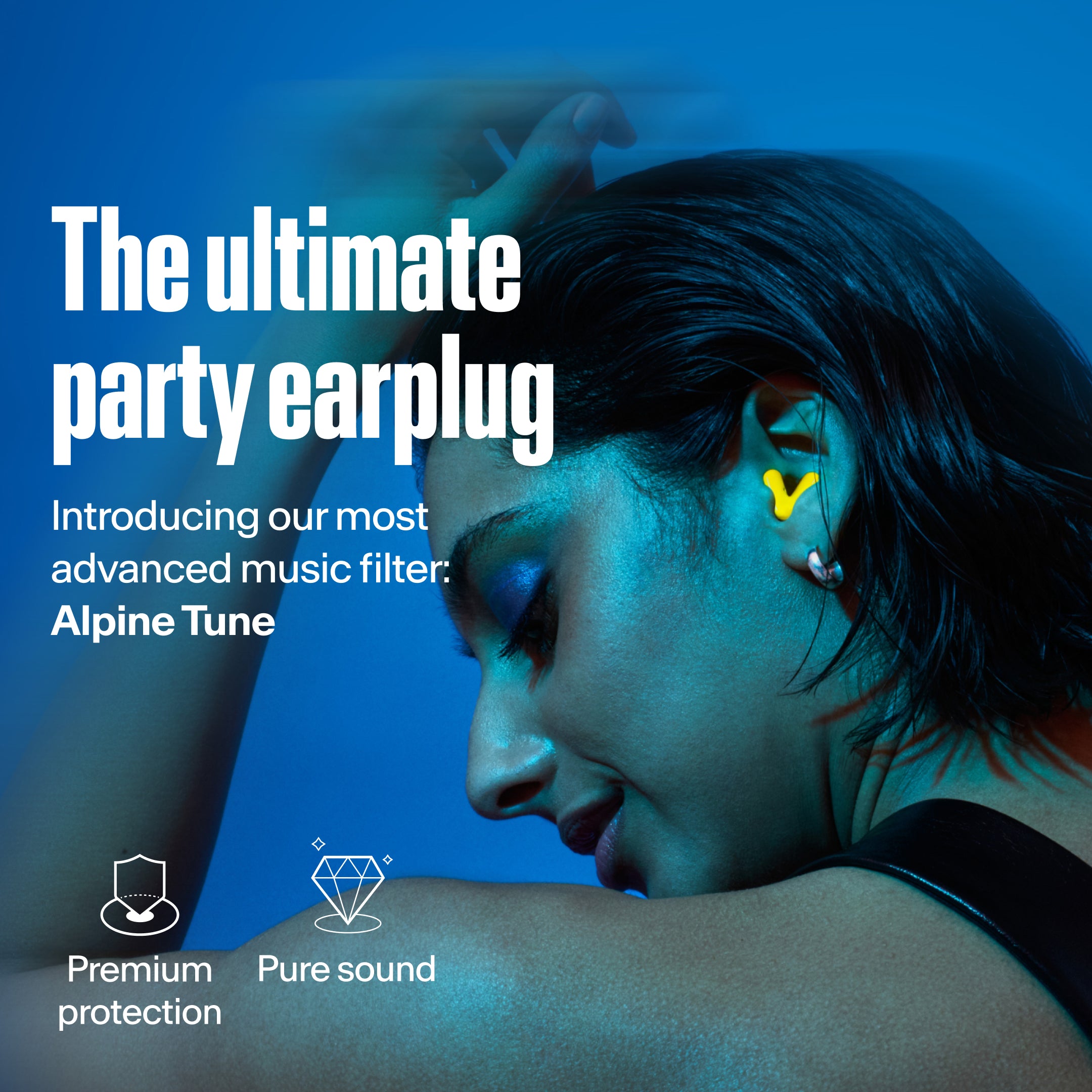
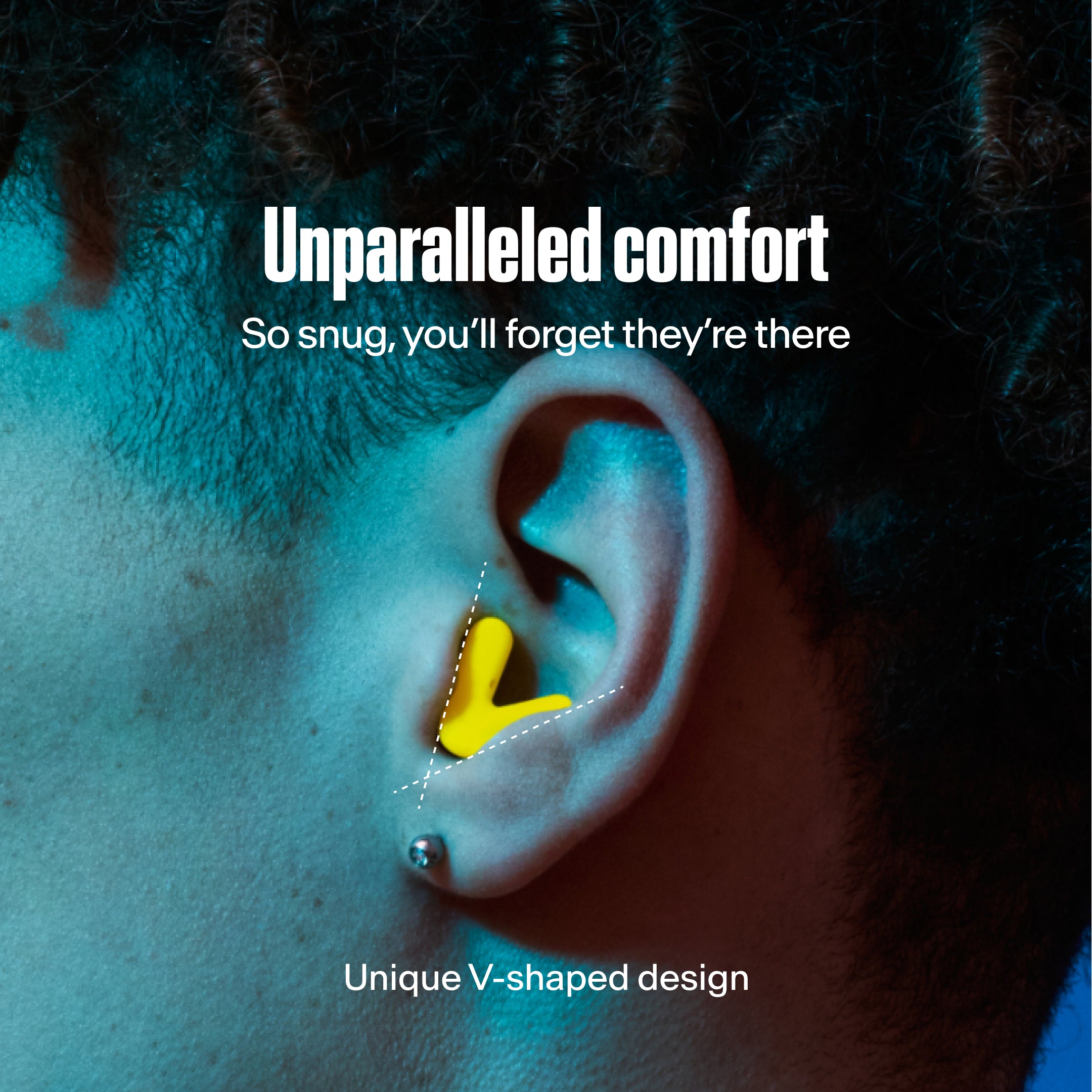
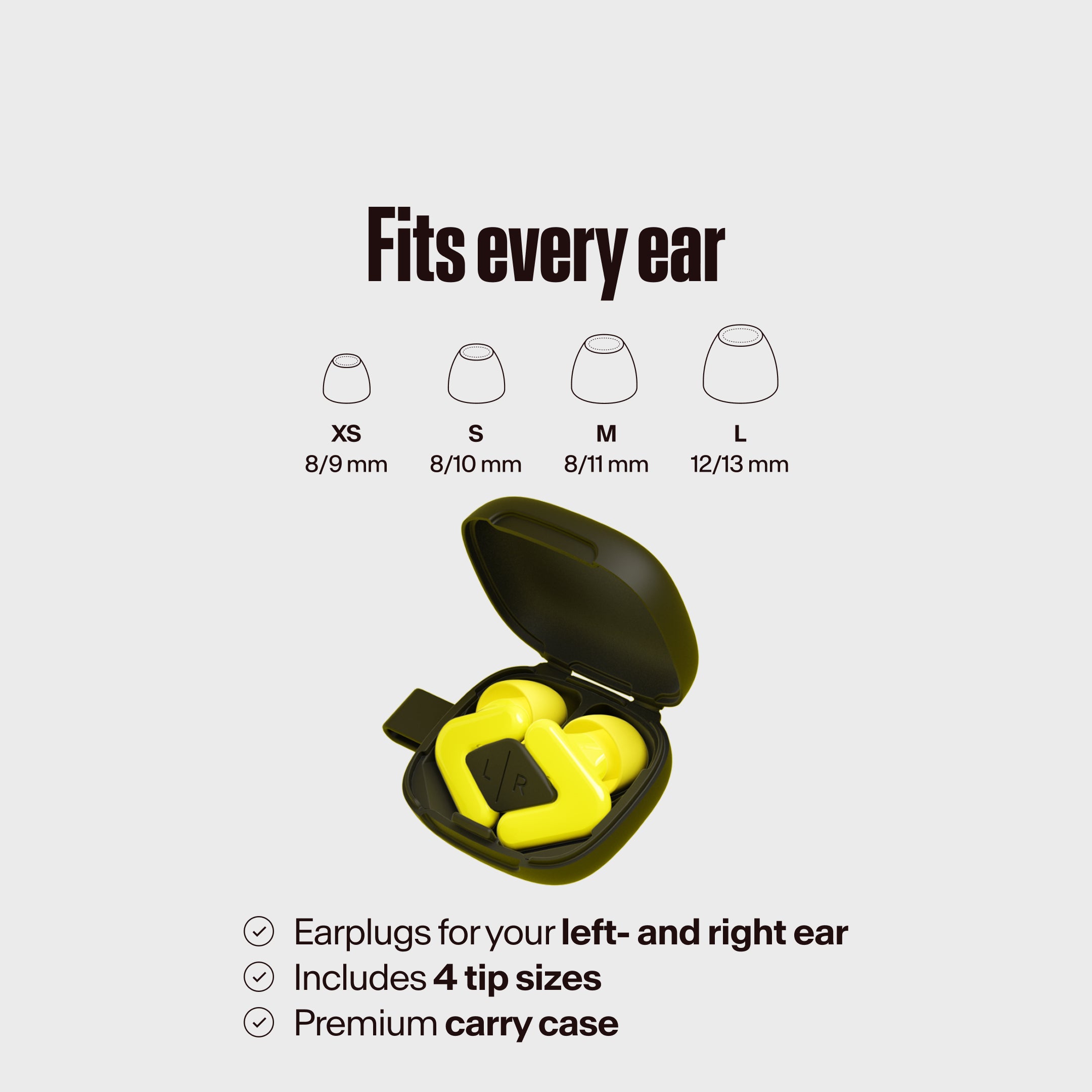
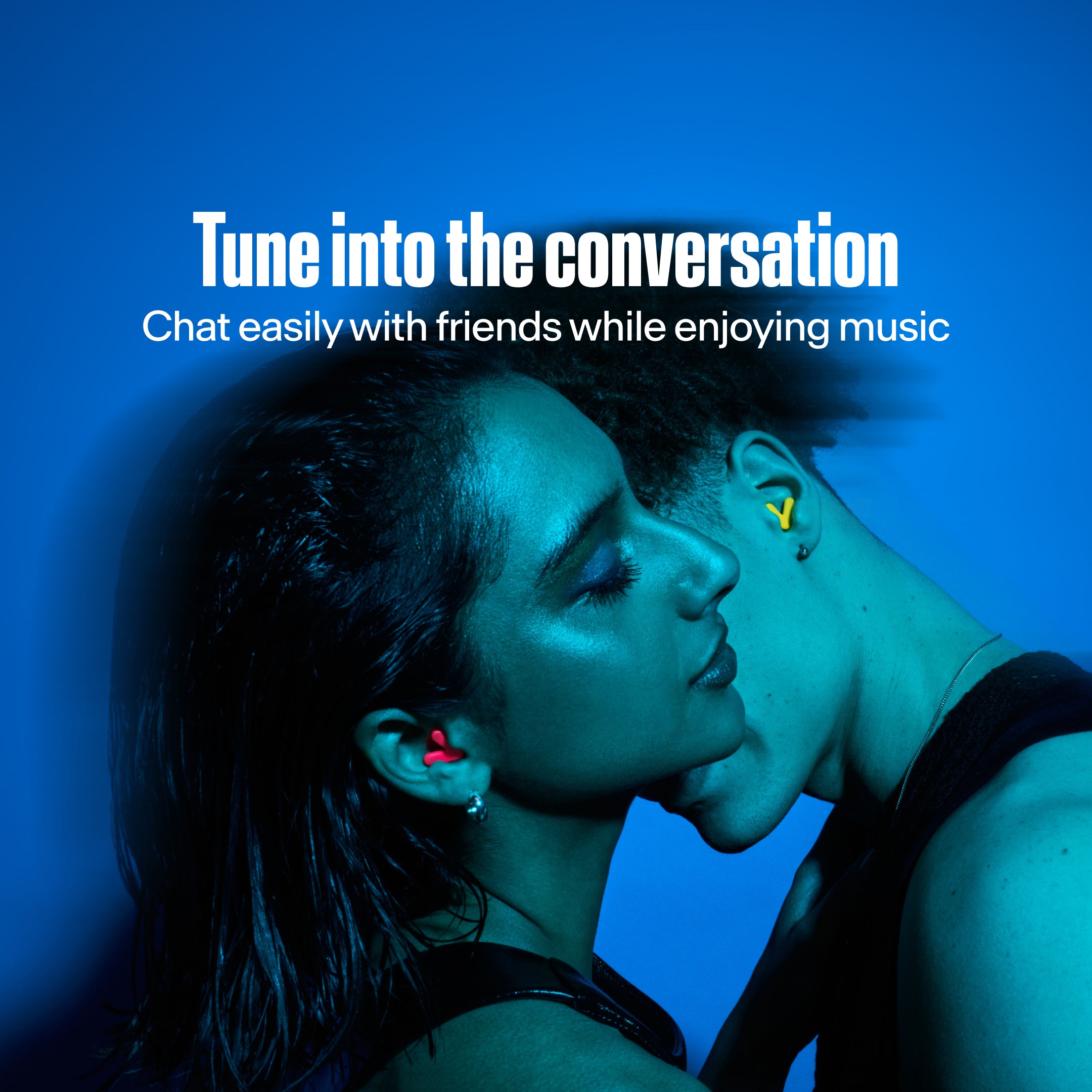
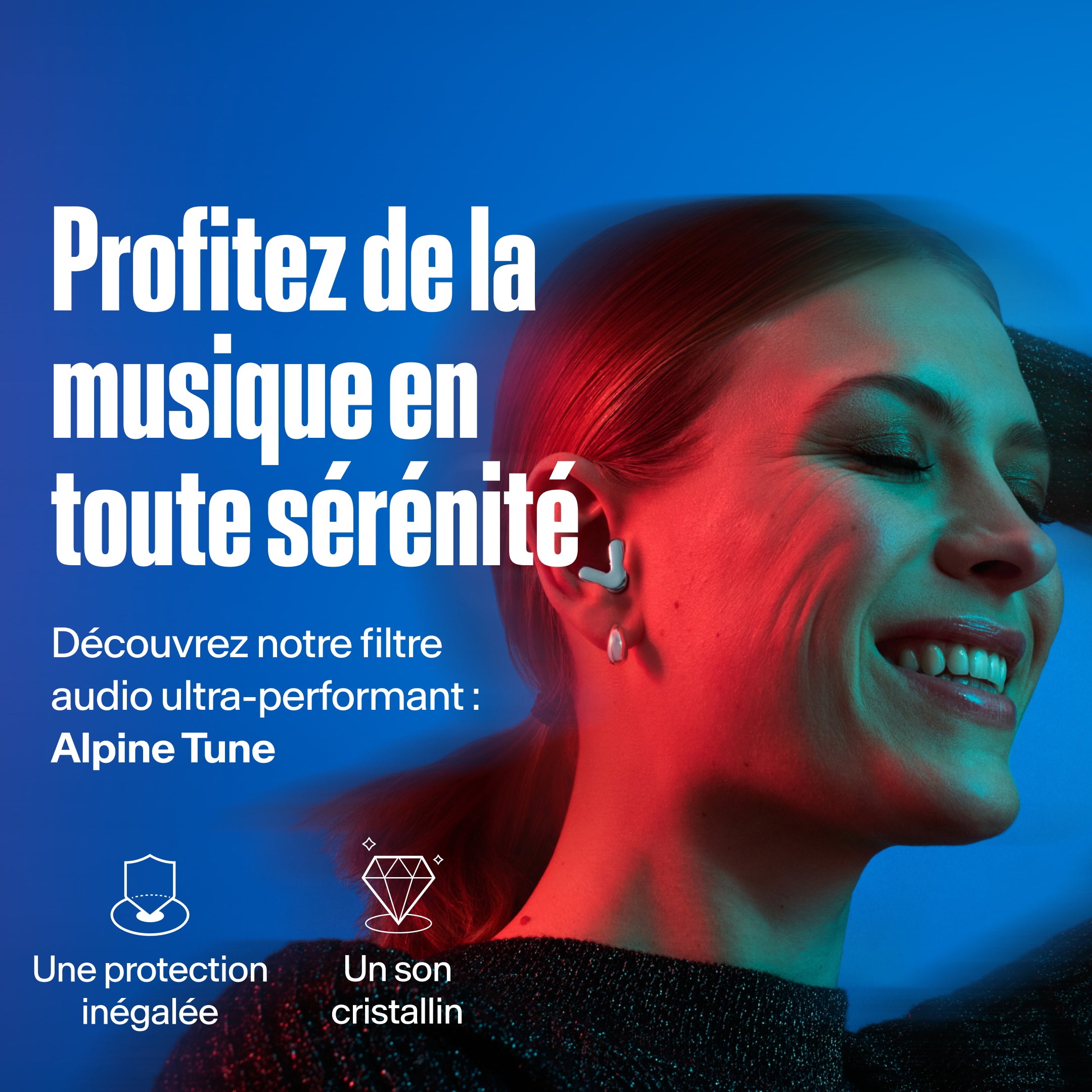
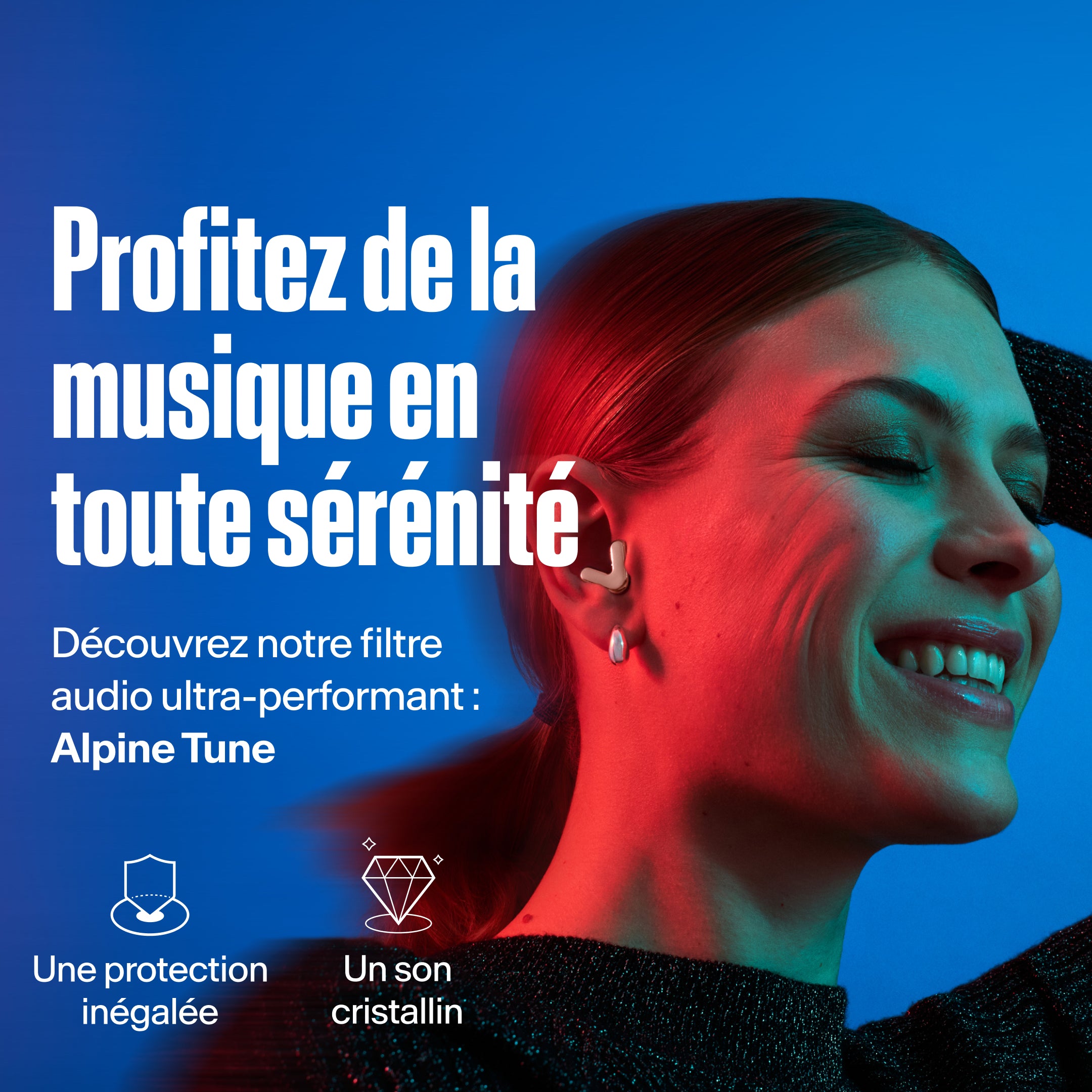
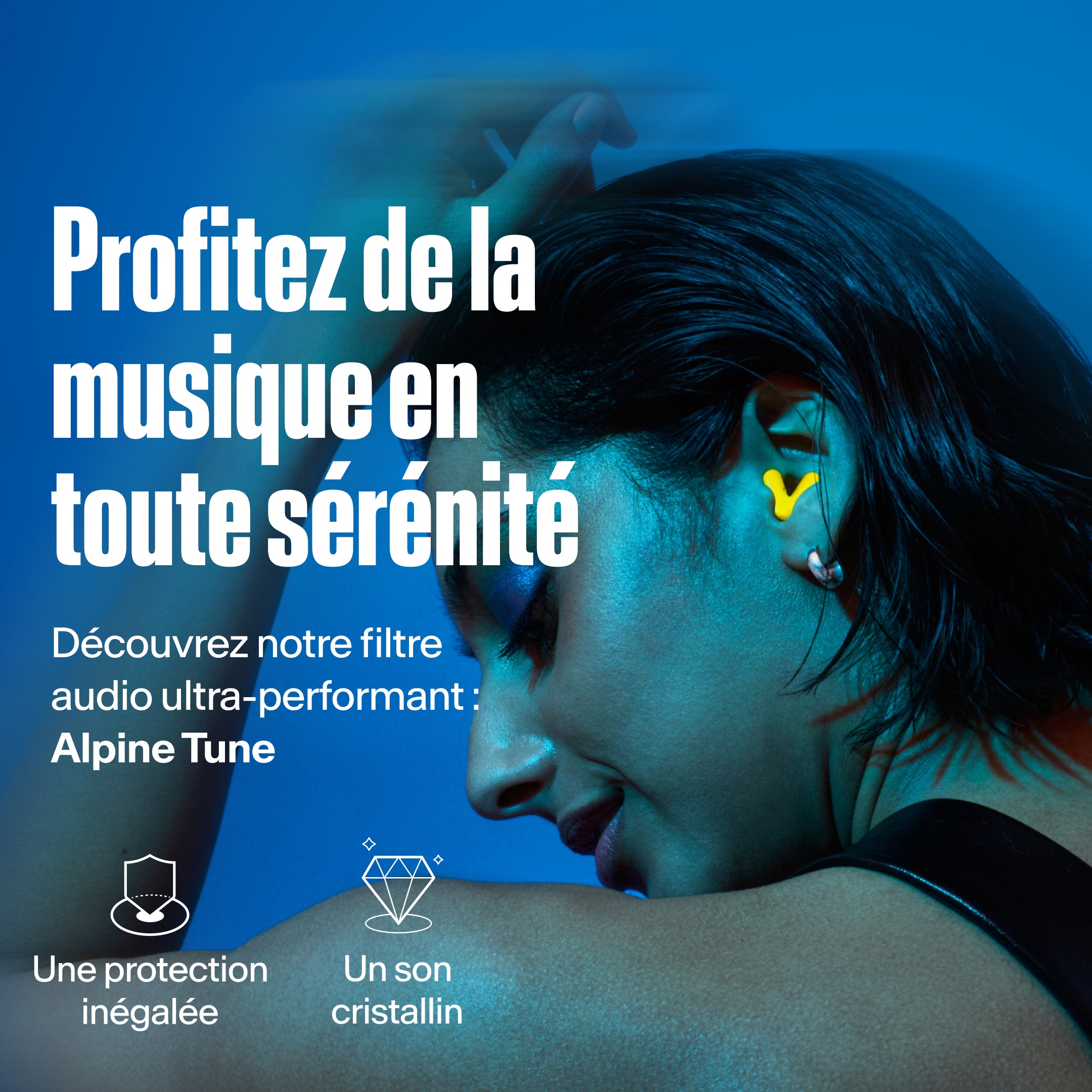
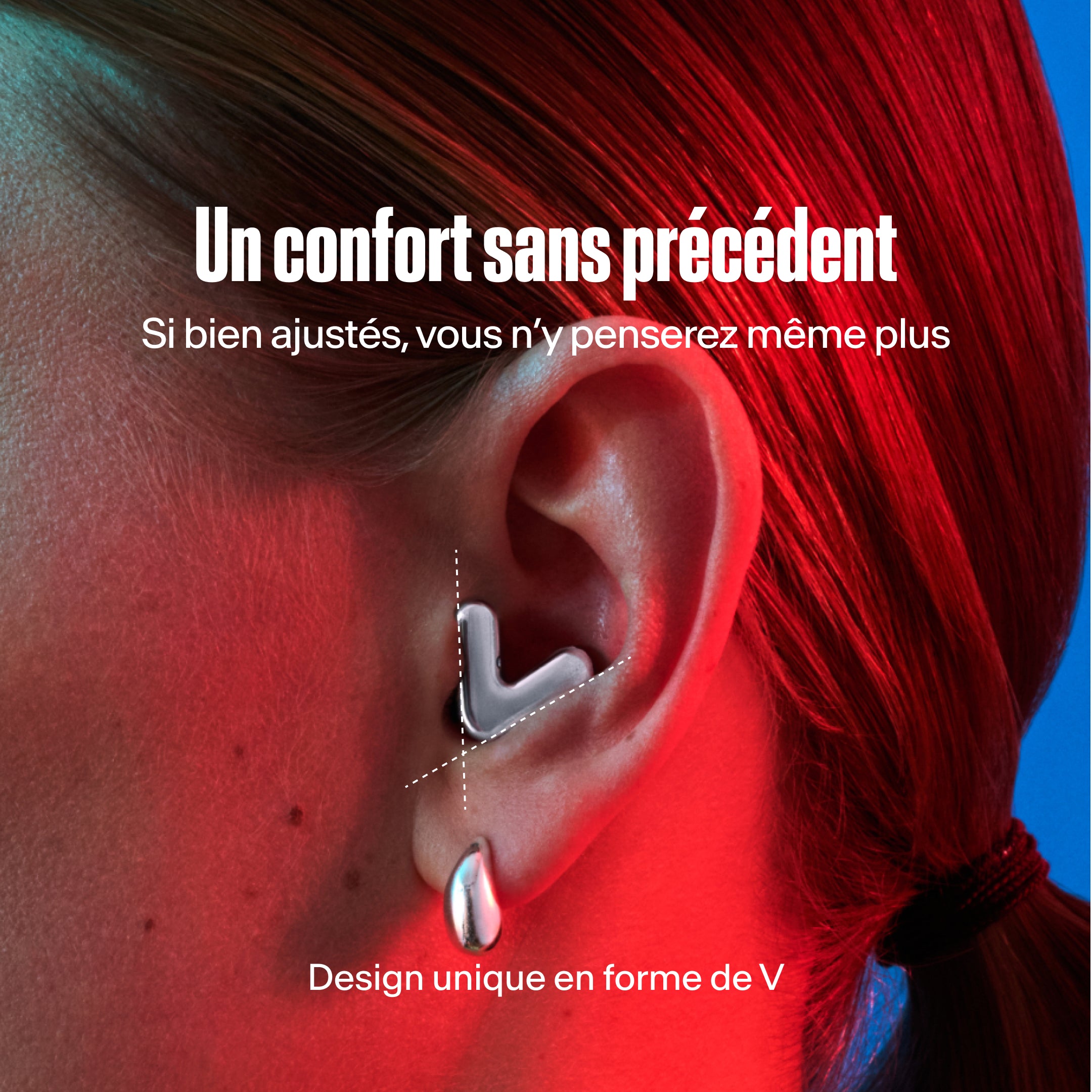
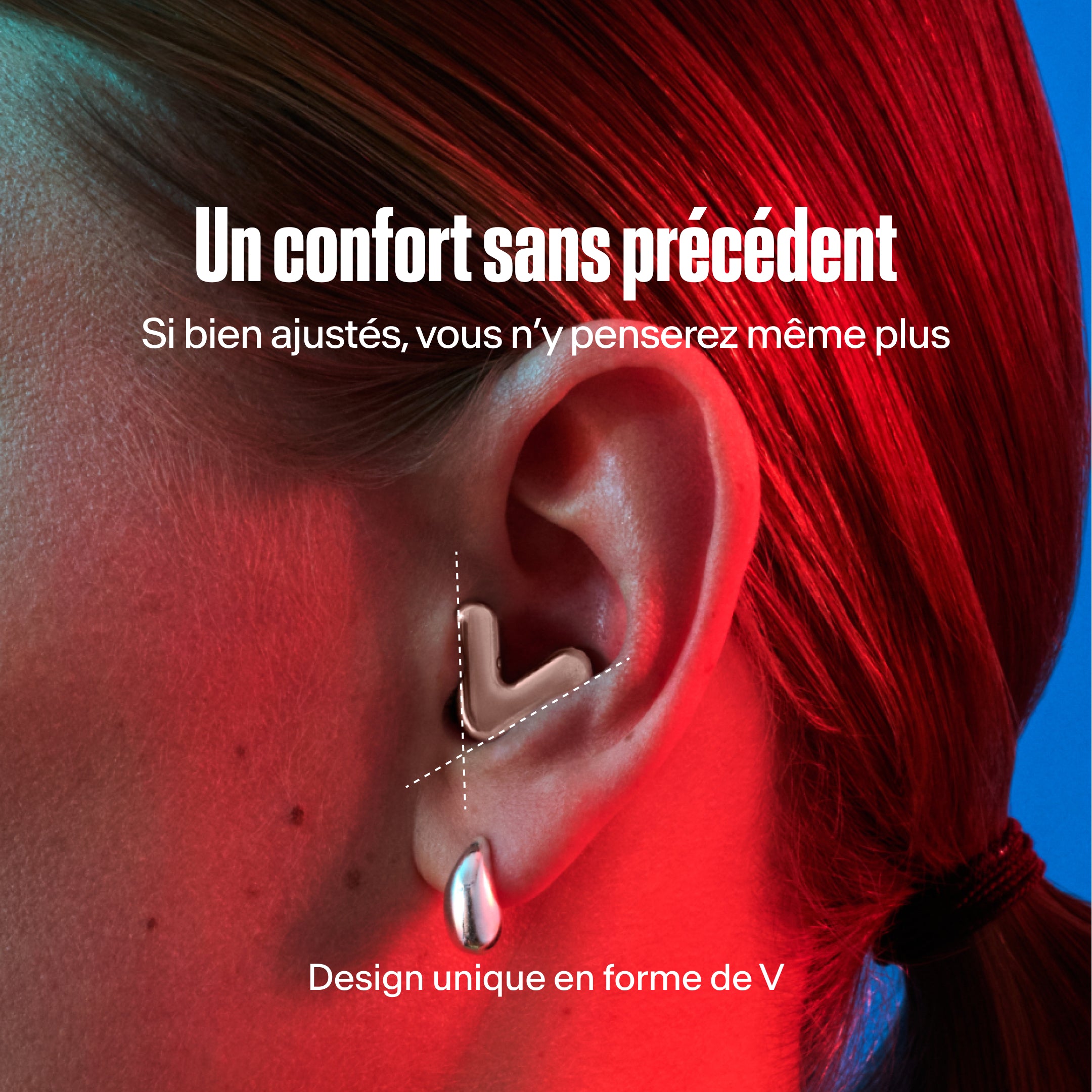
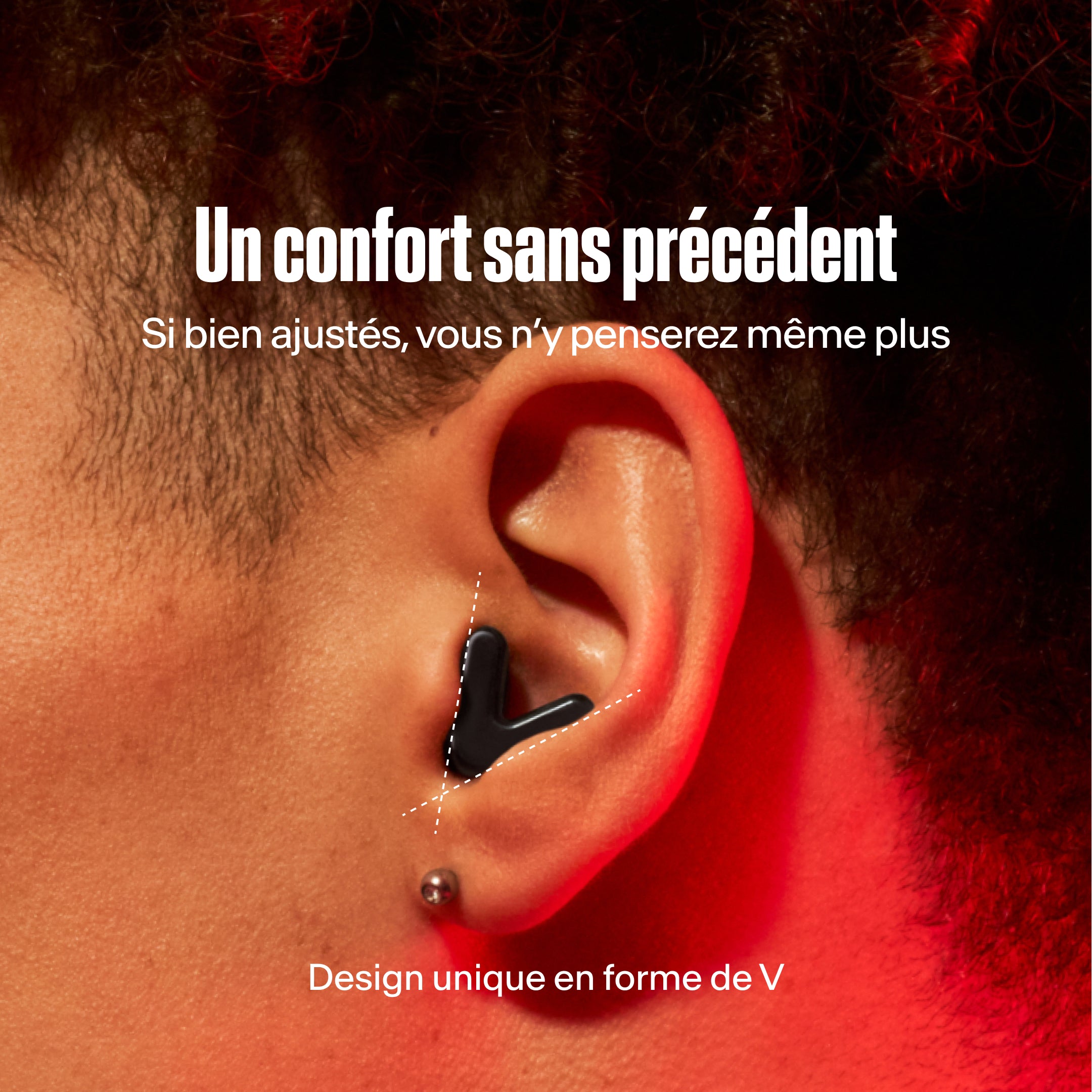
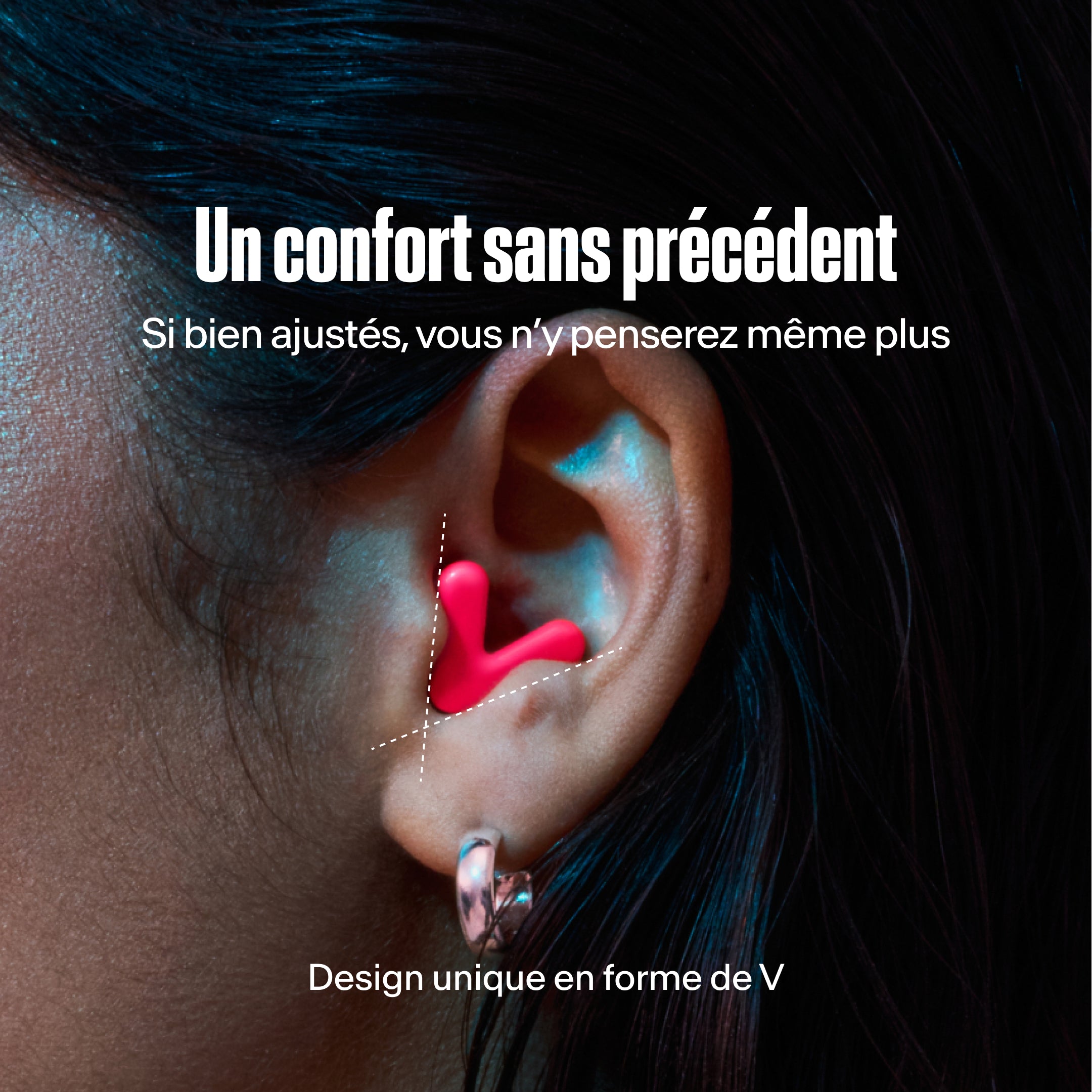
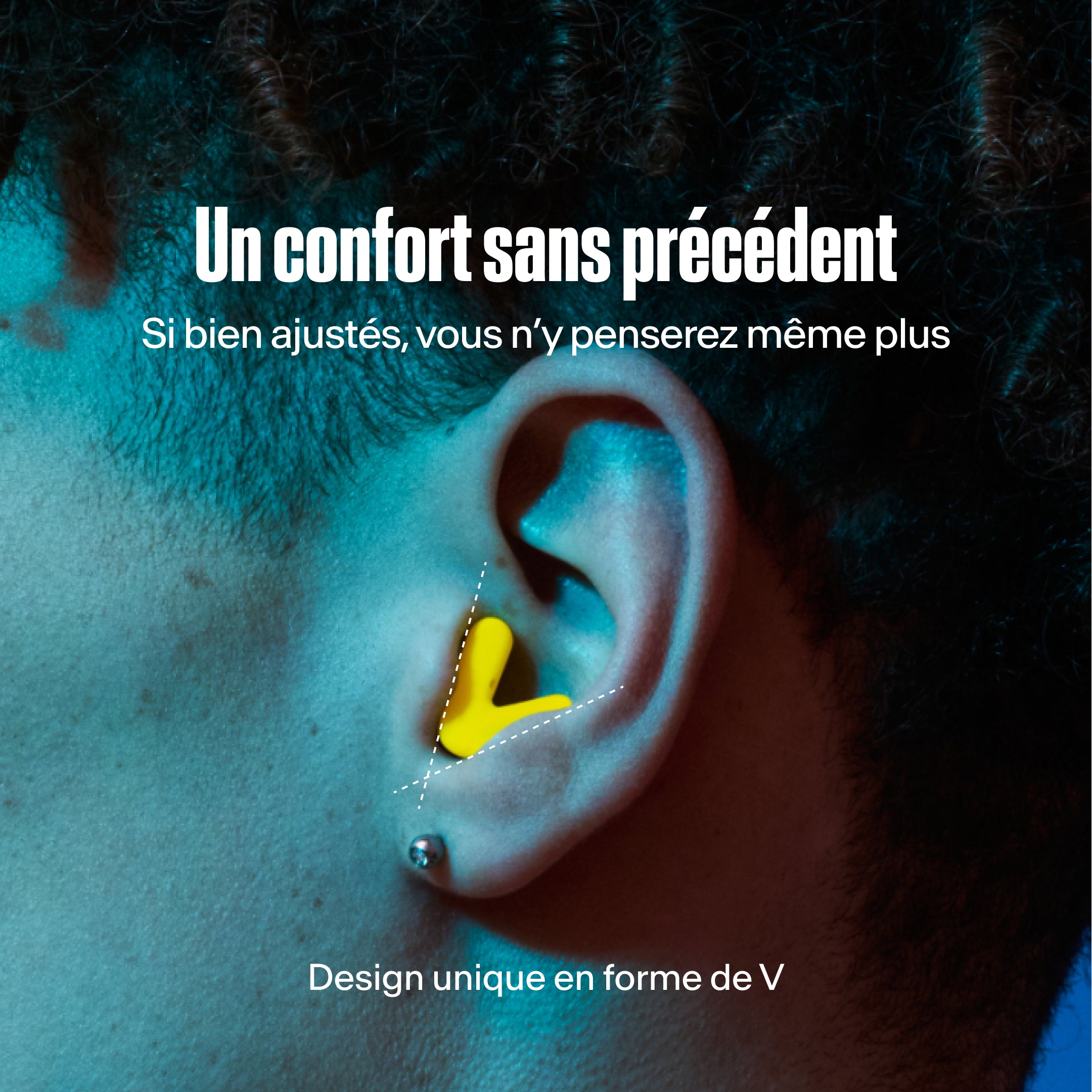
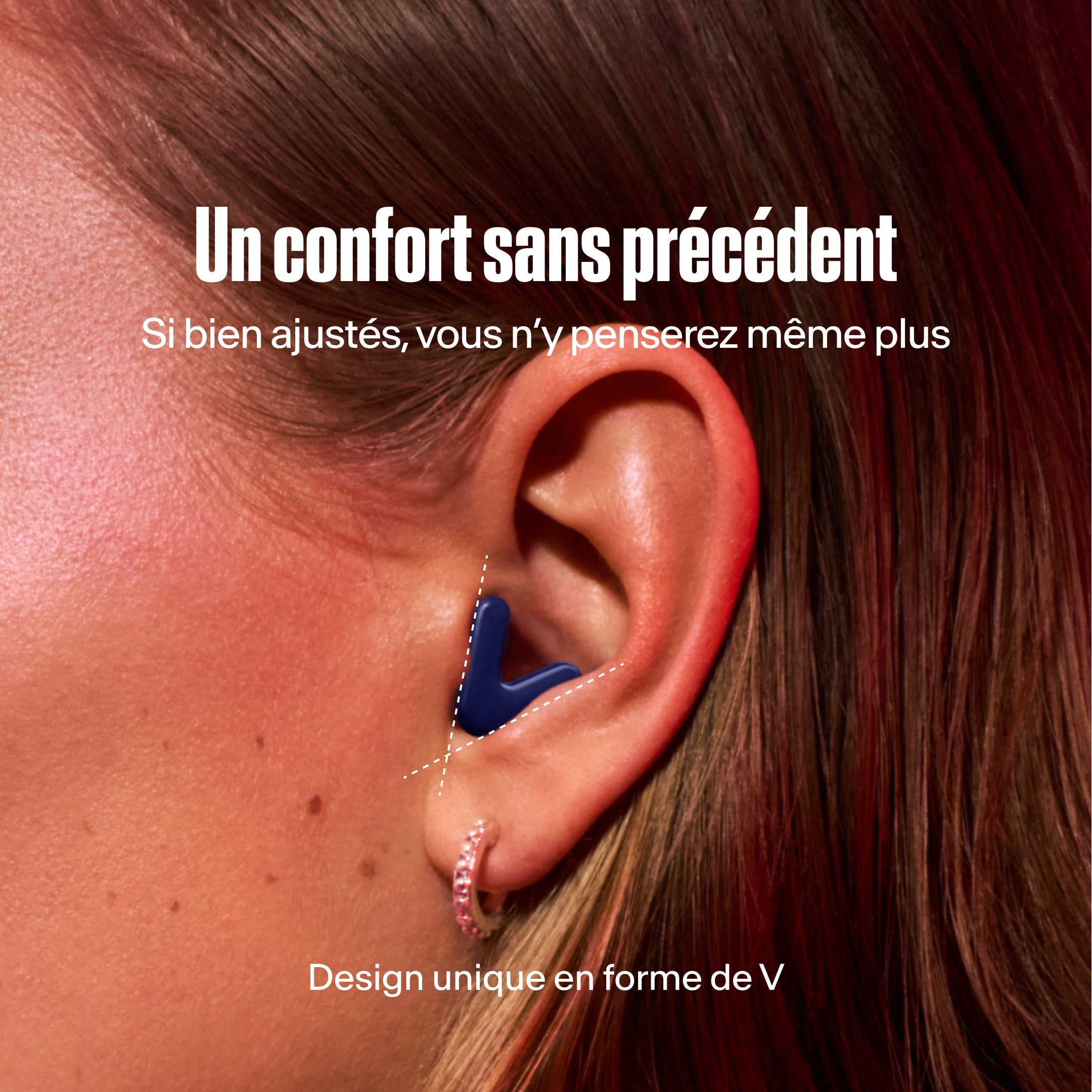
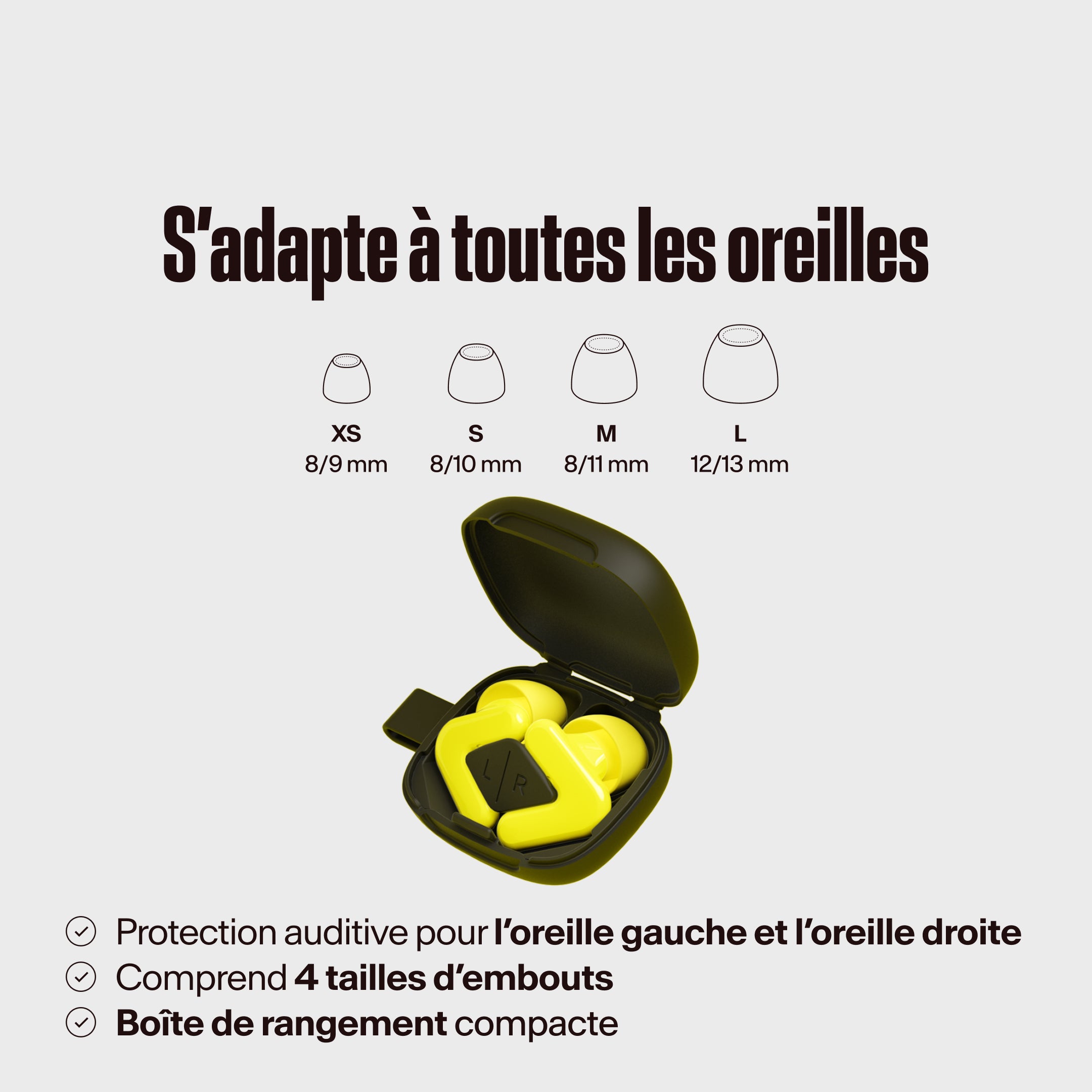
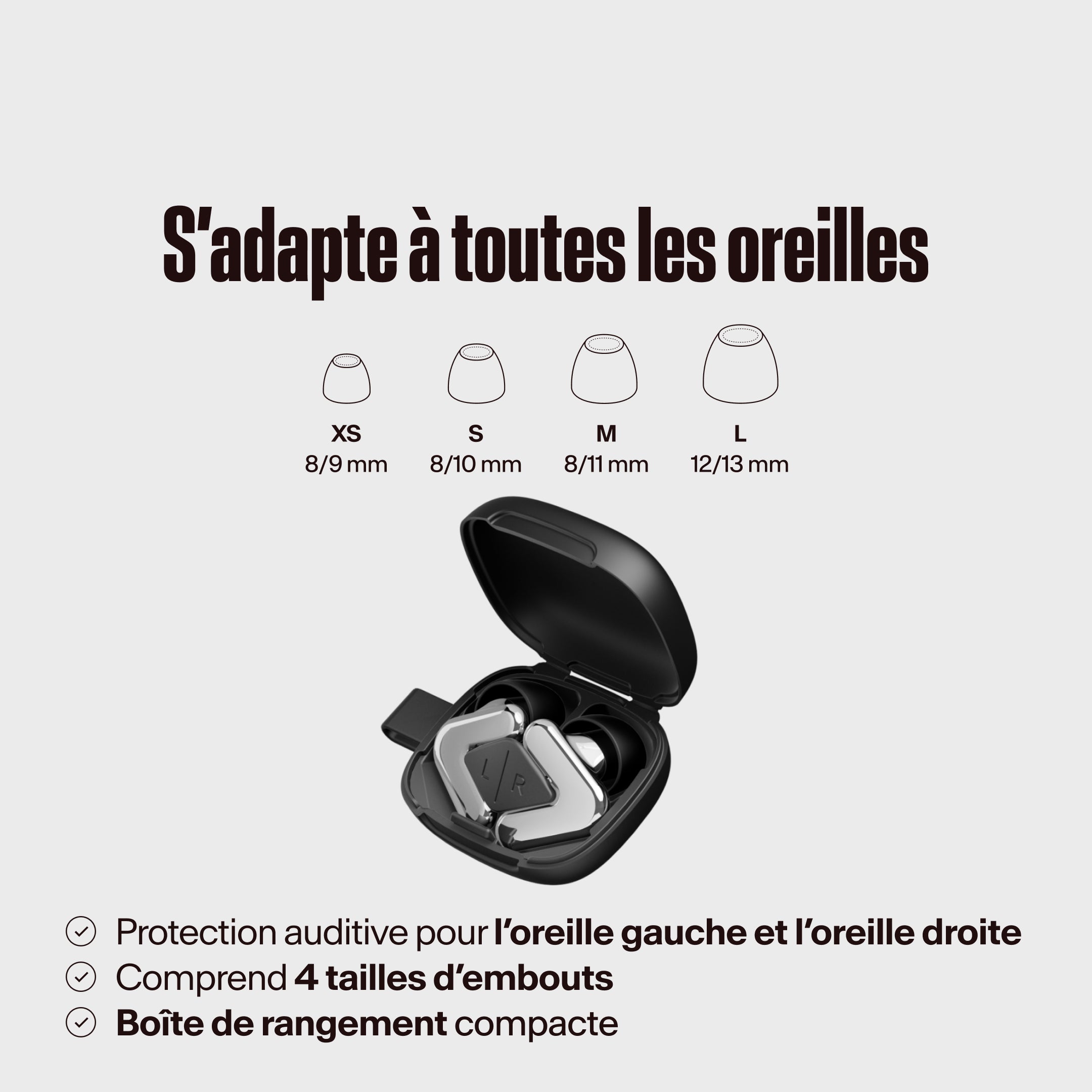
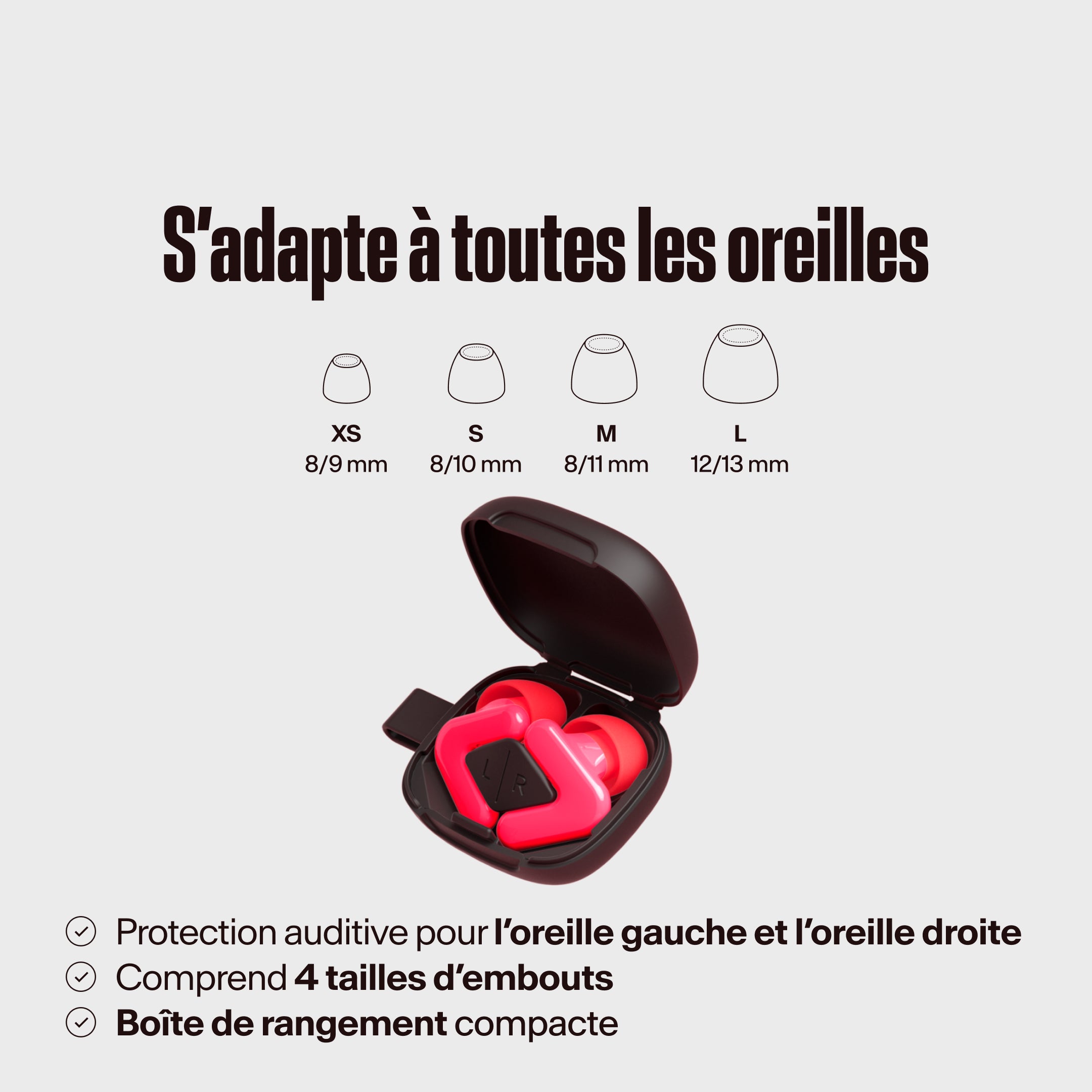
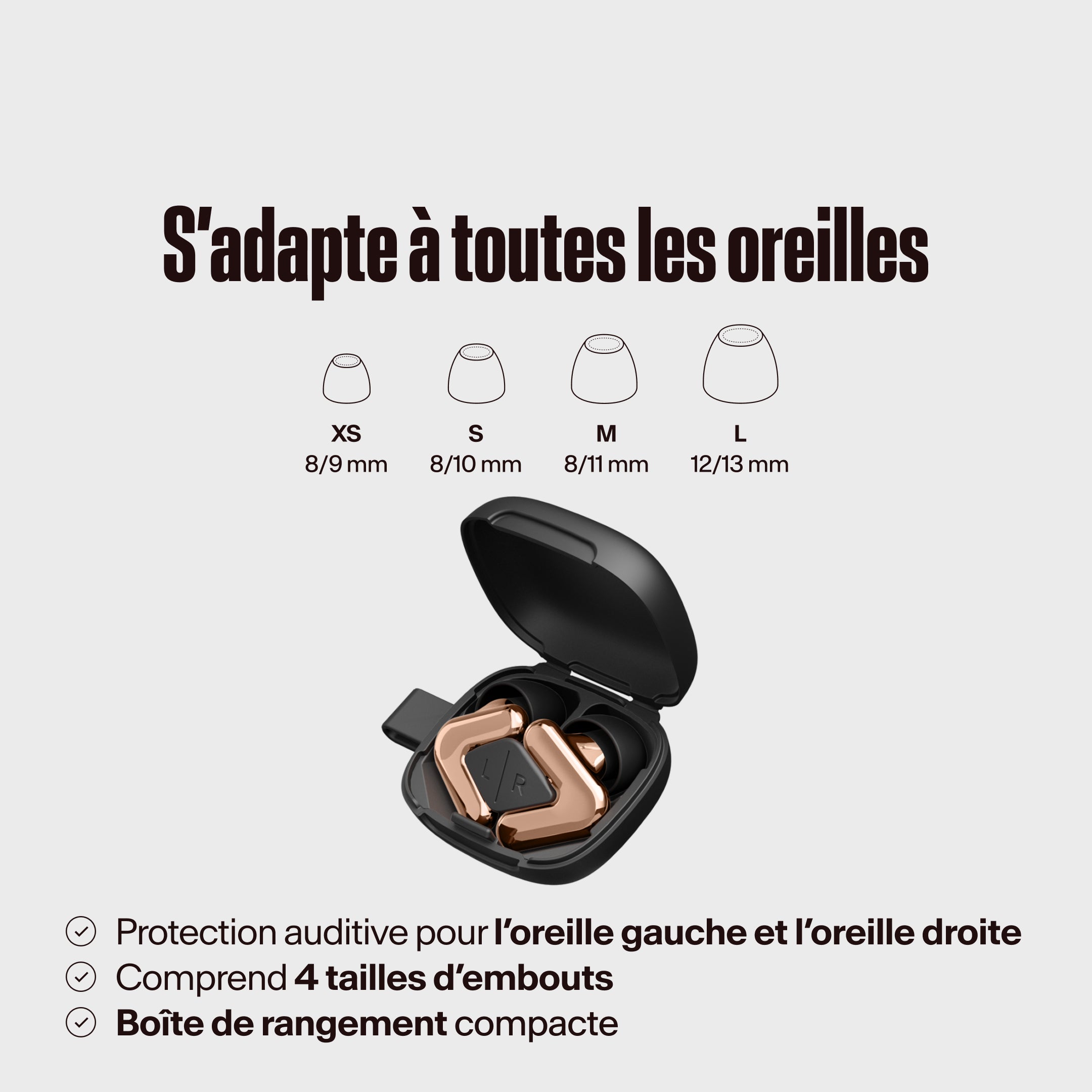
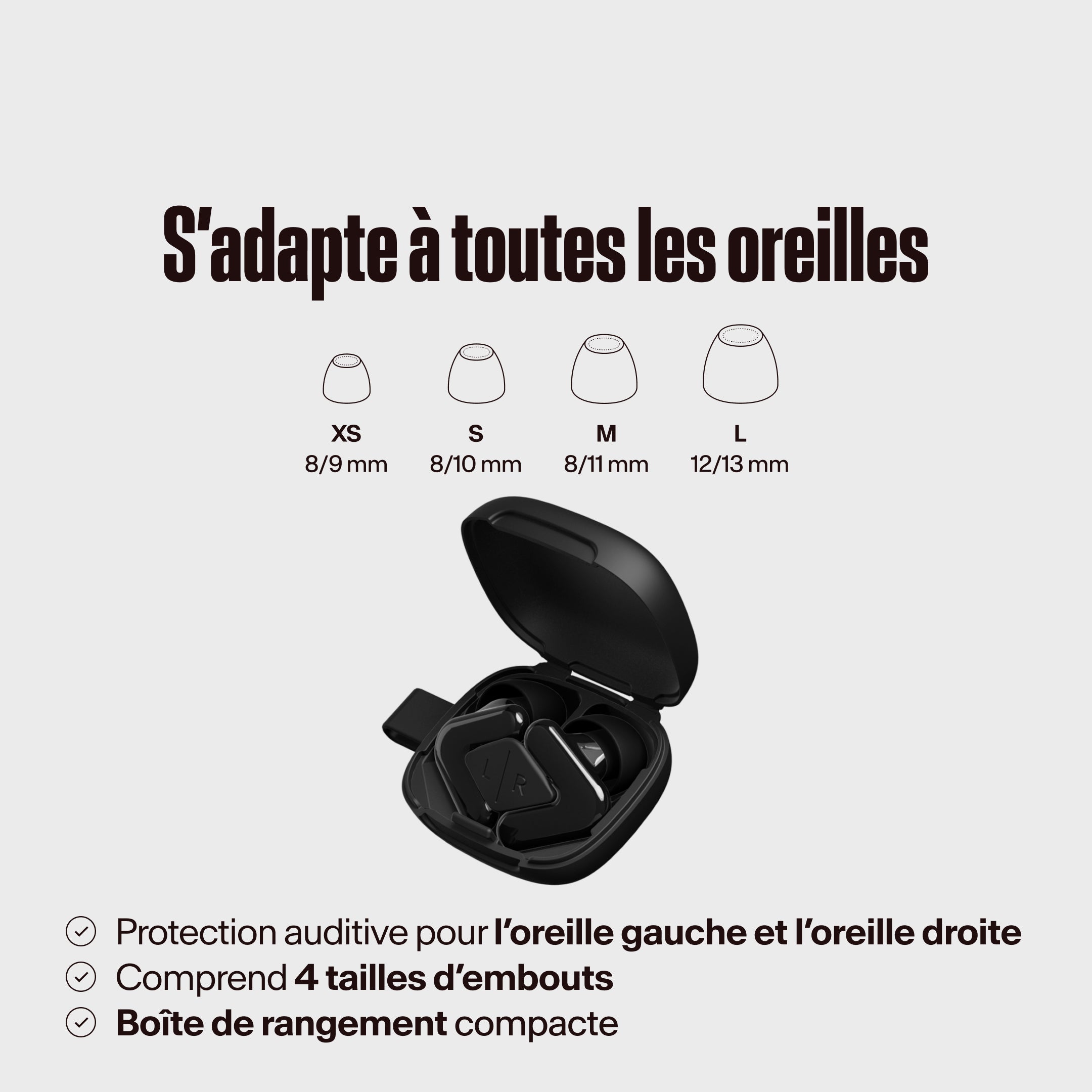
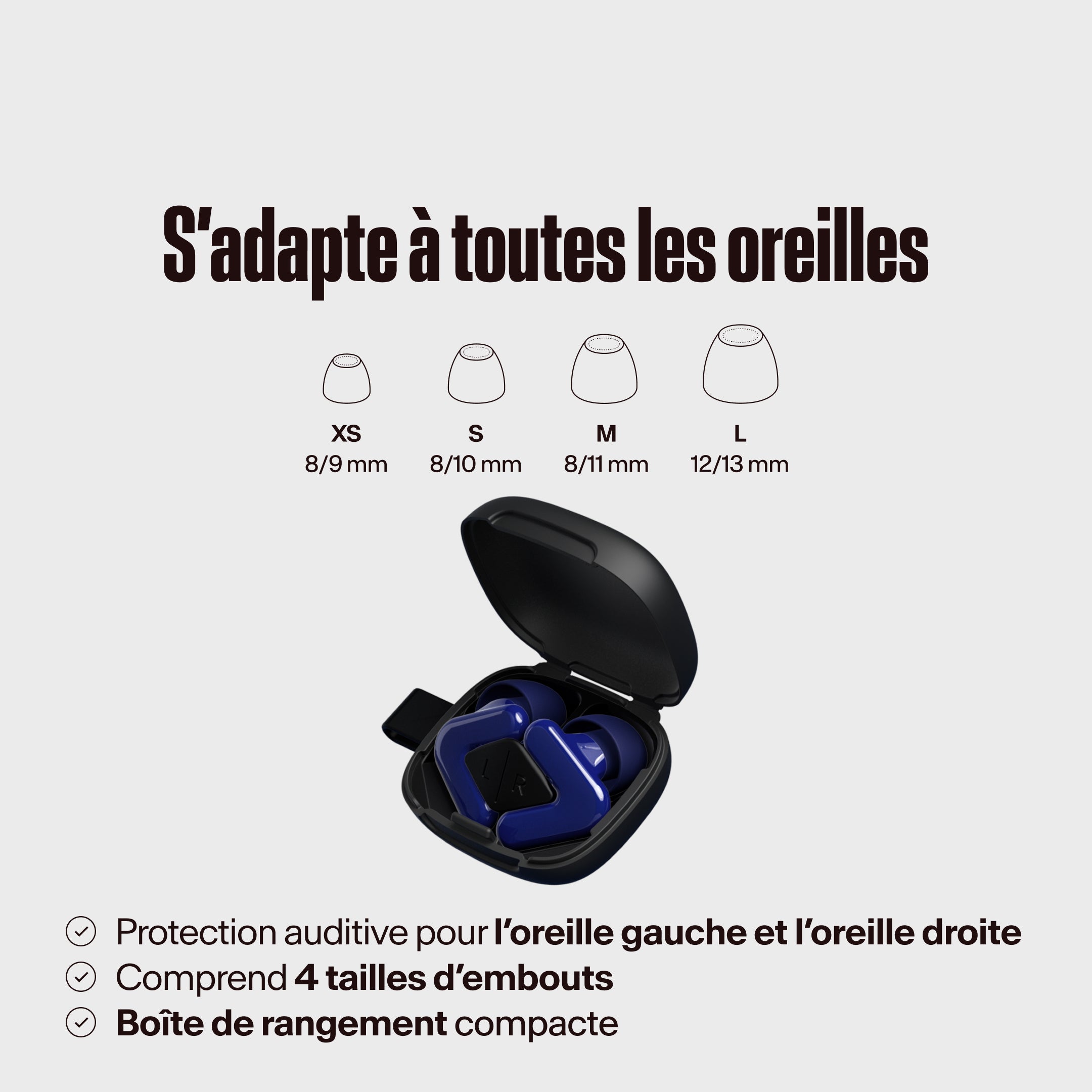
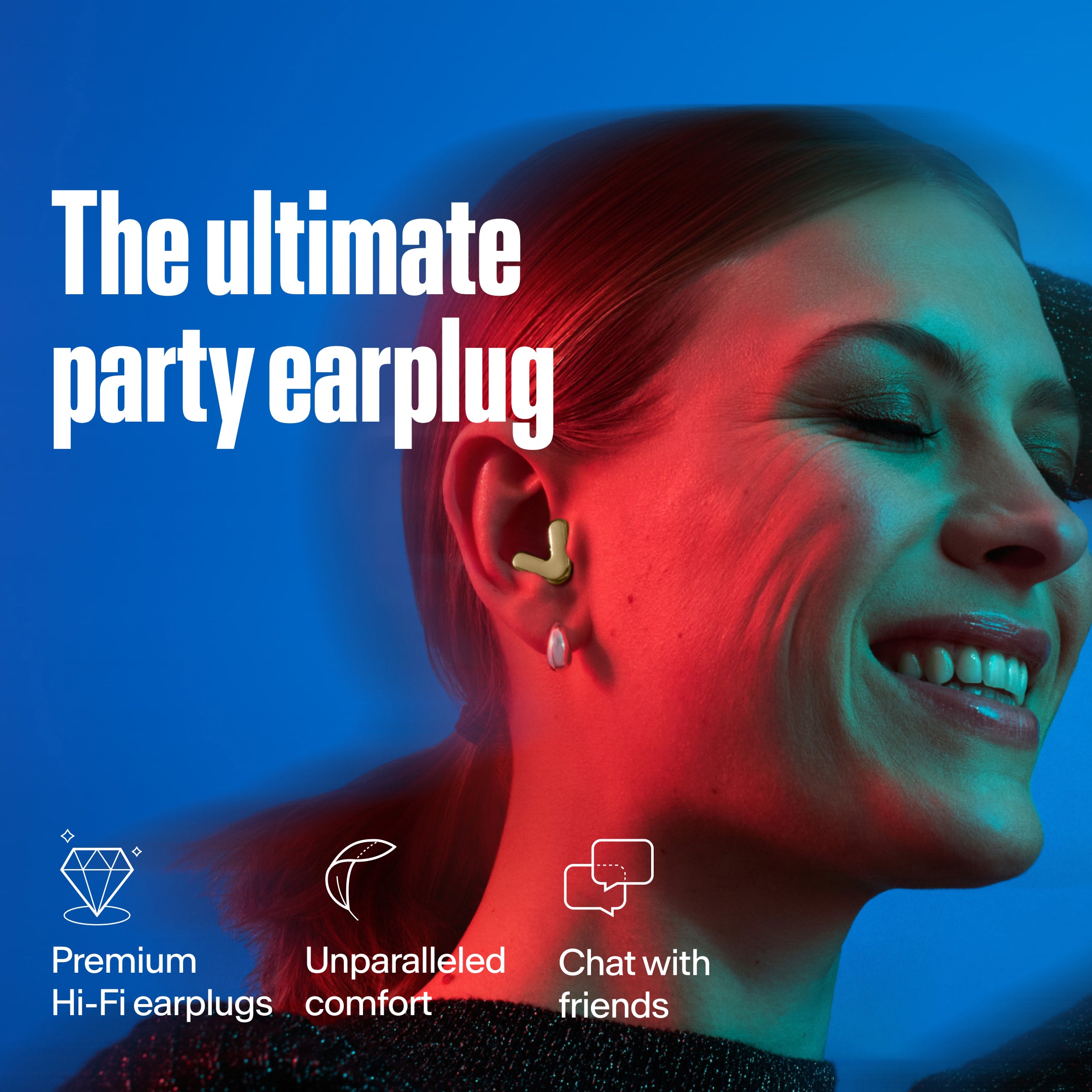
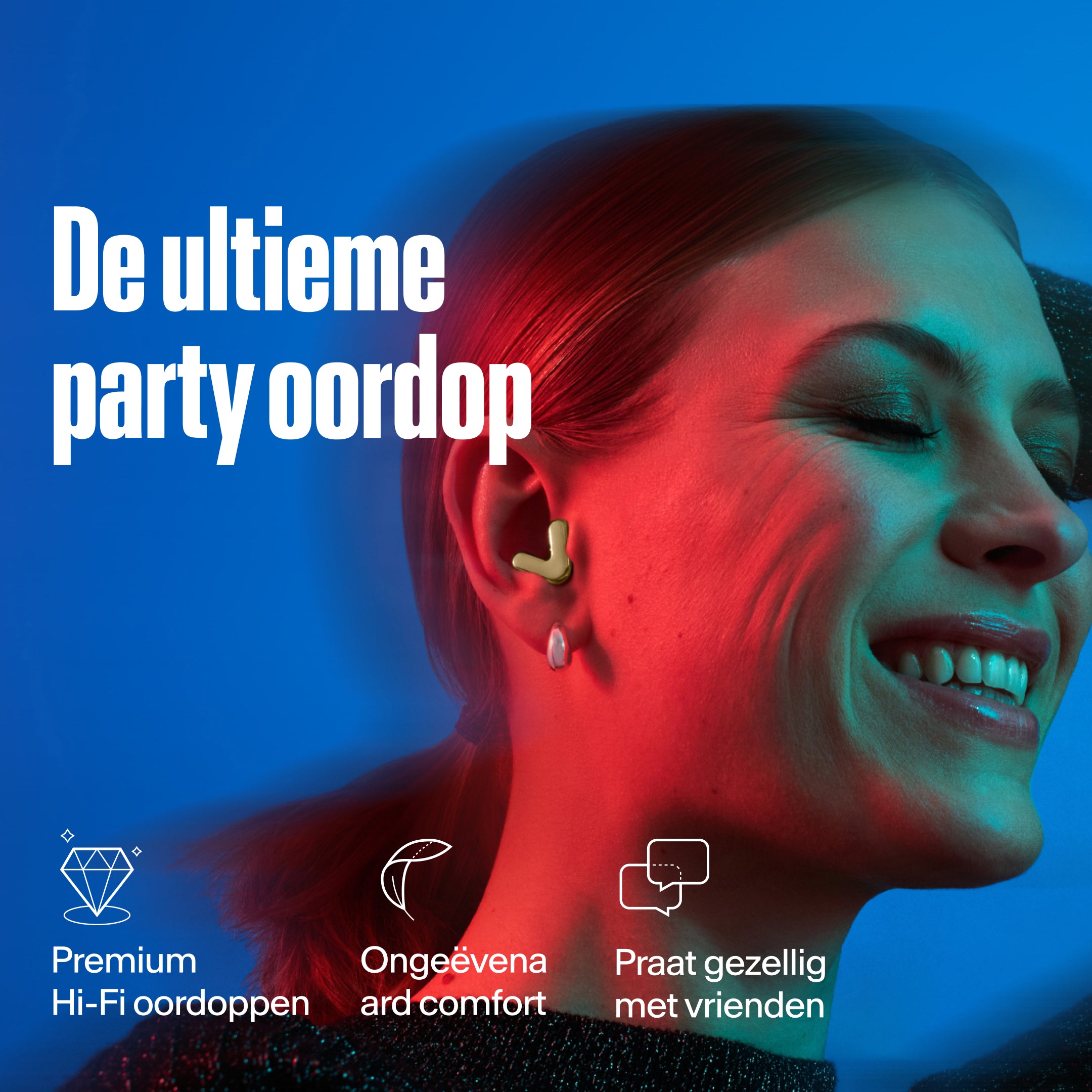
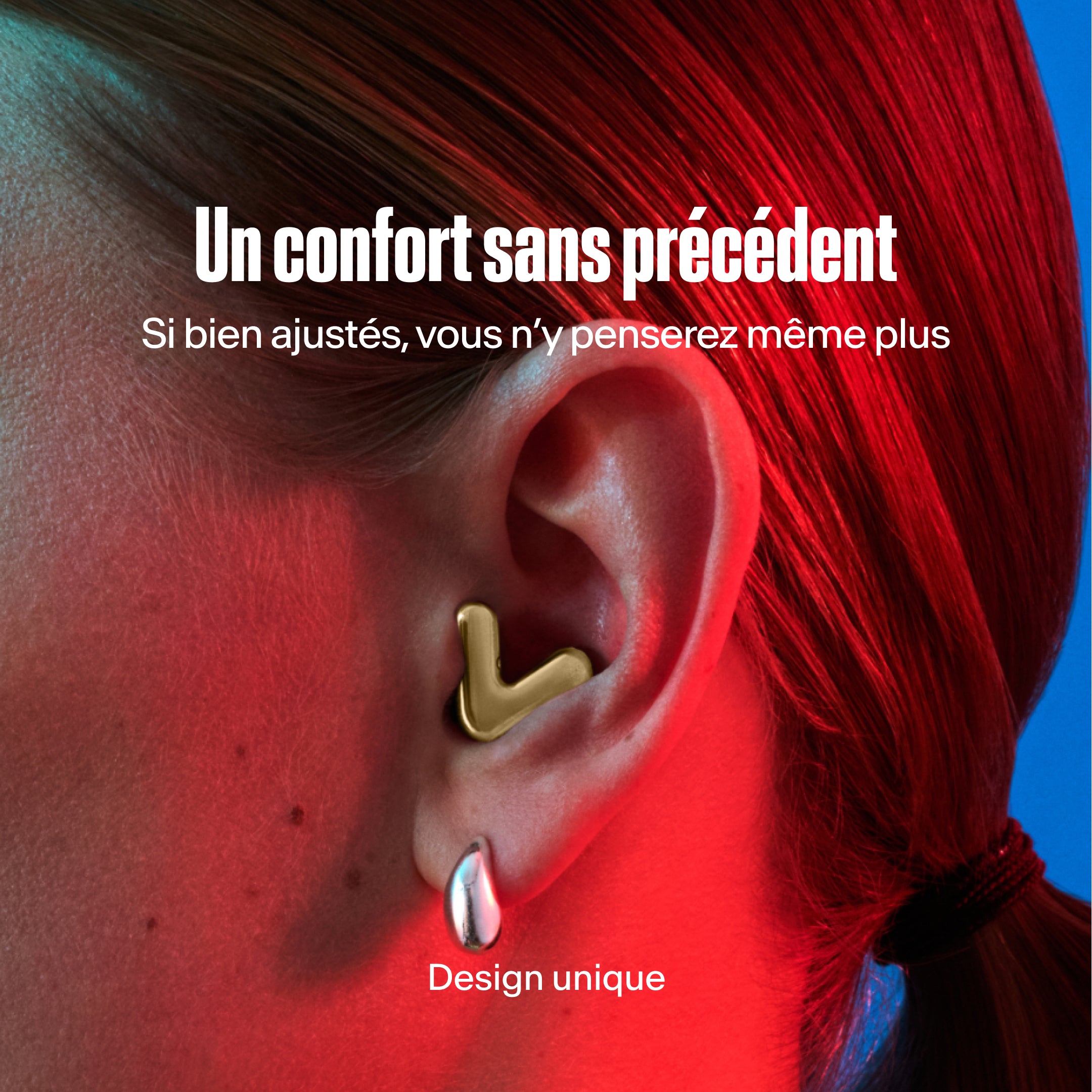
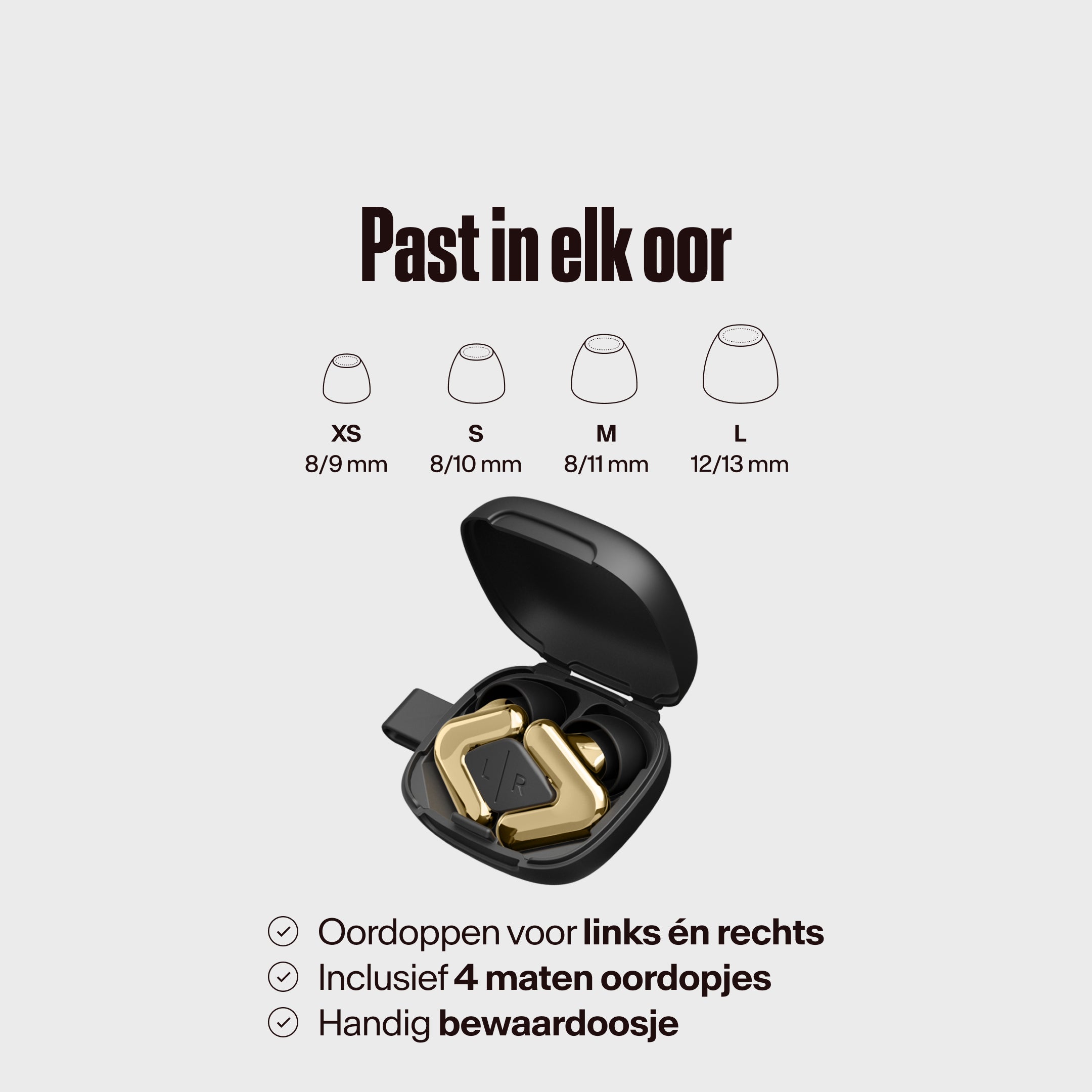
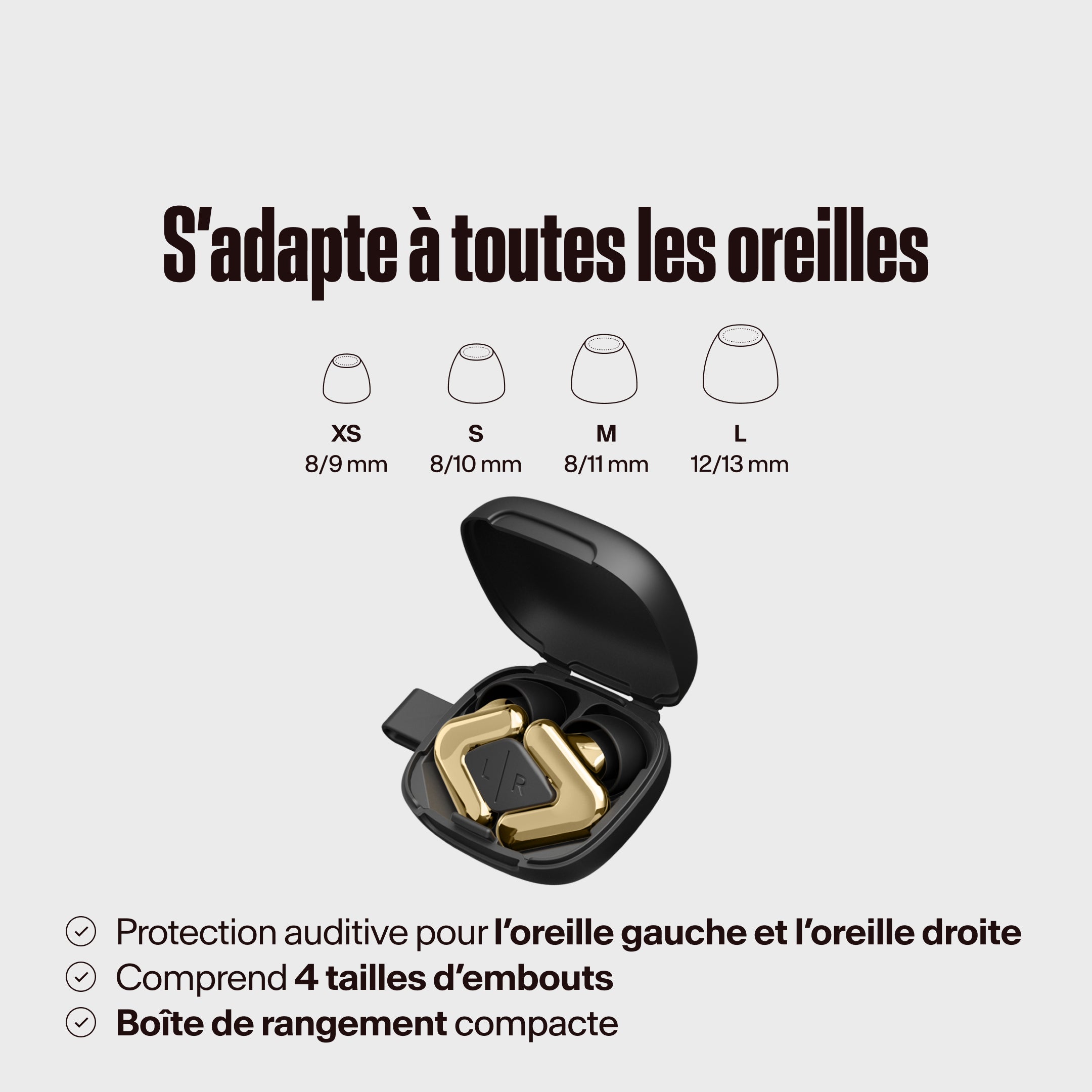
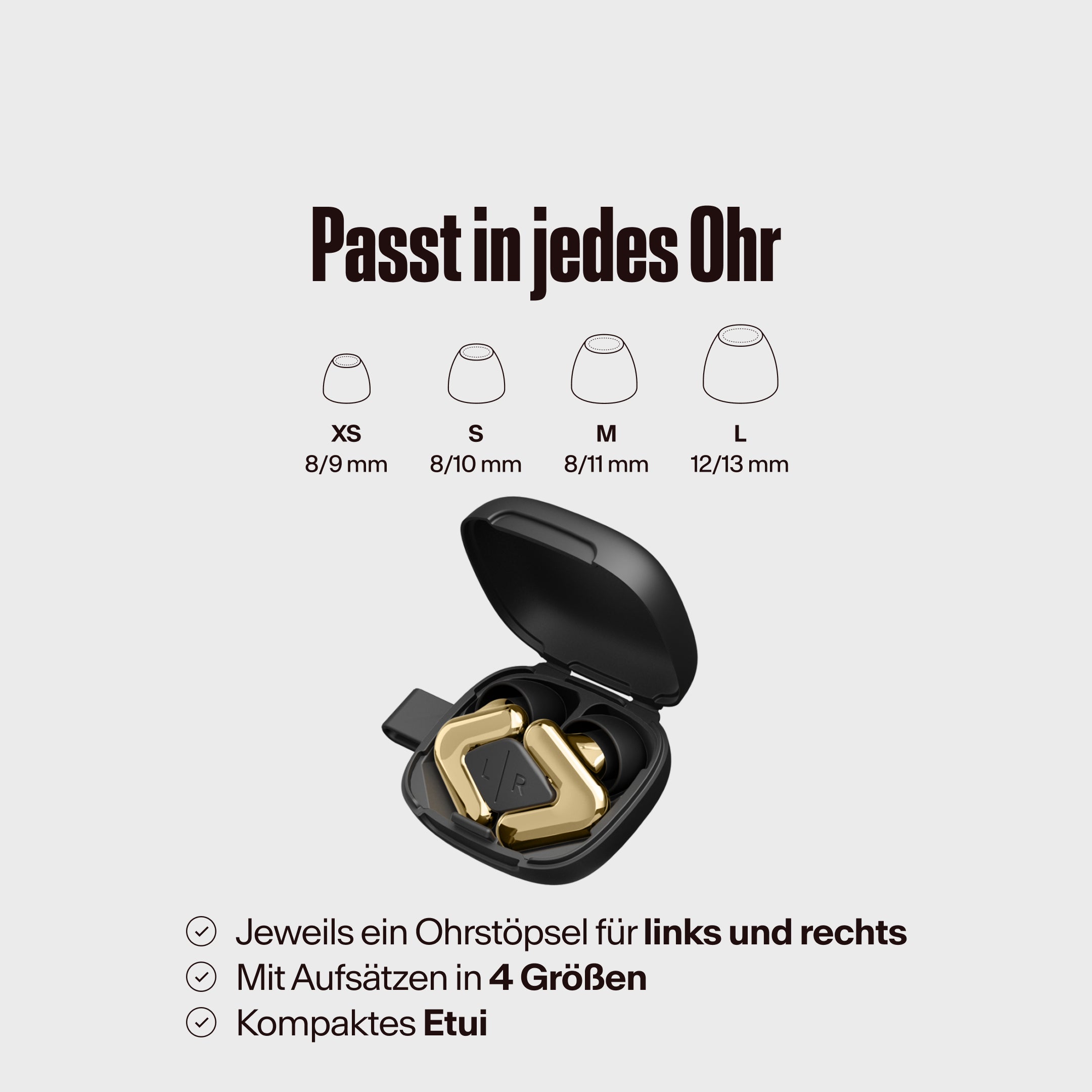
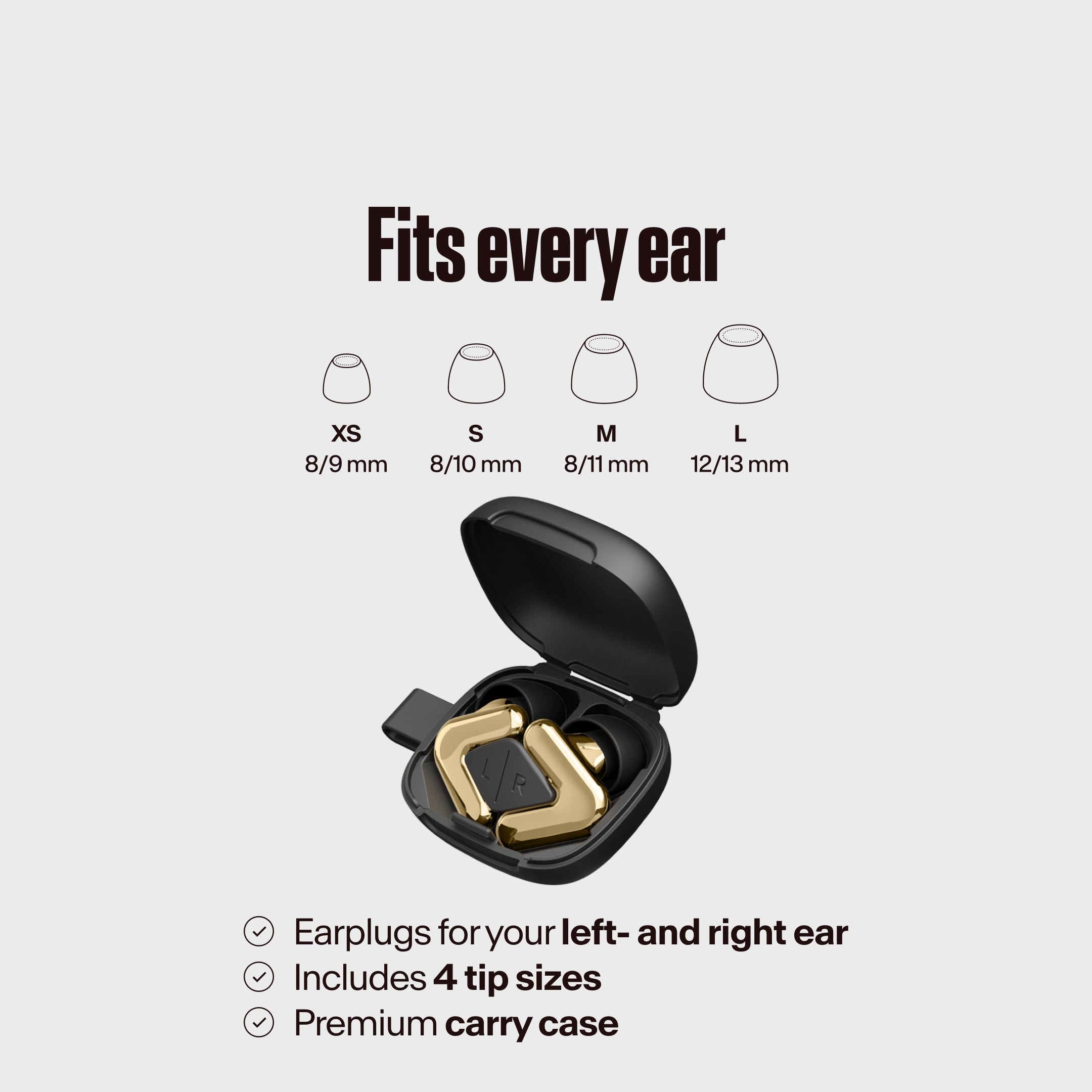
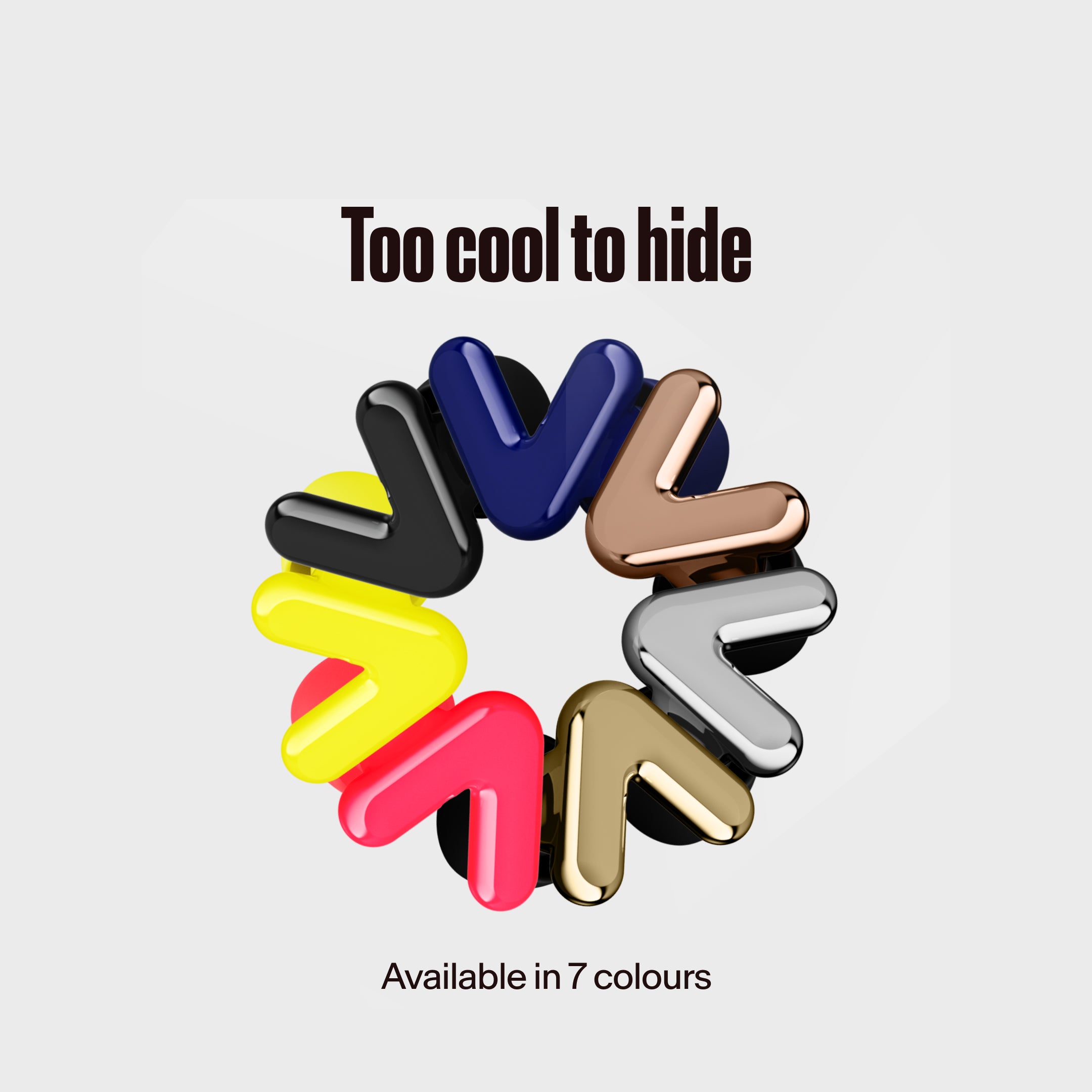
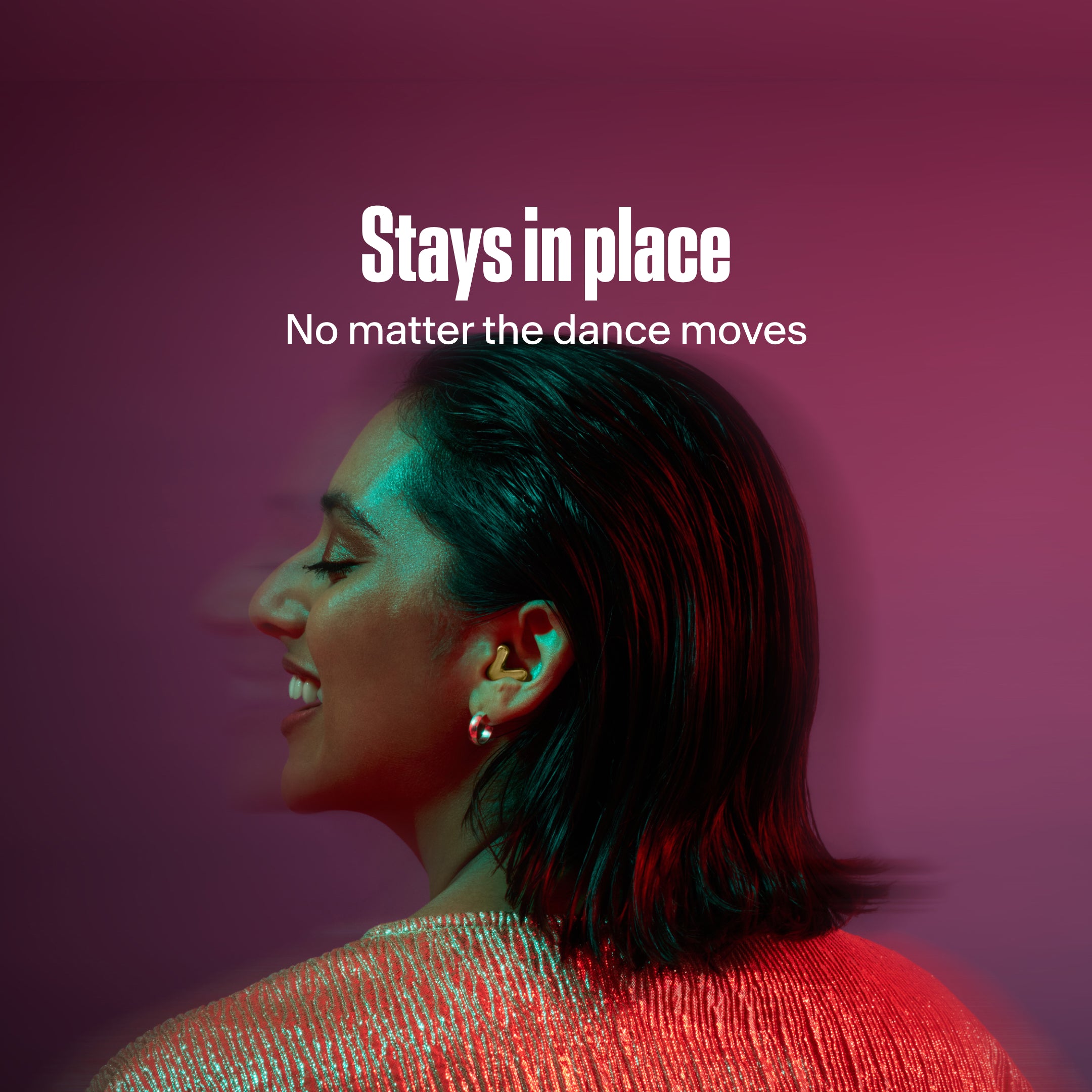
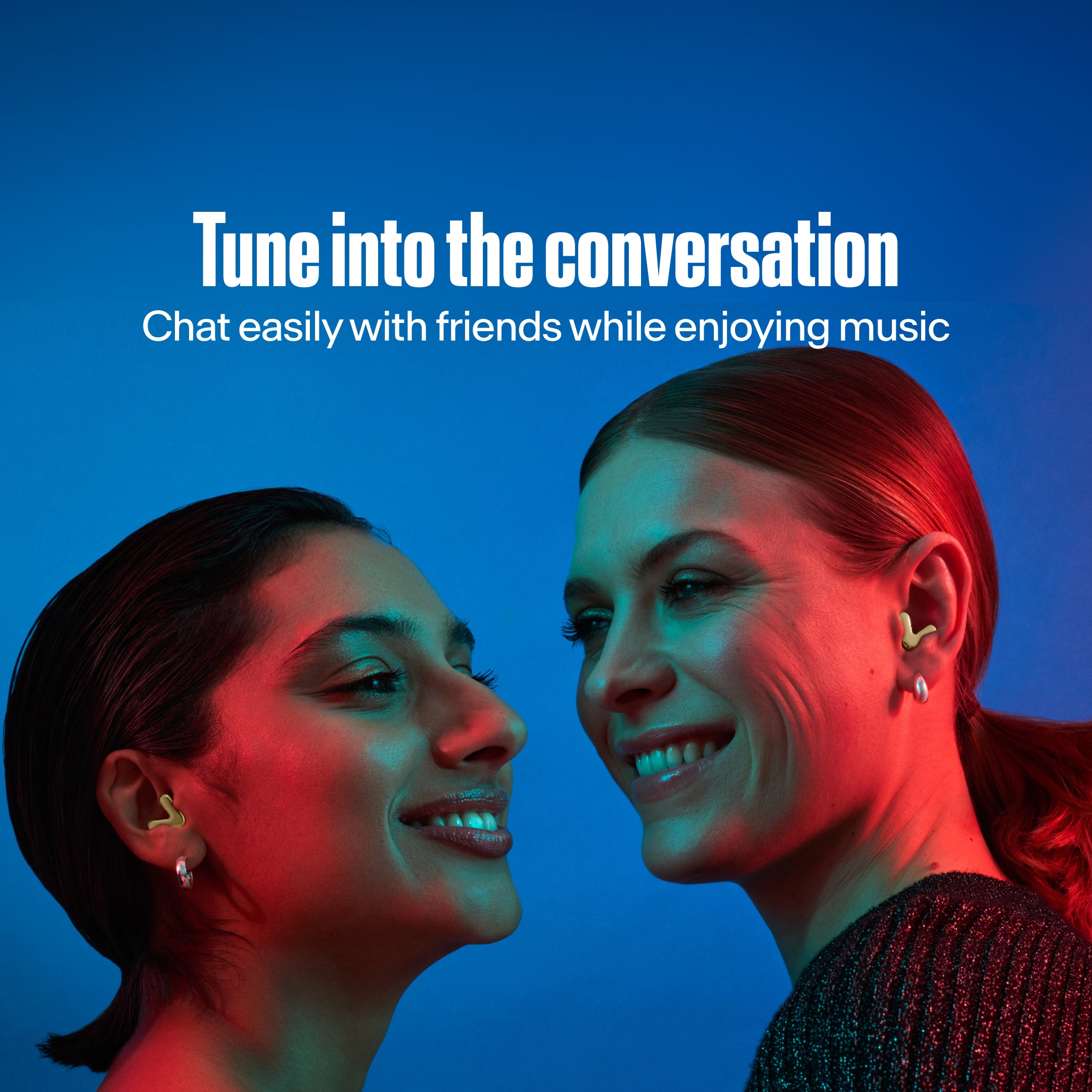
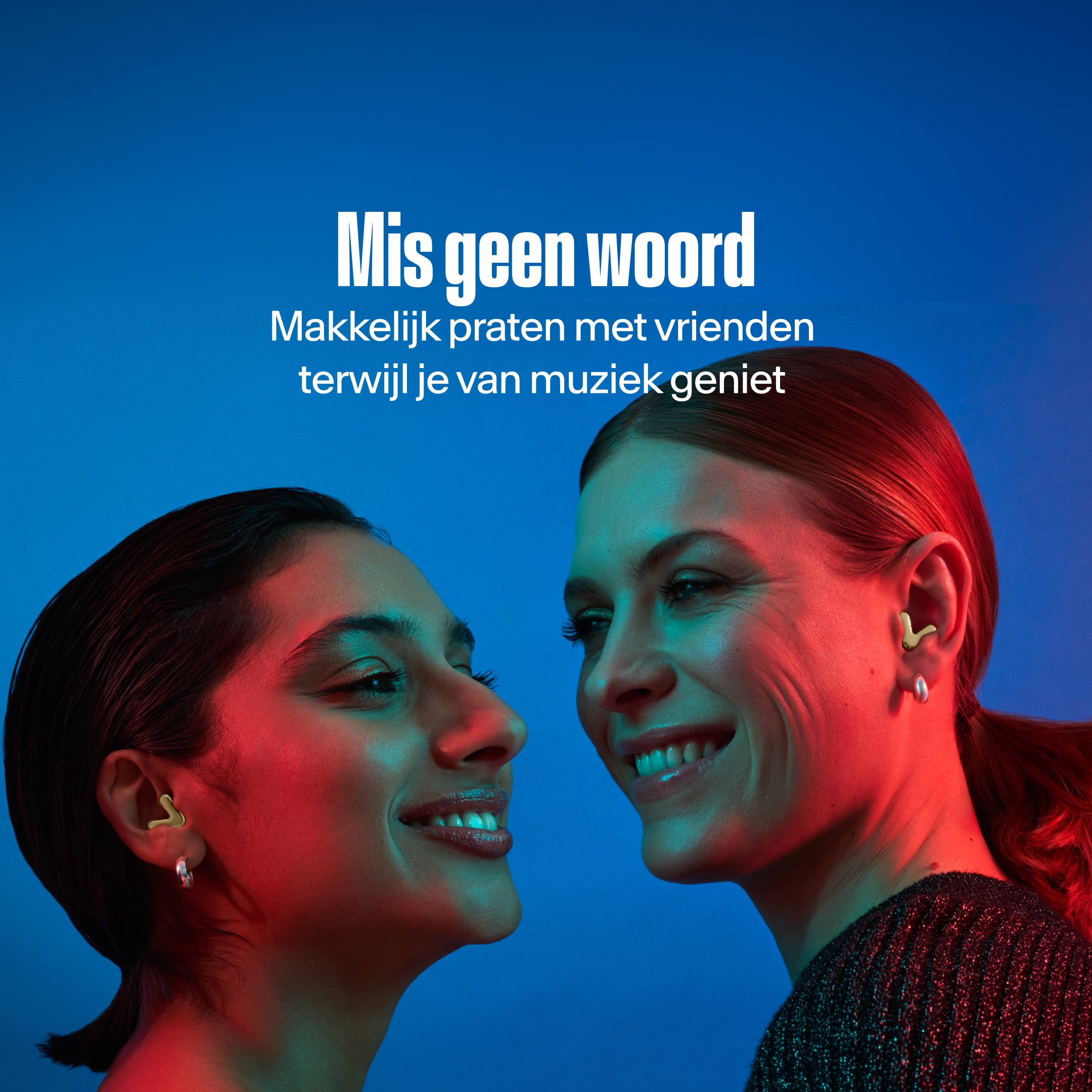
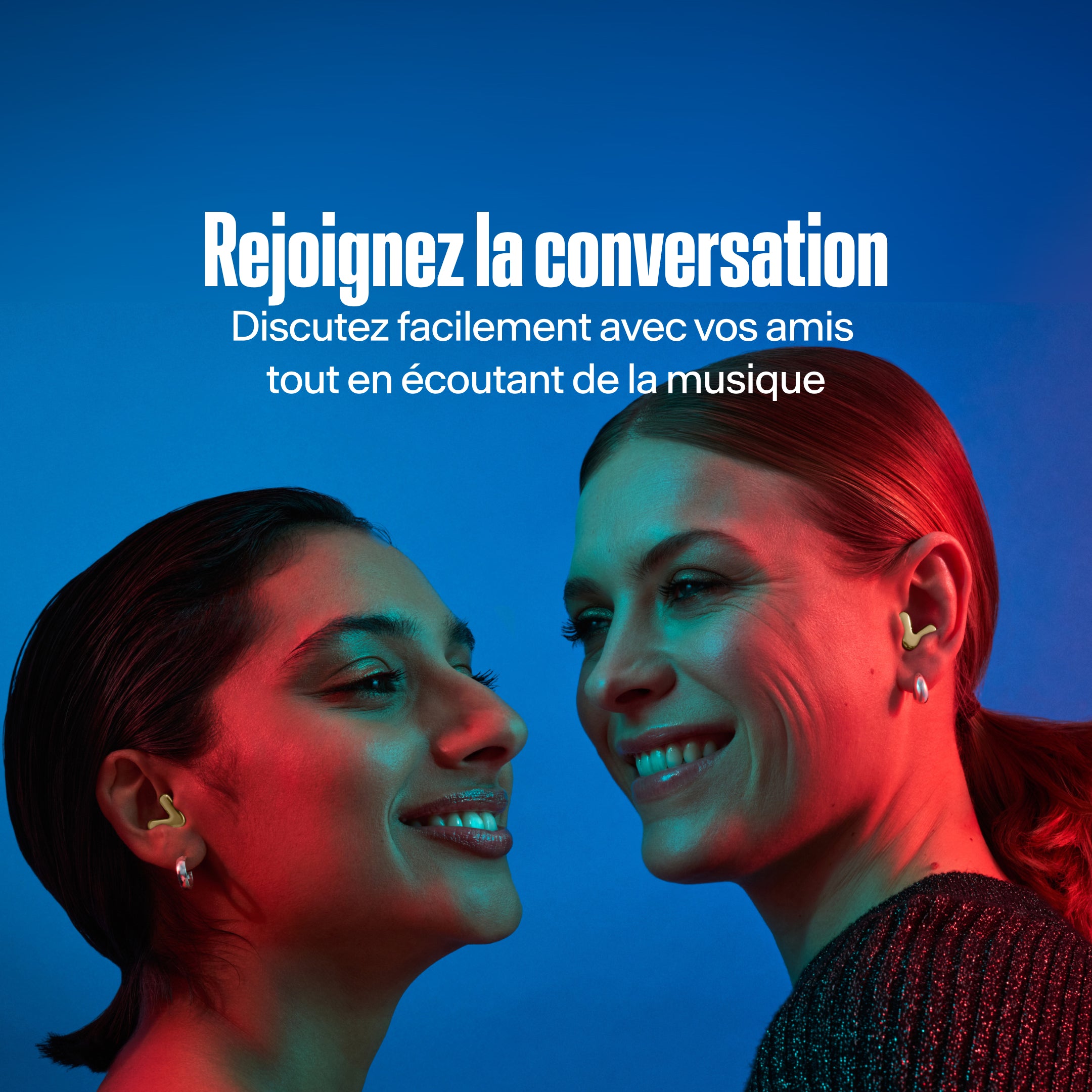
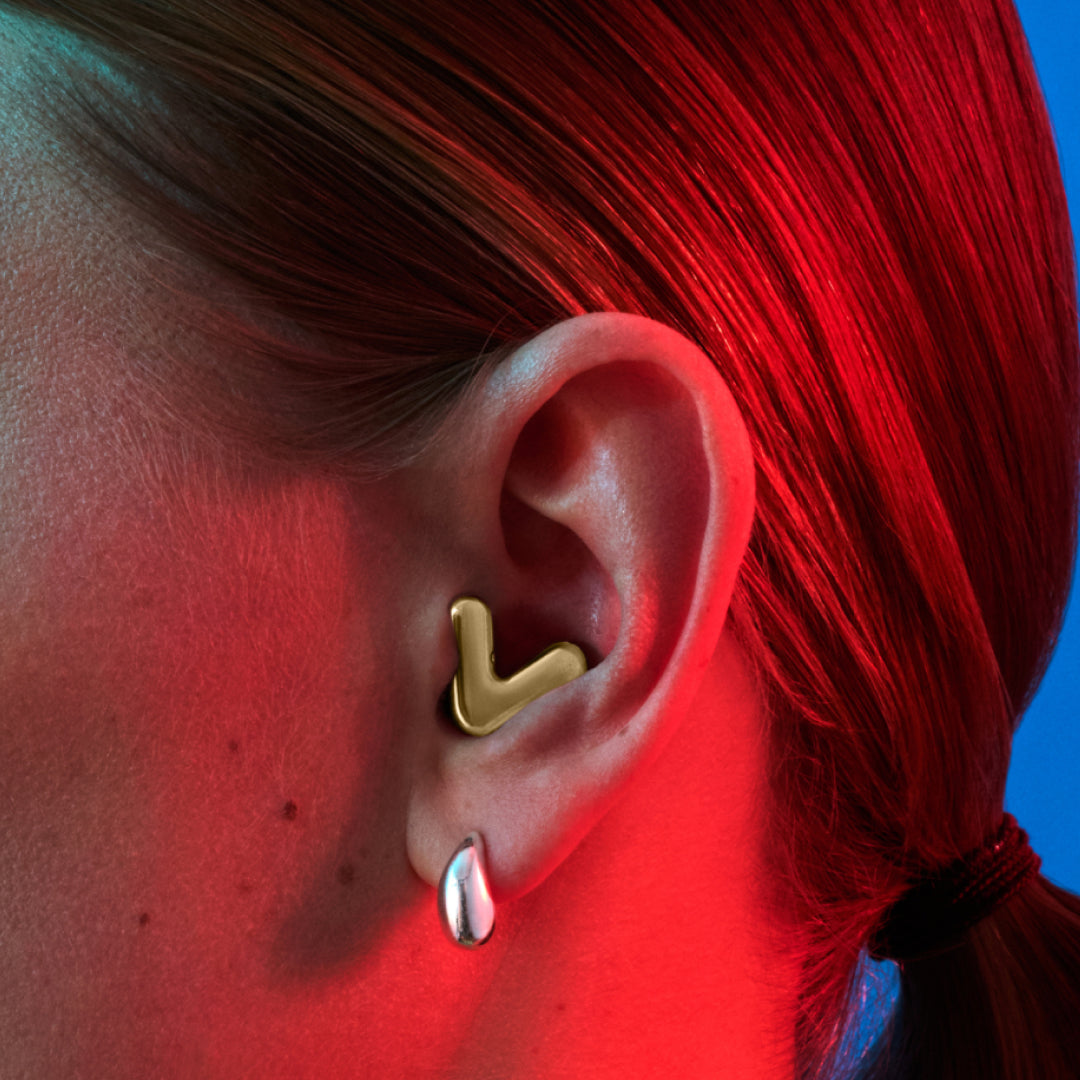
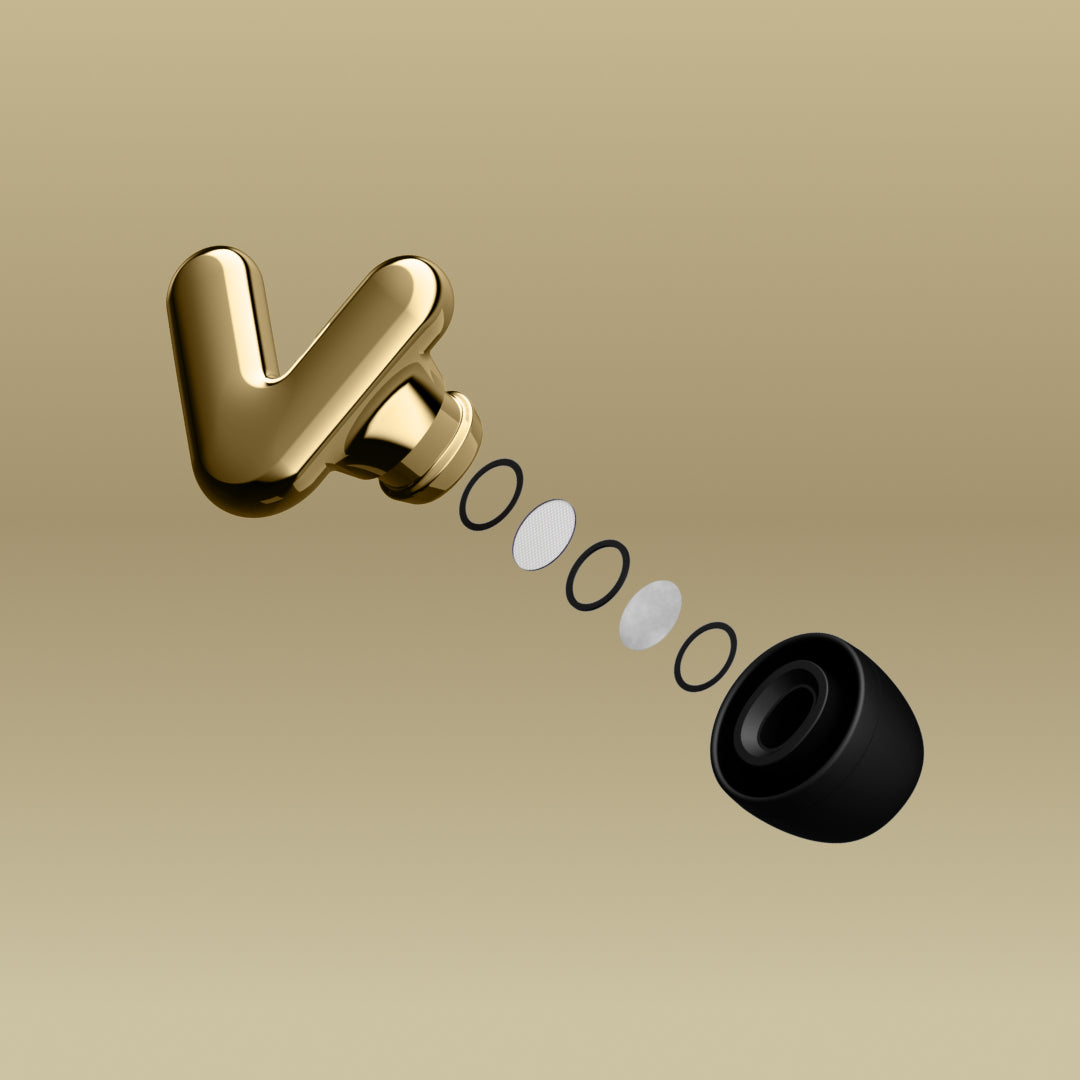
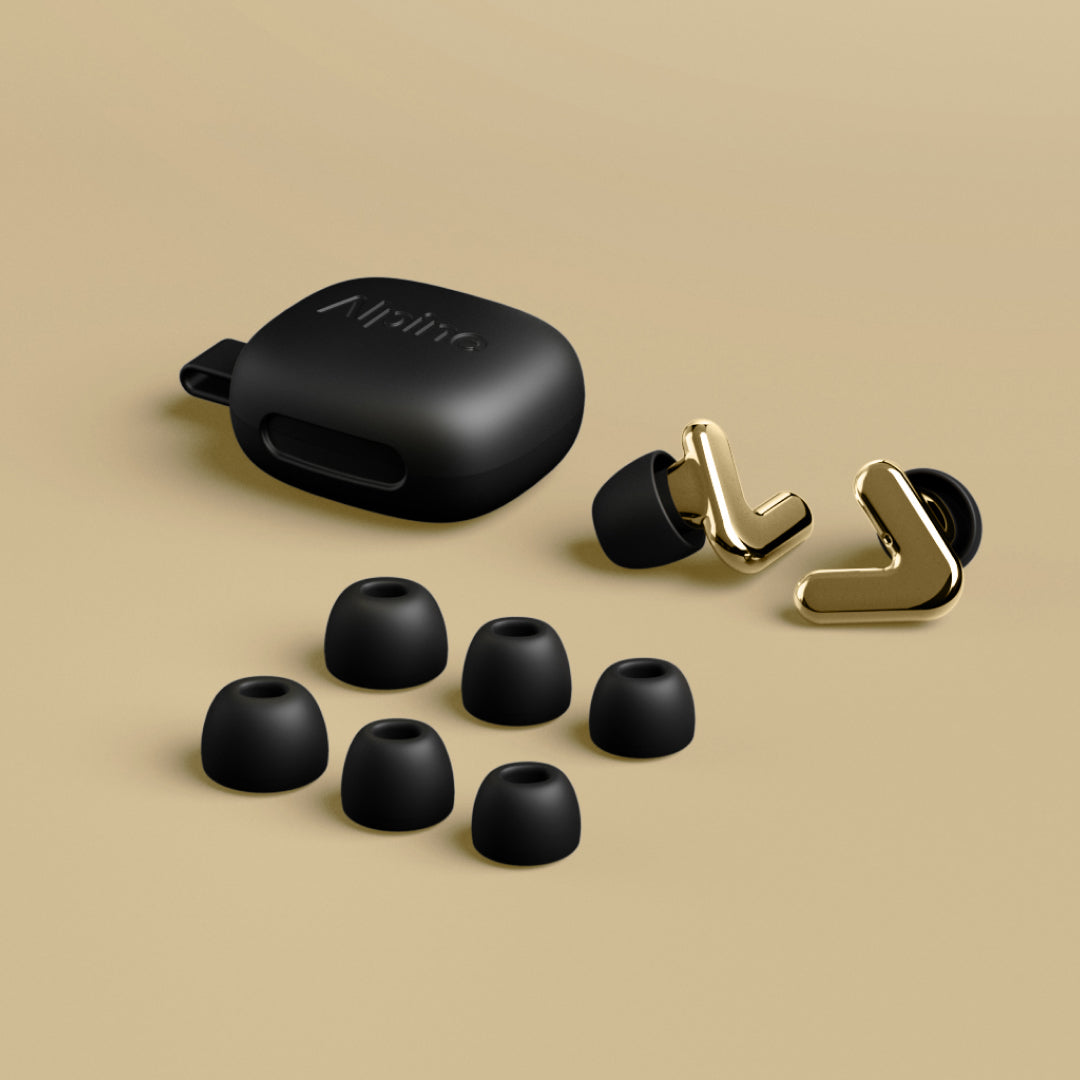
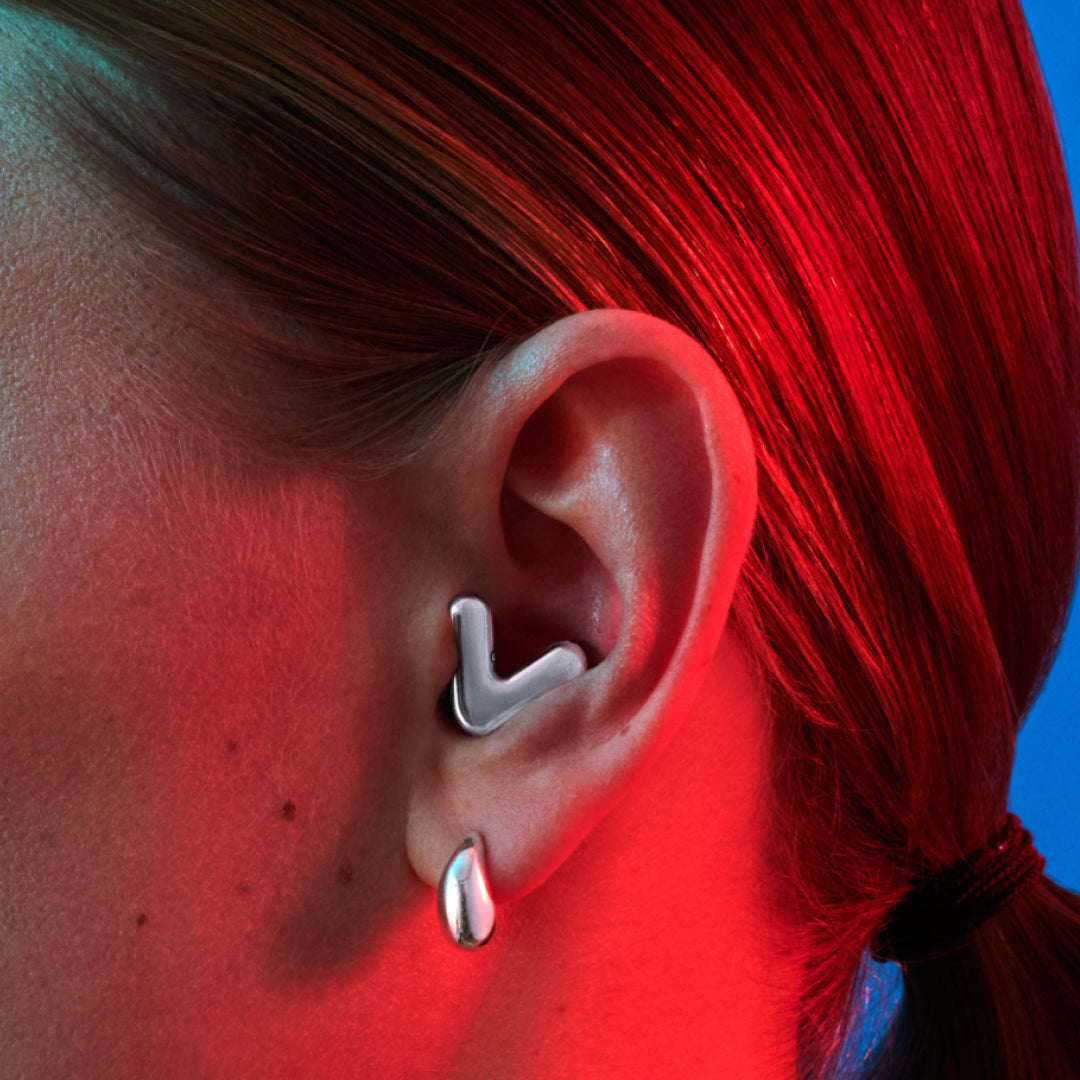
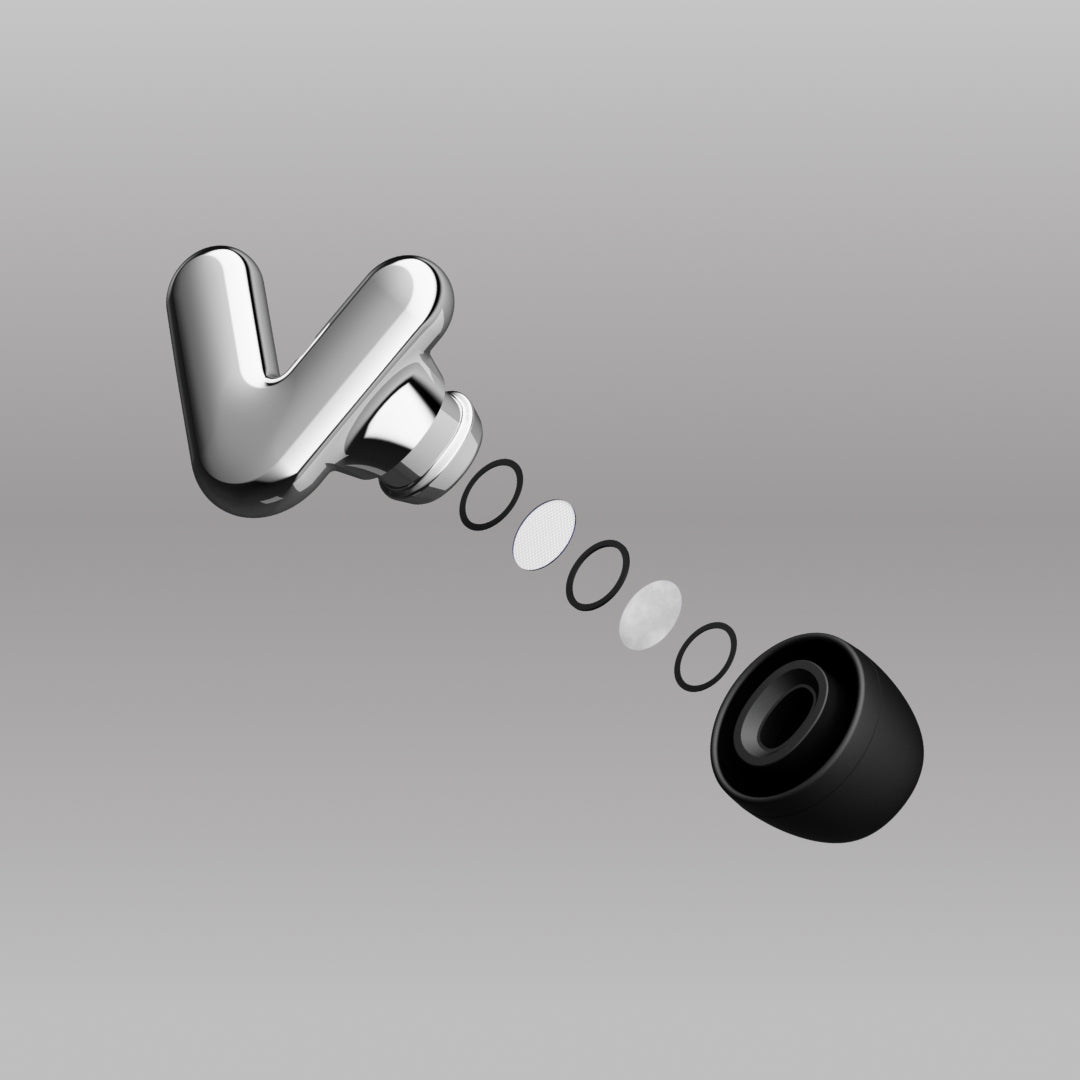
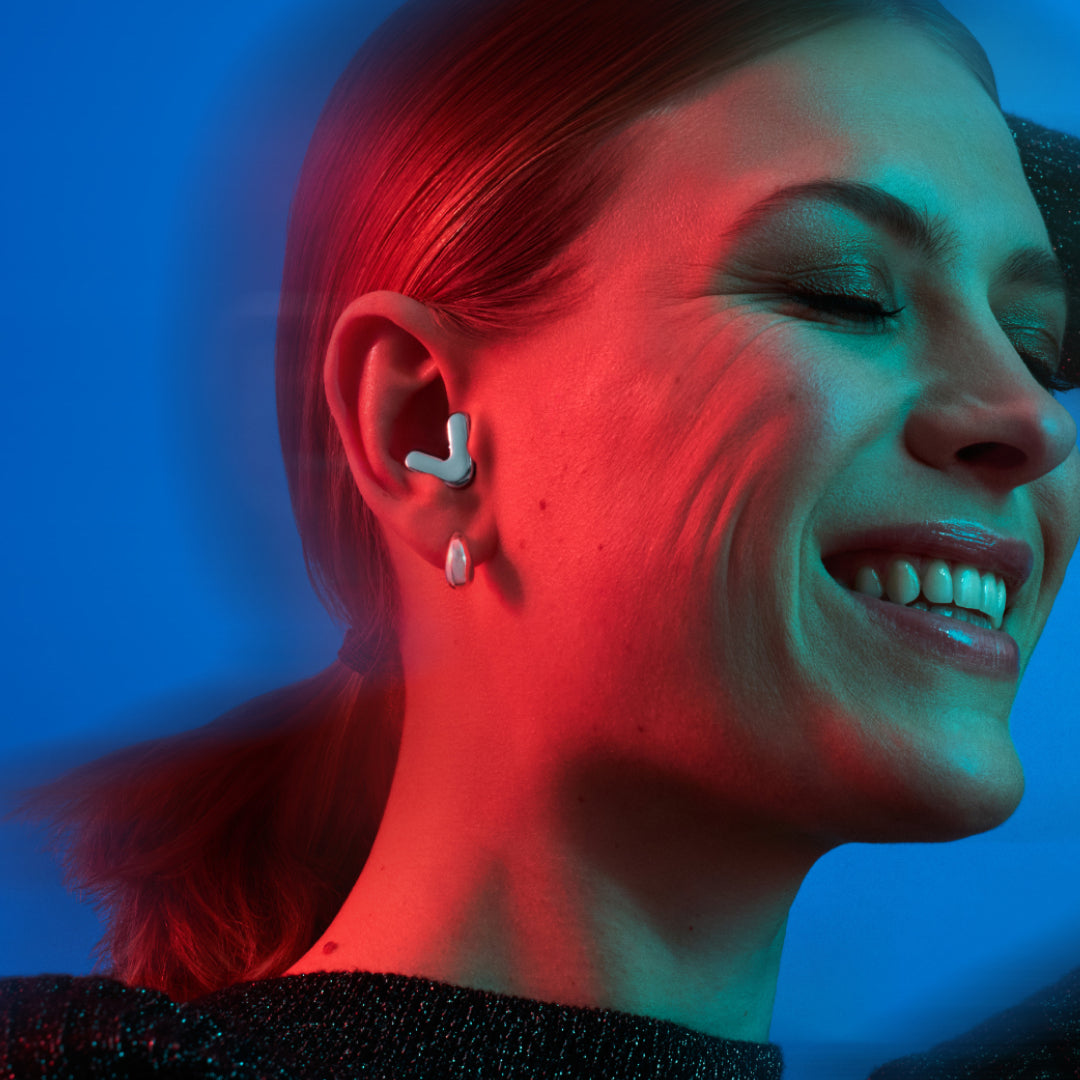
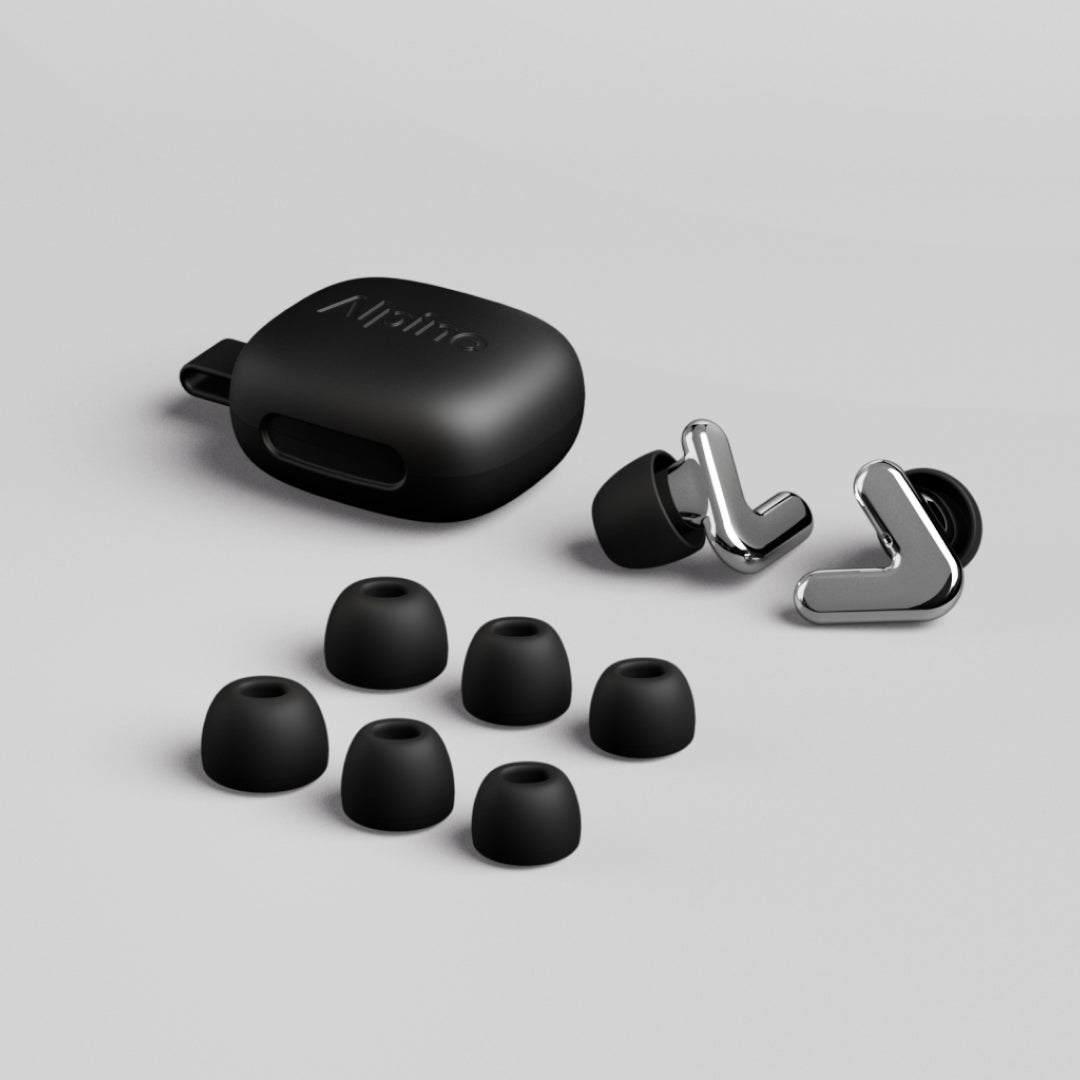
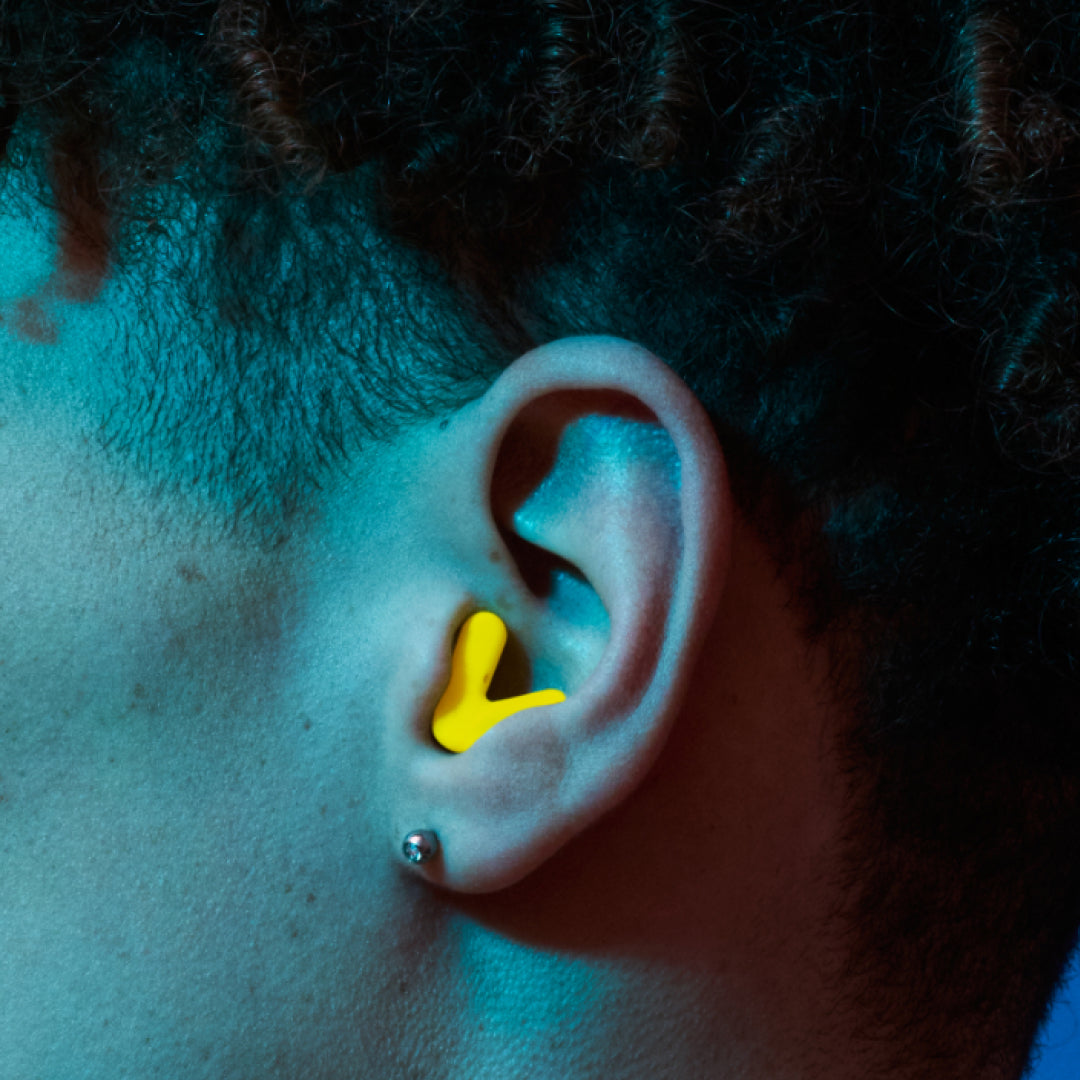
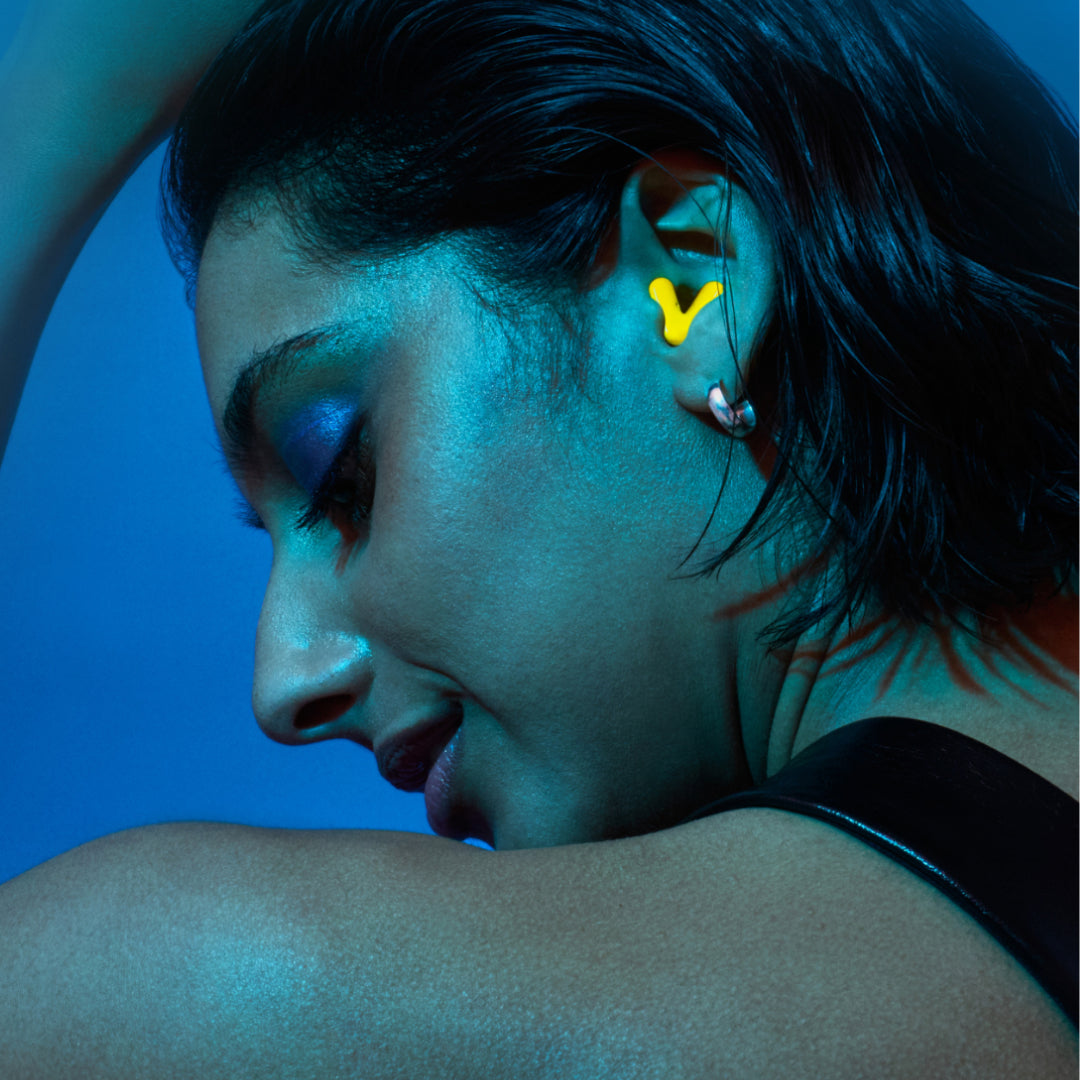
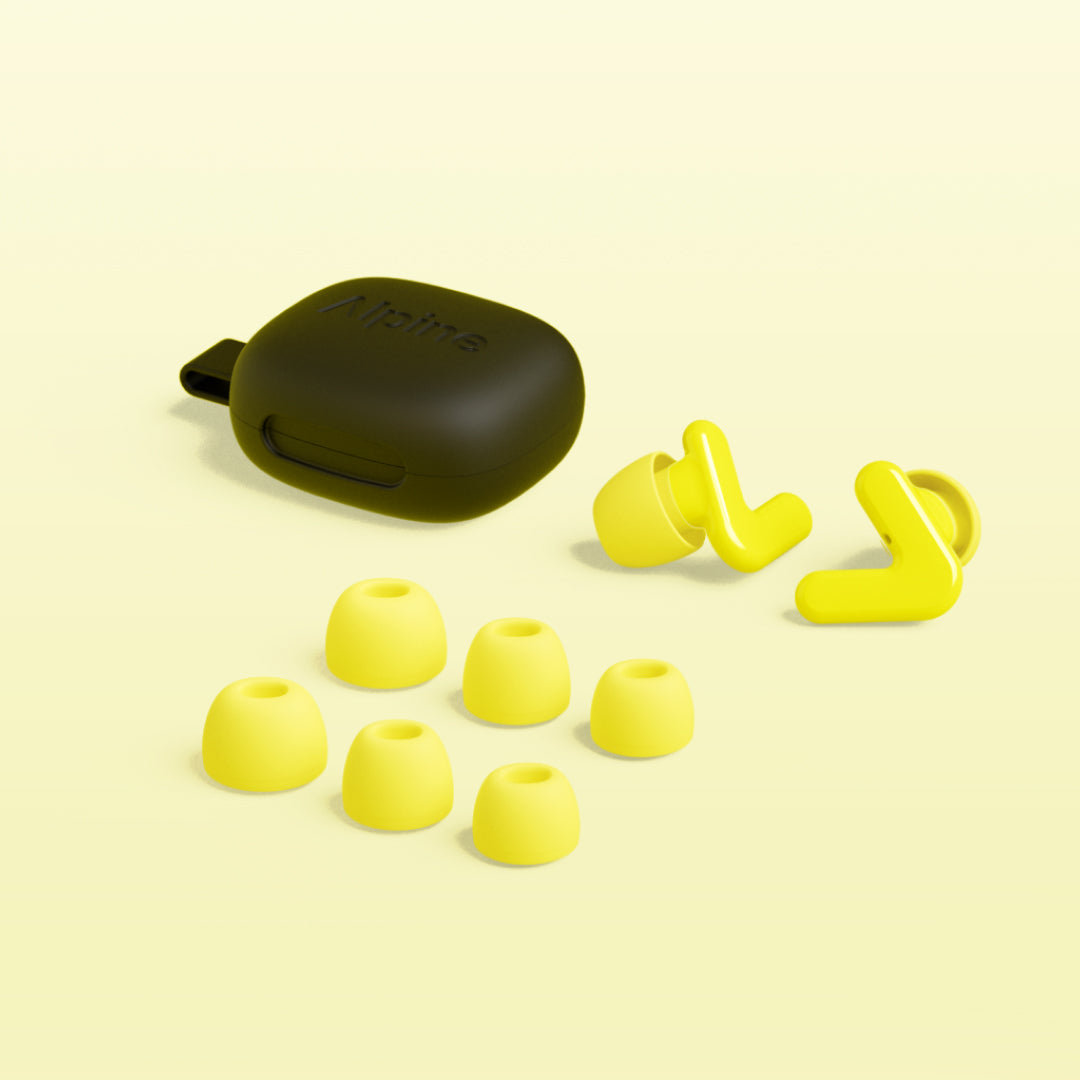
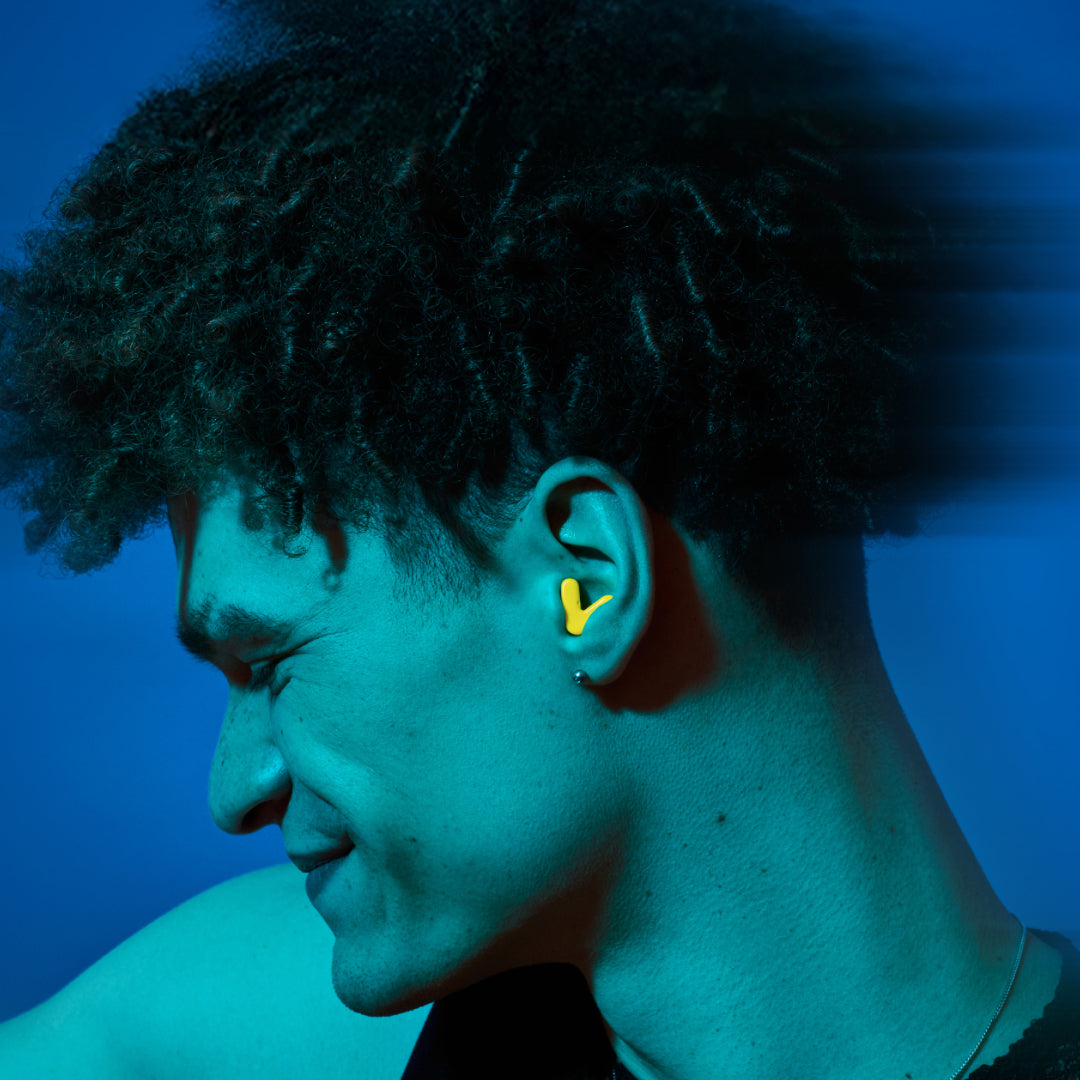
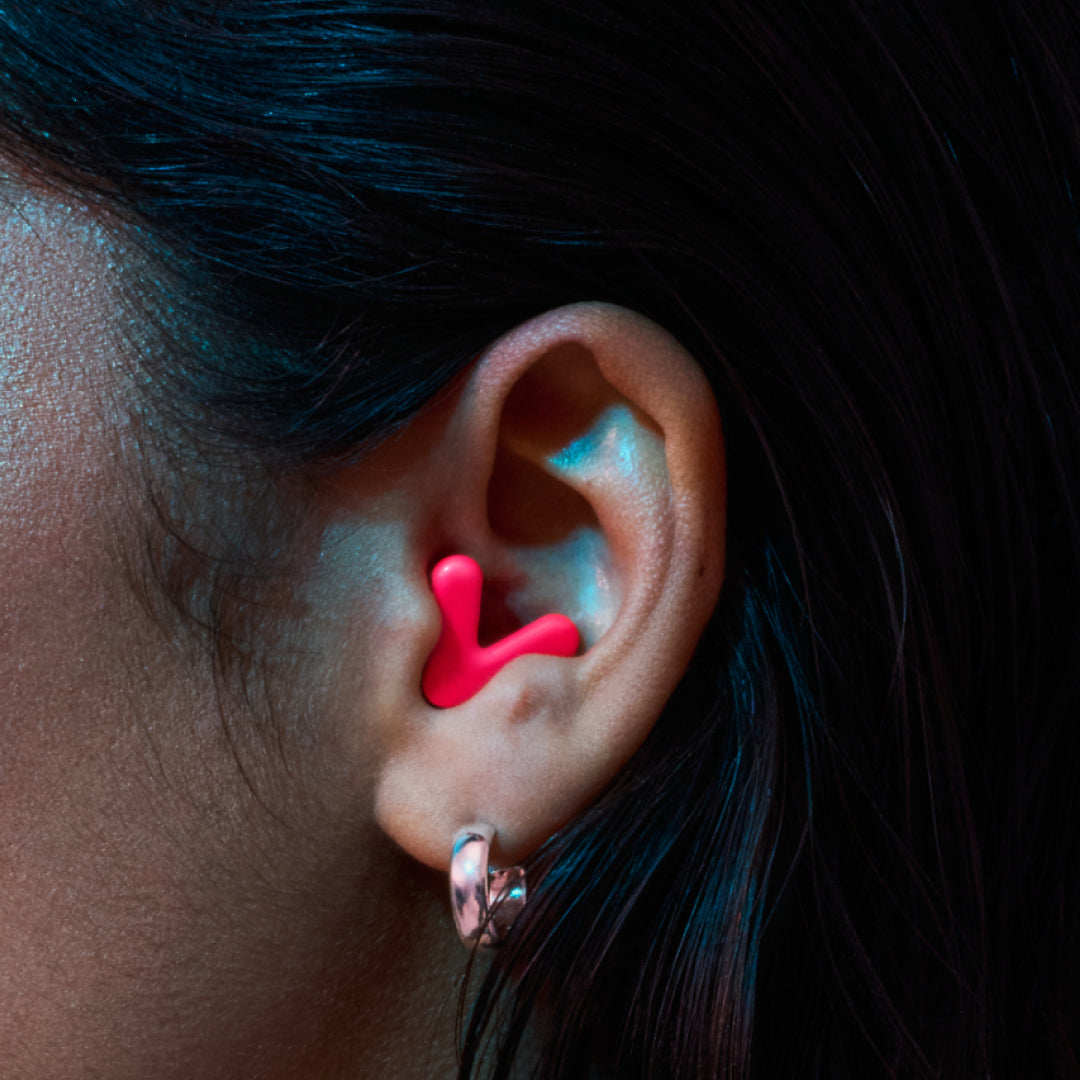
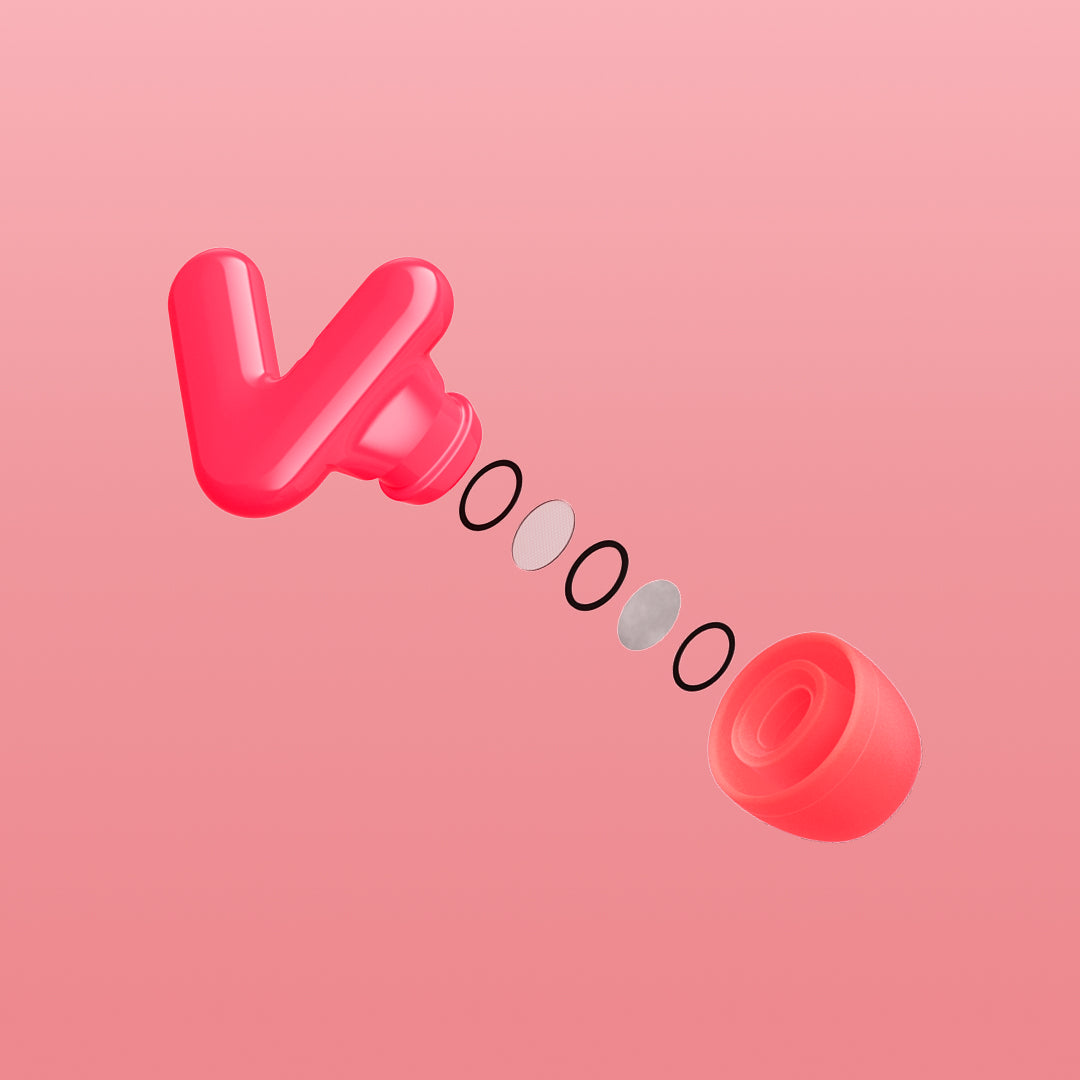
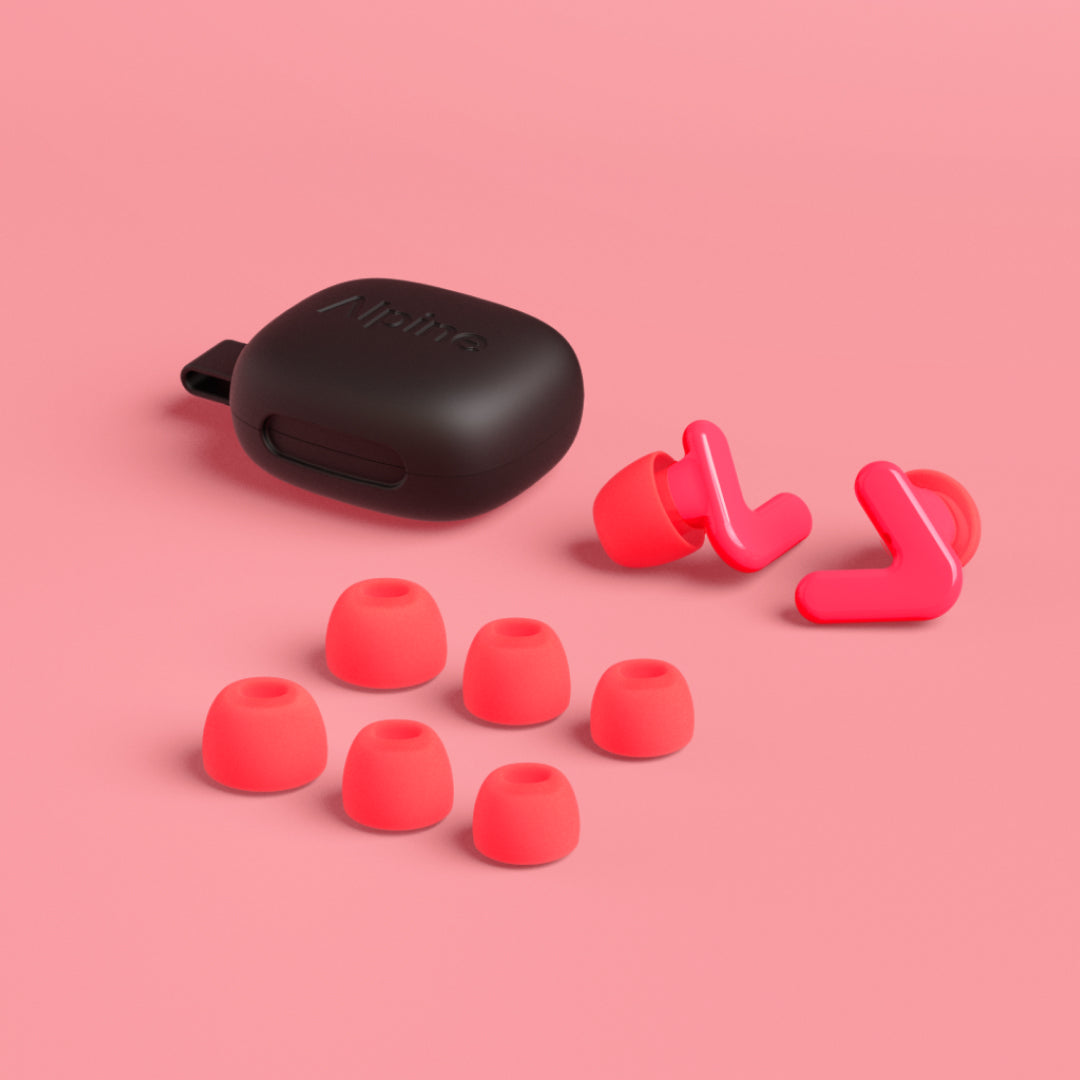
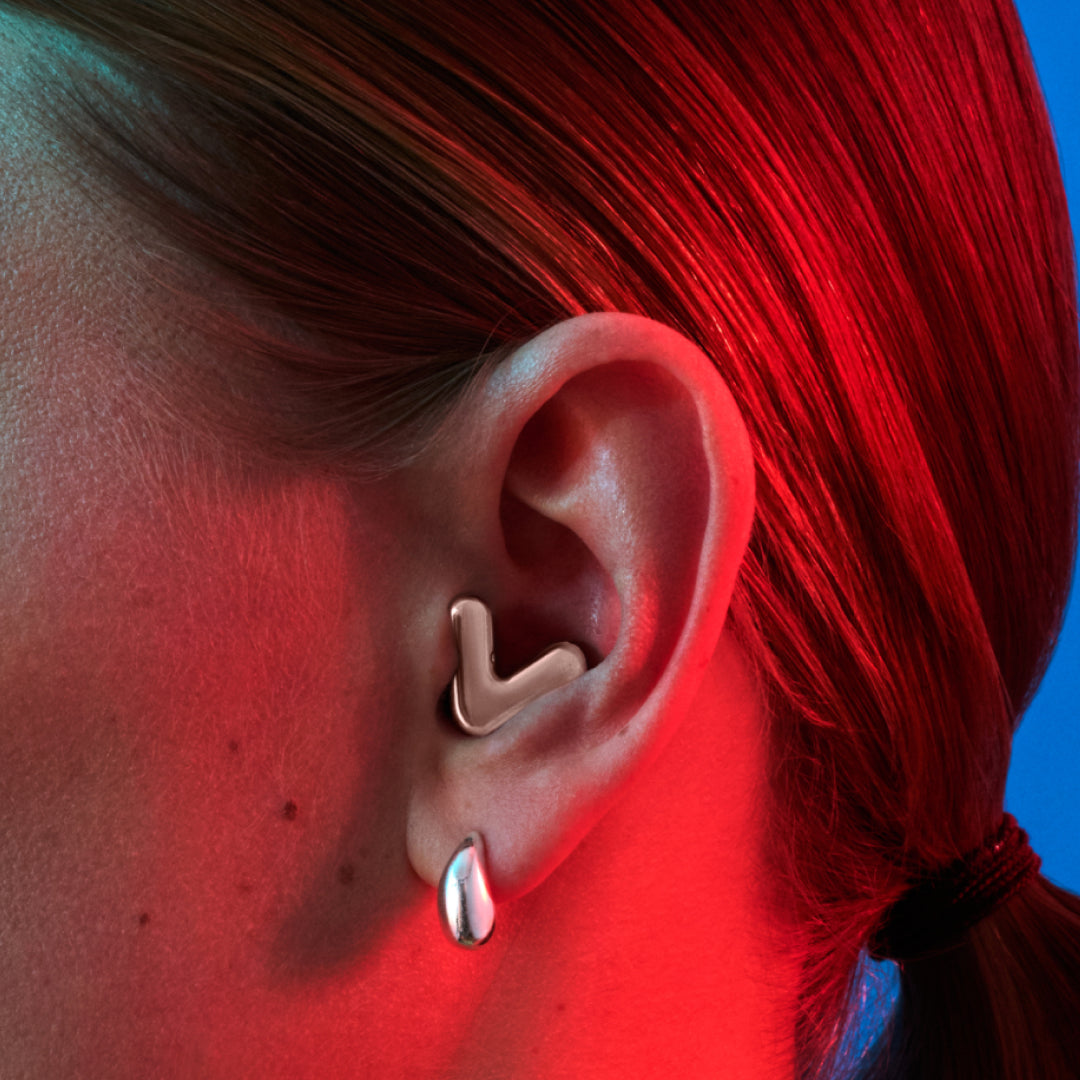
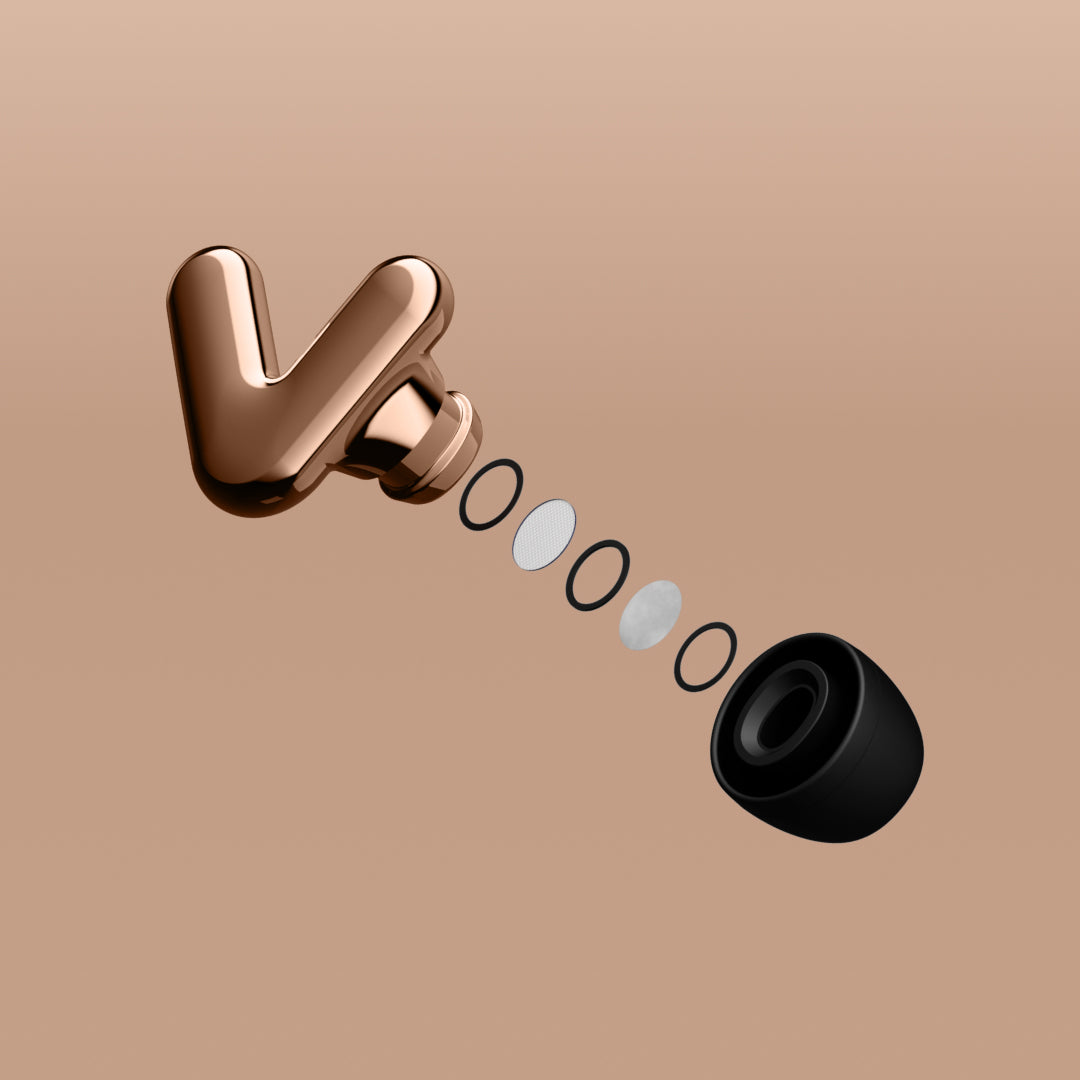
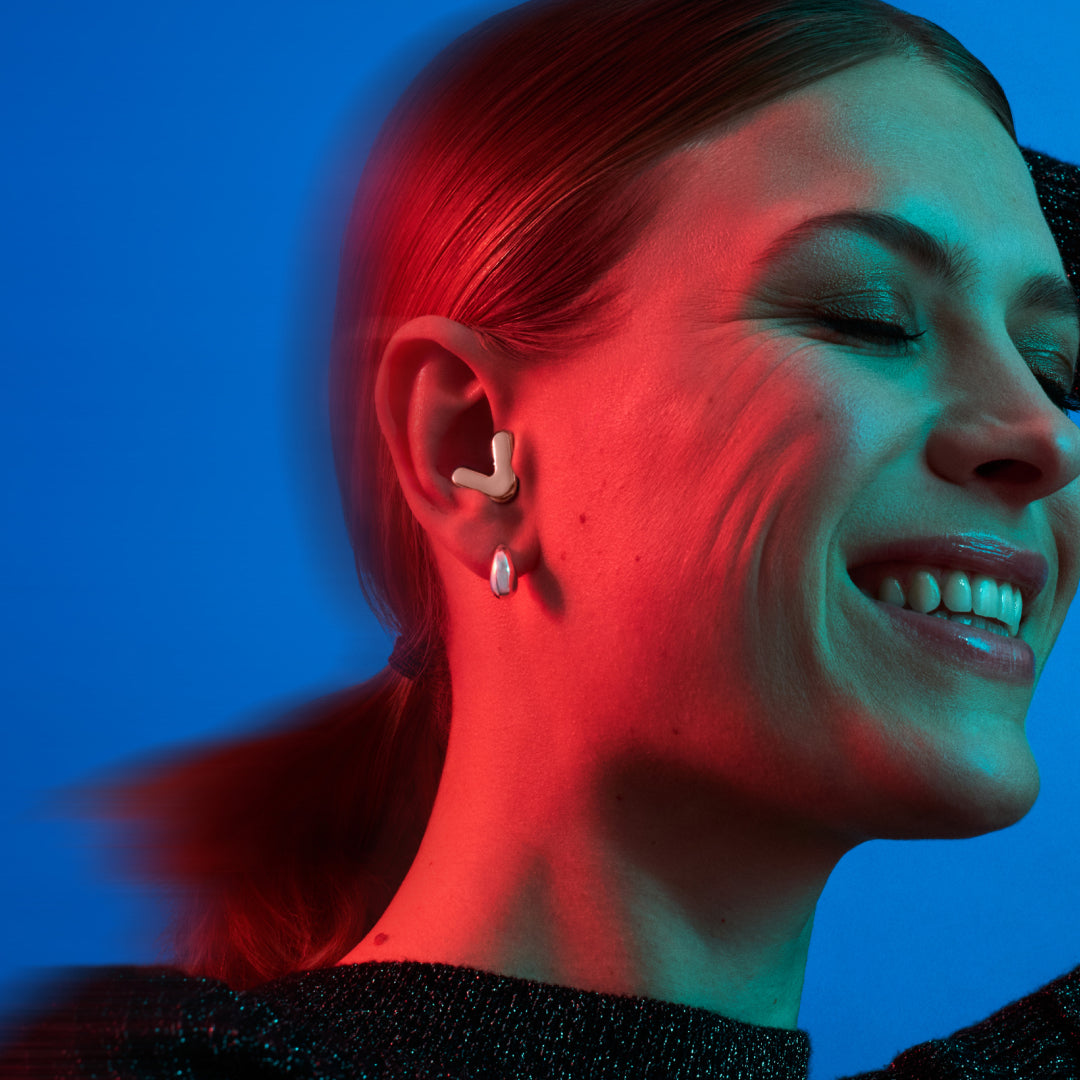
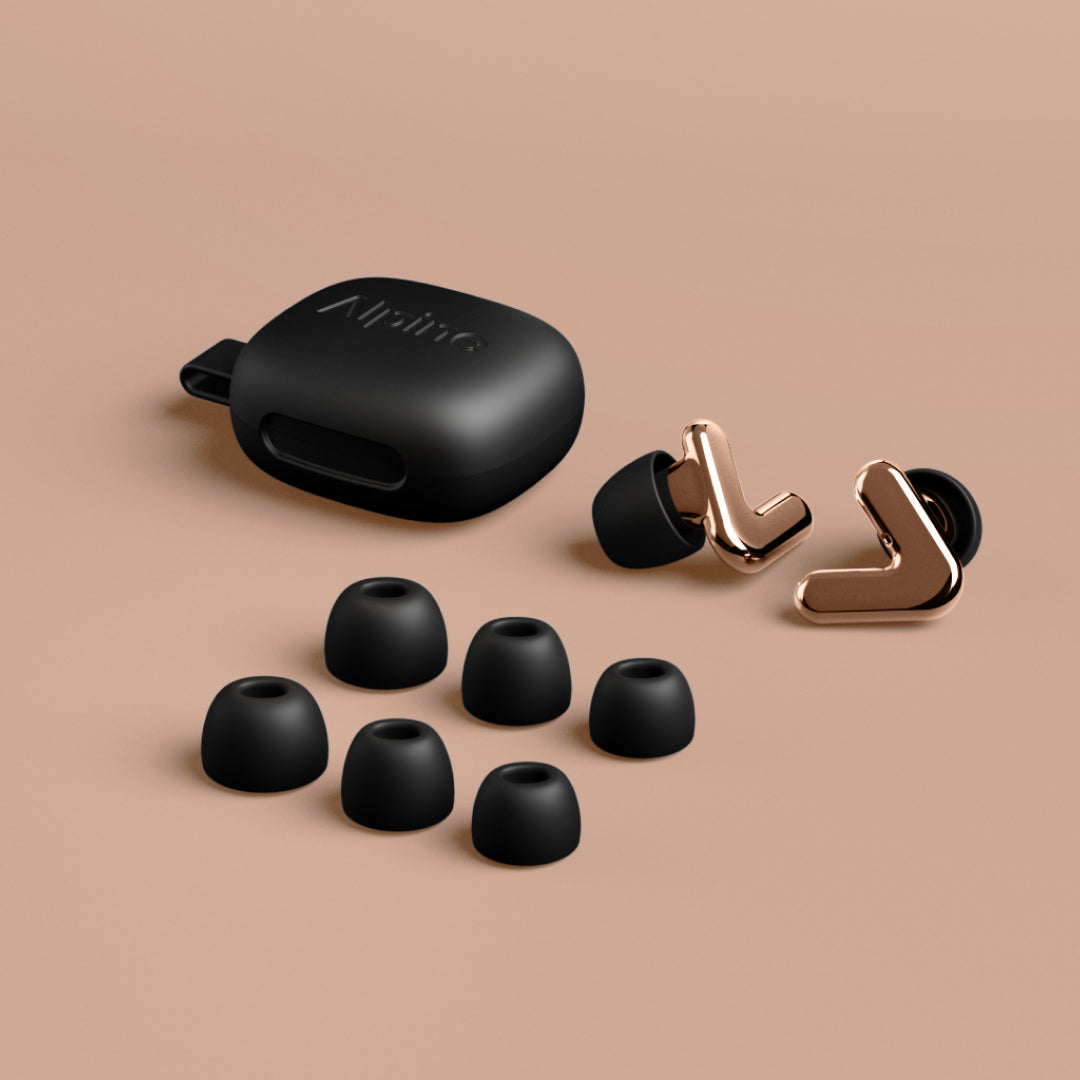
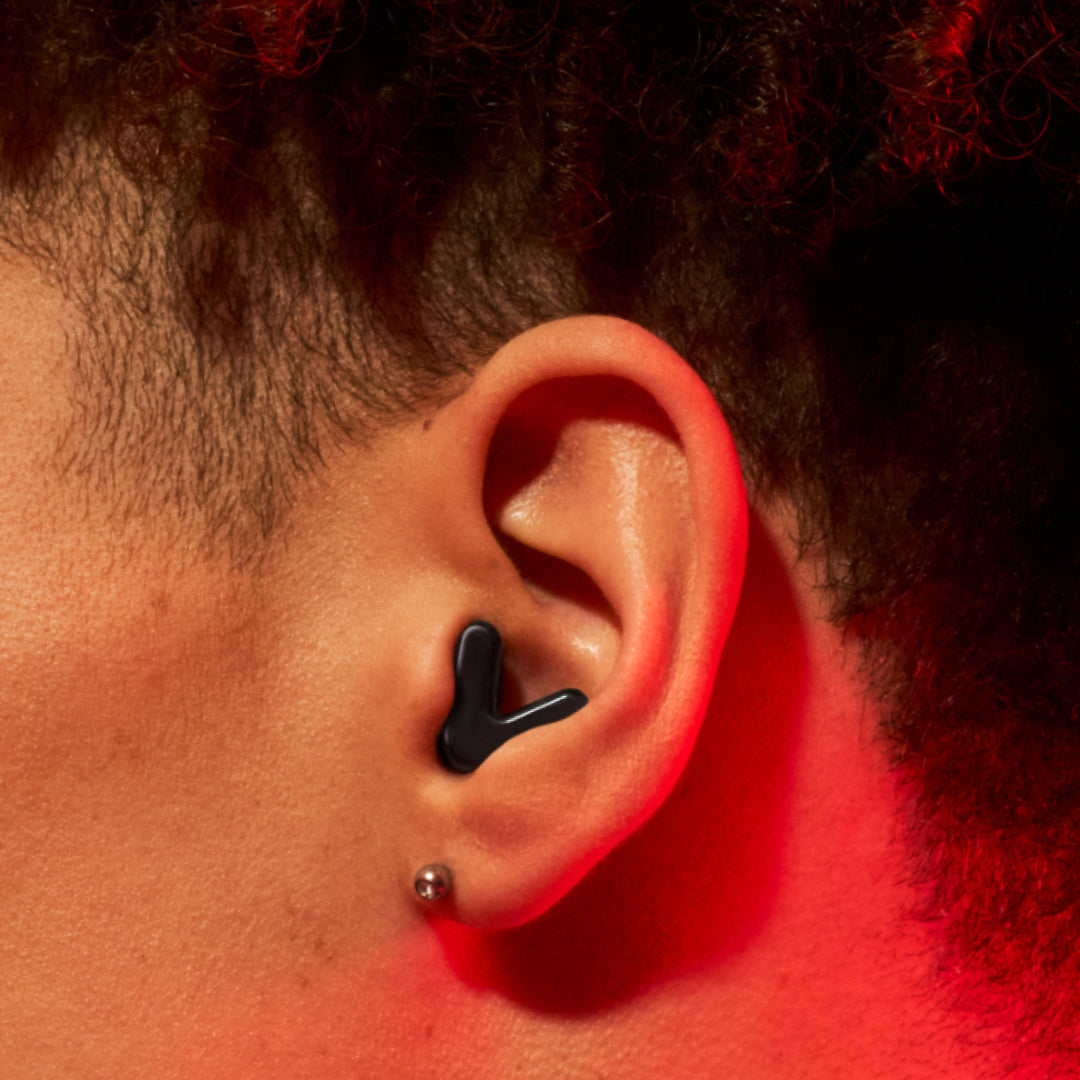
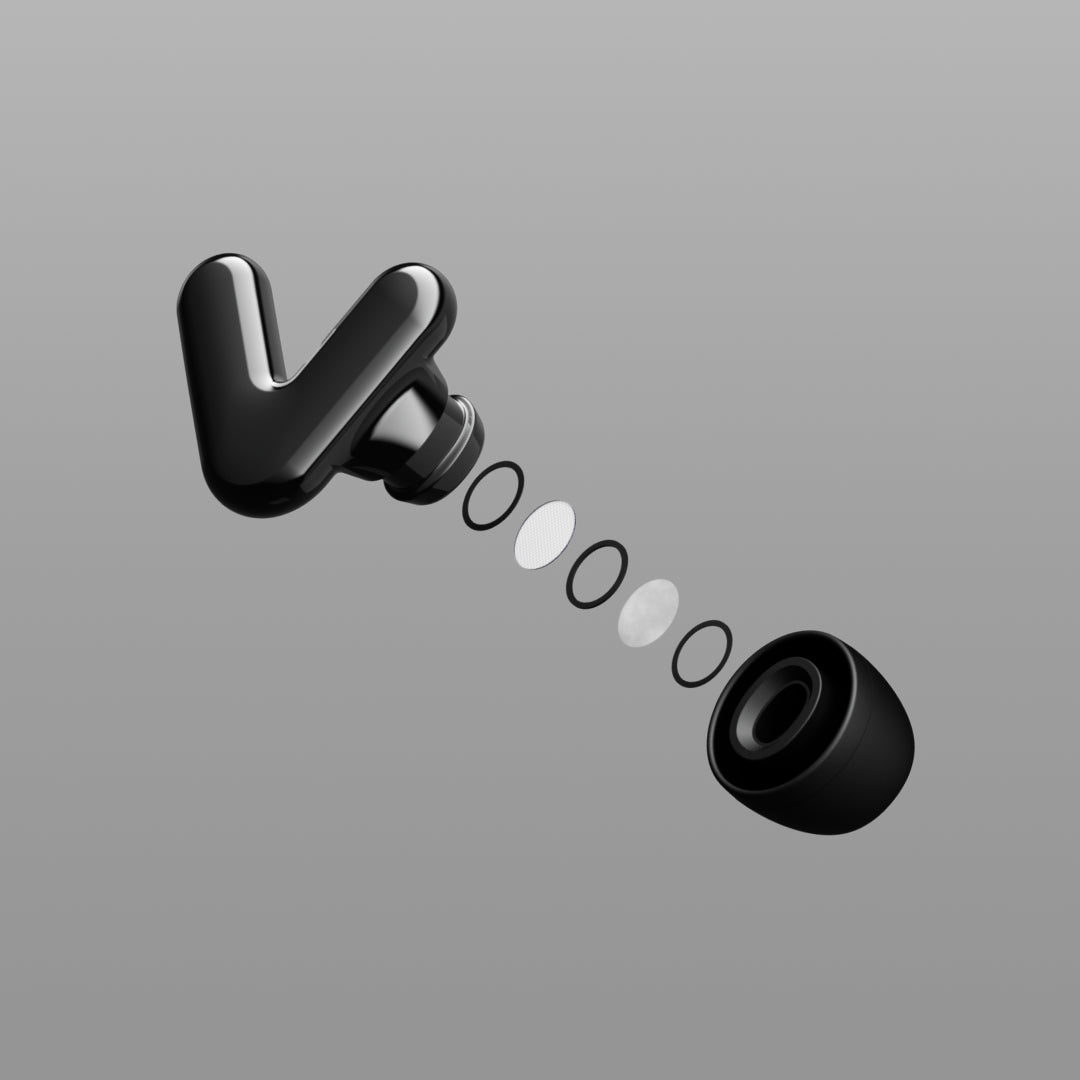
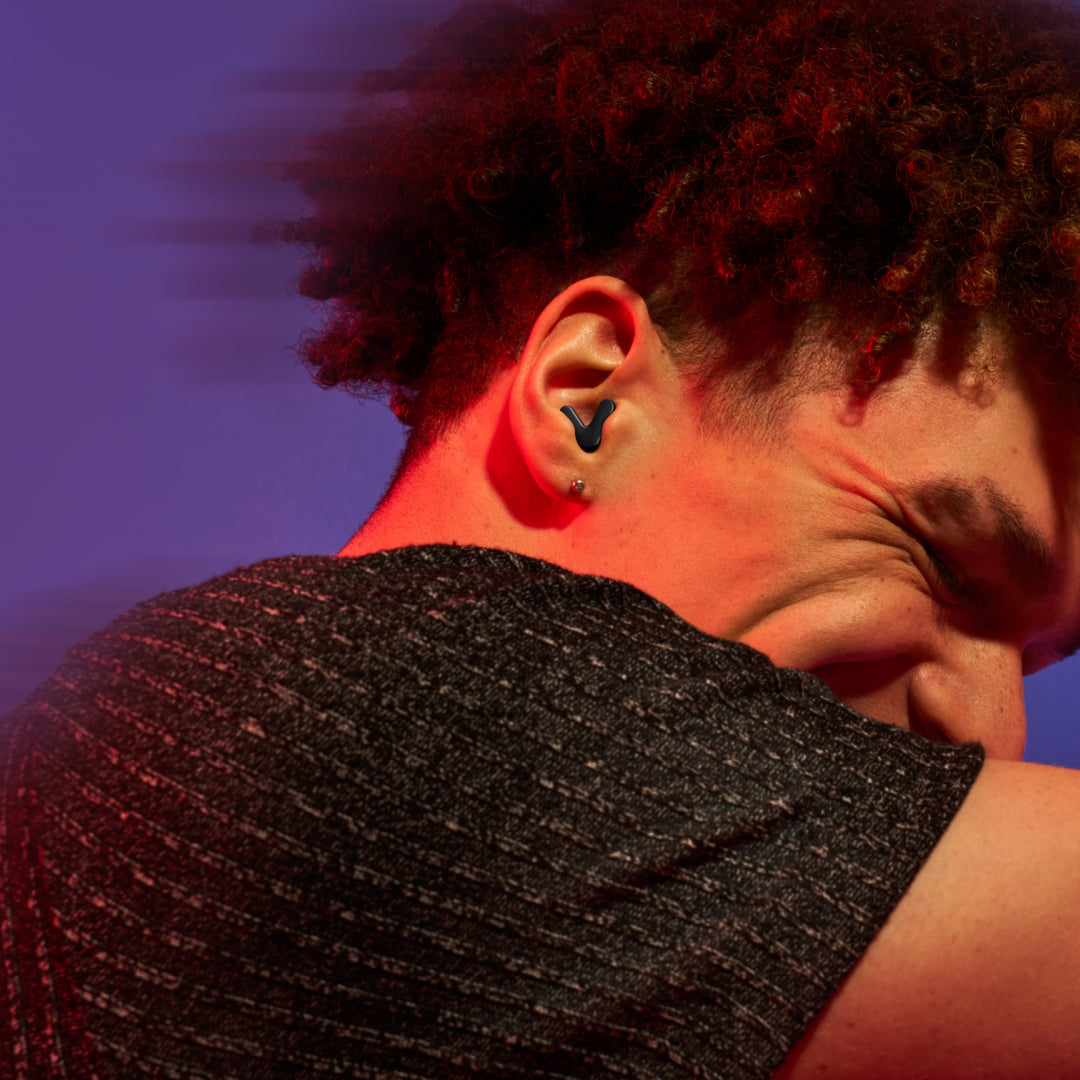
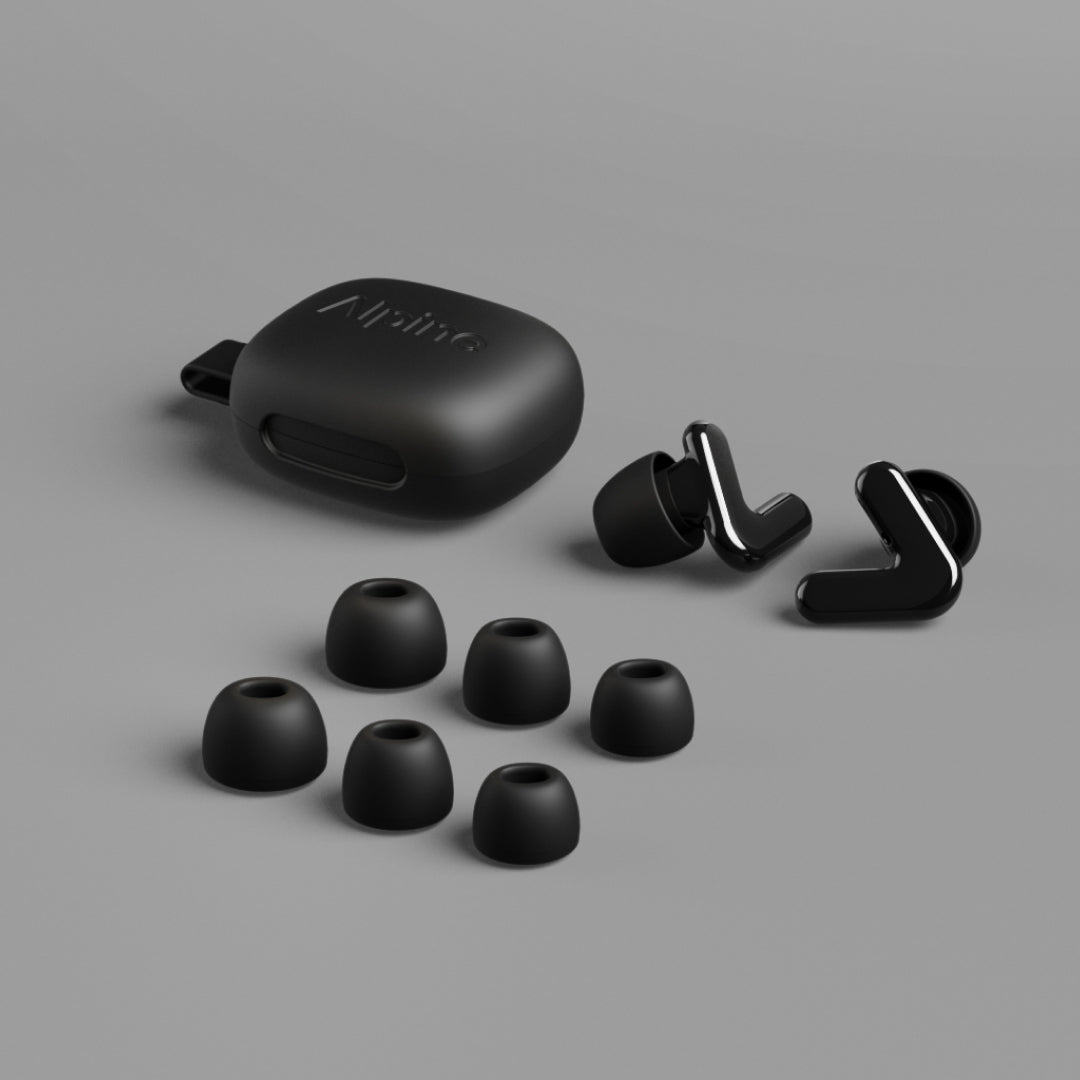
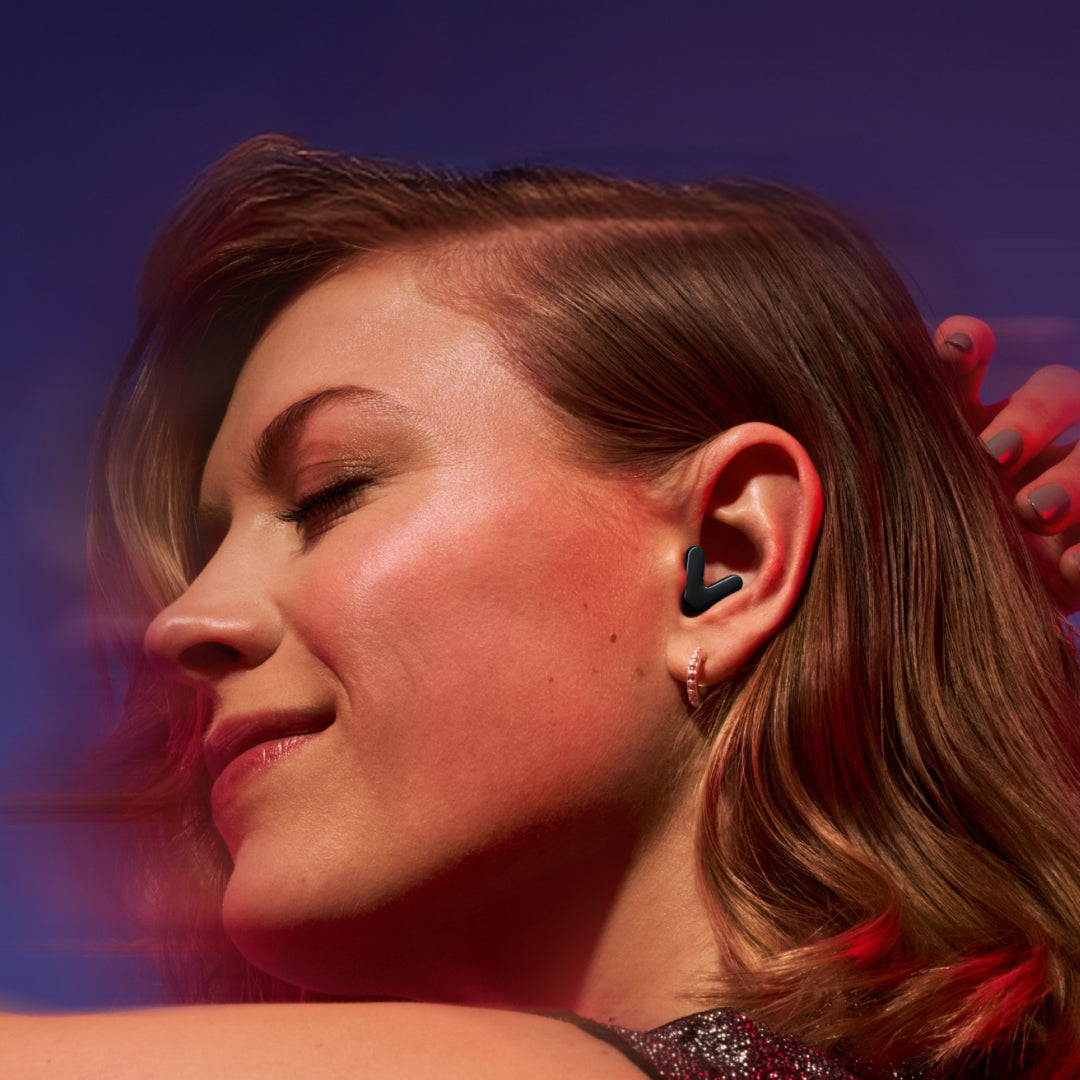
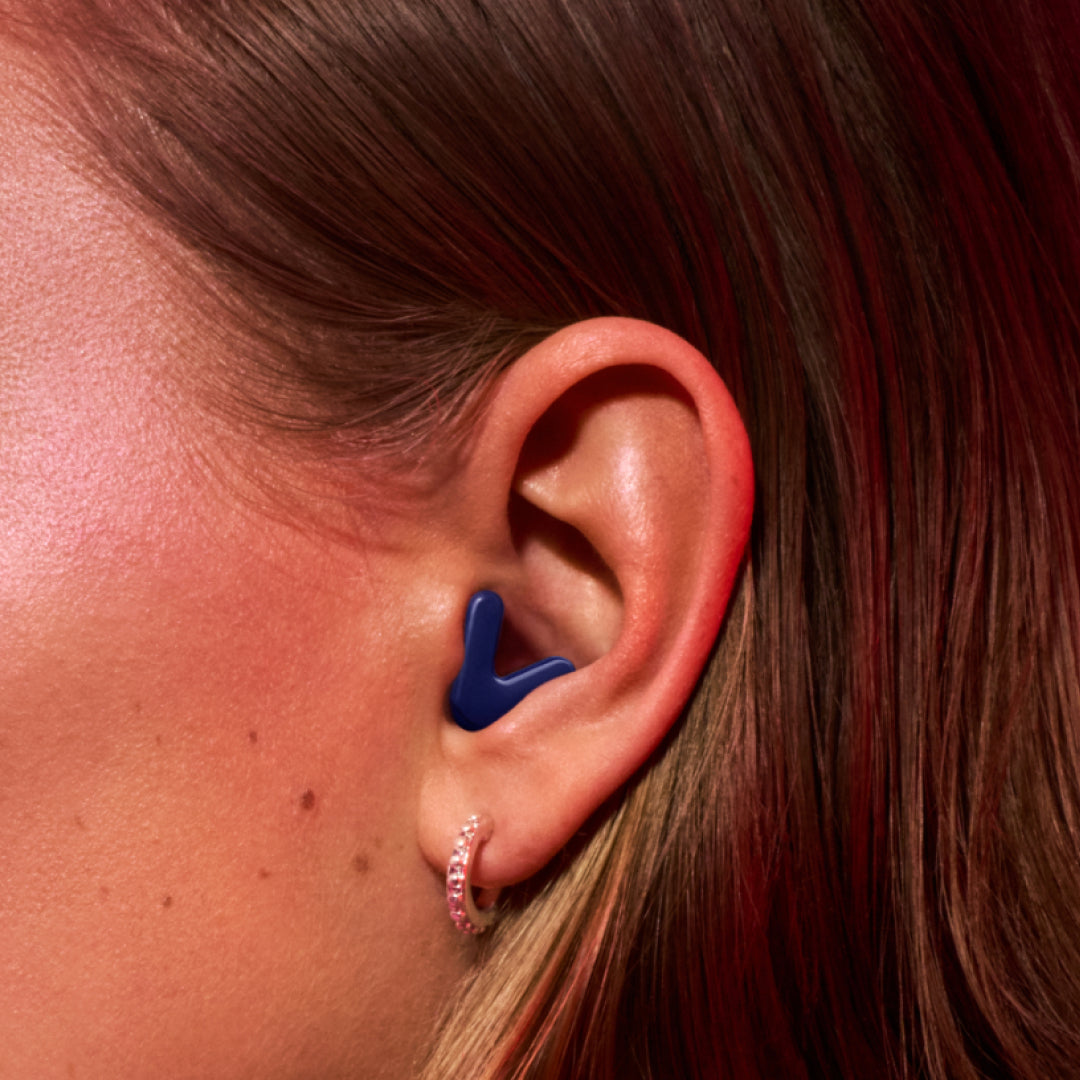
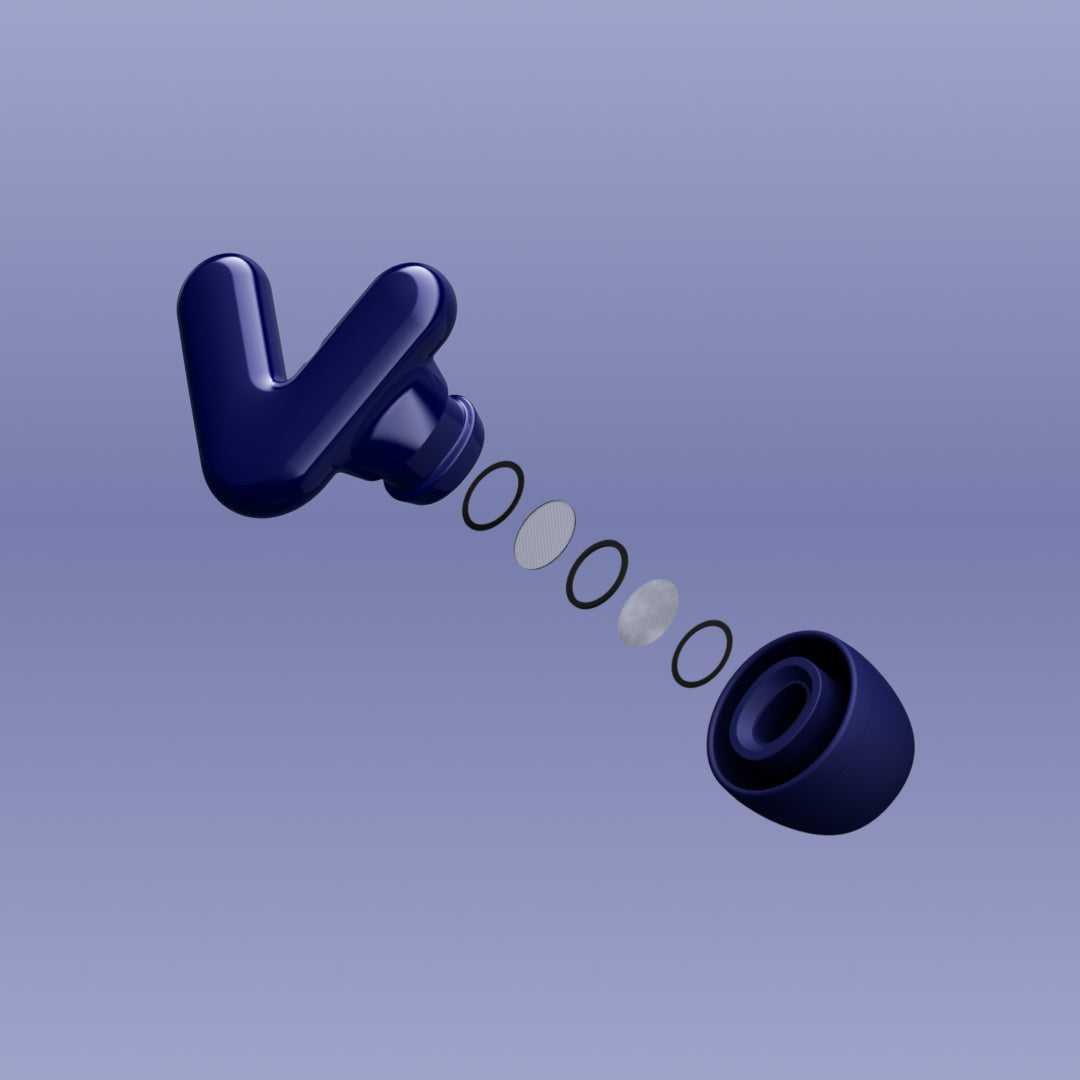
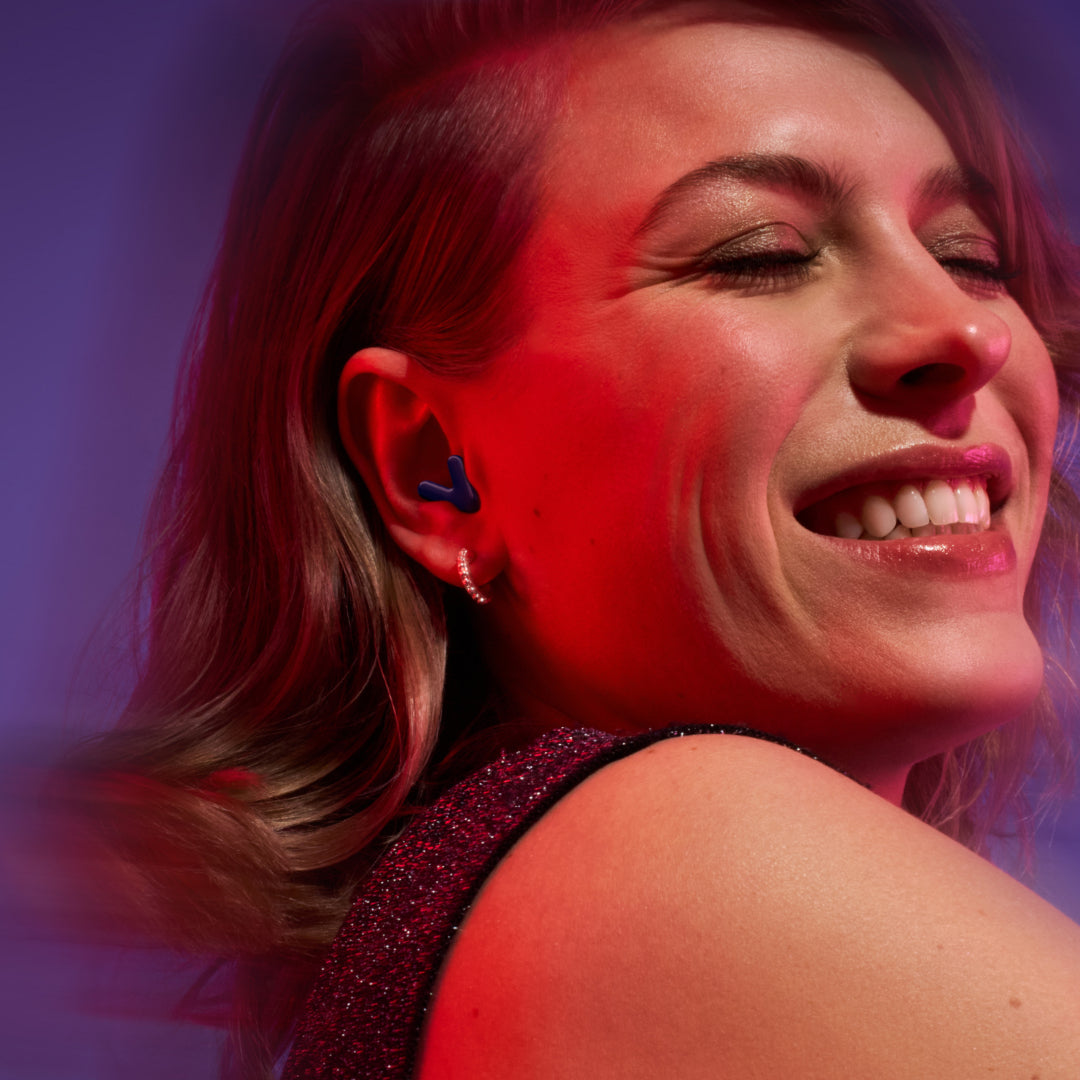
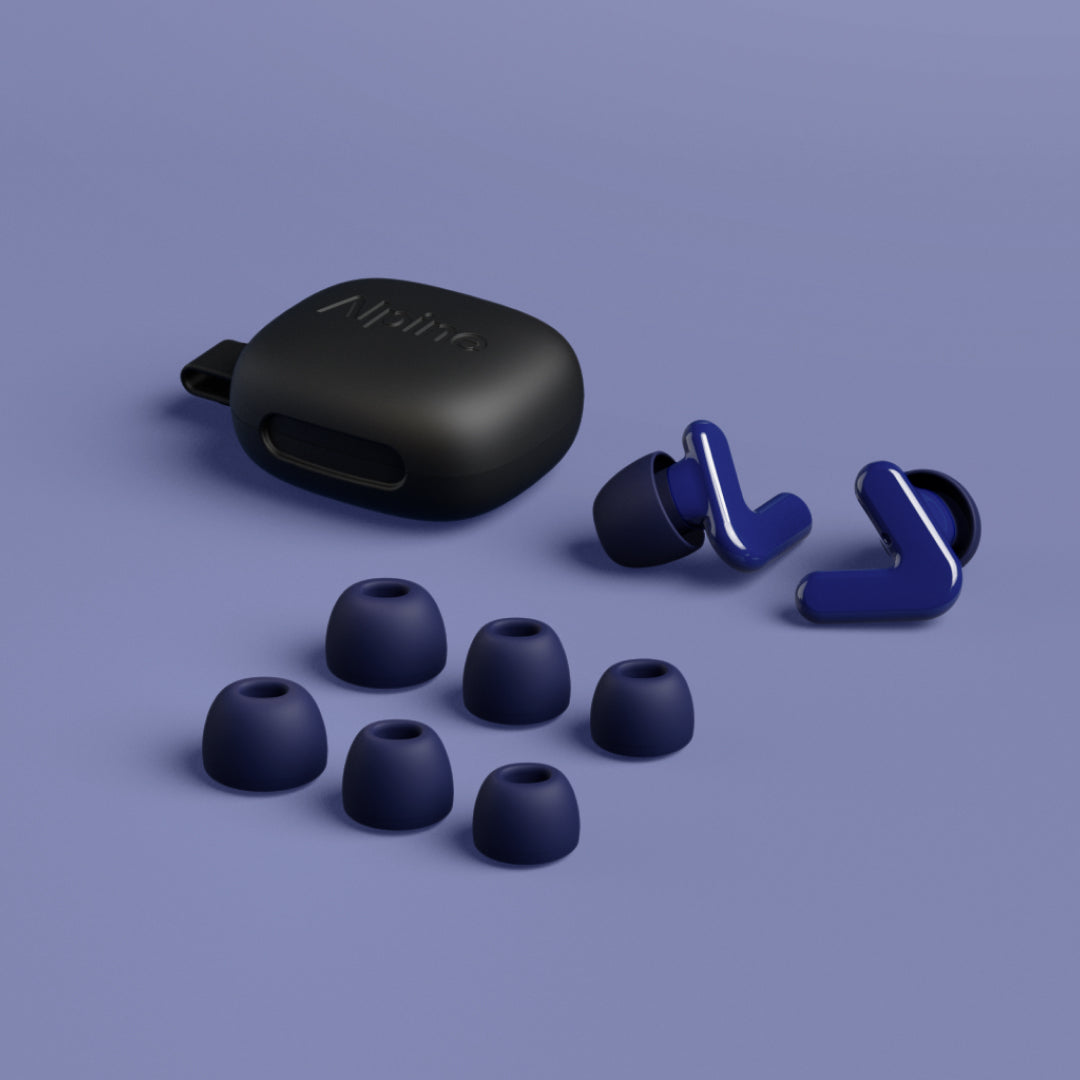
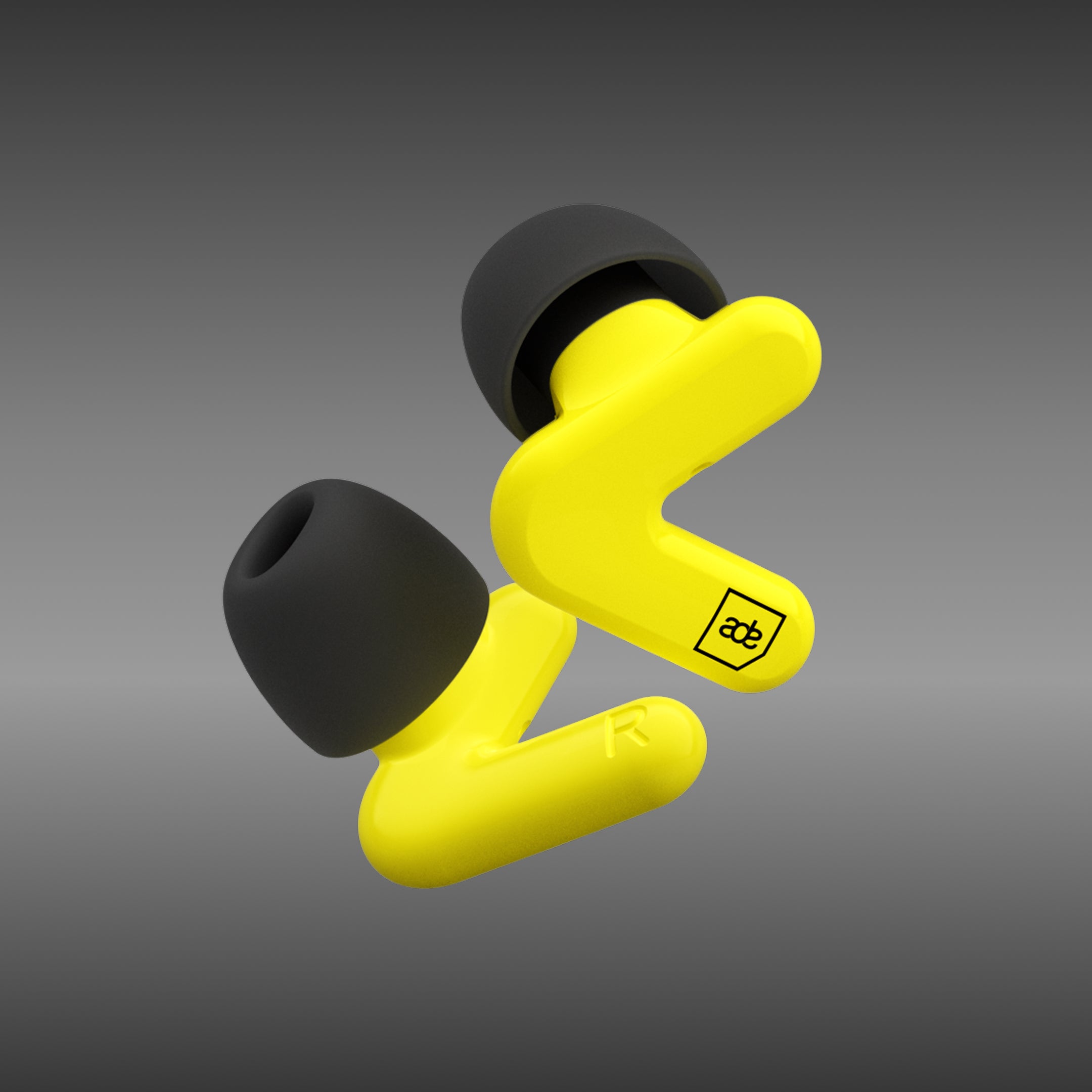
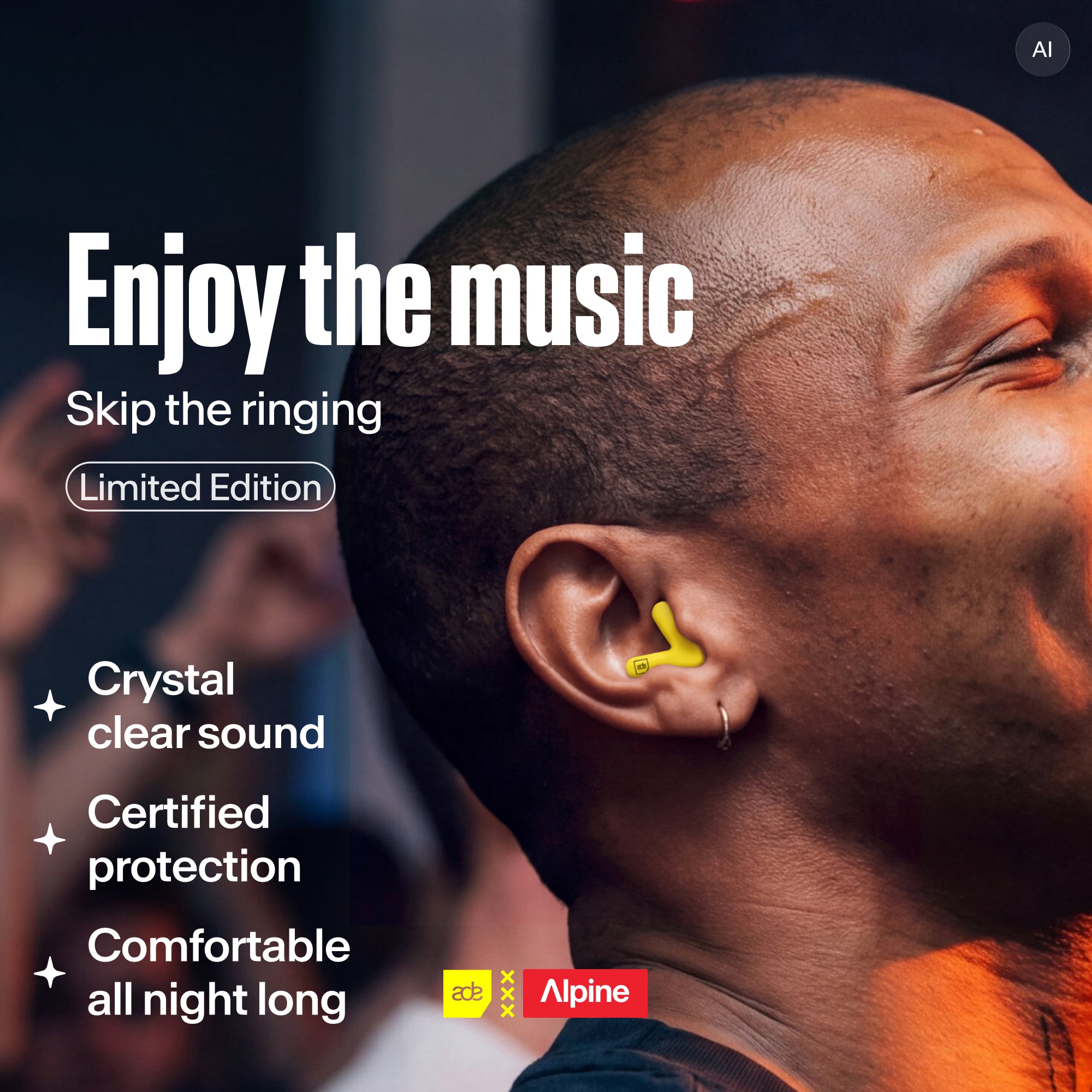
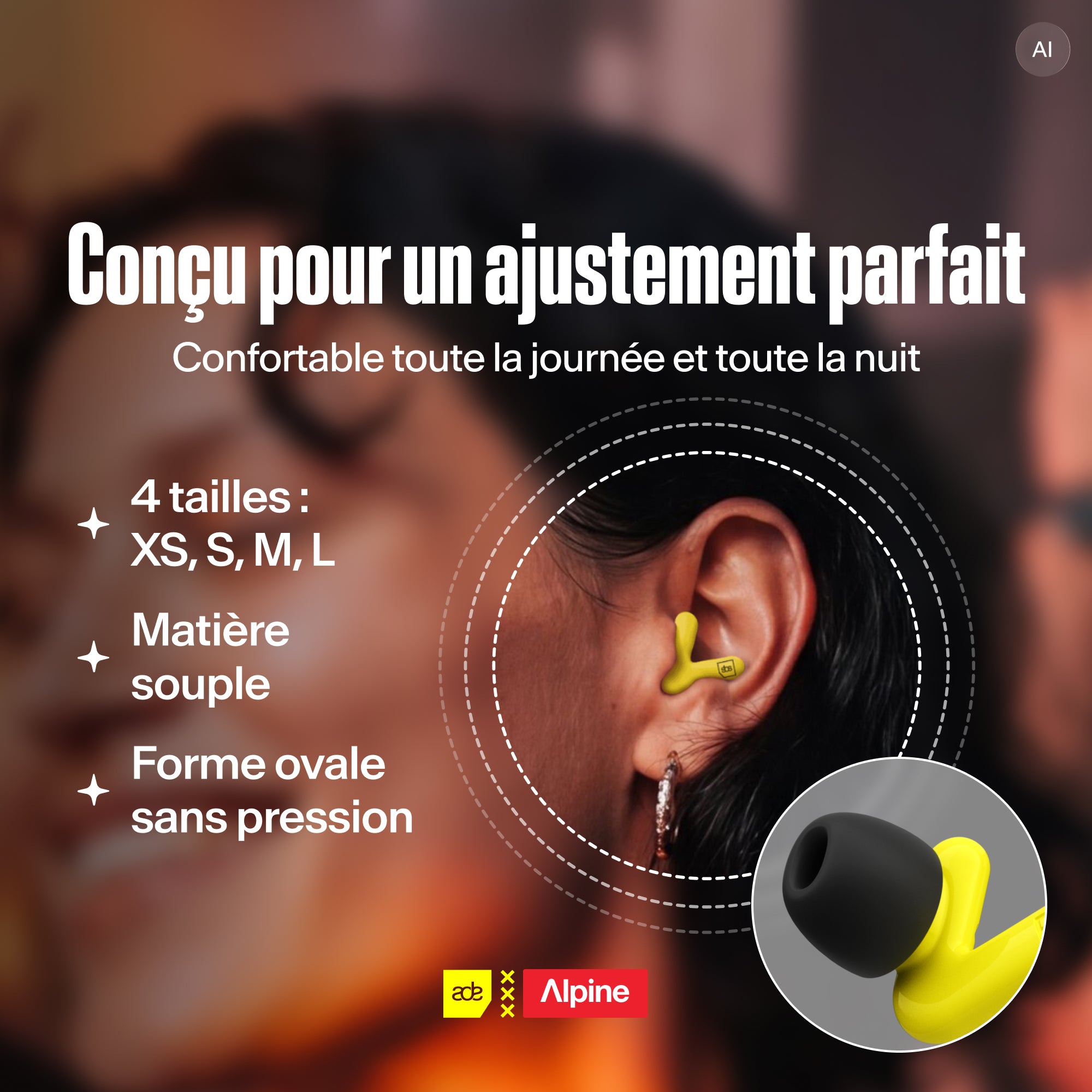
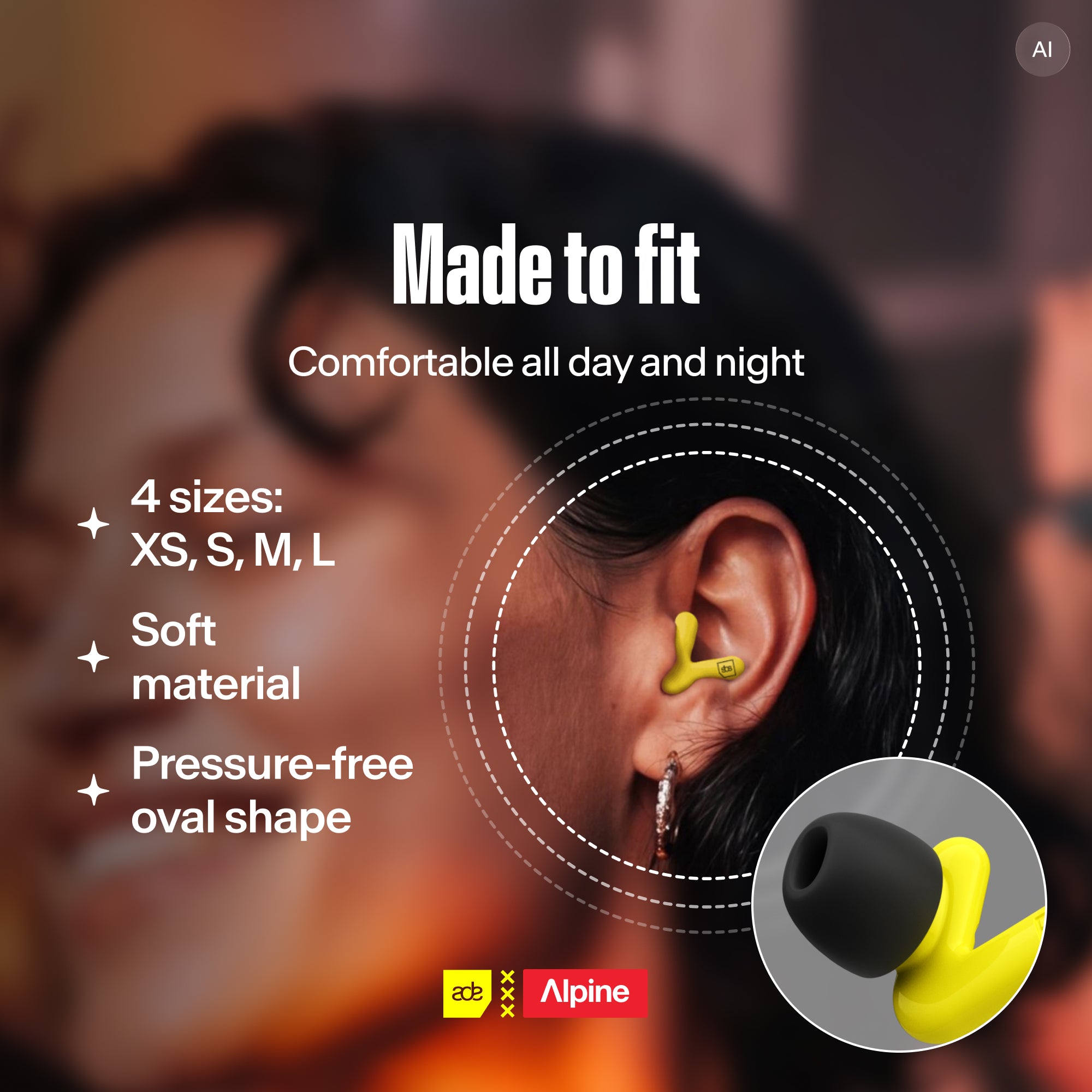
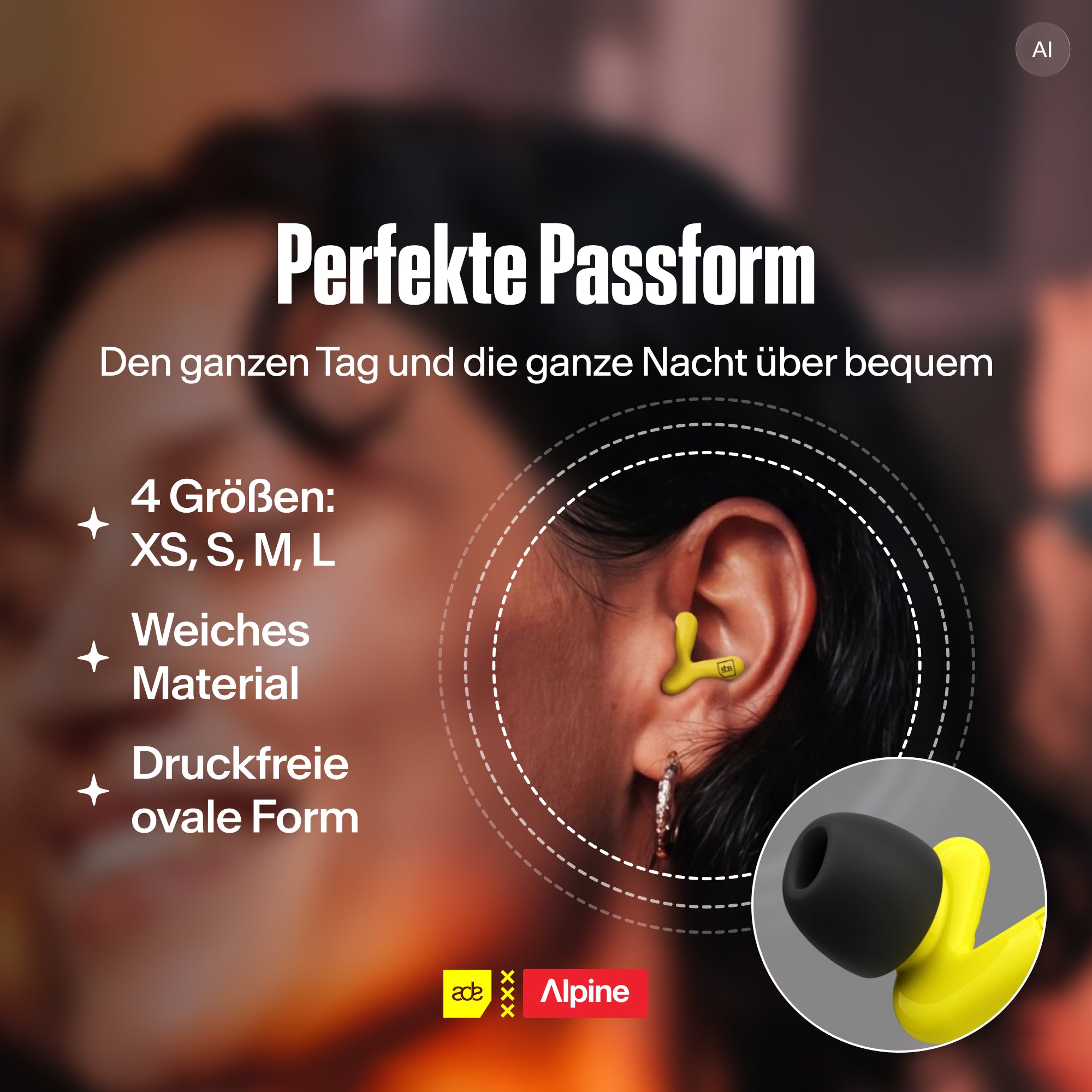
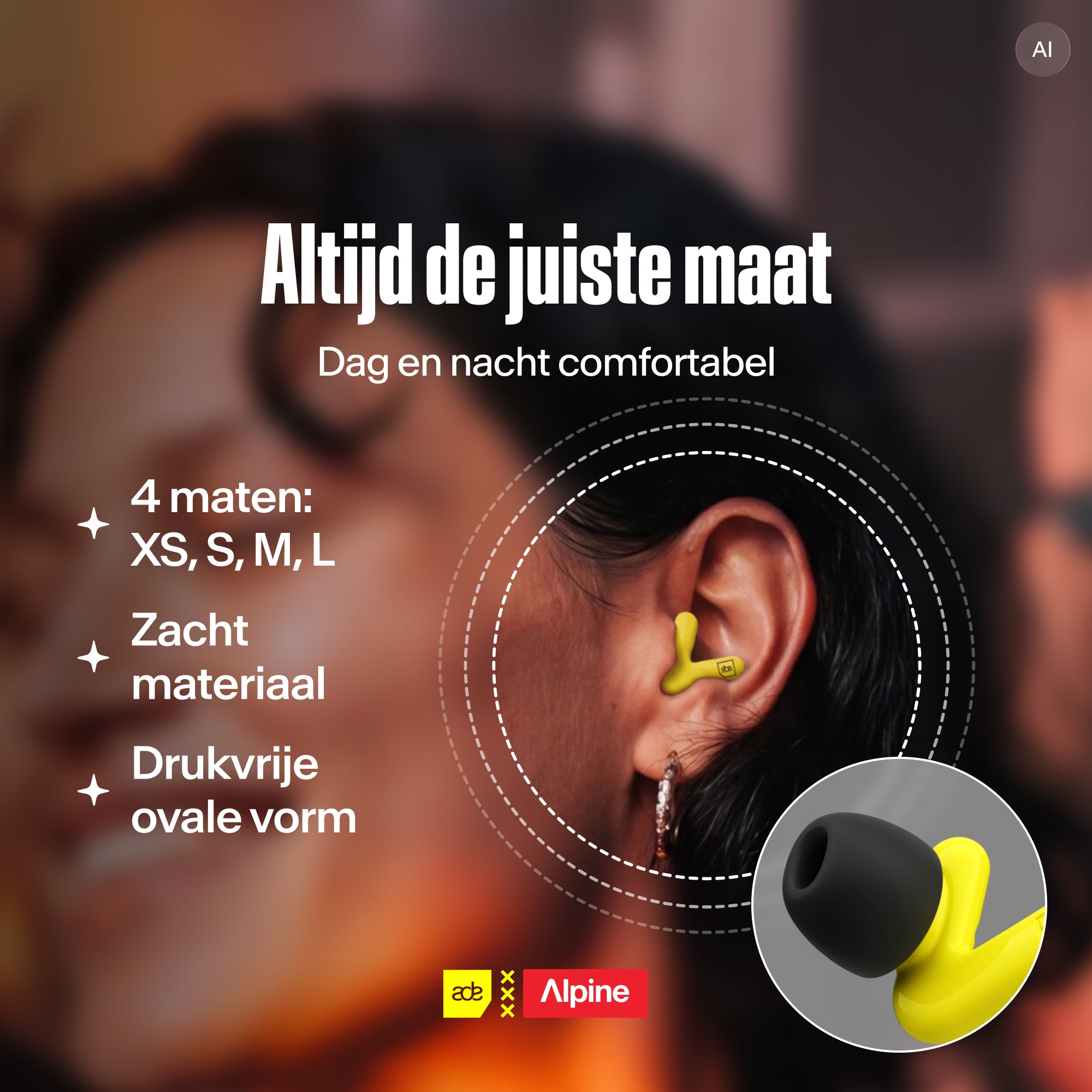
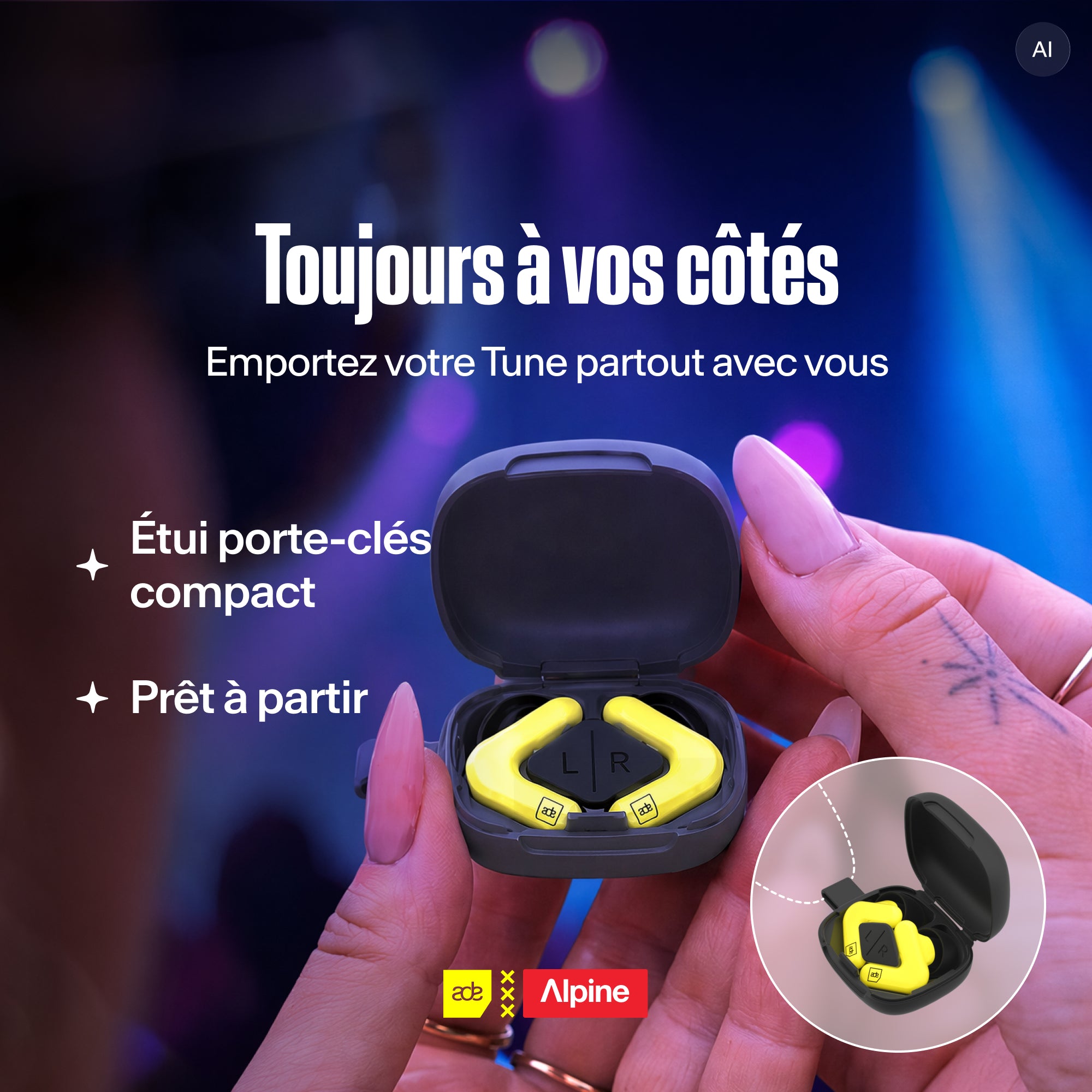
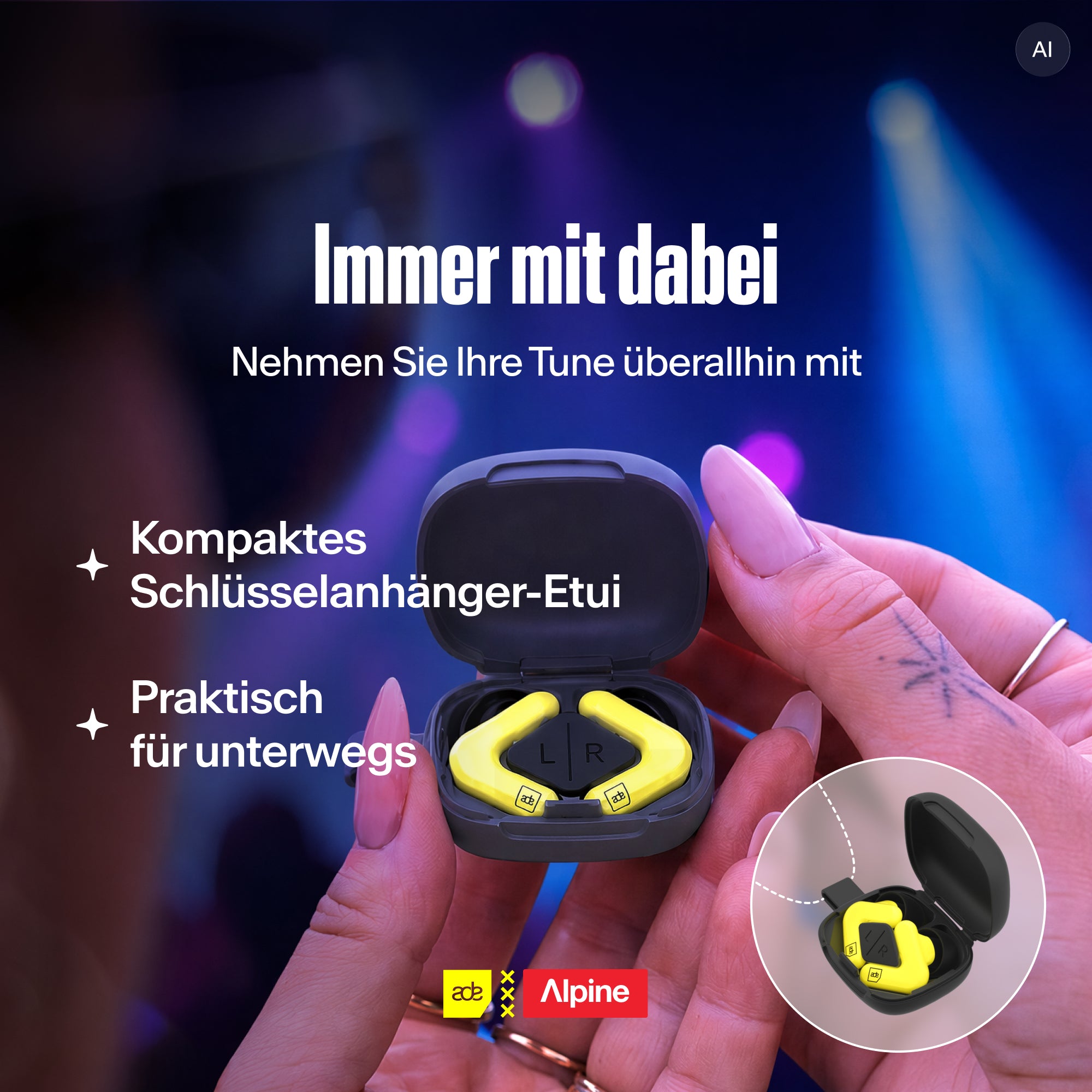
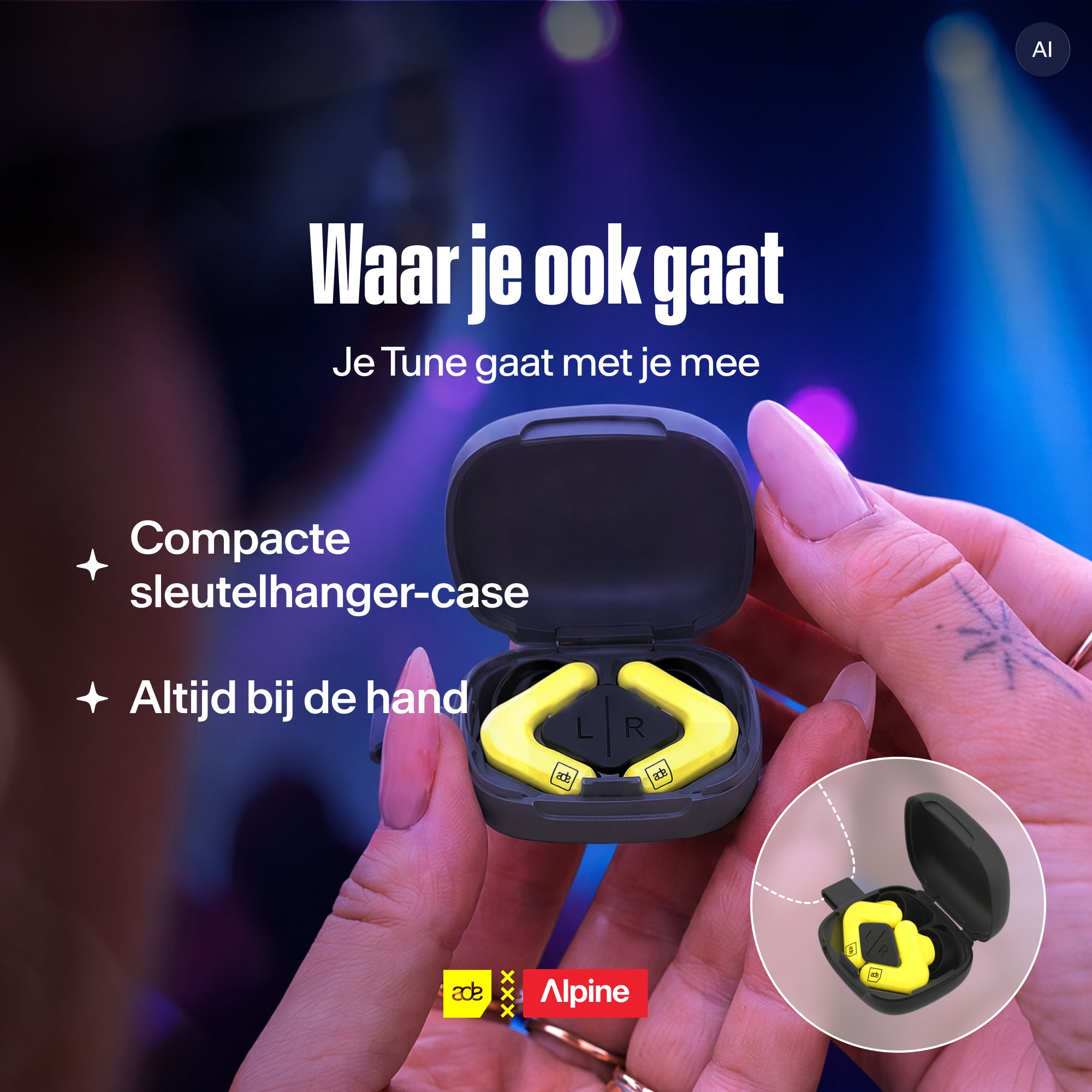
Solutions such as tissue paper, cotton wool or standard foam earplugs not only distort sound quality but also don't provide effective protection. That is why our team worked on an earplug specifically designed for live music events. Our Alpine Tune earplugs are specifically designed for concerts, festivals and club nights, featuring an advanced music filter that reduces volume evenly across all frequencies (SNR 19 dB) while preserving music clarity and allowing conversations to remain audible. If you want more options, explore our high quality music earplugs collection to find your festival ear plugs.
Our CEO, Arthur van Keeken, adds:
"Protecting your hearing shouldn't mean compromising the live music experience. The right hearing protection allows people to enjoy every moment while safeguarding their hearing for the future."
The most important takeaway is that ringing after a festival is not a sign of a great night, it's a sign that your hearing has been overloaded. While these symptoms may feel temporary, they indicate exposure to excessive sound, and good hearing protection remains the most effective way to prevent permanent hearing damage while still allowing you to enjoy live music safely.